

Feb . 11, 2026 00:01 Back to list
kitchen sink hot cold water lines factory Performance Analysis
Introduction
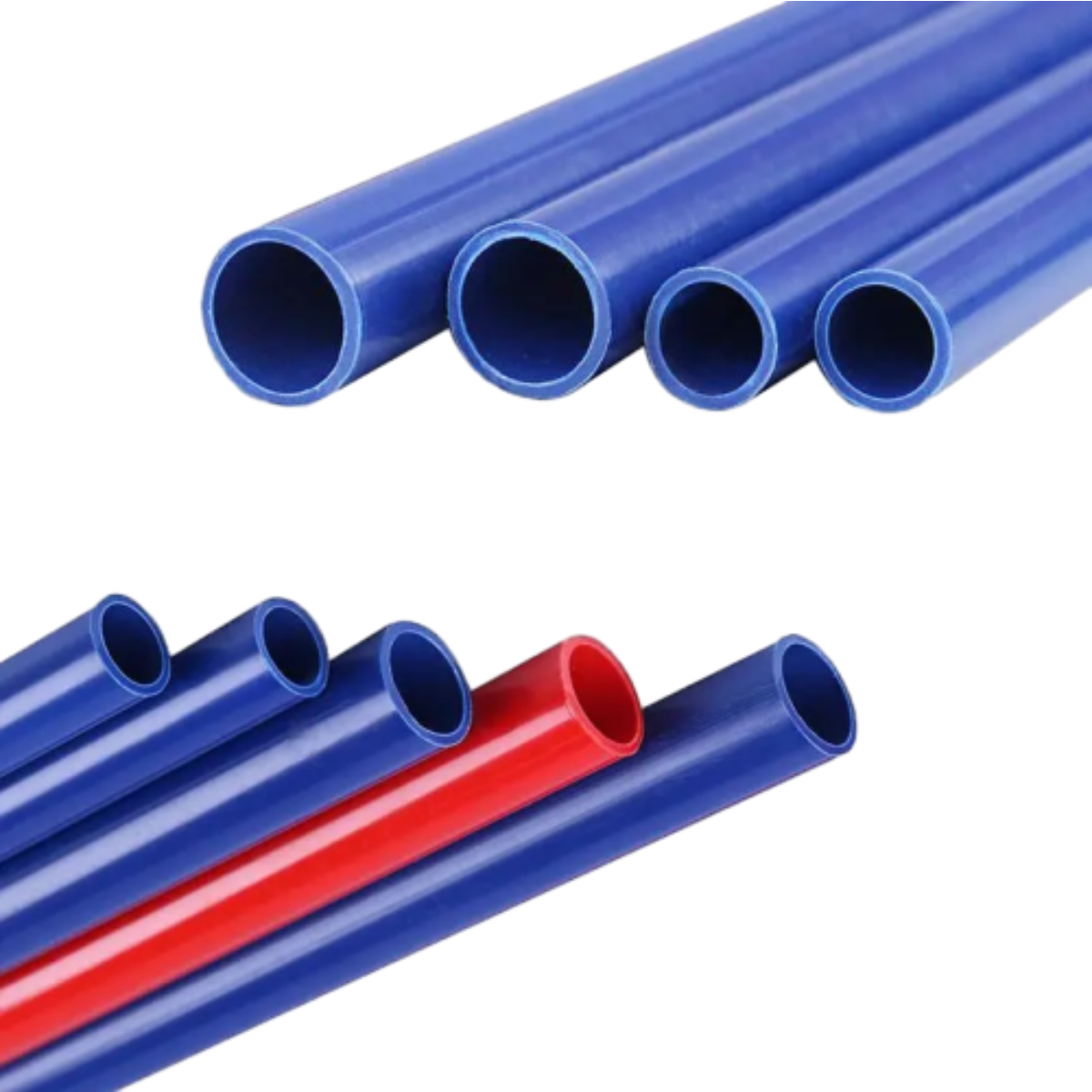
Kitchen sink hot and cold water lines represent a critical component within residential and commercial plumbing systems. These lines, typically constructed from flexible or rigid materials, deliver potable water to faucets and appliances. The manufacturing sector surrounding these lines encompasses both standardized mass production and specialized fabrication for specific applications. The core performance metric revolves around leak-proof operation under varying pressure and temperature conditions, alongside long-term durability and compliance with potable water regulations. A key pain point for manufacturers is balancing cost-effectiveness with material selection to prevent corrosion, maintain flexibility over time, and adhere to increasingly stringent lead content restrictions. This guide provides an in-depth technical overview of the materials, manufacturing processes, performance characteristics, failure modes, and industry standards pertaining to kitchen sink hot and cold water lines.
Material Science & Manufacturing
The most common materials used in kitchen sink water line production include chlorinated polyvinyl chloride (CPVC), cross-linked polyethylene (PEX), stainless steel, and copper. CPVC offers excellent resistance to high temperatures and chemical degradation, making it suitable for hot water lines. Its manufacturing process involves the chlorination of PVC resin, followed by extrusion or molding. Critical parameters during CPVC production include precise temperature control during chlorination to achieve the desired chlorine content (typically 63-69%) and maintaining consistent resin homogeneity. PEX, known for its flexibility and freeze resistance, is created through the crosslinking of polyethylene using peroxide, silane, or radiation. The degree of crosslinking directly impacts the material’s temperature and pressure resistance. Stainless steel (typically 304 or 316) provides superior corrosion resistance and durability, but at a higher cost. Manufacturing involves bending, welding, and often the application of protective coatings. Copper, traditionally used for water lines, offers excellent thermal conductivity and antimicrobial properties. Fabrication typically involves drawing copper tubes to the desired diameter and soldering or flaring connections. A crucial aspect of copper manufacturing is annealing to enhance ductility and prevent cracking during bending. All materials must meet NSF/ANSI 61 standards for lead content and extractable contaminants.

Performance & Engineering
The performance of kitchen sink water lines is dictated by their ability to withstand hydrostatic pressure, thermal expansion/contraction, and potential mechanical stresses. Hydrostatic pressure testing, typically conducted to 1.5 times the maximum working pressure, verifies the integrity of the lines and connections. Finite element analysis (FEA) is increasingly used to model stress distribution under various loading conditions, optimizing line geometry and material selection. Thermal expansion is a significant factor, particularly with CPVC and PEX. Manufacturers must account for this expansion and contraction during installation to prevent stress on fittings and connections. For flexible lines like PEX, ensuring appropriate bend radii prevents kinking and flow restriction. Compliance with plumbing codes (e.g., Uniform Plumbing Code, International Plumbing Code) dictates minimum burst pressure requirements, temperature ratings, and acceptable materials. Corrosion resistance is paramount; galvanic corrosion between dissimilar metals (e.g., copper and steel) must be prevented through the use of dielectric unions or compatible materials. Furthermore, water hammer (pressure surge) mitigation strategies, such as incorporating air chambers or slow-closing valves, are often implemented to protect the lines from damage.
Technical Specifications
| Material | Maximum Working Pressure (PSI) | Temperature Rating (°F) | Burst Pressure (PSI) |
|---|---|---|---|
| CPVC | 100 | 180 | 400 |
| PEX | 80 | 180 | 300 |
| Stainless Steel (304) | 300 | 250 | 900 |
| Copper (Type L) | 200 | 250 | 600 |
| Braided Stainless Steel (with PVC inner core) | 150 | 160 | 600 |
| Polyethylene (HDPE) | 100 | 140 | 350 |
Failure Mode & Maintenance
Common failure modes in kitchen sink water lines include pinhole leaks due to corrosion, cracking from thermal stress or water hammer, and joint failures due to improper installation or material degradation. CPVC can become brittle over time, especially when exposed to prolonged UV radiation or high chlorine levels. PEX is susceptible to creep (slow deformation under constant stress) and can degrade if exposed to harsh chemicals or excessive temperatures. Stainless steel, while highly corrosion-resistant, can still experience pitting corrosion in chloride-rich environments. Copper lines can develop pitting corrosion, particularly in areas with low pH water. Failure analysis often involves microscopic examination of the fractured surface to identify the root cause of the failure. Maintenance recommendations include periodic inspection for leaks, proper winterization to prevent freezing, and flushing the lines to remove sediment buildup. For PEX lines, ensuring proper crimp fitting installation is critical to prevent leaks. Replacing corroded or damaged sections with compatible materials is essential. Water softener installation can reduce the risk of corrosion in hard water areas. Regular check of water pressure to confirm it is within the lines operating range.
Industry FAQ
Q: What are the key considerations when selecting between CPVC and PEX for hot water lines?
A: CPVC offers higher temperature resistance and is generally preferred for applications exceeding 180°F. However, PEX is more flexible, easier to install, and more resistant to freezing. The choice depends on the specific application requirements, local plumbing codes, and installation constraints. Long-term cost of installation, ease of repairs, and overall system complexity should also be considered.
Q: How can galvanic corrosion be prevented when connecting copper and steel components?
A: Galvanic corrosion occurs when dissimilar metals are in contact in the presence of an electrolyte (water). To prevent it, use dielectric unions or fittings that electrically isolate the two metals. Alternatively, use compatible materials or apply a protective coating to one of the metals.
Q: What is the significance of NSF/ANSI 61 certification?
A: NSF/ANSI 61 certification ensures that the water line materials meet stringent standards for lead content and extractable contaminants, protecting public health by preventing harmful substances from leaching into drinking water.
Q: What causes ‘water hammer’ and how can it be mitigated?
A: Water hammer is a pressure surge caused by the sudden stopping of water flow, typically when a valve is closed quickly. It can damage water lines and fittings. Mitigation strategies include installing slow-closing valves, incorporating air chambers, or using water hammer arrestors to absorb the pressure shock.
Q: What are the proper installation techniques for PEX fittings to ensure leak-proof connections?
A: Proper PEX fitting installation requires using the correct crimp tool and crimp rings, ensuring full insertion of the PEX tube into the fitting, and performing a pull test to verify the connection’s integrity. Following the manufacturer's instructions precisely is critical. Incorrect crimping can lead to leaks and premature failure.
Conclusion
The selection and application of kitchen sink hot and cold water lines demand a thorough understanding of material properties, manufacturing processes, and performance characteristics. Balancing cost with durability, chemical resistance, and compliance with stringent regulations is a critical engineering challenge. Manufacturers must prioritize quality control throughout the production process, from raw material sourcing to final product testing, to ensure long-term reliability and prevent premature failure.
Future trends in this industry will likely focus on the development of more sustainable and eco-friendly materials, as well as the integration of smart technologies for leak detection and predictive maintenance. Continued research into advanced polymer formulations and corrosion-resistant alloys will be essential for enhancing the performance and longevity of these critical plumbing components. Adherence to evolving industry standards and a commitment to continuous improvement will be paramount for manufacturers seeking to maintain a competitive edge.
-
DN25 HDPE Compression Fitting-HORON INTERNATIONAL|Reliable Irrigation Solutions
NewsFeb.11,2026
-
discount hdpe pipe coupling Performance Analysis
News2026-06-27
-
discount kitchen sink water lines Performance Analysis
News2026-06-27
-
discount dn25 hdpe Performance Analysis
News2026-06-27
-
discount hdpe sprinkler coupler Performance Analysis
News2026-06-27
-
discount black pvc pipe for sale Performance Analysis
News2026-06-27
-
discount 40mm pvc pipe Performance Analysis
News2026-06-26
-
discount hdpe to pvc connection Performance Analysis
News2026-06-26
-
discount ppr pipe 1 price Technical Analysis
News2026-06-26
-
discount colored pvc pipe Material Science and Manufacturing
News2026-06-26
-
discount hdpe pipe price list pdf Performance and Engineering
News2026-06-26
-
discount ppr for hot water Performance Analysis
News2026-06-25
-
discount bulk pvc pipe Material Performance
News2026-06-25
-
discount pvc pipes price list Material Science and Manufacturing
News2026-06-25
-
discount 20 ft pvc pipe Performance Analysis
News2026-06-25
-
discount ppr cold water pipe Performance Analysis
News2026-06-25