

Feb . 11, 2026 00:01 Back to list
dn25 ppr hot water pipes for kitchen products Performance Analysis

Introduction
dn25 Polypropylene Random (PPR) hot water pipes represent a critical component in modern kitchen plumbing infrastructure. Their utilization is widespread in both residential and commercial applications due to their inherent properties of thermal stability, chemical resistance, and cost-effectiveness. This guide provides a comprehensive technical overview of dn25 PPR pipes specifically designed for hot water distribution within kitchen environments. PPR pipes, unlike traditional metallic piping, are manufactured through a process of random copolymerization of propylene, resulting in a material exhibiting superior flexibility and resistance to stress cracking. This diameter (dn25 – nominal diameter of 25mm) is commonly employed for hot water supply lines to faucets, dishwashers, and other kitchen appliances, balancing flow rate requirements with practical installation considerations. A significant industry challenge centers around ensuring long-term performance and mitigating the potential for material degradation under prolonged exposure to elevated temperatures and varying water chemistries. This analysis will detail material characteristics, manufacturing processes, performance criteria, potential failure modes, and relevant industry standards to provide a complete technical understanding of these vital plumbing components.
Material Science & Manufacturing
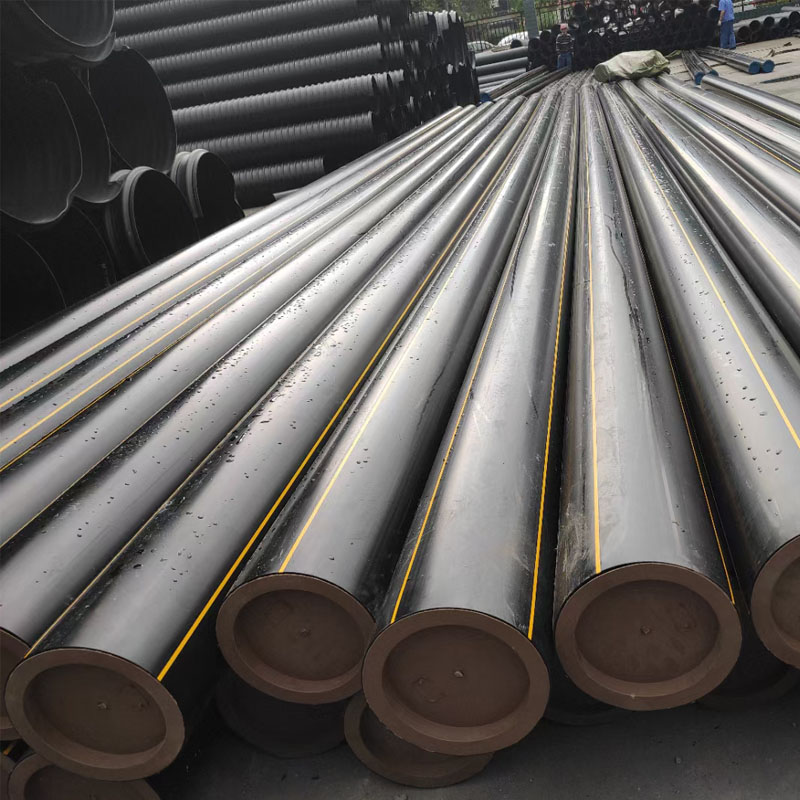
The foundational material of dn25 PPR pipes is polypropylene random copolymer. This material is distinguished by its amorphous structure, resulting from the random distribution of comonomer units within the polymer chain. The primary raw material is polypropylene homopolymer and ethylene as a comonomer. The ethylene content, typically ranging from 4-7%, is crucial for impacting the pipe’s flexibility and impact resistance. The manufacturing process begins with the polymerization of propylene monomers. The resulting PPR compound is then processed via extrusion. This involves melting the compound and forcing it through a die that shapes the pipe to the desired dn25 diameter and wall thickness. Critical process parameters include melt temperature (typically 190-230°C), extrusion pressure, and cooling rate. Precise control of these parameters is essential to maintain consistent pipe dimensions, prevent material degradation, and achieve optimal mechanical properties. Furthermore, pipes are often manufactured with colored layers—typically red for hot water and blue for cold—for easy identification. Quality control during manufacturing encompasses hydrostatic pressure testing (ensuring the pipe can withstand sustained internal pressure) and dimensional accuracy checks. The presence of any voids or inconsistencies within the material structure can significantly compromise the pipe's long-term integrity and resistance to failure. Key material properties impacting performance include density (0.905 - 0.92 g/cm³), Vicat softening temperature (around 135°C), and tensile strength (typically 20-25 MPa).
Performance & Engineering
The performance of dn25 PPR hot water pipes is dictated by their ability to withstand sustained hydrostatic pressure, elevated temperatures, and chemical exposure inherent in domestic water systems. Hydrostatic pressure testing, as mandated by industry standards, typically involves subjecting the pipes to a pressure of 1.25 times their nominal operating pressure for a specified duration. The pipe must exhibit no leakage or structural deformation. Withstanding elevated temperatures is critical as hot water systems routinely operate between 60-80°C. Prolonged exposure to these temperatures can lead to creep deformation and a reduction in the pipe's mechanical strength. The long-term hydrostatic strength (LTHS) is a key performance indicator, reflecting the pipe's ability to maintain its integrity under constant pressure and temperature over an extended service life. Chemical resistance is also paramount. Potable water contains varying levels of dissolved minerals and potentially corrosive substances. PPR exhibits excellent resistance to most common waterborne chemicals, however, prolonged exposure to certain aggressive compounds may cause degradation. Engineering considerations include thermal expansion and contraction. PPR has a higher coefficient of thermal expansion than metallic pipes, necessitating the incorporation of expansion loops or flexible connectors to prevent stress buildup and potential joint failure. Proper support and anchoring of the piping system are also vital to prevent sagging and excessive strain. Furthermore, the selection of appropriate fittings—typically also PPR—is crucial to ensure a watertight and structurally sound system. Inadequate fitting installation is a common cause of leaks and system failures.
Technical Specifications
| Parameter | Unit | Specification | Test Standard |
|---|---|---|---|
| Nominal Diameter | mm | 25 | ISO 15876 |
| Wall Thickness | mm | 3.5 - 4.2 | ISO 15876 |
| Hydrostatic Pressure (Short Term) | MPa | 16 | ISO 11369-2 |
| Hydrostatic Pressure (Long Term) | MPa | 1.0 | ISO 11369-2 |
| Maximum Operating Temperature | °C | 95 | DIN 19569 |
| Vicat Softening Temperature | °C | 135-140 | ISO 306 |
Failure Mode & Maintenance
Common failure modes for dn25 PPR hot water pipes include creep rupture, stress cracking, and joint failures. Creep rupture occurs due to the gradual deformation of the pipe material under sustained stress and elevated temperatures. This is a time-dependent failure mechanism, and the rate of creep increases with temperature and stress level. Stress cracking can arise from the presence of internal stresses in the pipe material combined with exposure to corrosive substances. This is often initiated at points of geometric discontinuity, such as around fittings. Joint failures are frequently caused by improper fusion welding during installation. Insufficient welding temperature or pressure can result in incomplete fusion, creating a weak point susceptible to leakage. Oxidation, especially at higher temperatures, can also contribute to material degradation over time. Maintenance practices should include regular visual inspection of exposed piping for signs of cracking, deformation, or leakage. Preventative measures include ensuring proper water chemistry control to minimize corrosion, maintaining consistent water temperature to avoid thermal shock, and avoiding mechanical impact during installation and operation. If a leak is detected, the affected pipe section should be replaced immediately. The use of appropriate PPR welding equipment and adherence to proper welding procedures are critical for ensuring long-term system integrity. Periodic pressure testing can also help identify potential weaknesses before they lead to catastrophic failure. Furthermore, adequate insulation of the pipes can help minimize heat loss and reduce the risk of creep rupture.
Industry FAQ
Q: What is the impact of water hardness on the lifespan of PPR hot water pipes?
A: High water hardness, characterized by elevated concentrations of calcium and magnesium ions, can lead to the formation of scale deposits within the PPR pipes. While PPR itself is resistant to scaling, the buildup of scale can reduce the internal diameter of the pipe, decreasing flow rate and increasing pressure drop. In extreme cases, excessive scale buildup can contribute to stress cracking. Water softening systems are recommended in areas with hard water to mitigate this issue.
Q: How does the choice of fitting material affect the overall system reliability?
A: The fittings used in conjunction with PPR pipes must be specifically designed for PPR systems. Using incompatible fittings, such as those made of metal, can create galvanic corrosion and lead to premature failure. PPR fittings, manufactured using the same material as the pipes, offer the best compatibility and ensure a homogeneous system. Proper fusion welding of fittings to the pipes is paramount to prevent leaks.
Q: What are the acceptable temperature limits for dn25 PPR pipes in continuous hot water applications?
A: While PPR pipes can withstand temperatures up to 95°C in short bursts, continuous operation at temperatures exceeding 70°C can significantly accelerate creep deformation and reduce the pipe’s lifespan. Maintaining a consistent water temperature below 70°C is recommended for optimal long-term performance. Thermal insulation can help minimize heat loss and maintain stable temperatures.
Q: What are the key considerations during installation to prevent joint failures?
A: Proper fusion welding technique is crucial. This involves ensuring the welding tool reaches the correct temperature, applying sufficient pressure during the welding process, and allowing the weld to cool undisturbed. The pipe and fitting surfaces must be clean and free of any contaminants before welding. Proper alignment and support of the pipes are also essential to prevent stress on the joints.
Q: Can PPR pipes be used for transporting water containing anti-freeze solutions?
A: The compatibility of PPR with various anti-freeze solutions needs careful consideration. Some glycol-based anti-freeze solutions can cause swelling or degradation of the PPR material over time. It’s essential to consult with the PPR pipe manufacturer and the anti-freeze supplier to verify compatibility before using PPR pipes in systems containing anti-freeze. Using a compatible anti-freeze is crucial to avoid premature failure.
Conclusion
dn25 PPR hot water pipes offer a compelling solution for kitchen plumbing applications, providing a balance of thermal stability, chemical resistance, and cost-effectiveness. However, achieving long-term reliability requires a thorough understanding of the material's properties, manufacturing processes, and potential failure modes. Proper installation techniques, including meticulous fusion welding and appropriate system support, are paramount.
Ongoing maintenance, coupled with careful water chemistry management, will further extend the service life of these systems. As material science progresses, advancements in PPR formulations and manufacturing processes will likely lead to even more durable and robust piping solutions, further solidifying the role of PPR in modern kitchen infrastructure.
-
DN25 HDPE Compression Fitting-HORON INTERNATIONAL|Reliable Irrigation Solutions
NewsFeb.11,2026
-
china 90mm pvc pipe Performance Analysis
News2026-06-15
-
china ppr polypropylene pipe Technical Analysis
News2026-06-15
-
china hdpe pipe sizes and prices Performance Analysis
News2026-06-15
-
china hdpe quick coupling Performance Analysis
News2026-06-15
-
china ppr water line Performance Analysis
News2026-06-15
-
china 4 hdpe to pvc coupling Performance Analysis
News2026-06-14
-
china dn500 Ductile Iron Pipe Performance Analysis
News2026-06-14
-
china hdpe corrugated pipe Performance Analysis
News2026-06-14
-
china pvc pipe dimensions Technical Analysis
News2026-06-14
-
china perforated pvc pipe for drainage Performance Analysis
News2026-06-14
-
china 2.5 pvc pipe Performance Analysis
News2026-06-13
-
china ppr pipe coupling Performance Analysis
News2026-06-13
-
china hdpe pipe used for Performance Analysis
News2026-06-13
-
china 300mm pvc pipe Performance Analysis
News2026-06-13
-
china ppr pipe 40mm Performance Analysis
News2026-06-13