

Feb . 11, 2026 00:01 Back to list
dn25 ppr hot water pipes for kitchen factories Performance Analysis
Introduction
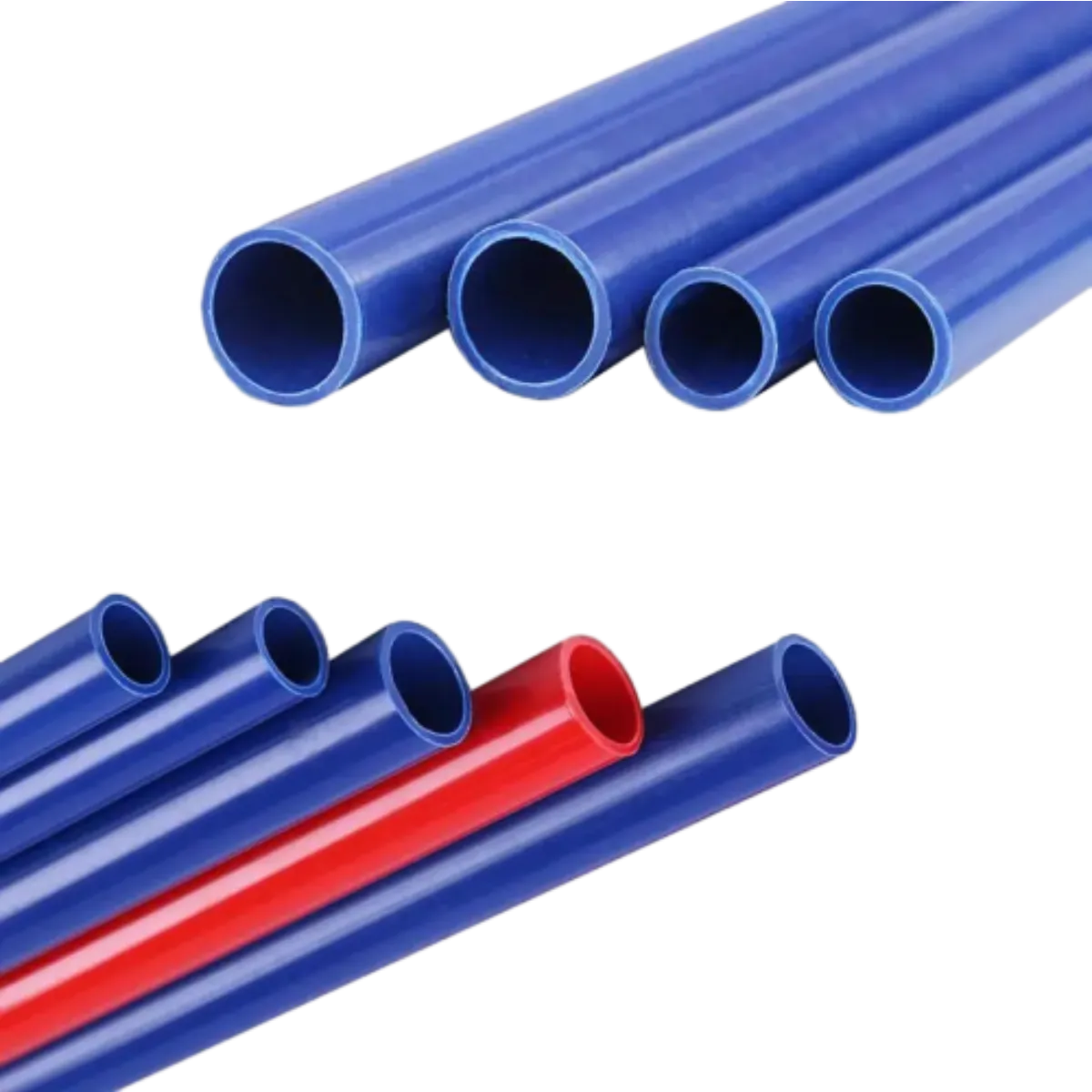
dn25 Polypropylene Random (PPR) hot water pipes represent a critical component in the fluid delivery systems of commercial kitchen facilities. These pipes are specifically engineered for the conveyance of potable hot water, meeting stringent hygiene and temperature resistance requirements. Their 25mm diameter (dn25) makes them suitable for medium-flow applications common in industrial kitchens, such as supplying dishwashers, commercial sinks, and food processing equipment. PPR’s inherent properties – including corrosion resistance, thermal stability, and ease of installation via heat fusion – position it as a preferred material over traditional metallic piping in many modern kitchen construction and renovation projects. This guide provides a detailed technical analysis of dn25 PPR hot water pipes, encompassing material science, manufacturing processes, performance characteristics, potential failure modes, maintenance protocols, and relevant industry standards.
Material Science & Manufacturing
PPR pipes are manufactured from polypropylene random copolymer, a thermoplastic polymer created through the polymerization of propylene monomer. The ‘random’ designation refers to the random distribution of comonomers within the polypropylene chain, which disrupts the crystallinity of the polymer, resulting in increased impact strength and flexibility. The raw material’s key physical properties include a density of approximately 0.905 g/cm³, a tensile strength ranging from 20-30 MPa, and a flexural modulus between 800-1200 MPa. Chemical compatibility is excellent with most potable water solutions and common cleaning agents, but prolonged exposure to strong oxidizing agents or certain organic solvents should be avoided.
The manufacturing process typically involves extrusion. Polypropylene granules are fed into a hopper, then melted and forced through a circular die to form a continuous pipe. Critical process parameters include melt temperature (typically 190-230°C), extrusion pressure, die geometry, and cooling rate. Precise temperature control is crucial to ensure uniform material distribution and prevent degradation. Following extrusion, pipes undergo dimensional calibration, marking (indicating size, material, and manufacturer), and cutting to specified lengths. Quality control measures, including hydrostatic pressure testing, are performed to verify pipe integrity and adherence to specifications. Heat fusion welding, using specialized heating tools, is the predominant joining method. Proper welding technique – including surface preparation, heating time, and fusion pressure – is paramount to achieve a leak-proof and structurally sound joint. Cold welding techniques are also available but are less common in large-scale industrial applications due to lower joint strength.
Performance & Engineering
The performance of dn25 PPR hot water pipes is dictated by several key engineering considerations. Pressure rating is a primary concern, typically ranging from PN16 (1.6 MPa) to PN25 (2.5 MPa) depending on pipe wall thickness and material grade. These ratings are determined through hydrostatic testing according to international standards. Temperature resistance is another critical factor; PPR pipes are generally suitable for continuous operation at temperatures up to 70°C, with short-term exposure to peaks of 95°C. The coefficient of linear expansion for PPR is relatively high (approximately 0.15 mm/m°C), necessitating the incorporation of expansion loops or flexible connectors in long pipe runs to accommodate thermal expansion and contraction and prevent stress buildup. Force analysis under dynamic loading (e.g., water hammer) reveals that PPR exhibits good energy absorption characteristics, mitigating the risk of brittle fracture. The pipe’s smooth internal surface minimizes frictional losses, contributing to energy efficiency in hot water circulation systems. Compliance with potable water regulations (e.g., NSF/ANSI 61) ensures that the material does not leach harmful substances into the water supply. Proper pipe support design is essential to prevent sagging or excessive strain on joints.
Technical Specifications
| Parameter | Unit | Specification (Typical) | Testing Standard |
|---|---|---|---|
| Nominal Diameter | mm | 25 | ISO 15876 |
| Pressure Rating | MPa | 1.6 (PN16) / 2.5 (PN25) | ISO 11671 |
| Maximum Operating Temperature | °C | 70 (Continuous) / 95 (Short-Term) | DIN 1988 |
| Tensile Strength | MPa | 22-32 | ISO 527-2 |
| Elongation at Break | % | >200 | ISO 527-2 |
| Water Absorption | % | <0.5 | ISO 62 |
Failure Mode & Maintenance
Common failure modes in dn25 PPR hot water pipes include fatigue cracking at joints due to repeated thermal cycling and pressure fluctuations, delamination of the pipe wall resulting from UV exposure or material defects, degradation caused by prolonged exposure to high temperatures or aggressive chemicals, and oxidation of the polymer leading to embrittlement. Fatigue cracking is often initiated at weld seams where residual stresses are concentrated. Delamination can occur if the fusion process is inadequate or if the material is contaminated. Degradation is accelerated by exposure to chlorine or other oxidizing agents present in some water treatment systems. Oxidation manifests as discoloration and a decrease in impact strength. Maintenance should focus on preventative measures. Regular visual inspections should be conducted to identify any signs of cracking, discoloration, or leakage. Thermal insulation should be applied to pipes exposed to direct sunlight to minimize UV degradation. Water quality should be monitored to ensure compatibility with PPR material. Periodic flushing of the system can remove sediment buildup that can contribute to corrosion or erosion. In the event of a leak, the damaged section of pipe should be cut out and replaced with a new section using proper heat fusion welding techniques. Avoid using mechanical fittings with PPR pipe whenever possible, as these can create stress concentrations and potential leak points.
Industry FAQ
Q: What are the primary advantages of using PPR over copper piping in a commercial kitchen hot water system?
A: PPR offers several advantages, including lower material cost, ease and speed of installation via heat fusion (reducing labor costs), inherent corrosion resistance eliminating the need for sacrificial anodes or chemical treatment, and lower thermal conductivity resulting in reduced heat loss. While copper offers higher temperature resistance, PPR is generally sufficient for the temperature ranges typically encountered in commercial kitchen hot water applications.
Q: How does water quality impact the long-term performance of PPR pipes?
A: Aggressive water chemistry, particularly high chlorine content or low pH, can accelerate the degradation of PPR. Regular water quality testing is crucial. Consideration should be given to water softening or pH adjustment if the water is highly corrosive. Avoid exposing PPR pipes to strong oxidizing agents or organic solvents.
Q: What are the critical factors to consider during heat fusion welding of PPR pipes?
A: Surface preparation (cleaning and deburring), proper heating temperature and duration, adequate fusion pressure, and alignment of the pipe and fitting are all critical. Using a calibrated welding tool and following the manufacturer’s instructions is essential to ensure a strong, leak-proof joint.
Q: How should PPR pipe systems be supported to prevent sagging or stress on joints?
A: PPR pipes should be supported at intervals recommended by the manufacturer, typically every 500-800mm. Use appropriate pipe supports that distribute the load evenly and prevent localized stress concentrations. Avoid rigid supports that restrict thermal expansion and contraction. Incorporate expansion loops or flexible connectors in long pipe runs.
Q: What certifications should I look for when sourcing dn25 PPR hot water pipes?
A: Look for pipes that are certified to relevant international standards such as DIN 1988, ISO 15876, NSF/ANSI 61 (for potable water safety), and KIWA or DVGW (European standards for drinking water installations). Certification verifies that the pipes have been independently tested and meet specified performance and safety requirements.
Conclusion
dn25 PPR hot water pipes represent a reliable and cost-effective solution for hot water distribution in commercial kitchen environments. Their inherent properties, coupled with proper installation and maintenance, ensure long-term performance and compliance with industry regulations. Understanding the material science, manufacturing processes, and potential failure modes is essential for engineers and procurement managers to make informed decisions and optimize system design.
The future of PPR piping technology is likely to focus on the development of enhanced material formulations with improved temperature resistance and UV stability. Integration with smart monitoring systems to detect leaks and monitor water quality is also anticipated. Continued adherence to rigorous quality control standards and compliance with evolving industry regulations will be crucial to maintain the integrity and safety of PPR piping systems in critical applications like commercial kitchens.
-
DN25 HDPE Compression Fitting-HORON INTERNATIONAL|Reliable Irrigation Solutions
NewsFeb.11,2026
-
china 90mm pvc pipe Performance Analysis
News2026-06-15
-
china ppr polypropylene pipe Technical Analysis
News2026-06-15
-
china hdpe pipe sizes and prices Performance Analysis
News2026-06-15
-
china hdpe quick coupling Performance Analysis
News2026-06-15
-
china ppr water line Performance Analysis
News2026-06-15
-
china 4 hdpe to pvc coupling Performance Analysis
News2026-06-14
-
china dn500 Ductile Iron Pipe Performance Analysis
News2026-06-14
-
china hdpe corrugated pipe Performance Analysis
News2026-06-14
-
china pvc pipe dimensions Technical Analysis
News2026-06-14
-
china perforated pvc pipe for drainage Performance Analysis
News2026-06-14
-
china 2.5 pvc pipe Performance Analysis
News2026-06-13
-
china ppr pipe coupling Performance Analysis
News2026-06-13
-
china hdpe pipe used for Performance Analysis
News2026-06-13
-
china 300mm pvc pipe Performance Analysis
News2026-06-13
-
china ppr pipe 40mm Performance Analysis
News2026-06-13