

Feb . 11, 2026 00:01 Back to list
wholesale wet pipes under sink Material Science

Introduction
Wholesale wet pipes, specifically those installed under sinks, represent a critical component within residential and commercial plumbing systems. These systems are responsible for draining wastewater from sinks, dishwashers, washing machines, and other fixtures. The technical position of these pipes lies within the broader category of drain-waste-vent (DWV) systems, governed by stringent building codes and materials standards. Core performance characteristics include hydraulic capacity (flow rate and velocity), leak-proof integrity under static and dynamic pressures, resistance to chemical degradation from common household cleaning agents, and durability over a projected service life. The current industry faces pain points relating to material cost fluctuations (particularly PVC and ABS), ensuring consistent dimensional accuracy for ease of installation, and maintaining compliance with evolving environmental regulations concerning waste discharge and material recyclability. Furthermore, the rise of low-flow fixtures necessitates optimized pipe sizing to prevent slow drainage and potential blockages.
Material Science & Manufacturing
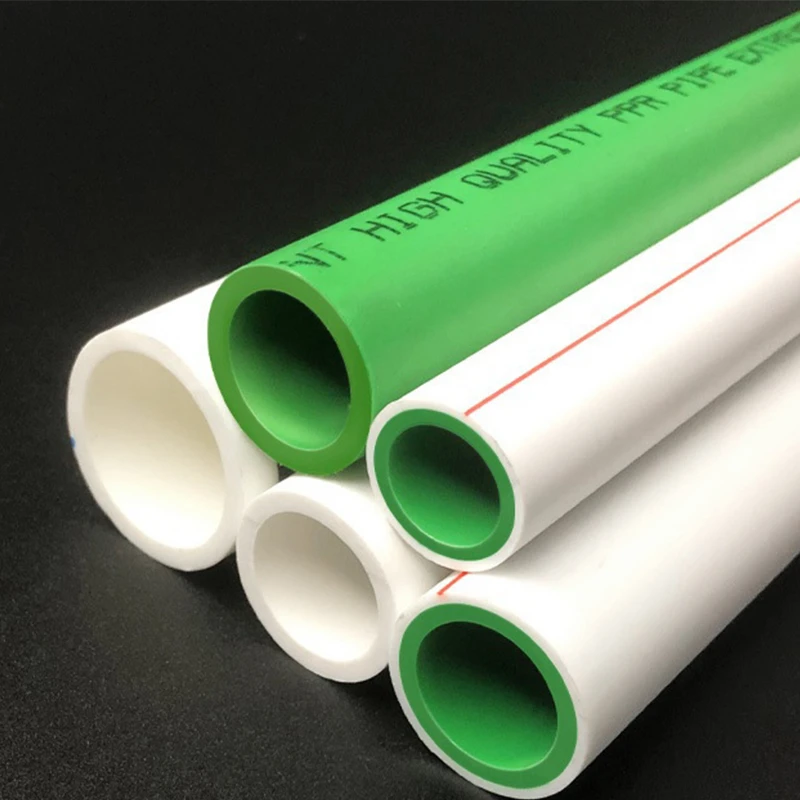
The predominant materials used in wholesale wet pipe manufacturing under sinks are Polyvinyl Chloride (PVC), Acrylonitrile Butadiene Styrene (ABS), and, less commonly, Polypropylene (PP). PVC, characterized by its amorphous structure, offers excellent chemical resistance to acids, alkalis, and many solvents. Its tensile strength typically ranges from 50-70 MPa, and its modulus of elasticity is around 3-4 GPa. Manufacturing involves extrusion, where PVC resin, plasticizers (like phthalates or DINP for flexibility), stabilizers (to prevent thermal degradation), and lubricants are melted and forced through a die to create pipes of specific diameters and wall thicknesses. Critical parameters during extrusion include melt temperature (180-210°C), die pressure, and cooling rate – impacting pipe ovality and surface finish. ABS, a terpolymer, exhibits higher impact resistance than PVC but is less resistant to certain solvents. Its tensile strength is around 40-60 MPa. ABS pipe production also relies on extrusion, with key parameters including cylinder temperature zoning and screw speed control. PP offers improved temperature resistance compared to PVC and ABS, useful in applications where hot water drainage is prevalent, but it can be more challenging to bond effectively. Jointing methods vary: solvent welding (for PVC and ABS, relying on chemical bonding of the pipe and fitting surfaces), threaded connections (often for smaller diameter pipes), and compression fittings. The quality of these joints is paramount to prevent leaks; therefore, strict quality control measures regarding solvent application, thread engagement, and compression force are required.
Performance & Engineering
The performance of under-sink wet pipes is dictated by hydraulic principles and mechanical stress analysis. Force analysis must consider static head pressure (from the water column), dynamic pressures resulting from water hammer (sudden changes in flow velocity), and external loads (e.g., weight of fixtures, accidental impact). Pipe sizing is crucial to maintain adequate flow velocity (typically 2-4 ft/s) to prevent sediment deposition and ensure efficient drainage. The Hazen-Williams equation is commonly used to calculate friction losses within the pipe. Environmental resistance includes resistance to temperature fluctuations (thermal expansion and contraction), UV degradation (if exposed to sunlight), and chemical attack from drain cleaners (sodium hydroxide, sulfuric acid). Compliance requirements are primarily governed by local plumbing codes, often referencing standards like ASTM D2661 (for PVC pipe) and ASTM D3953 (for ABS pipe). These standards specify requirements for dimensions, material properties, hydrostatic pressure testing, and marking. The slope of the drain line is a critical engineering parameter; a minimum slope of 1/4 inch per foot is generally recommended to ensure gravity drainage. Improper slope can lead to standing water, bacterial growth, and potential blockages. Support systems (hangers and straps) must be designed to adequately support the pipe’s weight and resist vibrations and movements.
Technical Specifications
| Parameter | PVC (Schedule 40) | ABS (Schedule 40) | Polypropylene (PP) |
|---|---|---|---|
| Material Density (g/cm³) | 1.40 | 1.04-1.07 | 0.90-0.91 |
| Tensile Strength (MPa) | 55-70 | 40-60 | 60-80 |
| Modulus of Elasticity (GPa) | 3.0-4.0 | 2.0-3.0 | 1.5-2.5 |
| Water Absorption (% after 24h) | <0.1 | 0.5-1.0 | <0.1 |
| Chemical Resistance | Excellent (acids, alkalis) | Good (limited solvent resistance) | Very Good (high temp resistance) |
| Operating Temperature (°C) | 0-60 | -40-80 | 0-95 |
Failure Mode & Maintenance
Common failure modes in under-sink wet pipes include cracking (induced by stress concentrations, impact damage, or freezing temperatures), joint failure (resulting from improper solvent welding, loose threaded connections, or failed compression fittings), and chemical degradation (leading to embrittlement and leaks). Fatigue cracking can occur due to repeated thermal cycling or vibrations. Delamination can occur in inferior quality PVC pipes with inadequate compounding. Oxidation, particularly in ABS pipes exposed to UV light, can lead to loss of impact resistance. Blockages are frequently caused by grease, hair, soap scum, and other debris. Preventative maintenance involves regular flushing with hot water, avoiding the disposal of grease and solid waste down the drain, and inspecting joints for leaks. For minor cracks, epoxy-based repair compounds can provide temporary sealing, but complete replacement is often the most reliable long-term solution. If joint failures occur, re-solvent welding (for PVC/ABS) or tightening/replacing compression fittings are necessary. Routine visual inspection and prompt attention to minor issues can significantly extend the service life of the piping system. A common, often overlooked failure mode is related to improper support, leading to sagging and stress on the joints.
Industry FAQ
Q: What is the primary difference between PVC and ABS piping in terms of installation and long-term reliability for under-sink applications?
A: ABS is generally easier to cut and install due to its lower hardness compared to PVC. However, PVC typically exhibits superior long-term chemical resistance and is less susceptible to softening or degradation from common household chemicals. While both materials are durable, PVC’s resistance to solvents makes it a preferred choice where exposure to these substances is likely. ABS also tends to be more brittle at lower temperatures, making it more vulnerable to cracking in colder climates.
Q: How does pipe diameter affect drainage performance, and what are the common sizing guidelines?
A: Pipe diameter directly impacts flow velocity and capacity. Smaller diameters can lead to slower drainage and increased risk of blockages, while excessively large diameters may result in reduced flow velocity and sediment deposition. Common sizing guidelines are based on the fixture unit (FU) load, which considers the number and type of fixtures connected to the drain line. Generally, 1.5-inch diameter pipes are suitable for single sinks, while 2-inch diameter pipes may be required for multiple fixtures or longer drain runs.
Q: What are the common causes of leaks at solvent-welded joints, and how can they be prevented?
A: Leaks at solvent-welded joints are often caused by insufficient solvent application, improper pipe/fitting alignment, inadequate drying time, or contamination of the surfaces being bonded. To prevent leaks, ensure that both the pipe and fitting surfaces are clean and dry, apply a generous and even coat of primer and solvent, insert the pipe fully into the fitting, and allow sufficient drying time (typically 24 hours) before subjecting the joint to pressure. Using appropriate solvent for the specific pipe material is also critical.
Q: What is the impact of water hammer on under-sink piping, and how can it be mitigated?
A: Water hammer, caused by the sudden stoppage of water flow, creates pressure surges that can damage pipes and joints. This is particularly problematic with fast-acting solenoid valves in appliances like dishwashers and washing machines. Mitigation strategies include installing water hammer arrestors (air chambers or spring-loaded devices) near the fixture, ensuring proper pipe support to prevent movement, and using slow-closing valves.
Q: Are there any emerging sustainable alternatives to traditional PVC and ABS piping?
A: While PVC and ABS remain dominant, there's growing interest in sustainable alternatives like CPVC (Chlorinated Polyvinyl Chloride) offering improved temperature resistance, and pipes made from recycled plastics. However, these alternatives often come with higher costs or limitations in availability. Research into bio-based plastics for drain piping is ongoing, but widespread adoption is still limited by performance and cost considerations. Focusing on extending the lifespan of existing systems through preventative maintenance is also a key sustainability strategy.
Conclusion
Wholesale wet pipes installed under sinks are essential components of modern plumbing infrastructure, requiring careful material selection, precise manufacturing processes, and meticulous installation practices. Understanding the material properties of PVC, ABS, and PP, along with the underlying hydraulic and mechanical principles governing their performance, is crucial for ensuring long-term reliability and preventing costly failures. Addressing the industry’s challenges concerning cost, compliance, and sustainability requires continued innovation in materials and manufacturing techniques.
Effective maintenance practices, including regular inspections and prompt repair of minor issues, are equally important in maximizing the service life of these systems. As plumbing codes evolve and environmental regulations become more stringent, staying abreast of the latest standards and adopting best practices will be paramount for manufacturers, installers, and end-users alike. The optimization of pipe sizing, supported by accurate hydraulic calculations, will continue to be a critical factor in achieving efficient and trouble-free drainage.
-
DN25 HDPE Compression Fitting-HORON INTERNATIONAL|Reliable Irrigation Solutions
NewsFeb.11,2026
-
hdpe coupling joint product Manufacturing Analysis
News2026-11-18
-
ppr pipe heating time products Performance Analysis
News2026-11-16
-
hdpe pipe sizes factory Performance Analysis
News2026-11-09
-
HDPE Pipe Sizes Service Performance Analysis
News2026-10-26
-
wholesale 15mm ppr pipe Material Science and Performance Analysis
News2026-10-20
-
wholesale pvc pipe price per foot Technical Analysis
News2026-09-21
-
wholesale long pvc pipe Technical Analysis and Manufacturing Specifications
News2026-09-15
-
wholesale plumbing kitchen sink water lines Material Performance
News2026-09-15
-
wholesale hdpe drip irrigation Material Science
News2026-09-15
-
wholesale hot water ppr pipe Performance Analysis
News2026-09-15
-
wholesale ppr plumbing Performance Analysis
News2026-09-15
-
wholesale ppr pipe supplier Performance Analysis
News2026-09-13
-
wholesale 50mm ppr pipe Performance Analysis
News2026-09-13
-
wholesale hdpe drip pipe Performance Analysis
News2026-09-13
-
wholesale hdpe pipe 63mm price Manufacturing Specification and Performance Analysis
News2026-09-13