

Feb . 11, 2026 00:01 Back to list
wholesale water pipe in kitchen Material Performance
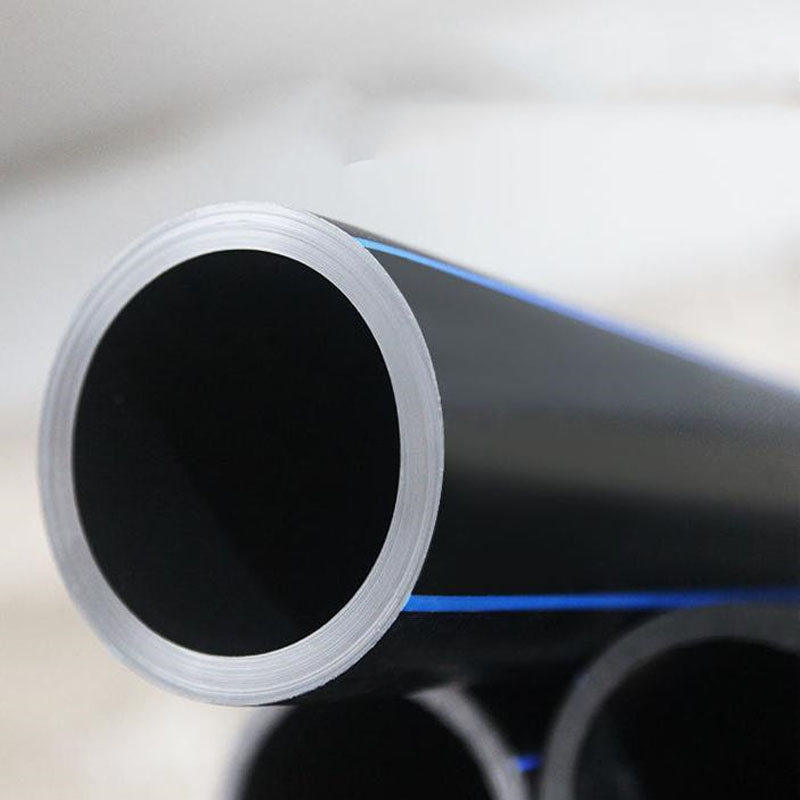
Introduction
Wholesale water pipes for kitchen applications represent a critical component of residential and commercial plumbing infrastructure. These pipes facilitate the delivery of potable water and the removal of wastewater, directly impacting public health and sanitation. The industry faces escalating demands for materials that exhibit long-term durability, corrosion resistance, and compliance with stringent water quality regulations. Polyvinyl Chloride (PVC), Cross-linked Polyethylene (PEX), Copper, and Chlorinated Polyvinyl Chloride (CPVC) are the predominant materials used. This guide provides a comprehensive technical overview of wholesale kitchen water pipes, encompassing material science, manufacturing processes, performance characteristics, potential failure modes, and relevant industry standards. Core industry pain points include maintaining consistent material quality across large-scale production runs, minimizing the risk of leaching contaminants into the water supply, and optimizing installation practices to prevent long-term joint failures. The selection of the appropriate piping material and installation method is paramount to ensuring a safe, reliable, and cost-effective plumbing system.
Material Science & Manufacturing
The most common materials utilized in wholesale kitchen water pipes each possess unique physical and chemical properties. PVC, composed of vinyl chloride monomers, is characterized by its high tensile strength (typically 60-75 MPa) and inherent resistance to many acids and alkalis. However, PVC’s performance is temperature-sensitive, becoming brittle at lower temperatures and susceptible to degradation with prolonged UV exposure. Manufacturing involves polymerization of vinyl chloride followed by extrusion or injection molding. Critical parameters include maintaining consistent monomer purity and controlling extrusion temperatures to achieve desired pipe dimensions and wall thickness. PEX, a cross-linked polyethylene, offers enhanced flexibility and impact resistance compared to PVC. Cross-linking, achieved through chemical or radiation methods, significantly increases the material’s thermal stability and creep resistance. Manufacturing focuses on precise control of the cross-linking density, which directly influences the pipe's long-term performance. Copper pipes, prized for their antimicrobial properties and durability, are manufactured through extrusion or drawing. Maintaining consistent copper alloy composition (typically 99.9% pure copper) is essential to ensure optimal corrosion resistance. CPVC, a chlorinated variant of PVC, exhibits improved temperature resistance, making it suitable for hot water applications. The chlorination process increases the material's glass transition temperature, enhancing its high-temperature performance. Precise control of the chlorination degree is vital, as excessive chlorination can lead to brittleness. Jointing methods – solvent welding for PVC/CPVC, crimping or expansion for PEX, and soldering/press-fit for copper – are equally critical to overall system integrity, requiring skilled labor and adherence to established procedures.
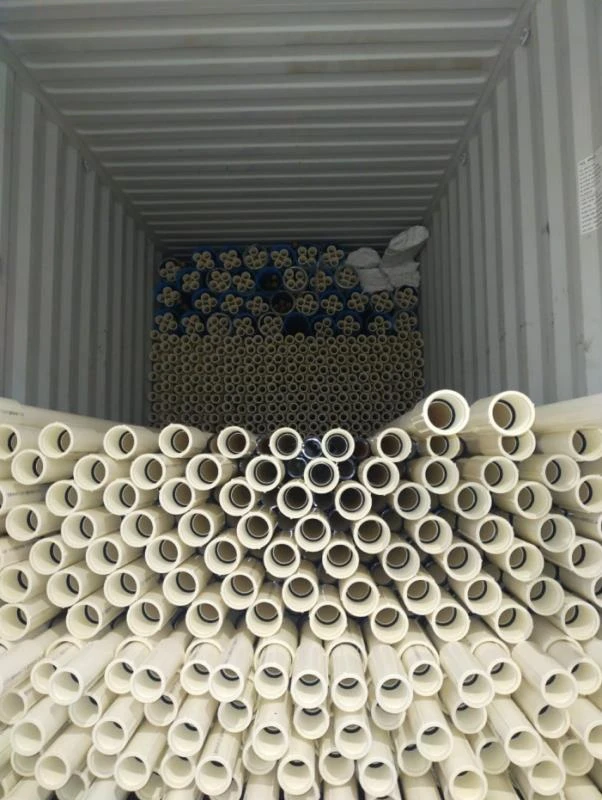
Performance & Engineering
The performance of wholesale kitchen water pipes is governed by a complex interplay of internal pressure, external loads, and environmental factors. Hydrostatic pressure testing, conducted according to ASTM D1785, verifies the pipe's ability to withstand sustained internal pressure without failure. Burst pressure, a critical safety parameter, is typically several times the operating pressure. Engineering calculations must account for water hammer – the sudden pressure surge caused by rapid valve closure – which can induce significant stress on the piping system. Material selection must consider the corrosivity of the water supply. Galvanic corrosion, a concern with copper pipes in contact with dissimilar metals, requires the use of dielectric unions. The coefficient of thermal expansion varies significantly between materials: PEX exhibits the highest expansion, followed by PVC/CPVC, while copper has the lowest. This necessitates careful consideration of expansion loops and support structures to prevent stress build-up and potential joint failures. Compliance with plumbing codes, such as the Uniform Plumbing Code (UPC) and the International Plumbing Code (IPC), is mandatory. These codes specify minimum pipe sizes, material requirements, and installation procedures to ensure public health and safety. Furthermore, long-term creep resistance – the tendency of a material to deform under sustained stress – is a critical performance parameter, particularly for PEX pipes subjected to continuous hot water exposure. Finite element analysis (FEA) is frequently employed to optimize pipe design and assess stress distribution under various loading conditions.
Technical Specifications
| Material | Tensile Strength (MPa) | Burst Pressure (MPa) | Operating Temperature (°C) | Coefficient of Thermal Expansion (x10^-6 /°C) | Hydrostatic Design Stress (MPa) |
|---|---|---|---|---|---|
| PVC | 60-75 | 8.3-10.3 | 0-60 | 80 | 4.1 |
| CPVC | 65-80 | 10.3-13.8 | 0-93 | 70 | 6.9 |
| PEX | 40-50 | 6.2-8.3 | -40-100 | 180 | 3.1 |
| Copper (Type L) | 220-275 | 34.5-48.3 | -50-120 | 17 | 13.8 |
| PEX-AL-PEX | 55-65 | 7.6-9.6 | -40-110 | 120 | 3.8 |
| HDPE | 30-40 | 5.5-6.9 | -60-60 | 150 | 2.7 |
Failure Mode & Maintenance
Wholesale kitchen water pipes are susceptible to several failure modes. PVC and CPVC pipes can experience brittle fracture due to impact damage or prolonged UV exposure. Stress cracking, induced by sustained tensile stress in the presence of certain chemicals, is another potential failure mechanism. PEX pipes can exhibit creep rupture at elevated temperatures and pressures, particularly if the cross-linking density is insufficient. Copper pipes are prone to pitting corrosion, especially in areas with acidic water. Joint failures are a common issue, stemming from improper solvent welding (PVC/CPVC), inadequate crimping (PEX), or poorly executed soldering (copper). Regular maintenance, including visual inspection for leaks, corrosion, and physical damage, is crucial. Water quality testing should be performed periodically to identify and address any corrosive elements. For copper pipes, sacrificial anodes can be installed to mitigate galvanic corrosion. PEX pipes should be protected from direct sunlight to prevent UV degradation. Properly sized expansion loops and support structures are essential to minimize stress on the piping system. In cases of suspected stress cracking in PVC/CPVC, the affected section should be replaced. If water quality is highly corrosive, a water softener or filtration system may be necessary to protect the piping infrastructure. Preventative maintenance schedules should be implemented to proactively address potential issues and extend the lifespan of the plumbing system.
Industry FAQ
Q: What are the key differences between PEX and Copper in terms of long-term cost and lifespan?
A: While copper historically boasts a longer lifespan (70+ years) with proper maintenance, PEX is rapidly closing the gap (50+ years). Initial material costs are significantly higher for copper. Installation labor is also more expensive due to soldering requirements. PEX offers lower material costs and faster, less-skilled installation. Long-term maintenance costs can be comparable, although copper may require more frequent attention to corrosion prevention. The total cost of ownership often favors PEX, especially for large-scale projects.
Q: How does water hardness impact the performance of different pipe materials?
A: High water hardness (high mineral content) primarily affects copper pipes, promoting scale buildup inside the pipe. Scale reduces flow capacity and can contribute to pitting corrosion. PVC, CPVC and PEX are largely unaffected by water hardness. However, scale buildup in any piping system can reduce flow rates and necessitate cleaning or replacement.
Q: What are the limitations of using PVC pipes for hot water distribution?
A: PVC’s temperature limitations are its primary drawback for hot water applications. It softens and can deform at temperatures exceeding 60°C (140°F). This deformation can lead to leaks and system failure. CPVC is the preferred choice for hot water distribution due to its superior temperature resistance.
Q: What steps should be taken to mitigate the risk of galvanic corrosion when using copper pipes?
A: The most effective method is to avoid direct contact between copper and dissimilar metals (e.g., steel, galvanized iron). Dielectric unions, which electrically isolate the two metals, should be installed. Ensuring proper grounding of the plumbing system can also minimize galvanic corrosion.
Q: What is the impact of UV exposure on the lifespan of plastic pipes, and how can it be minimized?
A: UV radiation degrades plastic polymers, causing them to become brittle and lose their mechanical properties. PVC and PEX are particularly susceptible. Minimizing UV exposure involves using UV-resistant pipe formulations, shielding pipes from direct sunlight (e.g., by burying them or painting them), and storing pipes indoors until installation.
Conclusion
The selection of wholesale water pipe for kitchen applications requires careful consideration of material properties, manufacturing processes, performance characteristics, and potential failure modes. While copper has historically been the standard, advancements in polymer technology have positioned PEX and CPVC as viable and often more cost-effective alternatives. Understanding the specific demands of the application – including water quality, operating temperature, and pressure requirements – is crucial for ensuring a safe, reliable, and long-lasting plumbing system. The industry’s continued focus on material innovation and adherence to stringent quality control measures will be paramount in addressing the evolving challenges of water distribution.
Future developments are likely to focus on enhancing the sustainability of water pipe materials, exploring bio-based polymers and recyclable options. Advancements in non-destructive testing methods will enable more accurate assessment of pipe integrity and prevent premature failures. Furthermore, the integration of smart plumbing technologies, such as leak detection sensors and remote monitoring systems, will contribute to improved water conservation and proactive maintenance. A holistic approach, encompassing material science, engineering design, and diligent maintenance practices, is essential for ensuring the long-term performance and safety of wholesale water pipe systems.
-
DN25 HDPE Compression Fitting-HORON INTERNATIONAL|Reliable Irrigation Solutions
NewsFeb.11,2026
-
hdpe coupling joint product Manufacturing Analysis
News2026-11-18
-
ppr pipe heating time products Performance Analysis
News2026-11-16
-
hdpe pipe sizes factory Performance Analysis
News2026-11-09
-
HDPE Pipe Sizes Service Performance Analysis
News2026-10-26
-
wholesale 15mm ppr pipe Material Science and Performance Analysis
News2026-10-20
-
wholesale pvc pipe price per foot Technical Analysis
News2026-09-21
-
wholesale long pvc pipe Technical Analysis and Manufacturing Specifications
News2026-09-15
-
wholesale plumbing kitchen sink water lines Material Performance
News2026-09-15
-
wholesale hdpe drip irrigation Material Science
News2026-09-15
-
wholesale hot water ppr pipe Performance Analysis
News2026-09-15
-
wholesale ppr plumbing Performance Analysis
News2026-09-15
-
wholesale ppr pipe supplier Performance Analysis
News2026-09-13
-
wholesale 50mm ppr pipe Performance Analysis
News2026-09-13
-
wholesale hdpe drip pipe Performance Analysis
News2026-09-13
-
wholesale hdpe pipe 63mm price Manufacturing Specification and Performance Analysis
News2026-09-13