

Feb . 11, 2026 00:01 Back to list
wholesale upvc submersible column pipes Performance Analysis
Introduction
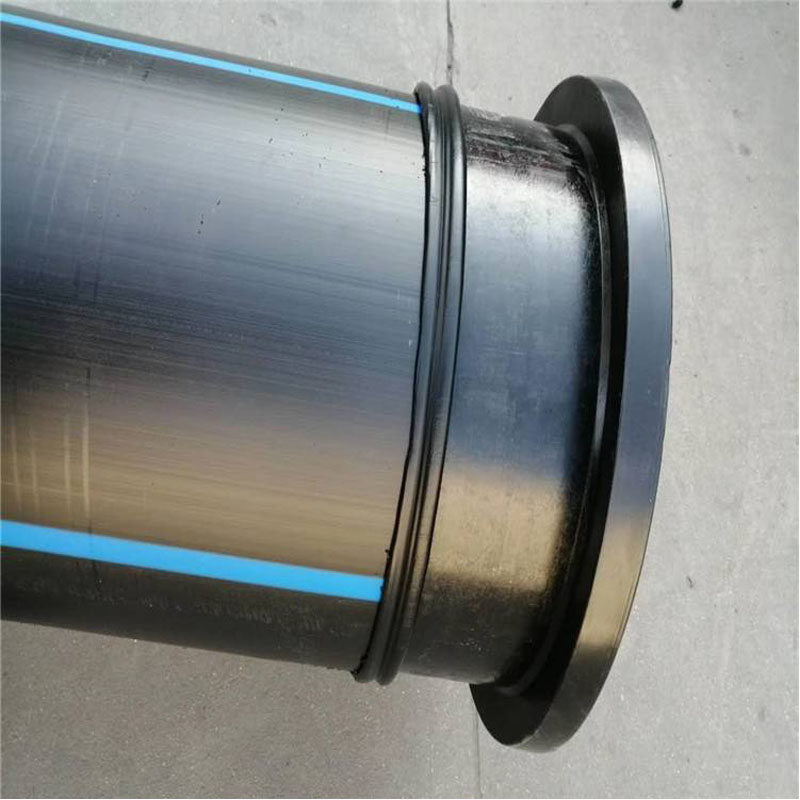
UPVC submersible column pipes are engineered vertical piping systems utilized primarily in water well applications, borehole construction, and submersible pump installations. They serve as a conduit for delivering water from the well casing to the surface, providing structural support for the pump and electrical cable. These pipes occupy a critical position in the water extraction industry, bridging the gap between subsurface aquifers and surface-level distribution systems. Core performance characteristics include pressure resistance, tensile strength, chemical inertness, and long-term durability in aggressive subterranean environments. The increasing demand for reliable and cost-effective water sourcing drives the continued development and refinement of UPVC column pipe technology. A key industry pain point is balancing cost with long-term performance and mitigating the risk of collapse or joint failure under sustained hydrostatic pressure and cyclical loading.
Material Science & Manufacturing
UPVC (Unplasticized Polyvinyl Chloride) is the foundational material for these pipes, chosen for its inherent rigidity, chemical resistance, and affordability. The raw material is a thermoplastic polymer produced by the polymerization of vinyl chloride monomer. Critical material properties include a tensile modulus of approximately 3-4 GPa, a flexural modulus of 3-5 GPa, and a long-term hydrostatic pressure rating dependent on temperature and pipe wall thickness. Manufacturing typically employs extrusion processes. PVC resin is mixed with stabilizers (often based on calcium-zinc formulations to avoid lead-based stabilizers), lubricants, and impact modifiers, then fed into an extruder. The extruded profile is subsequently cooled, calibrated to the desired dimensions, and cut to length. Jointing methods are crucial. Solvent cementing is common, relying on the chemical bonding of the UPVC material with a specialized solvent adhesive. Threaded joints are also utilized, requiring precise machining of the pipe ends. Critical parameters during extrusion include maintaining consistent melt temperature (typically 180-210°C), controlling the screw speed to ensure adequate mixing and homogenization, and precise calibration to achieve dimensional accuracy. Process control is vital to minimize residual stresses and prevent premature failure.
Performance & Engineering
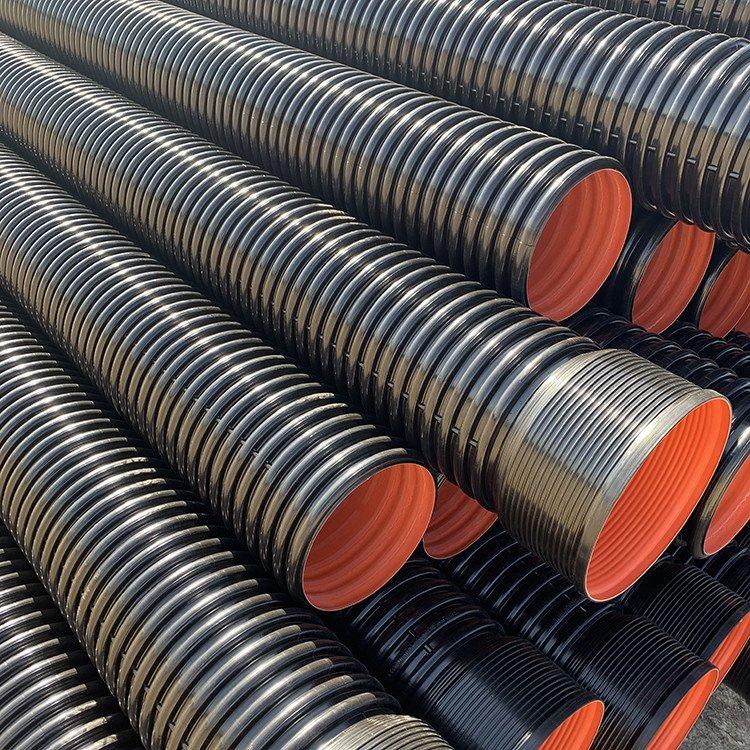
The performance of UPVC submersible column pipes is primarily governed by hydrostatic pressure, tensile stress (from the weight of the water column and the pump assembly), and cyclical loading induced by pump operation. Force analysis requires consideration of Poisson's ratio (approximately 0.35 for UPVC) to accurately calculate stresses in all directions. Environmental resistance is paramount. Long-term exposure to groundwater can lead to slow creep deformation and potential cracking, especially at elevated temperatures. UV exposure, while typically minimal in submerged applications, can contribute to surface degradation if the pipe is exposed during installation or maintenance. Compliance requirements vary regionally but generally adhere to standards pertaining to potable water contact, such as NSF/ANSI 61. Engineering considerations include the selection of appropriate wall thickness based on the maximum static and dynamic head pressure, the implementation of stress relief features at joints to minimize localized stress concentrations, and the use of appropriate lifting and handling procedures to prevent mechanical damage during installation. Finite element analysis (FEA) is increasingly used to optimize pipe geometry and assess structural integrity under various loading conditions. Corrosion resistance is a significant advantage of UPVC, eliminating the need for costly corrosion protection measures required with metallic piping systems.
Technical Specifications
| Nominal Diameter (mm) | Wall Thickness (mm) | Pressure Rating (bar) @ 20°C | Tensile Strength (MPa) |
|---|---|---|---|
| 50 | 3.0 | 80 | 60 |
| 100 | 4.0 | 60 | 70 |
| 125 | 5.0 | 50 | 75 |
| 150 | 6.0 | 40 | 80 |
| 200 | 7.0 | 30 | 85 |
| 250 | 8.0 | 25 | 90 |
Failure Mode & Maintenance
Common failure modes for UPVC submersible column pipes include longitudinal cracking due to tensile overload or creep, joint failure resulting from improper solvent cementing or thread damage, and impact damage during handling or installation. Fatigue cracking can occur under cyclical loading, particularly at stress concentrations around fittings or imperfections. Degradation from prolonged exposure to aggressive chemicals in groundwater (e.g., sulfates, chlorides) can lead to embrittlement and reduced pressure resistance. Oxidation, although slower in UPVC compared to some other polymers, can occur at elevated temperatures. Failure analysis often involves visual inspection for cracks or deformation, pressure testing to identify leaks, and material testing to assess mechanical properties. Preventative maintenance includes regular inspection of joints for signs of leakage or separation, periodic cleaning to remove debris that could contribute to corrosion or abrasion, and proper support of the pipe string to minimize bending stresses. Replacement of damaged sections is typically the most effective repair strategy, requiring careful solvent cementing or thread re-engagement to ensure a watertight seal. Avoid exceeding the specified pressure rating and operating temperature limits to prevent premature failure. Proper handling procedures are vital during installation to prevent physical damage.
Industry FAQ
Q: What is the impact of water hammer on UPVC column pipes, and how can it be mitigated?
A: Water hammer, caused by the sudden stopping or reversal of water flow, generates pressure surges that can exceed the pipe's pressure rating, leading to cracking or joint failure. Mitigation strategies include the use of surge suppressors (air chambers or pressure relief valves), slow-closing valves, and careful pump control to avoid abrupt starts and stops. Proper pipe anchoring and support also help to absorb shock loads.
Q: How does temperature affect the long-term performance of UPVC column pipes?
A: Elevated temperatures accelerate creep deformation and reduce the long-term hydrostatic pressure rating of UPVC. Prolonged exposure to temperatures above 60°C can significantly shorten the pipe's service life. Lower temperatures can increase brittleness, making the pipe more susceptible to impact damage. Maintaining the operating temperature within the specified range is crucial.
Q: What are the advantages of solvent-cemented joints versus threaded joints in UPVC column pipe systems?
A: Solvent-cemented joints provide a homogenous bond, creating a stronger and more leak-proof connection than threaded joints. They also eliminate the risk of thread stripping or corrosion. However, solvent cementing requires careful surface preparation and application to ensure a proper bond. Threaded joints are easier to disassemble for maintenance but are more prone to leakage and require periodic tightening.
Q: What is the role of stabilizers in UPVC pipe manufacturing, and what types are commonly used?
A: Stabilizers prevent the degradation of PVC during processing and use, particularly from heat and UV exposure. Common stabilizers include calcium-zinc stabilizers (preferred due to environmental concerns), organotin stabilizers (highly effective but increasingly restricted), and barium-zinc stabilizers. The choice of stabilizer affects the pipe's thermal stability, color, and long-term performance.
Q: What testing methods are used to ensure the quality and performance of UPVC submersible column pipes?
A: Common testing methods include hydrostatic pressure testing to verify burst pressure, tensile testing to measure mechanical strength, impact testing to assess toughness, and chemical resistance testing to evaluate compatibility with various water compositions. Dimensional accuracy is checked using calipers and other precision measuring instruments. Accelerated aging tests are used to predict long-term performance.
Conclusion
UPVC submersible column pipes represent a cost-effective and reliable solution for water extraction applications, provided careful attention is paid to material selection, manufacturing quality, and installation procedures. Understanding the material properties of UPVC, the manufacturing processes involved, and the potential failure modes is essential for ensuring long-term performance and minimizing maintenance costs. A robust understanding of hydrostatic pressure, tensile forces, and environmental factors dictates the design and implementation of a successful system.
Future development will likely focus on enhancing the creep resistance of UPVC formulations, exploring the use of advanced composite materials to improve strength-to-weight ratios, and integrating smart monitoring systems to detect early signs of failure. The continued optimization of manufacturing processes and quality control measures will further enhance the reliability and durability of these critical components of water infrastructure.
-
DN25 HDPE Compression Fitting-HORON INTERNATIONAL|Reliable Irrigation Solutions
NewsFeb.11,2026
-
hdpe coupling joint product Manufacturing Analysis
News2026-11-18
-
ppr pipe heating time products Performance Analysis
News2026-11-16
-
hdpe pipe sizes factory Performance Analysis
News2026-11-09
-
HDPE Pipe Sizes Service Performance Analysis
News2026-10-26
-
wholesale 15mm ppr pipe Material Science and Performance Analysis
News2026-10-20
-
wholesale pvc pipe price per foot Technical Analysis
News2026-09-21
-
wholesale long pvc pipe Technical Analysis and Manufacturing Specifications
News2026-09-15
-
wholesale plumbing kitchen sink water lines Material Performance
News2026-09-15
-
wholesale hdpe drip irrigation Material Science
News2026-09-15
-
wholesale hot water ppr pipe Performance Analysis
News2026-09-15
-
wholesale ppr plumbing Performance Analysis
News2026-09-15
-
wholesale ppr pipe supplier Performance Analysis
News2026-09-13
-
wholesale 50mm ppr pipe Performance Analysis
News2026-09-13
-
wholesale hdpe drip pipe Performance Analysis
News2026-09-13
-
wholesale hdpe pipe 63mm price Manufacturing Specification and Performance Analysis
News2026-09-13