

Feb . 11, 2026 00:01 Back to list
wholesale upvc column pipes Performance and Engineering
Introduction
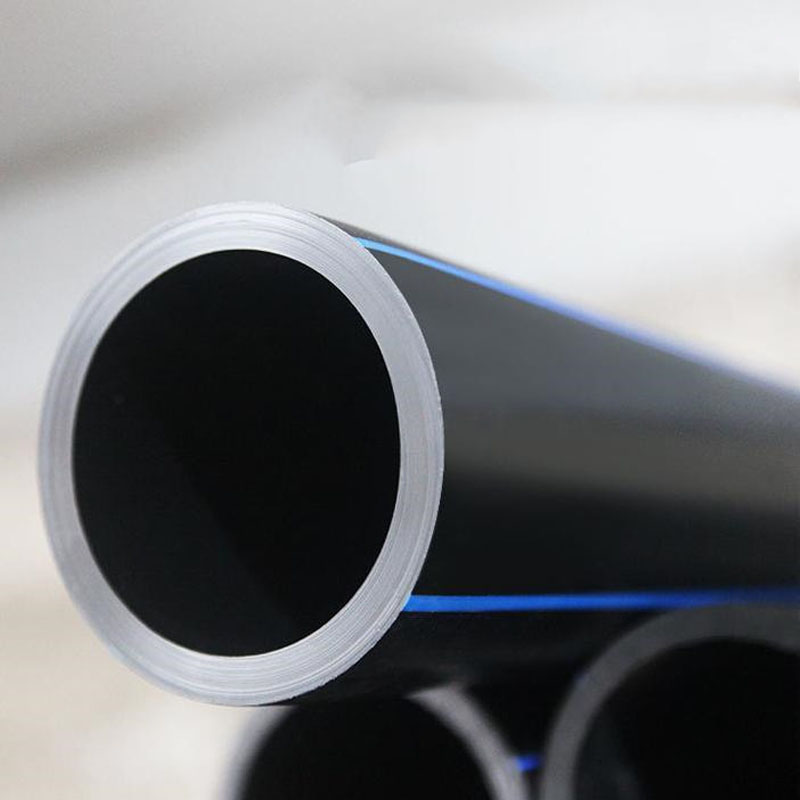
Unplasticized Polyvinyl Chloride (UPVC) column pipes represent a significant component in modern infrastructure, utilized extensively in water supply, drainage, ventilation, and increasingly, structural applications. These pipes are distinguished by their robust mechanical properties, chemical inertness, and cost-effectiveness compared to traditional materials like concrete, steel, or ductile iron. Their position within the construction supply chain is fundamental, acting as a critical conduit for essential services. Core performance characteristics center around pressure resistance, long-term durability, and resistance to environmental degradation, making them a preferred solution for both residential and large-scale industrial projects. A major industry pain point revolves around consistent wall thickness and dimensional accuracy, directly impacting installation efficiency and system longevity. Furthermore, maintaining long-term structural integrity under varying temperature and soil conditions represents a constant engineering challenge.
Material Science & Manufacturing
UPVC column pipes are primarily composed of PVC resin, typically derived from vinyl chloride monomer (VCM). The PVC resin's properties are further modified through the incorporation of various additives, including impact modifiers (e.g., chlorinated polyethylene – CPE), thermal stabilizers (e.g., organotin compounds, calcium-zinc stabilizers), lubricants (e.g., stearic acid), and processing aids. The selection of these additives is critical for achieving the desired balance of mechanical strength, thermal stability, and processability. Raw material quality, particularly the PVC resin's K-value (indicating molecular weight and viscosity), directly impacts the final product’s performance. The manufacturing process typically involves extrusion. PVC compound is fed into a single or twin-screw extruder, where it is heated and homogenized. The molten PVC is then forced through a die to form the pipe's shape. Precise control of the extrusion temperature profile (typically between 180-220°C), screw speed, and die geometry are paramount. Cooling is typically achieved via water tanks, ensuring dimensional stability. Subsequent processes include bell-and-spigot forming (for solvent welding connections) or threading. Quality control focuses on ensuring consistent wall thickness (using ultrasonic testing), dimensional accuracy (using calipers and laser measurement systems), and hydrostatic pressure testing to verify burst resistance. The crystalline structure of the PVC, influenced by cooling rate, also dictates its impact resistance.
Performance & Engineering
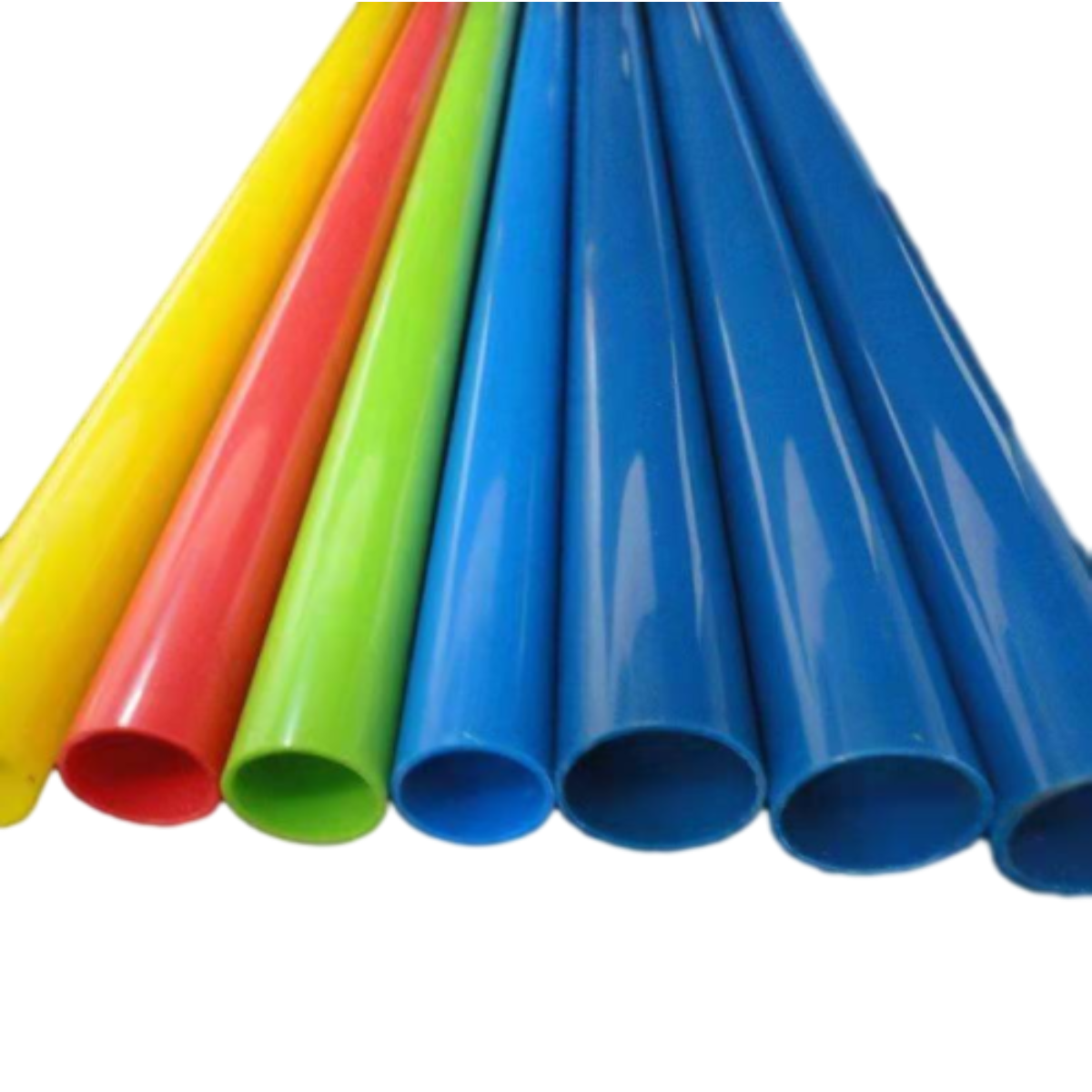
The performance of UPVC column pipes is governed by several key engineering principles. Firstly, hydrostatic pressure resistance is critical, calculated using Barlow’s formula (S = PT/2t, where S is hoop stress, P is internal pressure, T is wall thickness, and t is pipe diameter). This dictates the maximum operating pressure the pipe can withstand without failure. Secondly, soil loading and external stresses must be considered, particularly for buried applications. The pipe's ability to resist ovalization and buckling under load is essential. Finite Element Analysis (FEA) is often employed to model these stresses and optimize pipe wall thickness. Environmental resistance is also paramount. UPVC exhibits excellent resistance to acids, alkalis, and salts, however prolonged exposure to UV radiation can lead to degradation and embrittlement. UV stabilizers are therefore crucial additives. Thermal expansion and contraction are significant factors; UPVC has a relatively high coefficient of thermal expansion (approximately 8 x 10^-5 /°C), requiring appropriate allowances in installation to prevent stress build-up. Compliance requirements vary by region but typically adhere to standards like ASTM D1785 (for PVC pipe) and EN 1452 (for PVC-U pipes for water supply). The long-term creep resistance of UPVC is also a crucial factor, affecting its ability to maintain its structural integrity over decades of service.
Technical Specifications
| Parameter | Unit | Specification (Schedule 40) | Specification (Schedule 80) |
|---|---|---|---|
| Outside Diameter | mm | 110 | 110 |
| Wall Thickness | mm | 4.2 | 5.6 |
| Pressure Rating (Hydrostatic) | MPa | 0.7 | 1.0 |
| Tensile Strength | MPa | 60 | 60 |
| Impact Strength (Izod Notched) | kJ/m² | 5 | 8 |
| Vicat Softening Point | °C | 80 | 80 |
Failure Mode & Maintenance
UPVC column pipes are susceptible to several failure modes. Environmental Stress Cracking (ESC) is a primary concern, induced by the combined action of tensile stress, aggressive chemicals, and temperature. This leads to brittle failure, often initiating at stress concentrators (e.g., threaded joints). UV Degradation results in surface crazing, loss of impact strength, and discoloration. Fatigue Cracking can occur under cyclical loading, particularly in applications involving water hammer or vibration. Thermal deformation can cause joint leakage due to expansion and contraction. Soil settlement can lead to pipe cracking or joint separation. Maintenance involves periodic visual inspections for cracks, leaks, or deformation. Joints should be inspected for tightness and integrity. Protection from UV exposure (e.g., painting or shielding) is recommended in exposed applications. For ESC prevention, avoid using aggressive solvents or cleaning agents. Damage from impact should be repaired using appropriate PVC repair compounds. Regular pressure testing can identify potential leaks before they become major failures. Proper bedding and backfilling during installation are critical for preventing soil-induced stresses.
Industry FAQ
Q: What is the impact of temperature fluctuations on the long-term performance of UPVC pipes?
A: Temperature fluctuations cause UPVC to expand and contract, placing stress on joints and potentially leading to leaks. The coefficient of thermal expansion needs to be accounted for during installation through the use of expansion joints and flexible couplings. Sustained high temperatures can also accelerate degradation, particularly in the presence of UV radiation.
Q: How does the grade of PVC resin affect the pipe’s chemical resistance?
A: Higher-grade PVC resins, and the specific additives used, directly impact chemical resistance. While UPVC generally exhibits excellent resistance to many chemicals, prolonged exposure to certain solvents or strong oxidizing agents can cause swelling, softening, or cracking. The resin's chlorine content and the type of stabilizer employed are crucial factors.
Q: What are the advantages of Schedule 80 pipes compared to Schedule 40?
A: Schedule 80 pipes have thicker walls, providing significantly higher pressure ratings and impact resistance compared to Schedule 40. This makes them suitable for more demanding applications, such as industrial processes or high-pressure water distribution systems, but at a higher cost.
Q: What methods are used to verify the dimensional accuracy of UPVC pipes during manufacturing?
A: Dimensional accuracy is verified using a combination of techniques including ultrasonic wall thickness measurements, external diameter measurements with calipers and laser scanning systems, and ovality checks. Statistical Process Control (SPC) is employed to monitor and maintain consistent dimensions throughout the production process.
Q: What are the primary causes of Environmental Stress Cracking (ESC) in UPVC pipes and how can it be mitigated?
A: ESC is caused by the combined effect of sustained tensile stress, exposure to certain chemicals (like solvents or detergents), and elevated temperatures. Mitigation involves avoiding contact with aggressive chemicals, proper installation to minimize stress, and the use of PVC formulations with enhanced ESC resistance (e.g., containing impact modifiers and appropriate stabilizers).
Conclusion
Wholesale UPVC column pipes represent a versatile and cost-effective solution for a wide range of fluid conveyance and structural applications. Their inherent resistance to corrosion, coupled with robust mechanical properties, establishes them as a durable option compared to traditional materials. However, realizing the full lifecycle potential of these pipes demands a thorough understanding of their material science, manufacturing processes, and potential failure modes.
Successful implementation hinges on diligent attention to installation best practices, including proper bedding, allowance for thermal expansion, and selection of appropriate pipe schedules based on operational requirements. Continuous monitoring and preventative maintenance are crucial for ensuring long-term performance and mitigating the risk of premature failure.
-
DN25 HDPE Compression Fitting-HORON INTERNATIONAL|Reliable Irrigation Solutions
NewsFeb.11,2026
-
hdpe coupling joint product Manufacturing Analysis
News2026-11-18
-
ppr pipe heating time products Performance Analysis
News2026-11-16
-
hdpe pipe sizes factory Performance Analysis
News2026-11-09
-
HDPE Pipe Sizes Service Performance Analysis
News2026-10-26
-
wholesale 15mm ppr pipe Material Science and Performance Analysis
News2026-10-20
-
wholesale pvc pipe price per foot Technical Analysis
News2026-09-21
-
wholesale long pvc pipe Technical Analysis and Manufacturing Specifications
News2026-09-15
-
wholesale plumbing kitchen sink water lines Material Performance
News2026-09-15
-
wholesale hdpe drip irrigation Material Science
News2026-09-15
-
wholesale hot water ppr pipe Performance Analysis
News2026-09-15
-
wholesale ppr plumbing Performance Analysis
News2026-09-15
-
wholesale ppr pipe supplier Performance Analysis
News2026-09-13
-
wholesale 50mm ppr pipe Performance Analysis
News2026-09-13
-
wholesale hdpe drip pipe Performance Analysis
News2026-09-13
-
wholesale hdpe pipe 63mm price Manufacturing Specification and Performance Analysis
News2026-09-13