

Feb . 11, 2026 00:01 Back to list
wholesale pvc down pipe Performance and Engineering
Introduction
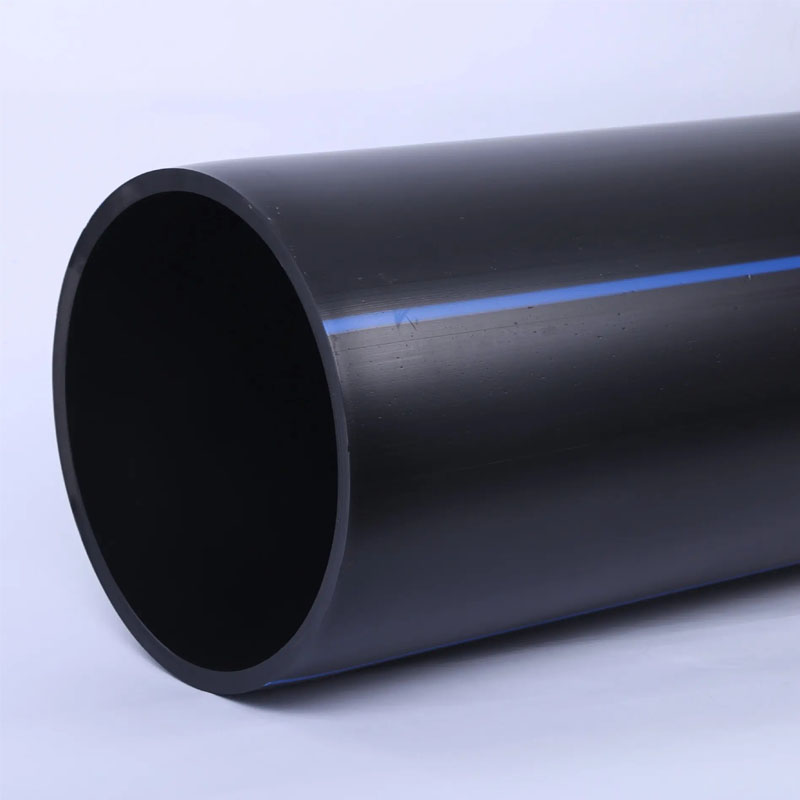
Polyvinyl chloride (PVC) downpipes represent a critical component in building water management systems, functioning to convey rainwater from roof runoff to ground-level drainage. These systems, predominantly utilized in residential, commercial, and industrial construction, offer a cost-effective and durable alternative to traditional metal piping. Within the broader building materials supply chain, wholesale PVC downpipes occupy a position as a finished good, supplied by manufacturers to distributors and contractors. Core performance characteristics include flow capacity, UV resistance, impact strength, and resistance to chemical degradation. The increasing demand for PVC downpipes is driven by factors such as lightweight installation, reduced maintenance costs compared to metal, and compliance with modern building codes emphasizing sustainable water management. A significant pain point for procurement managers is ensuring consistent dimensional accuracy and material quality across large-volume purchases, directly impacting installation efficiency and long-term system performance. Concerns around potential brittleness in colder climates, and the long-term effects of UV exposure are also critical considerations.
Material Science & Manufacturing
Wholesale PVC downpipes are primarily manufactured from rigid PVC compounds, formulations largely based on polyvinyl chloride resin. The resin, a thermoplastic polymer, is typically compounded with stabilizers (often lead-based historically, now increasingly calcium-zinc based), lubricants, impact modifiers, and pigments. The selection of additives profoundly influences the final product’s properties. PVC resin itself is produced via the polymerization of vinyl chloride monomer (VCM), a process requiring precise control of temperature and pressure. Downpipe manufacturing commonly employs extrusion processes. PVC compound is fed into an extruder, where it’s heated and forced through a die shaping it into the desired pipe profile. Critical parameters during extrusion include barrel temperature profiling (affecting melt viscosity), screw speed (influencing throughput), and die pressure (determining dimensional accuracy). Subsequent cooling, often using water baths, solidifies the PVC. Further processing may involve socketing or bell-ending operations to facilitate joining. Quality control focuses on wall thickness consistency, dimensional tolerances (outer diameter, length), and the absence of defects like voids or cracks. The impact modifier content is crucial; acrylic impact modifiers improve low-temperature toughness, essential for preventing brittle failure in cold climates. UV stabilizers, typically hindered amine light stabilizers (HALS), are incorporated to mitigate degradation from sunlight exposure. Chemical compatibility of the PVC formulation is also vital, ensuring resistance to common building materials and potential environmental contaminants.
Performance & Engineering
The performance of PVC downpipes is dictated by several engineering principles. Hydraulic performance is governed by the Manning’s equation, relating flow velocity to pipe diameter, slope, and roughness coefficient. Downpipe diameter selection must account for anticipated rainfall intensity and roof drainage area to prevent overflow. Structural integrity is paramount, requiring analysis of hoop stress and longitudinal stress under hydrostatic pressure and external loads (wind, snow, ice). PVC’s relatively low tensile strength necessitates adequate wall thickness and, in some applications, reinforcement with ribs or corrugated profiles. Environmental resistance, specifically UV degradation, is a long-term concern. While UV stabilizers extend service life, prolonged exposure can lead to embrittlement and discoloration. Thermal expansion and contraction are also considerations. PVC exhibits a relatively high coefficient of thermal expansion; therefore, proper allowance for movement must be incorporated into the installation design to avoid stress buildup. Compliance with building codes, such as those established by the International Plumbing Code (IPC), dictates minimum wall thicknesses, jointing requirements, and allowable slopes. Furthermore, the impact resistance, measured by Izod impact testing, must meet specified standards to withstand accidental impacts during and after installation. The long-term creep resistance of the PVC material is also a critical factor in maintaining dimensional stability and preventing deformation over the service life of the system.
Technical Specifications
| Parameter | Unit | Standard Specification (Common) | Typical Range (Wholesale PVC Downpipe) |
|---|---|---|---|
| Nominal Diameter | inches | 3, 4, 5, 6 | 3 - 8 |
| Wall Thickness | mm | Minimum 1.8mm (Schedule 40) | 1.8 - 3.2 mm |
| Impact Strength (Izod Notched) | J/m | >400 | 400 - 800 |
| Tensile Strength | MPa | >55 | 55 - 70 |
| Water Absorption (24hr) | % | <0.5 | 0.1 - 0.4 |
| UV Resistance (ASTM G154) | % Retained Properties after 1000 hrs | >85 | 80 - 95 |
Failure Mode & Maintenance
PVC downpipes are susceptible to several failure modes. Brittle fracture, particularly in colder climates, is a common issue, arising from impact damage combined with low-temperature embrittlement. UV degradation leads to surface cracking, discoloration, and a progressive loss of impact strength. Long-term hydrostatic pressure can cause creep deformation and eventual joint failure, especially if improperly installed. Chemical attack from aggressive substances (e.g., certain cleaning agents, industrial emissions) can result in material swelling and weakening. Biological degradation, though less common, can occur due to microbial activity in persistently damp environments. Failure analysis often reveals the root cause to be improper installation (insufficient support, inadequate slope), material defects (voids, inclusions), or exceeding design limitations (e.g., excessive load). Preventative maintenance includes periodic inspection for cracks, leaks, and blockages. Cleaning gutters and downpipe inlets regularly prevents debris buildup, reducing the risk of overflow and ice dam formation. Minor cracks can be repaired using PVC cement and appropriate patching compounds. Severely damaged sections should be replaced entirely. Protection from direct sunlight, through painting or the use of UV-resistant coatings, can significantly extend service life. Regular visual inspections, particularly after severe weather events, are crucial for identifying potential issues before they escalate.
Industry FAQ
Q: What is the impact of lead-based stabilizers on the long-term environmental safety of PVC downpipes?
A: Historically, lead-based stabilizers were commonly used to prevent PVC degradation during processing. However, due to environmental concerns regarding lead leaching, their use is increasingly restricted by regulations. Modern formulations predominantly utilize calcium-zinc stabilizers, which offer comparable performance with significantly reduced environmental impact. Procurement specifications should explicitly require lead-free formulations to ensure compliance and sustainability.
Q: How does the grade of PVC resin (e.g., K67, K70) affect the downpipe's performance characteristics?
A: The K-value represents the PVC resin’s molecular weight, which directly influences its melt viscosity and mechanical properties. Higher K-values (e.g., K70) generally result in increased strength, impact resistance, and heat distortion temperature, but also higher processing temperatures. K67 is a common grade for downpipes, offering a good balance of properties and processability. Choosing the appropriate K-value depends on the specific application and performance requirements.
Q: What is the recommended slope for PVC downpipes to ensure adequate drainage and prevent blockages?
A: A minimum slope of 1/4 inch per foot (20.8 mm per meter) is generally recommended for PVC downpipes. This slope facilitates gravity-driven drainage and minimizes the accumulation of debris. Exceeding this slope can increase flow velocity, potentially leading to erosion or noise. Proper slope installation is critical for preventing water backup and ensuring optimal system performance.
Q: What are the key differences between Schedule 40 and Schedule 80 PVC downpipes, and when would Schedule 80 be necessary?
A: Schedule 40 and Schedule 80 refer to the pipe wall thickness. Schedule 80 has a significantly thicker wall, providing greater pressure resistance and impact strength. Schedule 40 is sufficient for most residential and commercial downpipe applications. Schedule 80 is typically required for applications involving higher pressures, larger drainage areas, or exposure to potential impact hazards. The cost difference between the two schedules should be weighed against the performance benefits.
Q: How important is the proper solvent cementing technique for ensuring leak-free joints in PVC downpipe systems?
A: Proper solvent cementing is absolutely critical for creating strong, leak-free joints. Surface preparation (cleaning and priming) is essential for achieving adequate adhesion. The correct solvent cement formulation must be used, compatible with the PVC compound. Sufficient cement should be applied to both surfaces, followed by immediate assembly and holding the joint firmly until the cement sets. Following the manufacturer's instructions meticulously is crucial for long-term joint integrity.
Conclusion
Wholesale PVC downpipes represent a mature and widely adopted solution for building water management, offering a compelling combination of cost-effectiveness, durability, and ease of installation. However, realizing the full potential of these systems requires a thorough understanding of the underlying material science, manufacturing processes, and engineering principles. Careful consideration must be given to factors such as UV resistance, impact strength, thermal expansion, and compliance with relevant building codes. Selecting the appropriate PVC formulation, ensuring proper installation techniques, and implementing a preventative maintenance program are all critical for maximizing service life and minimizing the risk of failure.
Looking forward, advancements in PVC compound technology, such as the development of more effective UV stabilizers and impact modifiers, will continue to enhance the performance and sustainability of these systems. Increasing focus on circular economy principles will drive the development of PVC recycling technologies, reducing environmental impact and promoting resource efficiency. Procurement professionals will play a key role in driving these improvements by demanding transparency in material sourcing and prioritizing products that meet stringent quality and environmental standards.
-
DN25 HDPE Compression Fitting-HORON INTERNATIONAL|Reliable Irrigation Solutions
NewsFeb.11,2026
-
hdpe coupling joint product Manufacturing Analysis
News2026-11-18
-
ppr pipe heating time products Performance Analysis
News2026-11-16
-
hdpe pipe sizes factory Performance Analysis
News2026-11-09
-
HDPE Pipe Sizes Service Performance Analysis
News2026-10-26
-
wholesale 15mm ppr pipe Material Science and Performance Analysis
News2026-10-20
-
wholesale pvc pipe price per foot Technical Analysis
News2026-09-21
-
wholesale long pvc pipe Technical Analysis and Manufacturing Specifications
News2026-09-15
-
wholesale plumbing kitchen sink water lines Material Performance
News2026-09-15
-
wholesale hdpe drip irrigation Material Science
News2026-09-15
-
wholesale hot water ppr pipe Performance Analysis
News2026-09-15
-
wholesale ppr plumbing Performance Analysis
News2026-09-15
-
wholesale ppr pipe supplier Performance Analysis
News2026-09-13
-
wholesale 50mm ppr pipe Performance Analysis
News2026-09-13
-
wholesale hdpe drip pipe Performance Analysis
News2026-09-13
-
wholesale hdpe pipe 63mm price Manufacturing Specification and Performance Analysis
News2026-09-13