

Feb . 11, 2026 00:01 Back to list
wholesale ppr tube Performance Analysis
Introduction
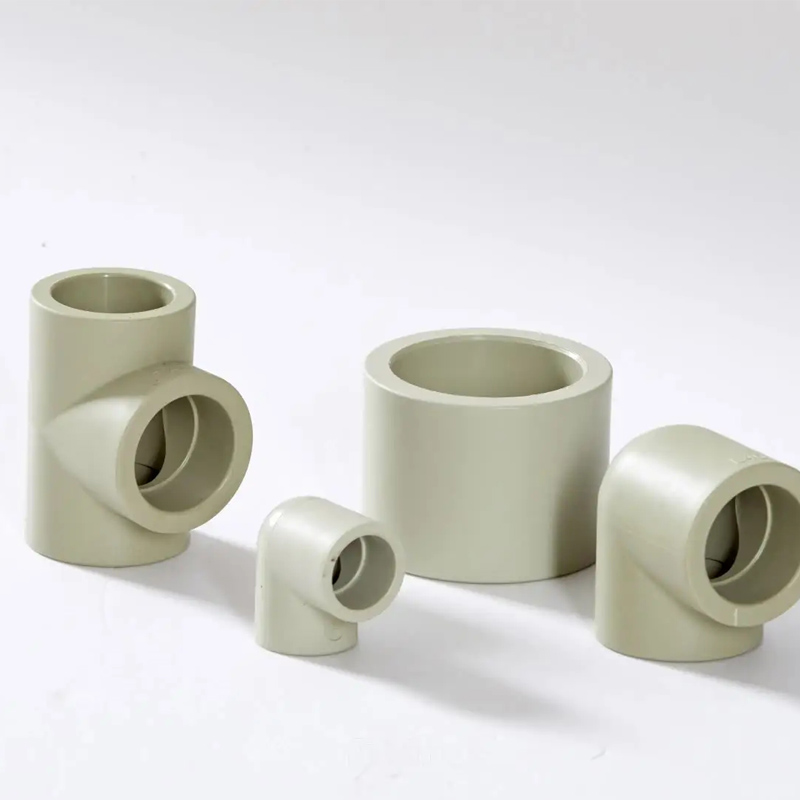
Polypropylene Random (PPR) tube represents a significant advancement in fluid conveyance systems, particularly within building infrastructure and industrial applications. Positioned as a direct replacement for traditional metallic piping – galvanized steel, copper, and cast iron – PPR offers a compelling combination of corrosion resistance, thermal stability, and cost-effectiveness. This technical guide provides an in-depth exploration of wholesale PPR tube, covering its material science, manufacturing processes, performance characteristics, potential failure modes, and relevant industry standards. The increasing demand for PPR stems from its ease of installation, reduced maintenance requirements, and suitability for potable water, heating, and cooling systems. A core pain point in the plumbing and construction industries is the long-term reliability and lifecycle cost of piping materials; PPR directly addresses these concerns with its inherent resistance to scale buildup and chemical degradation, offering substantial savings over the lifespan of a project. Its widespread adoption hinges on understanding its specific engineering properties and application limitations.
Material Science & Manufacturing
PPR tube is manufactured from polypropylene random copolymer, a thermoplastic polymer synthesized through the polymerization of propylene monomers. The ‘random’ designation indicates a non-stereospecific polymerization process, resulting in a material with reduced crystallinity compared to homopolymer polypropylene. This lower crystallinity translates into improved impact resistance, particularly at lower temperatures, a critical property for piping applications. Raw material selection is paramount; the polypropylene resin must meet stringent purity standards to ensure optimal performance and compliance with potable water regulations. The manufacturing process typically involves extrusion. Polypropylene granules are fed into an extruder, where they are heated and melted, then forced through a die to form a continuous tube. Key parameters in the extrusion process include melt temperature (typically 190-230°C), die pressure, and cooling rate. Precise control of these parameters is essential to achieve consistent wall thickness, dimensional accuracy, and smooth internal surfaces. Annealing processes are often employed post-extrusion to relieve internal stresses and enhance the long-term hydrostatic strength of the tube. Jointing methods for PPR include hot-gas welding, electrofusion welding, and mechanical fittings. Hot-gas welding, the most common method, involves heating both the tube and fitting surfaces and fusing them together under pressure. The quality of the weld is directly dependent on the temperature, pressure, and dwell time, necessitating skilled operators and calibrated welding equipment.

Performance & Engineering
The performance of PPR tube is dictated by its mechanical, thermal, and chemical properties. Hydrostatic strength, the ability to withstand internal pressure without rupture, is a critical parameter, determined by the tube’s dimensions (diameter and wall thickness) and the material’s tensile strength. PPR exhibits excellent creep resistance, meaning it minimizes deformation under sustained stress. This is vital for long-term reliability in pressurized systems. Thermal expansion and contraction are inherent characteristics of plastic materials. PPR has a coefficient of thermal expansion significantly higher than that of metal pipes. This necessitates the inclusion of expansion joints or loops in long pipe runs to prevent stress buildup and potential cracking. Furthermore, PPR’s resistance to a broad range of chemicals – acids, bases, salts – makes it suitable for various industrial applications. However, it’s crucial to note that prolonged exposure to certain organic solvents (e.g., toluene, xylene) can cause swelling and degradation. Force analysis during installation and operation must consider factors such as water hammer (pressure surges) and external loads. PPR’s relatively low Young’s modulus compared to metal requires adequate support to prevent excessive bending and deformation. Compliance with relevant building codes and standards (detailed in the footer) is paramount, ensuring the safe and reliable operation of PPR piping systems. The long term temperature rating is a crucial engineering parameter; exceeding the specified operating temperature can lead to a significant reduction in mechanical properties and accelerated aging.
Technical Specifications
| Parameter | Metric (PN20 - SDR6) | Metric (PN25 - SDR5) | Unit |
|---|---|---|---|
| Nominal Pressure (PN) | 20 | 25 | bar |
| Standard Dimension Ratio (SDR) | 6 | 5 | - |
| Hydrostatic Pressure Test | 24 | 31.25 | bar |
| Burst Pressure | 80 | 100 | bar |
| Operating Temperature (Water) | -20 to +95 | -20 to +95 | °C |
| Operating Temperature (Hot Water, intermittent) | Up to +95 | Up to +95 | °C |
| Tensile Strength | 25-35 | 28-40 | MPa |
Failure Mode & Maintenance
PPR tube, while durable, is susceptible to specific failure modes. Fatigue cracking can occur due to repeated pressure fluctuations or mechanical stress, particularly at joints or areas of localized stress concentration. Delamination, the separation of layers within the pipe wall, can result from improper welding or material defects. Long-term exposure to UV radiation can cause degradation of the polymer matrix, leading to embrittlement and cracking. Oxidation, although relatively slow in PPR, can occur at elevated temperatures, reducing the material’s mechanical properties. A common failure mode observed in improperly installed systems is weld failure, often attributable to insufficient heating, inadequate pressure, or contamination of the welding surfaces. Maintenance of PPR systems involves periodic inspection of joints for leaks or signs of cracking. Avoid using abrasive cleaning agents, as they can scratch the inner surface and promote scale buildup. If damage is detected, the affected section should be replaced using appropriate welding or fitting techniques. Preventative maintenance, including regular pressure testing and flushing of the system, can significantly extend the lifespan of PPR piping. Proper insulation of exposed pipes is recommended to mitigate the effects of UV radiation and temperature fluctuations. Regular checks for loose supports are also crucial to prevent undue stress on the piping.
Industry FAQ
Q: What is the maximum allowable water velocity in a PPR piping system?
A: Generally, the recommended maximum water velocity is 2-2.5 m/s. Exceeding this velocity can lead to water hammer and accelerated erosion of the pipe walls, especially at bends and fittings. Velocity calculations should consider the pipe diameter, flow rate, and fluid viscosity.
Q: Can PPR pipes be used for compressed air systems?
A: While PPR can withstand moderate pressures, it's not typically recommended for compressed air systems. Compressed air often contains moisture and oil, which can degrade the PPR material over time. Dedicated compressed air piping materials, such as aluminum or stainless steel, are preferable.
Q: What is the effect of scale buildup on the performance of PPR pipes?
A: PPR's smooth internal surface minimizes scale buildup compared to metallic pipes. However, scale can still accumulate over time, reducing the flow capacity and potentially leading to localized corrosion. Regular flushing of the system can help mitigate this issue.
Q: Is PPR suitable for outdoor applications exposed to direct sunlight?
A: Prolonged exposure to direct sunlight can degrade PPR. It's essential to use UV-resistant PPR formulations specifically designed for outdoor use, or to provide shielding or insulation to protect the pipes from UV radiation.
Q: What are the key differences between PPR-C and PPR-U?
A: PPR-C (chlorinated polypropylene random copolymer) offers enhanced temperature resistance and chlorine resistance compared to PPR-U (unmodified polypropylene random copolymer). PPR-C is often preferred for hot water applications and systems using chlorinated water.
Conclusion
Wholesale PPR tube presents a robust and cost-effective solution for a wide range of fluid conveyance applications. Its inherent corrosion resistance, ease of installation, and thermal stability provide significant advantages over traditional piping materials. However, successful implementation necessitates a thorough understanding of its material properties, manufacturing processes, and potential failure modes. Careful consideration of factors such as thermal expansion, operating temperature, and chemical compatibility is crucial to ensure long-term reliability and optimal performance.
Looking ahead, advancements in PPR formulations, such as the incorporation of nanoparticles for enhanced mechanical strength and UV resistance, will further expand its application scope. Adherence to relevant international standards and best practices in installation and maintenance remains paramount to maximizing the lifecycle of PPR piping systems. Continued research and development in welding technologies will also contribute to improved joint integrity and overall system performance, solidifying PPR’s position as a leading material in the plumbing and industrial sectors.
-
DN25 HDPE Compression Fitting-HORON INTERNATIONAL|Reliable Irrigation Solutions
NewsFeb.11,2026
-
hdpe coupling joint product Manufacturing Analysis
News2026-11-18
-
ppr pipe heating time products Performance Analysis
News2026-11-16
-
hdpe pipe sizes factory Performance Analysis
News2026-11-09
-
HDPE Pipe Sizes Service Performance Analysis
News2026-10-26
-
wholesale 15mm ppr pipe Material Science and Performance Analysis
News2026-10-20
-
wholesale pvc pipe price per foot Technical Analysis
News2026-09-21
-
wholesale long pvc pipe Technical Analysis and Manufacturing Specifications
News2026-09-15
-
wholesale plumbing kitchen sink water lines Material Performance
News2026-09-15
-
wholesale hdpe drip irrigation Material Science
News2026-09-15
-
wholesale hot water ppr pipe Performance Analysis
News2026-09-15
-
wholesale ppr plumbing Performance Analysis
News2026-09-15
-
wholesale ppr pipe supplier Performance Analysis
News2026-09-13
-
wholesale 50mm ppr pipe Performance Analysis
News2026-09-13
-
wholesale hdpe drip pipe Performance Analysis
News2026-09-13
-
wholesale hdpe pipe 63mm price Manufacturing Specification and Performance Analysis
News2026-09-13