

Feb . 11, 2026 00:01 Back to list
wholesale ppr pipes Performance Analysis
Introduction
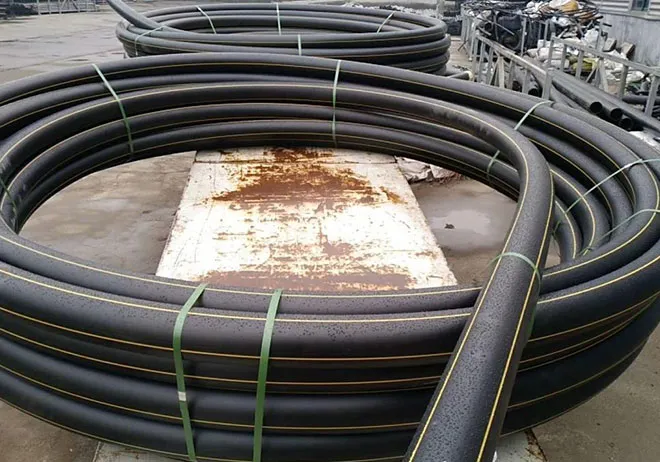
Polypropylene Random (PPR) pipes represent a significant advancement in fluid conveyance systems, particularly within the building services, industrial process piping, and agricultural sectors. Wholesale PPR pipes denote the bulk supply of these thermoplastic pipes, offering a cost-effective and robust solution for both potable and non-potable water distribution, heating, and cooling systems. Positioned between traditional metallic piping (steel, copper) and other plastic alternatives (PVC, PE), PPR provides a unique combination of chemical resistance, thermal stability, and ease of installation, primarily through heat fusion welding. Core performance characteristics include pressure resistance, temperature endurance, long-term durability, and hygienic fluid transport. The global PPR pipe market is driven by increasing infrastructure development in emerging economies, demand for corrosion-resistant piping solutions, and a shift toward lighter, more easily installed piping materials. A key pain point within the industry centers on ensuring consistent raw material quality to maintain the specified mechanical properties and long-term performance of the finished product, along with proper installation techniques to avoid weld defects and system failures. Understanding the nuances of PPR material science and adherence to relevant international standards are crucial for successful application.
Material Science & Manufacturing
PPR pipes are manufactured from polypropylene random copolymer, differing from homopolymers due to the random distribution of comonomers (typically ethylene). This random copolymerization imparts enhanced flexibility and resistance to cracking, especially under stress. The raw material, polypropylene resin, is derived from propylene gas, a byproduct of petroleum refining and natural gas processing. Key physical properties of the polypropylene resin used in PPR pipe production include a density typically between 0.905 and 0.92 g/cm³, a tensile strength ranging from 20 to 30 MPa, and a flexural modulus between 800 and 1200 MPa. Chemical compatibility is excellent with most common fluids, including potable water, dilute acids, and alkalis. However, prolonged exposure to strong oxidizing agents should be avoided.
The manufacturing process typically involves extrusion. Polypropylene granules are fed into an extruder, where they are heated and melted. The molten polymer is then forced through a die to form the pipe shape. Critical parameters during extrusion include temperature control (melt temperature typically between 190-240°C), screw speed, and die pressure. Precise control of these parameters is essential to ensure uniform wall thickness, consistent diameter, and a smooth surface finish. Following extrusion, the pipe is cooled using water baths, calibrated to maintain dimensional accuracy, and cut to the desired length. Heat fusion welding is the predominant joining method for PPR pipes. This involves heating both the pipe and fitting to a specific temperature (typically 130-170°C) and then pressing them together, creating a homogenous weld. Parameters like heating time, welding pressure, and cooling time are critical for weld integrity. Quality control during manufacturing involves rigorous testing of raw material properties, dimensional accuracy, hydrostatic pressure testing (to verify burst pressure), and weld strength testing.
Performance & Engineering
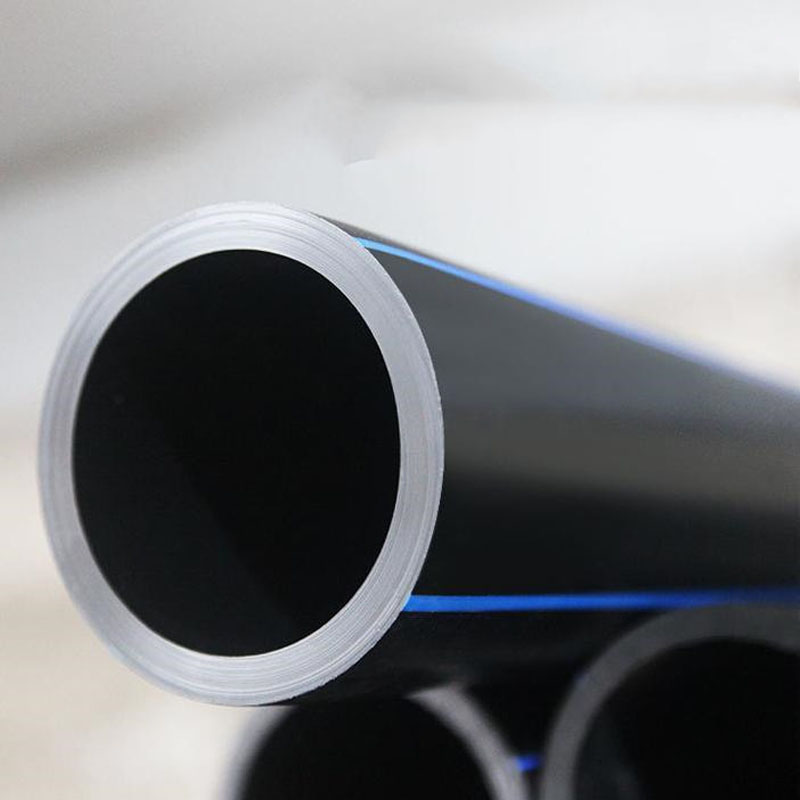
The performance of PPR pipes is governed by several engineering principles. Hydrostatic pressure resistance is a primary concern, dictated by the pipe’s dimensions (diameter and wall thickness) and the material's yield strength. The Barlow's formula (P = 2St/D) provides a basic calculation for hoop stress, where P is internal pressure, S is the yield strength, t is the wall thickness, and D is the outer diameter. Temperature effects are significant. PPR exhibits a reduction in pressure-bearing capacity at elevated temperatures. The maximum operating temperature for PPR is typically around 70-80°C, depending on the grade of polypropylene and the intended application. Creep, the time-dependent deformation under constant stress, is another critical factor to consider in long-term performance. PPR exhibits some creep behavior, particularly at higher temperatures and stresses.
Environmental resistance is generally good, but UV exposure can lead to degradation over time. Adding UV stabilizers to the polypropylene formulation mitigates this issue. The chemical resistance of PPR is excellent for a wide range of fluids, but compatibility with specific chemicals should be verified. Compliance requirements vary by region, but generally adhere to standards like DIN 8077/8078 (Europe), ASTM D3261 (North America), and GB/T 19472 (China). Installation practices are vital. Improper welding techniques (insufficient heating, excessive cooling, incorrect pressure) can lead to weak welds and premature failure. Thermal expansion and contraction must also be accounted for during installation to prevent stress buildup and pipe buckling. Support systems and expansion loops should be designed accordingly.
Technical Specifications
| Parameter | Metric (PN20, SDR6) | Metric (PN25, SDR5) | Imperial (Schedule 40) – Equivalent |
|---|---|---|---|
| Nominal Pressure Rating (PN) | 2.0 MPa (290 psi) | 2.5 MPa (362 psi) | Varies based on diameter, generally comparable to Schedule 40 PVC |
| Standard Dimension Ratio (SDR) | 6 | 5 | N/A - Different standard |
| Operating Temperature | -20°C to +70°C (-4°F to +158°F) | -20°C to +70°C (-4°F to +158°F) | -20°C to +60°C (-4°F to +140°F) |
| Density | 0.905 – 0.92 g/cm³ | 0.905 – 0.92 g/cm³ | 0.905 – 0.92 g/cm³ |
| Tensile Strength | 20-30 MPa | 20-30 MPa | 20-30 MPa |
| Long-Term Hydrostatic Strength (50 years, 20°C) | 16.0 MPa | 20.0 MPa | Varies; dependent on material & diameter |
Failure Mode & Maintenance
PPR pipes, while durable, are susceptible to several failure modes. Fatigue cracking can occur under cyclic pressure loads, particularly at weld joints. This is often initiated by stress concentrations due to weld imperfections or geometrical discontinuities. Delamination can occur at weld joints if the heating and cooling parameters are not properly controlled, leading to insufficient fusion between the pipe and fitting. Oxidation, primarily due to prolonged exposure to high temperatures and oxygen, can lead to embrittlement and reduced mechanical properties. UV degradation can cause surface cracking and a loss of impact resistance, particularly in exposed applications. Chemical attack from aggressive substances can cause swelling, cracking, or dissolution of the polymer.
Maintenance primarily involves visual inspections for leaks, cracks, or deformations. Regularly checking weld joints for signs of deterioration is crucial. If leaks are detected, the affected section of pipe should be replaced, ensuring proper heat fusion welding techniques are employed. For systems exposed to UV radiation, consider shielding the pipes or using PPR formulations with enhanced UV resistance. Avoid using abrasive cleaning agents, as these can damage the pipe surface. In cases of suspected chemical contamination, the fluid should be analyzed, and the affected section of the piping system should be flushed or replaced. Preventative maintenance, including regular inspections and adherence to recommended operating parameters, can significantly extend the service life of PPR piping systems.
Industry FAQ
Q: What are the key differences between PPR-C and PPR-U, and how do these differences impact application suitability?
A: PPR-C (Polypropylene Random Copolymer Type 3) incorporates a higher ethylene content in the copolymerization process, providing improved impact resistance, particularly at lower temperatures, and enhanced crack resistance compared to PPR-U (PPR Homopolymer). PPR-U is typically used for cold water applications, while PPR-C is suitable for both hot and cold water systems, including heating applications, due to its superior mechanical properties and temperature resilience. PPR-C generally commands a higher price point due to its improved performance characteristics.
Q: How critical is water quality to the longevity of a PPR piping system, and what preventative measures should be taken?
A: Water quality is a significant factor. Highly acidic or alkaline water, or water with high mineral content, can accelerate corrosion or scaling within the pipe. Pre-treatment of the water, such as filtration or pH adjustment, can mitigate these issues. Avoiding stagnant water within the system is also important, as this can promote bacterial growth and corrosion. Regular flushing of the system can help maintain water quality.
Q: What are the common causes of weld defects in PPR pipe systems, and how can they be prevented?
A: Common weld defects include insufficient fusion, overheating, underheating, and misalignment. Insufficient fusion occurs when the pipe and fitting surfaces are not heated to the proper temperature for adequate bonding. Overheating can cause material degradation and weakening of the weld. Underheating results in a weak, incomplete weld. Misalignment creates stress concentrations. Prevention involves using calibrated heating tools, adhering to recommended heating and cooling times, ensuring proper alignment of the pipe and fitting, and training personnel in proper welding techniques.
Q: What is the impact of thermal expansion and contraction on PPR piping systems, and how should it be addressed during installation?
A: PPR exhibits significant thermal expansion and contraction with temperature changes. If not properly addressed, this can induce stress on the pipes, fittings, and supports, potentially leading to leaks or failures. Expansion loops, expansion joints, or flexible connectors should be incorporated into the system design to accommodate thermal movement. Supports should allow for axial movement of the pipe.
Q: How does PPR compare to CPVC (Chlorinated Polyvinyl Chloride) in terms of temperature resistance and chemical compatibility?
A: CPVC generally offers higher temperature resistance than standard PPR, typically up to around 93°C (200°F), making it suitable for more demanding hot water applications. However, PPR has superior chemical compatibility with a broader range of fluids and is less susceptible to chlorine degradation. CPVC can become brittle over time with prolonged exposure to chlorine. PPR also generally exhibits better impact resistance than CPVC, particularly at lower temperatures.
Conclusion
Wholesale PPR pipes represent a compelling solution for fluid conveyance, offering a balance of cost-effectiveness, durability, and ease of installation. A thorough understanding of the material science, manufacturing processes, and performance characteristics is crucial for selecting the appropriate PPR grade and ensuring the long-term reliability of the piping system. Consistent raw material quality control, adherence to established welding procedures, and careful consideration of environmental factors (temperature, UV exposure, chemical compatibility) are paramount to mitigating potential failure modes and maximizing service life.
The future of PPR technology is focused on developing formulations with enhanced performance characteristics, such as improved UV resistance, higher temperature capabilities, and increased impact strength. Advancements in welding techniques, including automated welding systems, are also expected to improve weld quality and reduce installation time. Continued adherence to international standards and best practices will be essential for maintaining the integrity and reliability of PPR piping systems in diverse applications.
-
DN25 HDPE Compression Fitting-HORON INTERNATIONAL|Reliable Irrigation Solutions
NewsFeb.11,2026
-
hdpe coupling joint product Manufacturing Analysis
News2026-11-18
-
ppr pipe heating time products Performance Analysis
News2026-11-16
-
hdpe pipe sizes factory Performance Analysis
News2026-11-09
-
HDPE Pipe Sizes Service Performance Analysis
News2026-10-26
-
wholesale 15mm ppr pipe Material Science and Performance Analysis
News2026-10-20
-
wholesale pvc pipe price per foot Technical Analysis
News2026-09-21
-
wholesale long pvc pipe Technical Analysis and Manufacturing Specifications
News2026-09-15
-
wholesale plumbing kitchen sink water lines Material Performance
News2026-09-15
-
wholesale hdpe drip irrigation Material Science
News2026-09-15
-
wholesale hot water ppr pipe Performance Analysis
News2026-09-15
-
wholesale ppr plumbing Performance Analysis
News2026-09-15
-
wholesale ppr pipe supplier Performance Analysis
News2026-09-13
-
wholesale 50mm ppr pipe Performance Analysis
News2026-09-13
-
wholesale hdpe drip pipe Performance Analysis
News2026-09-13
-
wholesale hdpe pipe 63mm price Manufacturing Specification and Performance Analysis
News2026-09-13