

Feb . 11, 2026 00:01 Back to list
wholesale ppr pipe 25mm Performance Engineering
Introduction
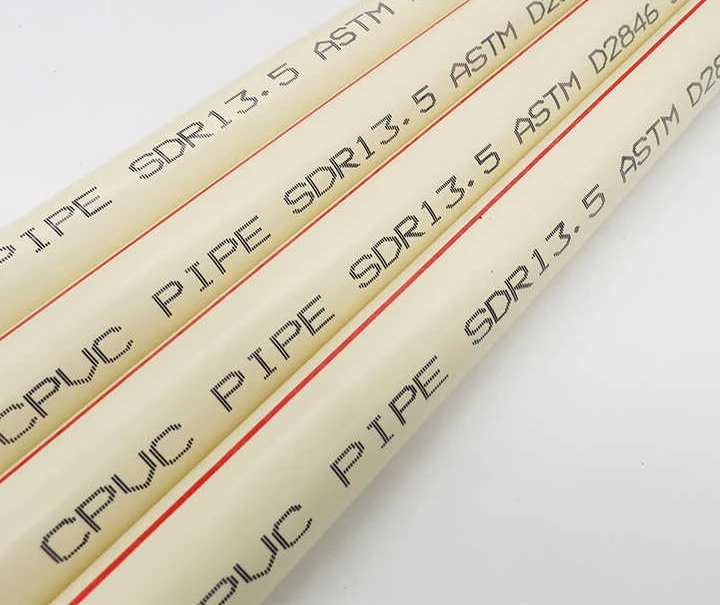
Polypropylene Random (PPR) pipe, specifically the 25mm variant commonly available wholesale, represents a significant advancement in fluid transport systems. Positioned within the building infrastructure supply chain, PPR pipe serves as a direct replacement for traditional metallic piping in both hot and cold water distribution, as well as heating systems. Its core performance characteristics – including corrosion resistance, thermal stability, and hygienic properties – address key pain points associated with galvanized steel and copper piping, such as corrosion-induced contamination and scaling. This guide provides an in-depth technical overview of 25mm PPR pipe, encompassing material science, manufacturing processes, performance engineering, potential failure modes, and relevant industry standards. The prevalence of wholesale sourcing necessitates a detailed understanding of quality control and material composition to ensure long-term system reliability.
Material Science & Manufacturing
PPR pipe derives its properties from polypropylene random copolymer. The raw material, polypropylene, is a thermoplastic polymer produced through the polymerization of propylene monomer. The “random” designation indicates a random distribution of comonomers (typically ethylene) within the polypropylene chain. This randomization disrupts the polymer’s crystallinity, resulting in enhanced impact resistance, flexibility, and weldability. The density of PPR material typically ranges from 0.905 to 0.92 g/cm³. Critical material properties include a Vicat softening temperature between 130°C and 150°C, ensuring dimensional stability at elevated operating temperatures, and a tensile strength ranging from 20 to 30 MPa.
Manufacturing typically involves extrusion. Polypropylene granules are fed into an extruder, melted, and forced through a circular die to form the pipe. Key parameters in the extrusion process include melt temperature (typically 200-240°C), die pressure (maintained consistently to ensure uniform wall thickness), and cooling rate (controlled to prevent warping and maintain dimensional accuracy). Post-extrusion, pipes undergo dimensional checks, hydrostatic testing (to verify pressure resistance), and marking (identifying pipe size, material grade, and manufacturer). Socket fusion and electrofusion are the primary joining methods. Socket fusion involves heating both the pipe and fitting simultaneously, then inserting the pipe into the fitting to create a homogenous weld. Electrofusion uses an electrically heated fitting to melt and fuse the pipe. Precise control of heating times and temperatures is critical to ensure weld integrity. The quality of the raw material and consistent process control significantly influence the long-term performance and durability of the finished PPR pipe.
Performance & Engineering
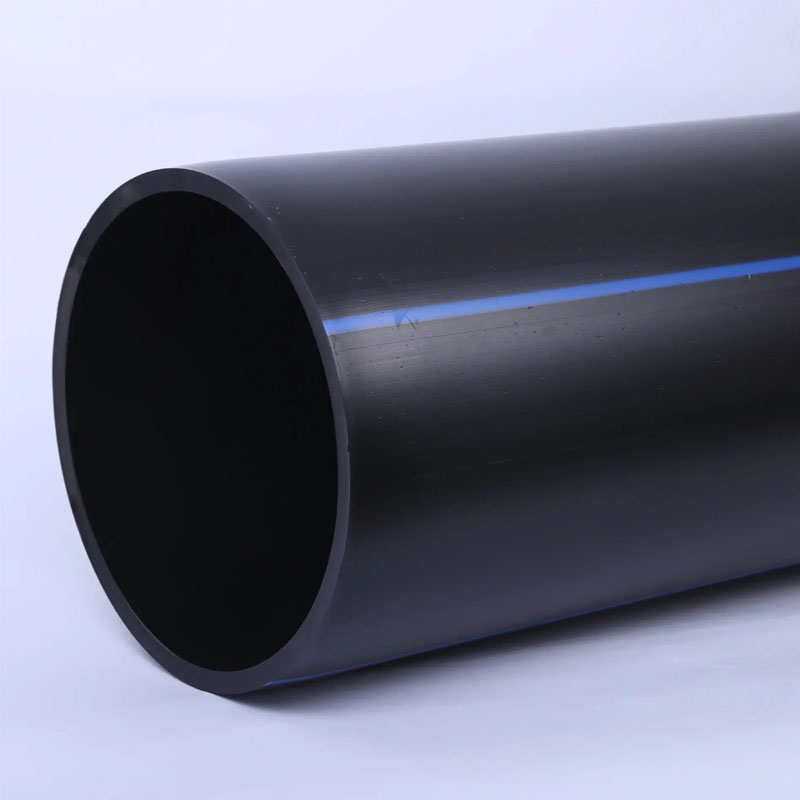
The performance of 25mm PPR pipe is governed by several engineering principles. Hydrostatic strength, determined by the pipe’s wall thickness and material properties, dictates its ability to withstand internal pressure. According to ISO 15876, PPR pipes are classified based on their long-term hydrostatic strength (LTS), which is the pressure the pipe can sustain for 50 years at a specified temperature. Thermal expansion is another critical consideration. PPR has a relatively high coefficient of thermal expansion (approximately 0.15 mm/m°C). Therefore, piping systems must incorporate expansion loops or flexible connectors to accommodate thermal movement and prevent stress on joints.
Chemical resistance is a significant advantage of PPR. The material is largely inert to common waterborne chemicals, including chlorine, acids, and bases, minimizing corrosion and leaching. However, prolonged exposure to strong oxidizing agents or certain solvents can cause degradation. UV resistance is a limitation; prolonged exposure to sunlight can lead to embrittlement. Consequently, PPR piping installed outdoors should be shielded from direct sunlight. The system's overall performance also depends heavily on the quality of the fittings and the competence of the installation personnel. Incorrect fusion parameters can create weak points susceptible to failure. Compliance with regional plumbing codes (e.g., UPC, IPC) and adherence to manufacturer’s installation guidelines are paramount.
Technical Specifications
| Parameter | Unit | Specification (25mm PPR) | Testing Standard |
|---|---|---|---|
| Nominal Diameter | mm | 25 | ISO 15876 |
| Outside Diameter | mm | 32.4 | ISO 15876 |
| Wall Thickness | mm | 4.2 | ISO 15876 |
| Hydrostatic Pressure (20°C, 50 years) | MPa | 1.6 | ISO 11671 |
| Vicat Softening Temperature | °C | 135-150 | ISO 306 |
| Tensile Strength | MPa | 22-35 | ISO 527 |
Failure Mode & Maintenance
Common failure modes in 25mm PPR pipe systems include pressure-induced cracking, particularly at joints due to improper fusion; thermal fatigue caused by repeated expansion and contraction cycles, often exacerbated by insufficient expansion compensation; and slow crack growth (SCG) arising from residual stresses and environmental factors. SCG is especially prevalent in systems exposed to chlorine-disinfected water, where residual stress combined with chloride ingress can initiate and propagate cracks. Oxidation, though less common, can occur at elevated temperatures and can lead to embrittlement over extended periods. Physical damage during installation (e.g., scratching the pipe surface) can also create stress concentrators and potential failure points.
Preventative maintenance is crucial. Regular visual inspections should be conducted to identify any signs of cracking, deformation, or leakage. Hydrostatic testing can be performed periodically to assess the overall integrity of the system. If leaks are detected, the affected section of pipe and fitting should be replaced. Proper water quality management, minimizing chlorine levels and controlling pH, can mitigate the risk of SCG. When replacing sections, ensure compatible fittings are used and that fusion parameters are strictly adhered to. Avoid mechanical stresses during installation and operation. For systems operating at elevated temperatures, insulation can help minimize thermal expansion and reduce the risk of fatigue failure.
Industry FAQ
Q: What is the impact of water hammer on PPR pipe systems, and how can it be mitigated?
A: Water hammer, caused by the sudden change in flow velocity, can generate significant pressure surges within the piping system. PPR, while possessing good impact resistance, can be damaged by repeated or severe water hammer events. Mitigation strategies include the installation of water hammer arrestors (air chambers or spring-loaded devices) near fast-closing valves, proper pipe support to minimize vibration, and controlling water pressure to within the recommended operating range.
Q: Can PPR pipe be used for compressed air systems?
A: Generally, PPR pipe is not recommended for compressed air applications. While it can withstand some pressure, it lacks the necessary resistance to abrasion and is prone to failure under the cyclical stress induced by compressed air pulses. Specialized compressed air piping materials, such as aluminum or stainless steel, are preferred.
Q: What is the long-term effect of exposure to UV radiation on PPR pipe?
A: Prolonged exposure to UV radiation causes degradation of the polypropylene polymer, leading to embrittlement, discoloration, and a reduction in mechanical properties. This weakens the pipe and makes it more susceptible to cracking. Outdoor installations should always involve UV-protective shielding, such as painting or covering the pipe with opaque materials.
Q: How does the quality of the welding equipment and operator training affect the reliability of PPR pipe joints?
A: The quality of the welding equipment (socket fusion or electrofusion) is paramount. Equipment must maintain precise temperature control and consistent heating times. Equally critical is operator training. Improperly trained personnel may not adhere to recommended fusion parameters, resulting in under-welded or over-welded joints, both of which compromise the joint’s strength and long-term durability.
Q: Are there specific chemicals that should be avoided when using PPR pipe in industrial applications?
A: While PPR exhibits good chemical resistance, strong oxidizing agents (e.g., concentrated nitric acid, potassium permanganate), aromatic hydrocarbons, and chlorinated solvents should be avoided. These chemicals can cause swelling, cracking, or degradation of the pipe material. Consult a chemical compatibility chart specific to polypropylene for detailed guidance.
Conclusion
Wholesale 25mm PPR pipe represents a robust and cost-effective solution for fluid transport in a wide range of applications. Its inherent corrosion resistance, thermal stability, and ease of installation offer significant advantages over traditional materials. However, realizing these benefits requires a thorough understanding of the material’s properties, meticulous attention to manufacturing and installation procedures, and diligent adherence to relevant industry standards. Careful consideration of potential failure modes – including stress cracking, thermal fatigue, and UV degradation – is essential for ensuring long-term system reliability.
Future advancements in PPR technology may focus on enhancing UV resistance through the incorporation of UV stabilizers, developing more sophisticated welding techniques for improved joint integrity, and creating PPR compounds with improved long-term hydrostatic strength. Selecting high-quality materials from reputable wholesale suppliers and investing in proper training for installation personnel will remain critical factors in maximizing the lifespan and performance of PPR piping systems.
-
DN25 HDPE Compression Fitting-HORON INTERNATIONAL|Reliable Irrigation Solutions
NewsFeb.11,2026
-
wholesale pvc pipe price per foot Technical Analysis
News2026-09-21
-
wholesale long pvc pipe Technical Analysis and Manufacturing Specifications
News2026-09-15
-
wholesale plumbing kitchen sink water lines Material Performance
News2026-09-15
-
wholesale hdpe drip irrigation Material Science
News2026-09-15
-
wholesale hot water ppr pipe Performance Analysis
News2026-09-15
-
wholesale ppr plumbing Performance Analysis
News2026-09-15
-
wholesale ppr pipe supplier Performance Analysis
News2026-09-13
-
wholesale 50mm ppr pipe Performance Analysis
News2026-09-13
-
wholesale hdpe drip pipe Performance Analysis
News2026-09-13
-
wholesale hdpe pipe 63mm price Manufacturing Specification and Performance Analysis
News2026-09-13
-
wholesale hdpe pipe for potable water Manufacturing and Performance
News2026-09-13
-
wholesale pipe hdpe size Technical Analysis
News2026-09-12
-
wholesale coupler for hdpe pipe Performance Analysis
News2026-09-12
-
Wholesale HDPE Pipe Coupler Price Performance Analysis
News2026-09-12
-
wholesale 1 ppr pipe Performance Analysis
News2026-09-12