

Feb . 11, 2026 00:01 Back to list
wholesale ppr cold water pipe Material Performance

Introduction
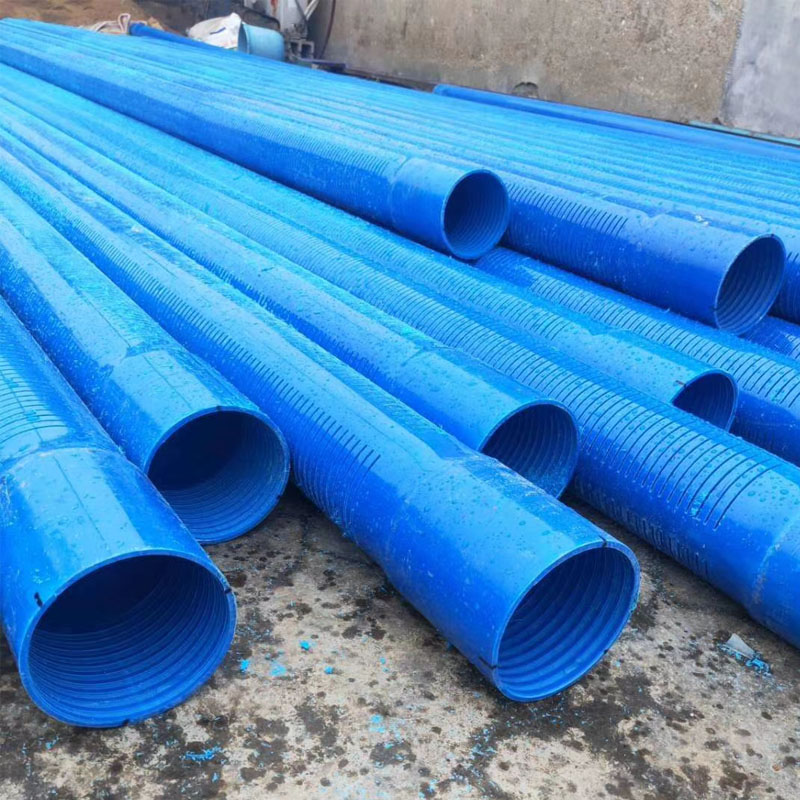
Polypropylene Random (PPR) cold water pipe represents a significant advancement in potable water distribution systems, offering a robust and chemically inert alternative to traditional metallic piping. This guide provides a comprehensive technical overview of wholesale PPR cold water pipe, detailing its material composition, manufacturing processes, performance characteristics, potential failure modes, and relevant industry standards. PPR systems are increasingly favored in residential, commercial, and industrial applications due to their corrosion resistance, ease of installation, and long-term reliability. Positioned within the plumbing infrastructure supply chain, PPR pipe competes with PVC-U, CPVC, PEX, and copper, offering a unique balance of properties particularly suited to cold water conveyance. Core performance aspects include pressure rating, temperature resistance (specifically its suitability for cold water), flow characteristics, and long-term hydrostatic strength. A key pain point in the industry is ensuring consistent material quality and adherence to international standards to guarantee pipe longevity and prevent premature failures.
Material Science & Manufacturing
PPR cold water pipe is primarily composed of polypropylene random copolymer, a thermoplastic polymer derived from propylene monomer. The ‘random’ designation indicates a random distribution of comonomers, typically ethylene, within the polypropylene chain. This randomization disrupts the polymer’s crystallinity, enhancing its impact resistance and flexibility compared to homopolymer polypropylene. Raw material selection is critical; virgin polypropylene resins are preferred to ensure consistent performance, while the inclusion of recycled materials must be carefully controlled and documented. Manufacturing generally involves extrusion, where molten polypropylene is forced through a die to create the pipe’s desired diameter and wall thickness. Key parameters during extrusion include melt temperature (typically 200-240°C), die pressure, and cooling rate. Precise control of these parameters is crucial to avoid defects like uneven wall thickness, warping, or internal stresses. Post-extrusion processes often include dimensional stabilization, hydrostatic testing to verify pressure integrity, and surface finishing. The addition of stabilizers (e.g., antioxidants, UV stabilizers) is also essential to protect the polymer from degradation during processing and throughout its service life. Chemical compatibility considerations are paramount; PPR exhibits excellent resistance to many common waterborne chemicals, but prolonged exposure to certain solvents or strong oxidizing agents can lead to swelling or cracking.
Performance & Engineering
The performance of PPR cold water pipe is governed by several engineering principles. Hydrostatic strength, the pipe’s ability to withstand internal pressure, is a primary consideration. This is calculated using Barlow’s formula: S = (P D) / (2 t), where S is the allowable stress, P is the internal pressure, D is the outer diameter, and t is the wall thickness. PPR’s relatively high tensile strength (typically 20-30 MPa) contributes to its good pressure rating. Environmental resistance is also crucial. While PPR is inherently resistant to corrosion, prolonged UV exposure can lead to embrittlement. Therefore, outdoor installations require UV-stabilized pipes or protective coverings. Temperature effects are significant; while PPR is suitable for cold water applications (typically up to 40°C), exceeding this temperature can reduce its long-term hydrostatic strength. Compliance requirements vary by region but generally include pressure testing to standards like ISO 1167, dimensional accuracy to ISO 15876, and material purity to ensure potable water safety. Flow characteristics are influenced by the pipe’s internal diameter and roughness. PPR's smooth internal surface minimizes frictional losses, resulting in efficient water flow. Force analysis during installation is also important; proper support and anchoring are necessary to prevent stress concentrations and potential cracking. Thermal expansion and contraction must be accounted for during installation to prevent stress build-up in the piping system.
Technical Specifications
| Parameter | Metric (DIN) | Metric (ASTM Equivalent) | Typical Value |
|---|---|---|---|
| Material | PP-R (Type 1, 2, 3) | ASTM D2846 (Polypropylene Random Copolymer) | Polypropylene Random Copolymer |
| Pressure Rating (PN) | PN10, PN16, PN20, PN25 | Schedule 40, Schedule 80 | PN16 (2.3 MPa) is common for cold water |
| Operating Temperature | 0°C to 40°C | 32°F to 104°F | Maximum 40°C for consistent performance |
| Tensile Strength | ≥ 20 MPa | ≥ 2900 psi | 25-30 MPa |
| Elongation at Break | ≥ 200% | ≥ 290% | 300-400% |
| Hydrostatic Pressure Test | 2.4x PN for 2 minutes | 2.6x Hydrostatic Design Stress for 24 hours | No Leakage or Failure |
Failure Mode & Maintenance
PPR cold water pipe, while durable, is susceptible to certain failure modes. Fatigue cracking can occur due to repeated pressure cycles or mechanical stress, particularly at joints or areas of stress concentration. Delamination, the separation of layers within the pipe wall, can result from improper extrusion or material defects. Oxidation, although slow, can occur over long periods, especially at elevated temperatures, leading to embrittlement and reduced impact resistance. Chemical attack from aggressive waterborne substances can cause swelling, cracking, or leaching of materials. UV degradation, as mentioned previously, is a concern for outdoor applications. Common installation errors, such as improper fusion welding or inadequate support, can also contribute to premature failure. Maintenance primarily involves visual inspection for leaks, cracks, or signs of degradation. Regular pressure testing can identify potential weaknesses before they lead to catastrophic failures. For minor leaks, patching with compatible PPR fittings and adhesive may be possible, but complete pipe replacement is often the most reliable solution. Preventive maintenance includes protecting pipes from physical damage, ensuring proper water chemistry, and avoiding prolonged exposure to high temperatures or UV radiation. Should a failure occur, a thorough failure analysis should be conducted to determine the root cause and prevent recurrence.
Industry FAQ
Q: What is the long-term impact of water hardness on PPR pipe performance?
A: Water hardness, specifically the presence of calcium and magnesium ions, can lead to scale buildup within the PPR pipe. While PPR itself is not directly corroded by hard water, the scale can reduce the internal diameter, increasing frictional losses and potentially leading to flow restrictions. Periodic flushing of the system is recommended to minimize scale accumulation. The use of water softeners can further mitigate this issue.
Q: How does the fusion welding process affect the long-term strength of PPR joints?
A: Proper fusion welding is critical for ensuring the long-term strength and integrity of PPR joints. Insufficient heating, excessive cooling, or misalignment during welding can result in weak or brittle joints prone to failure. The welding parameters (temperature, pressure, dwell time) must be precisely controlled according to the manufacturer’s specifications. Regular inspection of welded joints is recommended to identify any defects.
Q: Is PPR pipe suitable for direct burial applications?
A: Direct burial of PPR pipe is generally not recommended without appropriate protection. While PPR is resistant to many soil chemicals, it is susceptible to mechanical damage from rocks or other debris. If direct burial is unavoidable, the pipe should be encased in a protective sleeve or bedding material to prevent physical damage and provide support. Additionally, the pipe should be located below the frost line to prevent freezing and cracking.
Q: What is the difference between PPR Type 1, Type 2, and Type 3, and which is best for cold water?
A: PPR Type 1 is suitable for cold water, Type 2 is designed for hot and cold water, and Type 3 is specifically for hot water applications with higher temperature resistance. For cold water distribution, PPR Type 1 is typically sufficient and the most cost-effective option. Type 2 and 3 offer added thermal stability, but are generally not necessary for cold water systems.
Q: How does the cost of PPR pipe compare to copper or PEX over the lifespan of the system?
A: While the initial material cost of PPR pipe can be comparable to or slightly higher than PEX, and lower than copper, the total lifecycle cost is often lower. PPR’s corrosion resistance eliminates the risk of corrosion-related failures, reducing maintenance and replacement costs. The ease of installation and reduced labor costs also contribute to lower overall expenses. Compared to copper, PPR avoids the potential for pinhole leaks and the associated water damage.
Conclusion
Wholesale PPR cold water pipe offers a compelling solution for modern potable water distribution, combining robust material properties with ease of installation and long-term reliability. The inherent corrosion resistance and smooth internal surface minimize maintenance requirements and ensure efficient water flow. Understanding the material science, manufacturing processes, and potential failure modes is crucial for selecting and installing PPR systems correctly.
By adhering to industry standards and best practices, engineers and contractors can leverage the benefits of PPR to create durable, cost-effective, and environmentally responsible water infrastructure. Continued advancements in PPR technology, such as improved UV stabilization and enhanced impact resistance, will further expand its applications and solidify its position as a leading choice for cold water conveyance.
-
DN25 HDPE Compression Fitting-HORON INTERNATIONAL|Reliable Irrigation Solutions
NewsFeb.11,2026
-
hdpe coupling joint product Manufacturing Analysis
News2026-11-18
-
ppr pipe heating time products Performance Analysis
News2026-11-16
-
hdpe pipe sizes factory Performance Analysis
News2026-11-09
-
HDPE Pipe Sizes Service Performance Analysis
News2026-10-26
-
wholesale 15mm ppr pipe Material Science and Performance Analysis
News2026-10-20
-
wholesale pvc pipe price per foot Technical Analysis
News2026-09-21
-
wholesale long pvc pipe Technical Analysis and Manufacturing Specifications
News2026-09-15
-
wholesale plumbing kitchen sink water lines Material Performance
News2026-09-15
-
wholesale hdpe drip irrigation Material Science
News2026-09-15
-
wholesale hot water ppr pipe Performance Analysis
News2026-09-15
-
wholesale ppr plumbing Performance Analysis
News2026-09-15
-
wholesale ppr pipe supplier Performance Analysis
News2026-09-13
-
wholesale 50mm ppr pipe Performance Analysis
News2026-09-13
-
wholesale hdpe drip pipe Performance Analysis
News2026-09-13
-
wholesale hdpe pipe 63mm price Manufacturing Specification and Performance Analysis
News2026-09-13