

Feb . 11, 2026 00:01 Back to list
wholesale hdpe tube pipe Performance Analysis
Introduction
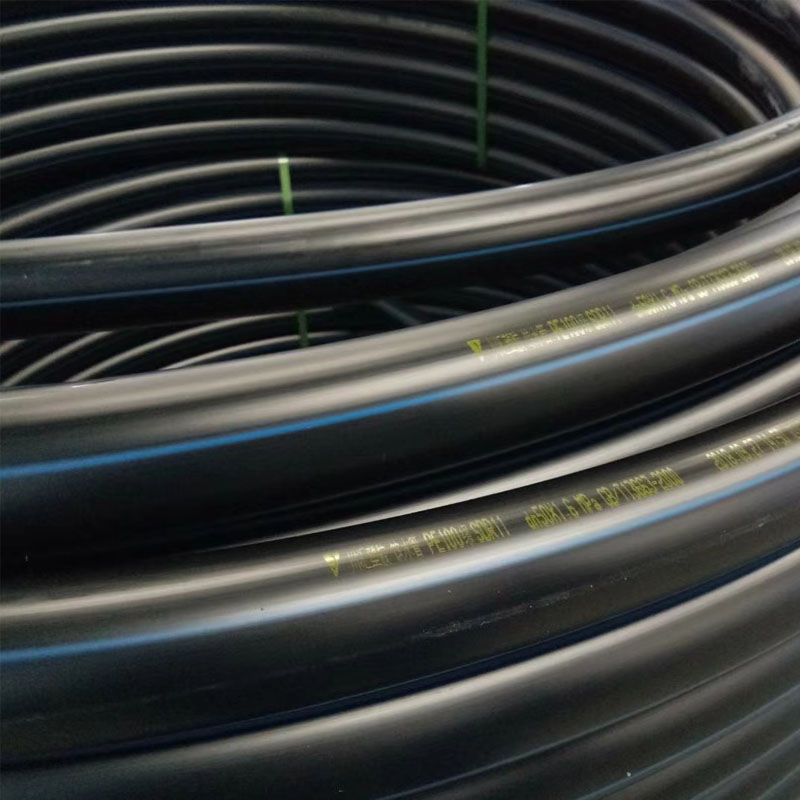
High-Density Polyethylene (HDPE) tube pipe constitutes a significant component in modern fluid and solid conveyance systems across a diverse range of industries, including municipal water distribution, irrigation, gas transport, and industrial effluent management. Distinguished by its high strength-to-density ratio, chemical resistance, and cost-effectiveness, HDPE pipe represents a substantial advancement over traditional materials like ductile iron and steel. This guide provides an in-depth technical analysis of wholesale HDPE tube pipe, encompassing material science, manufacturing processes, performance characteristics, potential failure modes, and relevant industry standards. The increasing demand for durable, lightweight, and corrosion-resistant piping solutions drives the prominence of HDPE, particularly in large-scale infrastructure projects. Core performance attributes center around pressure handling capability (related to pipe schedule and diameter), long-term hydrostatic strength (LTS), and resistance to slow crack growth (SCG).
Material Science & Manufacturing
HDPE, a thermoplastic polymer created from the polymerization of ethylene, exhibits a semi-crystalline structure. This crystalline arrangement is responsible for its high tensile strength, rigidity, and resistance to chemical degradation. The raw material, typically sourced from petroleum or natural gas, undergoes rigorous quality control to ensure consistent molecular weight distribution and minimal contamination. Manufacturing HDPE pipe predominantly employs extrusion processes. This involves melting HDPE pellets and forcing the molten polymer through a die that defines the pipe’s dimensions. Critical parameters during extrusion include melt temperature (typically 180-210°C), die pressure (dependent on pipe diameter and wall thickness), and cooling rate. Rapid cooling is essential to maintain the desired crystallinity and dimensional stability. Pipe dimensions are controlled according to standards like ASTM D3350 and EN 12201. Further processing involves marking (identifying manufacturer, material, size, and standard), and potentially, belling or socketing for joining. The grade of HDPE utilized (e.g., PE3408, PE4710) directly correlates with the pipe's pressure rating and intended application. The density of the HDPE material is a crucial factor, generally ranging from 0.93 to 0.97 g/cm³.
Performance & Engineering
The performance of HDPE tube pipe is governed by several key engineering principles. Stress analysis, particularly hoop stress due to internal pressure, is paramount in determining the pipe's structural integrity. The Barlow formula (σ = (PD)/(2t), where σ is hoop stress, P is internal pressure, D is pipe diameter, and t is wall thickness) provides a fundamental understanding of this relationship. HDPE exhibits ductile behavior, meaning it undergoes significant plastic deformation before fracture, providing a safety margin. However, long-term creep rupture, a time-dependent deformation under sustained stress, is a critical consideration, particularly at elevated temperatures. Therefore, Long-Term Hydrostatic Strength (LTS) ratings, determined through accelerated testing, are crucial for specifying appropriate pipe for specific operating conditions. Environmental resistance is another key performance factor. HDPE demonstrates excellent resistance to most acids, alkalis, and solvents. However, prolonged exposure to oxidizing agents and UV radiation can cause degradation. For buried applications, adequate soil cover is essential to prevent UV exposure. For above-ground applications, UV stabilizers are incorporated into the HDPE formulation. Joint performance is also critical; heat fusion jointing (butt fusion, socket fusion, electrofusion) creates a homogenous weld with strength comparable to the base material, minimizing potential leak paths. The coefficient of linear thermal expansion for HDPE is relatively high (approximately 0.2 mm/m/°C), necessitating consideration of thermal expansion and contraction during installation.
Technical Specifications
| Parameter | Unit | Typical Value (PE4710) | Test Standard |
|---|---|---|---|
| Hydrostatic Design Stress (HDS) | MPa | 8.0 | ASTM D3350 |
| Long Term Hydrostatic Strength (LTS) | MPa | 5.0 | ISO 11679 |
| Tensile Strength at Yield | MPa | 40 | ASTM D638 |
| Elongation at Break | % | >300 | ASTM D638 |
| Slow Crack Growth Resistance (SCGR) | Hours | >1000 | ASTM F1179 |
| Density | g/cm³ | 0.955 | ASTM D1505 |
Failure Mode & Maintenance
Several failure modes can affect the long-term integrity of HDPE tube pipe. Slow Crack Growth (SCG), initiated by residual stresses from manufacturing or installation, and exacerbated by sustained tensile stress and exposure to aggressive environments, is a primary concern. Environmental Stress Cracking (ESC) can occur due to exposure to certain chemicals. Fatigue cracking can arise from cyclic pressure fluctuations or ground movement. Brittle fracture can occur at low temperatures, especially in areas with high stress concentrations. Joint failures, due to improper fusion techniques or contamination during welding, represent another significant risk. Maintenance practices should focus on preventative measures. Regular visual inspections are crucial to identify signs of stress cracking, deformation, or leaks. Grounding and bonding are essential to prevent corrosion due to stray electrical currents. Proper backfill procedures, employing appropriate compaction and bedding materials, minimize stress on the pipe. Pressure testing, conducted periodically, verifies the system’s integrity. For minor leaks, heat fusion repair sleeves can provide a robust solution. In the event of a major failure, complete pipe replacement is generally recommended. Proper storage of HDPE pipe, shielded from direct sunlight and extreme temperatures, is also critical to prevent material degradation.
Industry FAQ
Q: What is the impact of soil corrosivity on the lifespan of HDPE pipe?
A: While HDPE itself is highly corrosion-resistant, aggressive soil conditions (high chloride content, low pH) can accelerate SCG. Increasing pipe wall thickness, employing protective coatings, and ensuring adequate cathodic protection are mitigation strategies.
Q: How does temperature affect the pressure rating of HDPE pipe?
A: Higher temperatures reduce the HDS and LTS of HDPE. Derating factors, specified in standards like ASTM D3350, must be applied to account for elevated operating temperatures.
Q: What are the critical considerations for heat fusion jointing?
A: Maintaining precise temperature control, ensuring clean and dry fusing surfaces, and adhering to established fusion parameters are vital for achieving strong and leak-proof joints. Proper operator training and qualification are also essential.
Q: What is the significance of the PE rating (e.g., PE3408, PE4710)?
A: The PE rating indicates the minimum required strength (MRS) of the HDPE material, directly correlating with its pressure-bearing capability and suitability for specific applications. Higher PE ratings indicate stronger materials.
Q: How can I determine the appropriate pipe schedule for a given application?
A: Pipe schedule selection involves considering the operating pressure, fluid temperature, soil conditions, and potential surge pressures. A thorough hydraulic analysis and adherence to relevant design standards are crucial for making an informed decision.
Conclusion
Wholesale HDPE tube pipe represents a robust and cost-effective solution for a broad spectrum of fluid and solid conveyance applications. Its inherent chemical resistance, ductility, and ease of installation contribute to its widespread adoption. However, a comprehensive understanding of the material’s properties, manufacturing processes, and potential failure modes is paramount for ensuring long-term performance and reliability.
Successful implementation hinges on meticulous attention to detail throughout the entire lifecycle, from material selection and installation to regular inspection and preventative maintenance. Ongoing research and development continue to enhance HDPE formulations and joining techniques, further solidifying its position as a leading piping material in the 21st century.
-
DN25 HDPE Compression Fitting-HORON INTERNATIONAL|Reliable Irrigation Solutions
NewsFeb.11,2026
-
wholesale pvc pipe price per foot Technical Analysis
News2026-09-21
-
wholesale long pvc pipe Technical Analysis and Manufacturing Specifications
News2026-09-15
-
wholesale plumbing kitchen sink water lines Material Performance
News2026-09-15
-
wholesale hdpe drip irrigation Material Science
News2026-09-15
-
wholesale hot water ppr pipe Performance Analysis
News2026-09-15
-
wholesale ppr plumbing Performance Analysis
News2026-09-15
-
wholesale ppr pipe supplier Performance Analysis
News2026-09-13
-
wholesale 50mm ppr pipe Performance Analysis
News2026-09-13
-
wholesale hdpe drip pipe Performance Analysis
News2026-09-13
-
wholesale hdpe pipe 63mm price Manufacturing Specification and Performance Analysis
News2026-09-13
-
wholesale hdpe pipe for potable water Manufacturing and Performance
News2026-09-13
-
wholesale pipe hdpe size Technical Analysis
News2026-09-12
-
wholesale coupler for hdpe pipe Performance Analysis
News2026-09-12
-
Wholesale HDPE Pipe Coupler Price Performance Analysis
News2026-09-12
-
wholesale 1 ppr pipe Performance Analysis
News2026-09-12