

Feb . 11, 2026 00:01 Back to list
wholesale hdpe to steel pipe connection Engineering Analysis
Introduction
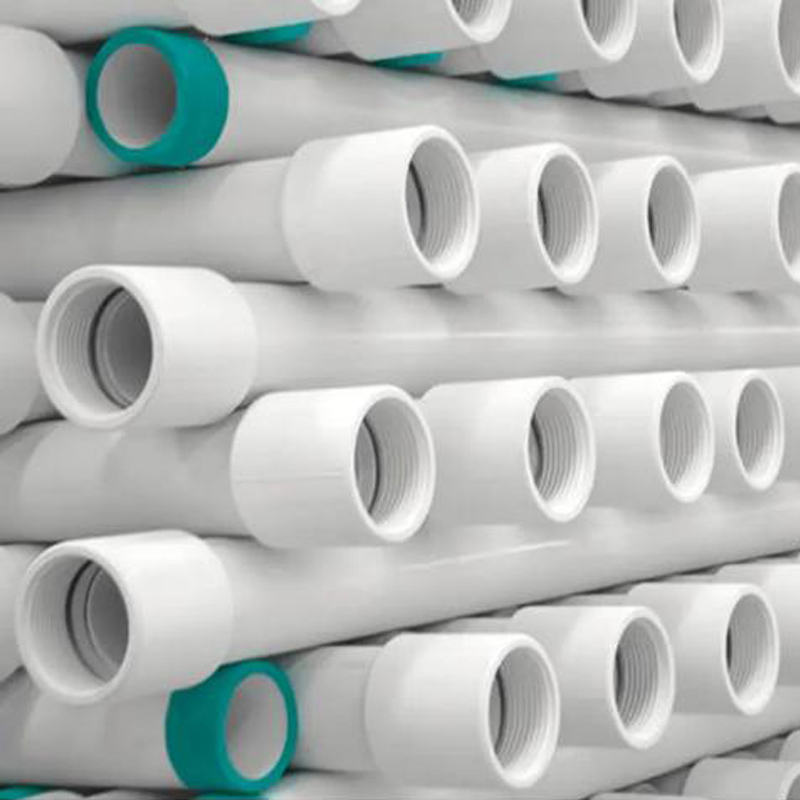
The connection of High-Density Polyethylene (HDPE) to steel pipe represents a critical juncture in numerous industrial applications, encompassing water distribution, gas transmission, and industrial process piping. This guide provides a comprehensive technical overview of these connections, detailing material properties, manufacturing considerations, performance characteristics, failure modes, and relevant industry standards. The inherent differences in thermal expansion coefficients and material properties between HDPE and steel necessitate specific engineering approaches to ensure long-term integrity and operational reliability. A primary industry pain point revolves around preventing galvanic corrosion at the interface and maintaining a leak-proof seal under varying operating pressures and environmental conditions. This guide aims to address these challenges with a focus on best practices for design, installation, and maintenance. HDPE’s flexibility and corrosion resistance complement steel’s strength, creating a hybrid system optimized for specific applications. The selection of appropriate connection methods – electrofusion welding, mechanical couplings, or flanged connections – is paramount to system performance.
Material Science & Manufacturing
HDPE, a thermoplastic polymer produced from the polymerization of ethylene, possesses a semi-crystalline structure imparting high tensile strength-to-density ratio and excellent chemical resistance. Its density typically ranges from 0.941 to 0.965 g/cm³, affecting its mechanical properties and flexibility. Manufacturing of HDPE pipes commonly involves extrusion, where molten HDPE is forced through a die to create the desired pipe diameter and wall thickness. Key process parameters include melt temperature (180-210°C), die pressure, and cooling rate, all impacting crystallinity and final pipe dimensions. Steel pipes utilized in these connections are typically carbon steel (ASTM A53 Grade B) or stainless steel (304/316) depending on the conveyed fluid and environmental conditions. Steel pipe manufacturing involves seam welding or seamless extrusion followed by heat treatment to achieve desired mechanical properties. The compatibility of HDPE and steel regarding thermal expansion is critical. HDPE exhibits a significantly higher coefficient of thermal expansion (approximately 1.7 x 10⁻⁴ /°C) compared to steel (approximately 1.2 x 10⁻⁵ /°C). This differential expansion requires accommodating design features, like expansion loops or flexible couplings. Electrofusion welding, a common joining method, relies on precisely controlled heating elements to melt both HDPE and the interface of specific steel fittings, creating a homogenous weld. Mechanical fittings utilize gaskets and clamping mechanisms to create a seal, requiring precise material selection to prevent corrosion and maintain seal integrity.
Performance & Engineering
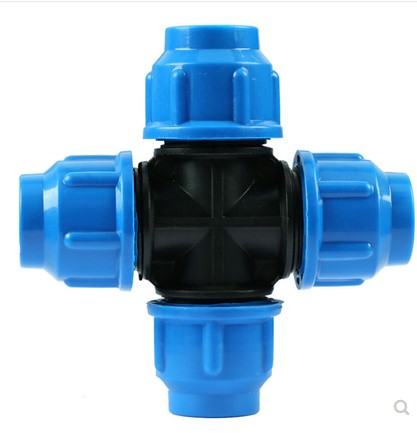
The performance of HDPE to steel pipe connections is governed by several engineering principles. Force analysis must consider internal pressure, external loads (soil loading, traffic), and thermal stresses. Internal pressure induces hoop stress in both HDPE and steel, requiring adequate wall thickness to prevent failure. External loads, particularly in buried applications, necessitate adequate bedding and backfill support to prevent pipe deformation and cracking. The greatest engineering challenge lies in mitigating galvanic corrosion. When dissimilar metals (HDPE and steel) are in contact in the presence of an electrolyte (soil moisture), an electrochemical reaction occurs, leading to corrosion of the less noble metal (typically steel). This can be addressed through the use of dielectric unions, sleeves, or coatings to electrically isolate the metals. Environmental resistance considerations include UV degradation of HDPE, which can be mitigated through the addition of UV stabilizers during manufacturing, and the potential for chemical attack on both materials. Compliance requirements vary by application and region. Potable water systems require materials certified to NSF/ANSI 61, while gas transmission systems are subject to DOT regulations. Fatigue analysis is crucial for applications involving cyclic pressure or temperature variations, assessing the long-term durability of the connection under these conditions. Finite element analysis (FEA) is often employed to model stress distribution and optimize connection design.
Technical Specifications
| Parameter | HDPE (PE100) | Carbon Steel (ASTM A53 Grade B) | Electrofusion Fitting (HDPE/Steel Interface) |
|---|---|---|---|
| Tensile Strength | 40-63 MPa | 400-550 MPa | ≥ 35 MPa (Weld Strength) |
| Yield Strength | 26-35 MPa | 250-310 MPa | N/A |
| Elongation at Break | 300-700% | 20-30% | ≥ 200% (Weld Elongation) |
| Coefficient of Thermal Expansion | 1.7 x 10⁻⁴ /°C | 1.2 x 10⁻⁵ /°C | Combined, dependent on fitting design |
| Operating Temperature Range | -40°C to 60°C | -20°C to 150°C | -40°C to 60°C (Limited by HDPE) |
| Corrosion Resistance | Excellent | Moderate (Requires Protection) | Dependent on Coating/Isolation |
Failure Mode & Maintenance
Common failure modes in HDPE to steel pipe connections include: 1) Galvanic corrosion at the steel interface, leading to pitting and weakening of the steel pipe; 2) Weld failures in electrofusion connections, resulting from improper welding parameters (temperature, pressure, time) or contamination; 3) Seal failures in mechanical couplings due to gasket degradation, improper installation, or damage from debris; 4) Stress cracking in HDPE caused by excessive tensile stress, particularly in areas of geometric discontinuity; 5) UV degradation of HDPE exposed to sunlight. Preventative maintenance is critical. Regular visual inspections should be conducted to identify signs of corrosion, cracking, or leakage. Dielectric testing can be employed to assess the effectiveness of electrical isolation measures. For electrofusion welds, periodic non-destructive testing (NDT) methods, such as ultrasonic testing, can detect subsurface defects. Gaskets in mechanical couplings should be replaced according to manufacturer's recommendations. Buried pipelines should be properly grounded to minimize the risk of stray current corrosion. In the event of a leak, the affected section should be immediately isolated and repaired or replaced. Proper joint preparation, adherence to welding procedures, and careful selection of materials are essential to minimize the likelihood of failure. Maintaining accurate records of installation, inspection, and maintenance activities is crucial for long-term reliability.
Industry FAQ
Q: What is the primary concern when connecting HDPE to steel in underground applications regarding long-term durability?
A: The primary concern is galvanic corrosion. The electrochemical potential difference between HDPE and steel, in the presence of an electrolyte (soil moisture), will cause the steel to corrode. Mitigating this requires dielectric isolation – using sleeves, unions, or coatings – to prevent a direct electrical connection between the two metals.
Q: What are the critical parameters to control during electrofusion welding of HDPE to steel?
A: Critical parameters include welding temperature, welding time, welding pressure, and ensuring a clean, dry interface. Temperature must be precisely controlled to achieve a homogenous weld without degrading the HDPE. Insufficient temperature leads to incomplete fusion; excessive temperature causes material degradation. Proper surface preparation is paramount.
Q: How does thermal expansion differential impact the design of these connections?
A: The significant difference in thermal expansion coefficients necessitates accommodations such as expansion loops, flexible couplings, or strategic joint placement to prevent stress buildup. Rigidly fixing the connection without allowance for expansion and contraction will inevitably lead to stress cracking or seal failure.
Q: What materials are commonly used for gaskets in mechanical HDPE to steel couplings and what are their limitations?
A: Common gasket materials include EPDM, NBR, and Viton. EPDM offers good all-around performance, but may not be suitable for oily applications. NBR is resistant to oils but has limited temperature range. Viton provides excellent chemical and temperature resistance but is more expensive. Limitations include susceptibility to degradation from UV exposure, chemical attack, and compression set over time.
Q: What NDT methods are typically employed to verify the integrity of electrofusion welds?
A: Ultrasonic testing (UT) is the most common NDT method used to detect subsurface defects in electrofusion welds. Radiographic testing (RT) can also be used, but requires specialized equipment and safety precautions. Visual inspection, although basic, is a critical first step to identify any surface imperfections.
Conclusion
The successful connection of HDPE to steel pipe demands a thorough understanding of material science, engineering principles, and industry best practices. Addressing the inherent challenges of thermal expansion differences and galvanic corrosion is paramount to ensuring long-term operational reliability. Careful attention to detail during design, installation, and maintenance is crucial. The selection of the appropriate connection method – electrofusion, mechanical coupling, or flanged connection – must be tailored to the specific application requirements, considering factors such as operating pressure, temperature, fluid compatibility, and environmental conditions.
Future advancements in materials science and welding technologies will likely lead to even more robust and reliable HDPE to steel pipe connections. Research into novel corrosion inhibitors and self-healing materials holds promise for mitigating the risk of galvanic corrosion. The integration of smart sensors and data analytics could enable proactive monitoring of connection integrity, allowing for early detection of potential failures and optimized maintenance schedules. Maintaining adherence to evolving industry standards and regulatory requirements remains vital for ensuring the safety and longevity of these critical infrastructure systems.
-
DN25 HDPE Compression Fitting-HORON INTERNATIONAL|Reliable Irrigation Solutions
NewsFeb.11,2026
-
hdpe coupling joint product Manufacturing Analysis
News2026-11-18
-
ppr pipe heating time products Performance Analysis
News2026-11-16
-
hdpe pipe sizes factory Performance Analysis
News2026-11-09
-
HDPE Pipe Sizes Service Performance Analysis
News2026-10-26
-
wholesale 15mm ppr pipe Material Science and Performance Analysis
News2026-10-20
-
wholesale pvc pipe price per foot Technical Analysis
News2026-09-21
-
wholesale long pvc pipe Technical Analysis and Manufacturing Specifications
News2026-09-15
-
wholesale plumbing kitchen sink water lines Material Performance
News2026-09-15
-
wholesale hdpe drip irrigation Material Science
News2026-09-15
-
wholesale hot water ppr pipe Performance Analysis
News2026-09-15
-
wholesale ppr plumbing Performance Analysis
News2026-09-15
-
wholesale ppr pipe supplier Performance Analysis
News2026-09-13
-
wholesale 50mm ppr pipe Performance Analysis
News2026-09-13
-
wholesale hdpe drip pipe Performance Analysis
News2026-09-13
-
wholesale hdpe pipe 63mm price Manufacturing Specification and Performance Analysis
News2026-09-13