

Feb . 11, 2026 00:01 Back to list
wholesale hdpe to pvc pipe coupling Performance Analysis
Introduction
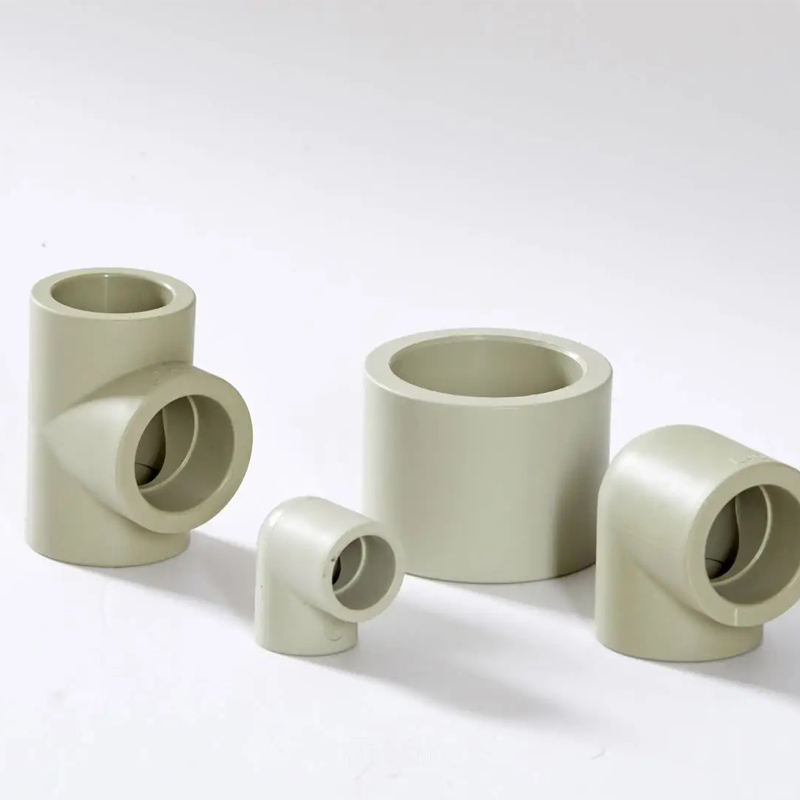
HDPE to PVC pipe couplings are critical components in fluid transfer systems, facilitating the connection between polyethylene high-density (HDPE) and polyvinyl chloride (PVC) pipes. These couplings address the inherent incompatibility in material properties and joining methods of HDPE and PVC, preventing leaks and ensuring system integrity. Commonly employed in irrigation, water distribution, drainage, and industrial piping networks, their selection and installation are paramount for long-term performance. The increasing demand for robust, corrosion-resistant piping solutions, coupled with the need to adapt existing infrastructure, drives the application of these couplings. Core performance metrics include pressure rating, chemical resistance, temperature tolerance, and long-term sealing capability. A primary industry pain point is selecting the appropriate coupling type – solvent weld, mechanical compression, or flanged – based on pipe size, operating pressure, fluid composition, and installation environment. Incorrect selection leads to premature failure, system downtime, and costly repairs.
Material Science & Manufacturing
HDPE and PVC possess fundamentally different chemical structures and physical properties, necessitating specific coupling materials and manufacturing processes. HDPE, a thermoplastic polymer, exhibits high tensile strength, ductility, and chemical resistance, making it suitable for pressure applications. Its molecular structure consists of long chains of ethylene, resulting in a semi-crystalline morphology. PVC, also a thermoplastic, features a chlorine-substituted polymer chain, contributing to its rigidity and flame retardancy. However, PVC is less ductile than HDPE and susceptible to degradation under UV exposure. Couplings are typically manufactured from polypropylene (PP), acrylonitrile butadiene styrene (ABS), or PVC itself, chosen for compatibility with both joined materials. The manufacturing process for compression couplings often involves injection molding, requiring precise temperature and pressure control to achieve dimensional accuracy and uniform material density. Solvent weld couplings rely on a chemical bonding process between the PVC coupling and the PVC pipe, requiring careful surface preparation and solvent application. Flanged couplings necessitate precise machining and gasket selection for leak-proof sealing. Key parameter control during manufacturing includes melt flow index (MFI) for thermoplastics, ensuring consistent material viscosity, and dimensional tolerances to guarantee a secure fit. Improper cooling rates during injection molding can lead to internal stresses and reduced coupling strength.

Performance & Engineering
The performance of HDPE to PVC pipe couplings is dictated by several engineering principles, primarily stress analysis and fluid dynamics. Couplings must withstand internal pressure generated by the conveyed fluid, resisting radial expansion and tensile stress. Finite Element Analysis (FEA) is often employed to model stress distribution under various loading conditions, optimizing coupling geometry for maximum strength and minimizing stress concentrations. The coupling’s sealing mechanism – whether compression, solvent weld, or gasketed – dictates its leak resistance. Compression couplings rely on the compressive force applied by the coupling body to create a watertight seal against the pipe OD. Solvent weld couplings form a homogenous bond between the pipe and coupling, eliminating potential leak paths. Flanged couplings depend on the compression of the gasket between the flange faces. Environmental resistance is another crucial factor, with couplings needing to withstand temperature fluctuations, UV exposure, and chemical attack from the conveyed fluid. Chemical compatibility between the coupling material and the fluid is essential to prevent degradation and swelling. Compliance requirements, such as NSF/ANSI 61 for potable water systems, dictate material safety and extractable levels. Force analysis determines the torque required for tightening compression fittings and the allowable compressive load on gaskets. Proper installation, adhering to manufacturer's specifications, is paramount for achieving optimal performance.
Technical Specifications
| Parameter | Unit | HDPE to PVC Compression Coupling (Typical) | HDPE to PVC Solvent Weld Coupling (Typical) |
|---|---|---|---|
| Maximum Operating Pressure | PSI | 150 | 100 |
| Temperature Range | °F | -40 to 140 | -40 to 140 |
| Pipe Size Range | inches | 0.5 to 6 | 0.5 to 4 |
| Material | - | Polypropylene (PP) | PVC |
| Sealing Method | - | Rubber Gasket & Compression | Solvent Cement Bonding |
| Chemical Resistance | - | Good to most common chemicals | Good to most common chemicals, limited by PVC's resistance |
Failure Mode & Maintenance
HDPE to PVC pipe couplings are susceptible to several failure modes, including: 1) Fatigue cracking: Repeated pressure cycles can induce fatigue cracks in the coupling body, particularly around stress concentration points. 2) Gasket failure (Compression Couplings): Degradation of the rubber gasket due to chemical attack, temperature extremes, or UV exposure can lead to leaks. 3) Solvent weld degradation (Solvent Weld Couplings): Exposure to aggressive chemicals or prolonged UV exposure can weaken the solvent weld joint. 4) Delamination (Solvent Weld Couplings): Inadequate surface preparation or improper solvent application can lead to delamination of the PVC pipe and coupling. 5) Corrosion (Metallic Components): In flanged couplings, corrosion of metallic components can compromise the integrity of the joint. 6) Thermal expansion/contraction mismatch: Differential thermal expansion between HDPE and PVC can induce stress on the coupling, leading to leaks or cracking. Preventative maintenance includes regular visual inspections for cracks, leaks, or signs of degradation. Gaskets should be replaced periodically as recommended by the manufacturer. Solvent weld joints should be protected from UV exposure. Periodic torque checks on compression couplings ensure adequate sealing force. For flanged couplings, corrosion protection measures, such as coatings or cathodic protection, should be implemented. Failure analysis should involve identifying the root cause of the failure to prevent recurrence. Proper storage of couplings, protecting them from UV exposure and extreme temperatures, is also crucial.
Industry FAQ
Q: What are the key considerations when selecting between a compression coupling and a solvent weld coupling for joining HDPE to PVC?
A: Compression couplings offer a quicker, simpler installation without the need for solvent cement, making them suitable for on-site repairs or temporary connections. They are also advantageous when working with limited ventilation. However, solvent weld couplings provide a more permanent, homogenous joint with potentially higher pressure ratings, assuming proper application. The fluid conveyed, operating temperature, and the need for future disassembly are crucial factors in selecting the appropriate coupling type.
Q: How does UV exposure affect the long-term performance of HDPE to PVC pipe couplings?
A: UV exposure can degrade the plastic materials of both the coupling and the PVC pipe, leading to embrittlement, cracking, and reduced strength. PP and PVC are susceptible to UV degradation, albeit to different degrees. Using UV-stabilized materials and providing shielding from direct sunlight (e.g., burying the pipeline or applying UV-resistant coatings) is essential to mitigate this risk.
Q: What is the importance of proper surface preparation when using solvent weld couplings?
A: Proper surface preparation is paramount for achieving a strong, leak-proof solvent weld joint. The pipe and coupling surfaces must be clean, dry, and free from any contaminants, such as oil, grease, or dirt. Deburring the pipe ends and ensuring a smooth, consistent surface texture are also critical. Inadequate surface preparation weakens the bond and increases the risk of failure.
Q: Can HDPE to PVC couplings be used in buried applications? What considerations are necessary?
A: Yes, HDPE to PVC couplings can be used in buried applications. However, the surrounding soil conditions and potential for differential settlement must be considered. Proper bedding and backfill materials are essential to provide support and prevent stress on the coupling. The coupling material should also be resistant to soil chemicals and potential corrosion.
Q: What are the limitations of using these couplings with highly corrosive fluids?
A: The chemical resistance of the coupling material must be carefully evaluated when conveying highly corrosive fluids. While PP and PVC exhibit good resistance to many chemicals, certain aggressive substances can cause degradation and failure. Selecting a coupling material specifically engineered for the conveyed fluid, or considering alternative joining methods, is crucial. Regular inspection and monitoring are also recommended.
Conclusion
HDPE to PVC pipe couplings represent a vital enabling technology for integrating disparate piping systems, facilitating fluid transfer in a diverse range of applications. Their performance is intrinsically linked to material selection, manufacturing precision, proper installation, and environmental considerations. Understanding the failure modes associated with these couplings, and implementing preventative maintenance strategies, are critical for ensuring long-term system reliability and minimizing operational costs. The appropriate coupling selection depends on a holistic assessment of operating parameters, fluid compatibility, and installation conditions.
Future advancements in coupling technology are likely to focus on developing materials with enhanced chemical resistance and UV stability, as well as incorporating smart monitoring capabilities for real-time leak detection and predictive maintenance. Standardization of testing protocols and performance criteria will also be important for ensuring quality and interoperability. The ongoing demand for sustainable and efficient piping solutions will continue to drive innovation in this critical component of infrastructure systems.
-
DN25 HDPE Compression Fitting-HORON INTERNATIONAL|Reliable Irrigation Solutions
NewsFeb.11,2026
-
hdpe coupling joint product Manufacturing Analysis
News2026-11-18
-
ppr pipe heating time products Performance Analysis
News2026-11-16
-
hdpe pipe sizes factory Performance Analysis
News2026-11-09
-
HDPE Pipe Sizes Service Performance Analysis
News2026-10-26
-
wholesale 15mm ppr pipe Material Science and Performance Analysis
News2026-10-20
-
wholesale pvc pipe price per foot Technical Analysis
News2026-09-21
-
wholesale long pvc pipe Technical Analysis and Manufacturing Specifications
News2026-09-15
-
wholesale plumbing kitchen sink water lines Material Performance
News2026-09-15
-
wholesale hdpe drip irrigation Material Science
News2026-09-15
-
wholesale hot water ppr pipe Performance Analysis
News2026-09-15
-
wholesale ppr plumbing Performance Analysis
News2026-09-15
-
wholesale ppr pipe supplier Performance Analysis
News2026-09-13
-
wholesale 50mm ppr pipe Performance Analysis
News2026-09-13
-
wholesale hdpe drip pipe Performance Analysis
News2026-09-13
-
wholesale hdpe pipe 63mm price Manufacturing Specification and Performance Analysis
News2026-09-13