

Feb . 11, 2026 00:01 Back to list
wholesale hdpe straight coupler Performance Analysis
Introduction
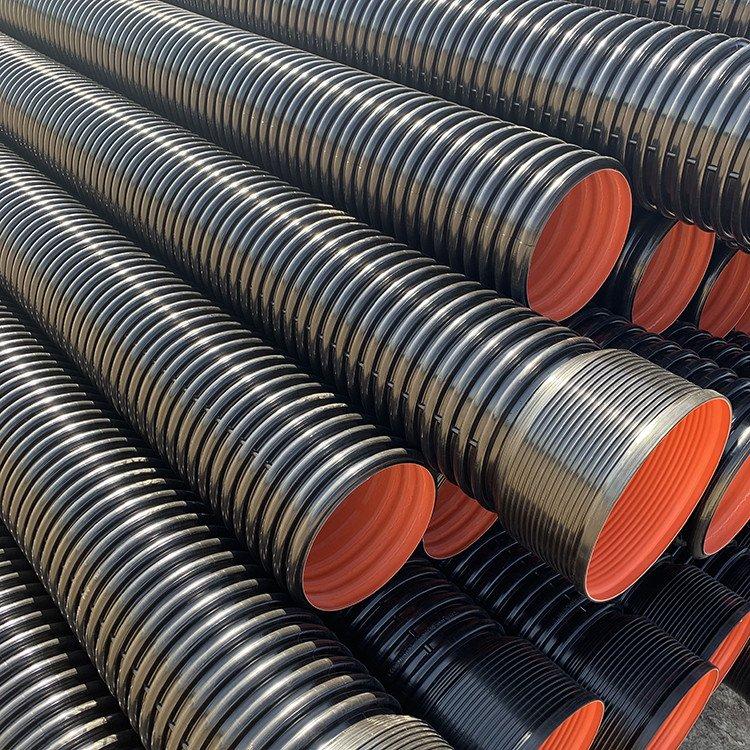
High-Density Polyethylene (HDPE) straight couplers are integral components in polyethylene (PE) piping systems, primarily utilized for joining sections of HDPE pipe of the same nominal diameter. These couplers are crucial in a diverse range of applications, including water distribution, gas transportation, irrigation, drainage, and industrial fluid handling. Positioned within the fluid conveyance infrastructure, their core function is to maintain system integrity and prevent leakage while accommodating thermal expansion and contraction. The performance of an HDPE straight coupler is fundamentally characterized by its pressure rating, material properties, and weldability (in the case of butt fusion couplers), directly impacting the long-term reliability and operational efficiency of the entire piping network. Industry pain points surrounding these components center on ensuring consistent dimensional accuracy for leak-proof joints, maintaining long-term resistance to chemical degradation in specific applications, and proper installation techniques to avoid stress cracking and premature failure. This guide provides an in-depth technical overview of HDPE straight couplers, covering material science, manufacturing processes, performance considerations, failure modes, and relevant industry standards.
Material Science & Manufacturing
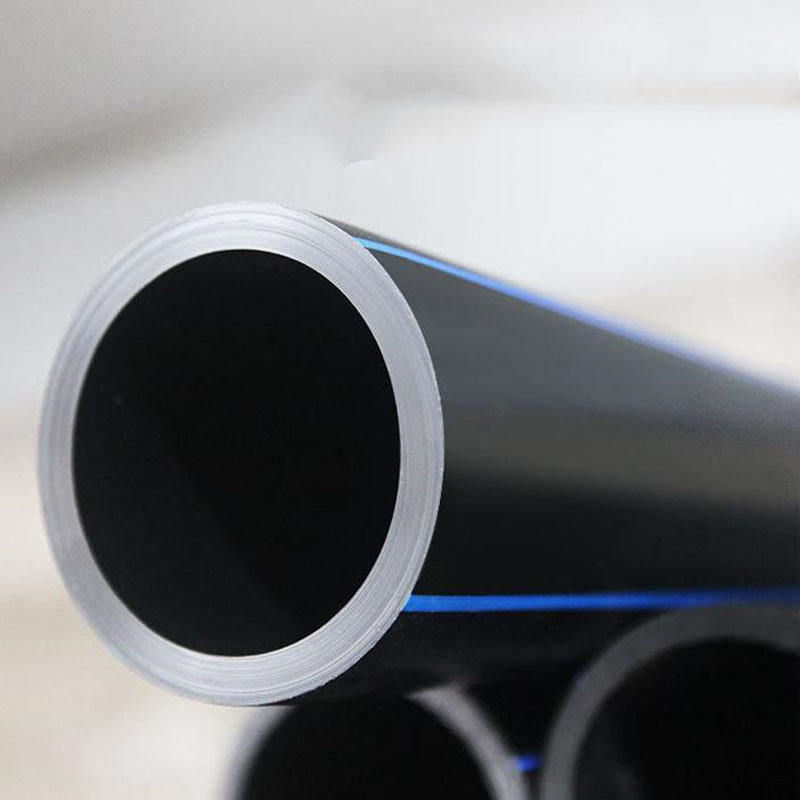
HDPE straight couplers are predominantly manufactured from high-density polyethylene resin, typically conforming to PE100 or PE80 classifications as defined by ISO 1167. PE100 offers superior mechanical properties, including higher tensile strength and improved resistance to slow crack growth compared to PE80. The raw material’s molecular weight distribution and density are critical parameters influencing the final product’s performance. Manufacturing processes vary depending on the coupler’s intended jointing method. Injection molding is commonly employed for smaller diameter couplers and those designed for mechanical connection (e.g., compression fittings). This process involves melting HDPE pellets and injecting them into a mold cavity under high pressure. Parameter control, specifically melt temperature, mold temperature, injection pressure, and cooling rate, is paramount to ensure dimensional accuracy and minimize internal stresses. For larger diameter couplers intended for butt fusion, extrusion is the preferred method. Extrusion involves forcing molten HDPE through a die to create a tubular profile, which is then cut to length. Critical control parameters include extruder screw speed, die temperature, and haul-off speed to maintain consistent wall thickness and diameter. Furthermore, quality control measures like melt flow index (MFI) testing, density measurements, and hydrostatic pressure testing are implemented throughout the manufacturing process to verify material compliance and product integrity. Chemical compatibility with transported fluids is assessed via immersion testing, ensuring no significant degradation occurs over prolonged exposure.
Performance & Engineering
The performance of HDPE straight couplers is governed by several engineering principles. Hydrostatic pressure testing, conducted according to ASTM D1597, validates the coupler’s ability to withstand internal pressure without failure. Force analysis, considering both hoop stress and longitudinal stress, is crucial in determining the coupler’s suitability for specific operating conditions. Environmental resistance is a key consideration, particularly concerning UV degradation and chemical attack. HDPE is susceptible to UV degradation, necessitating the addition of UV stabilizers during the manufacturing process. These stabilizers absorb UV radiation, preventing chain scission and maintaining mechanical properties. Chemical resistance depends on the specific fluid being conveyed; compatibility charts should be consulted to ensure the HDPE material is not adversely affected. Compliance requirements vary by region and application. For potable water systems, couplers must comply with NSF/ANSI 61 standards, ensuring they do not leach harmful contaminants into the water. Gas transportation systems require adherence to DOT regulations (in the US) or equivalent standards in other countries, focusing on material traceability and leak tightness. Finite element analysis (FEA) is increasingly used to model stress distribution within the coupler under various loading conditions, optimizing geometry and material selection for enhanced performance. Thermal expansion and contraction of HDPE necessitate proper installation techniques to avoid stress buildup and potential joint failure. Allowing for axial movement within the piping system is critical, particularly in long pipelines exposed to temperature fluctuations.
Technical Specifications
| Parameter | Units | PE80 | PE100 |
|---|---|---|---|
| Material Designation | - | PE80 | PE100 |
| Nominal Diameter | inches | 0.5 - 60 | 0.5 - 60 |
| Pressure Rating (PN) | bar | PN10, PN16 | PN10, PN16, PN20 |
| Hydrostatic Pressure Test (Hours) | - | 2 | 2 |
| Tensile Strength (Minimum) | MPa | 8.0 | 10.0 |
| Elongation at Break (Minimum) | % | 350 | 400 |
Failure Mode & Maintenance
Common failure modes in HDPE straight couplers include slow crack growth (SCG), particularly under sustained tensile stress, and rapid crack propagation (RCP) initiated by flaws or defects. SCG is often exacerbated by environmental factors like residual stresses from improper installation, chemical attack, or exposure to UV radiation. Fatigue cracking can occur in mechanically joined couplers subjected to cyclical loading. Oxidation can degrade the HDPE material over time, reducing its mechanical properties. Delamination can occur in injection molded couplers due to inadequate material bonding during the molding process. To mitigate these failures, proper installation techniques are paramount. This includes ensuring adequate support for the piping system, avoiding sharp bends, and minimizing stress concentrations. Regular inspection programs are recommended to identify potential problems early on. Visual inspection for cracks, deformation, or discoloration can reveal early signs of degradation. Hydrostatic testing can be performed periodically to verify the integrity of the piping system. Maintenance typically involves repairing or replacing damaged couplers. For butt fusion joints, re-fusion may be possible if the damage is localized. However, complete replacement is often the most reliable solution. Preventive maintenance, such as applying UV protective coatings and ensuring proper drainage to prevent water accumulation, can extend the service life of HDPE piping systems and couplers.
Industry FAQ
Q: What is the primary difference between PE80 and PE100 HDPE couplers in terms of long-term performance?
A: PE100 couplers offer significantly improved resistance to slow crack growth (SCG) and higher tensile strength compared to PE80. This translates to a longer service life and greater reliability, particularly in applications involving sustained stress or aggressive environments. While PE80 remains suitable for lower-pressure applications, PE100 is generally preferred for critical infrastructure projects where long-term integrity is paramount.
Q: How does the welding procedure impact the integrity of butt-fused HDPE coupler joints?
A: The butt fusion welding process requires precise control of temperature, pressure, and dwell time. Insufficient heating can lead to incomplete fusion, creating a weak joint prone to failure. Excessive heating can cause material degradation and distortion. Proper surface preparation, including cleaning and trimming, is also crucial. Adhering to established welding procedures, such as DVS 2207, and employing qualified welders are essential for ensuring the long-term integrity of butt-fused joints.
Q: What are the typical chemical compatibility concerns when using HDPE couplers with different fluids?
A: While HDPE exhibits excellent chemical resistance to many substances, it is vulnerable to attack by strong oxidizing agents, aromatic hydrocarbons, and chlorinated solvents. Prolonged exposure to these chemicals can cause swelling, cracking, or degradation of the material. It is essential to consult a chemical compatibility chart before using HDPE couplers with any fluid to ensure they are compatible.
Q: What is the significance of the SDR (Standard Dimension Ratio) in selecting an HDPE coupler?
A: The SDR is a dimensionless ratio representing the relationship between the pipe’s outer diameter and its wall thickness. A lower SDR indicates a thicker wall and higher pressure rating. Selecting the appropriate SDR is crucial to ensure the coupler can withstand the expected operating pressure and maintain structural integrity. The SDR must be consistent between the pipe and the coupler.
Q: What preventative measures can be taken to mitigate UV degradation of HDPE couplers exposed to sunlight?
A: HDPE is susceptible to UV degradation, leading to embrittlement and cracking. Preventative measures include using HDPE materials with UV stabilizers incorporated during manufacturing, applying UV protective coatings, and burying the piping system to shield it from direct sunlight. For above-ground applications, regular inspection and reapplication of UV coatings are recommended.
Conclusion
HDPE straight couplers represent a critical component in modern fluid conveyance systems, offering a robust and reliable joining solution when appropriately selected and installed. Their performance is intrinsically linked to the material properties of HDPE, the precision of manufacturing processes, and adherence to industry best practices. Understanding the potential failure modes – from slow crack growth to oxidative degradation – and implementing proactive maintenance strategies is vital for ensuring the long-term integrity and operational efficiency of these systems.
The ongoing advancements in HDPE resin technology, coupled with increasingly sophisticated modeling and simulation techniques, continue to enhance the performance and lifespan of these couplers. Future trends likely include the development of even more durable materials, improved welding procedures, and the integration of smart monitoring systems to detect early signs of degradation and prevent catastrophic failures. A continued focus on standardization, quality control, and proper installation will be essential for maximizing the benefits of HDPE straight couplers in diverse industrial applications.
-
DN25 HDPE Compression Fitting-HORON INTERNATIONAL|Reliable Irrigation Solutions
NewsFeb.11,2026
-
hdpe coupling joint product Manufacturing Analysis
News2026-11-18
-
ppr pipe heating time products Performance Analysis
News2026-11-16
-
hdpe pipe sizes factory Performance Analysis
News2026-11-09
-
HDPE Pipe Sizes Service Performance Analysis
News2026-10-26
-
wholesale 15mm ppr pipe Material Science and Performance Analysis
News2026-10-20
-
wholesale pvc pipe price per foot Technical Analysis
News2026-09-21
-
wholesale long pvc pipe Technical Analysis and Manufacturing Specifications
News2026-09-15
-
wholesale plumbing kitchen sink water lines Material Performance
News2026-09-15
-
wholesale hdpe drip irrigation Material Science
News2026-09-15
-
wholesale hot water ppr pipe Performance Analysis
News2026-09-15
-
wholesale ppr plumbing Performance Analysis
News2026-09-15
-
wholesale ppr pipe supplier Performance Analysis
News2026-09-13
-
wholesale 50mm ppr pipe Performance Analysis
News2026-09-13
-
wholesale hdpe drip pipe Performance Analysis
News2026-09-13
-
wholesale hdpe pipe 63mm price Manufacturing Specification and Performance Analysis
News2026-09-13