

Feb . 11, 2026 00:01 Back to list
wholesale hdpe sprinkler pipe price list Performance Analysis
Introduction
High-Density Polyethylene (HDPE) sprinkler pipe represents a crucial component in modern irrigation systems, offering a robust and cost-effective solution for water distribution in agricultural, commercial, and residential settings. Positioned within the broader plumbing and agricultural technology supply chain, HDPE pipe has largely superseded traditional materials like PVC and metal due to its superior durability, flexibility, and chemical resistance. This guide provides an in-depth examination of HDPE sprinkler pipe, covering its material science, manufacturing processes, performance characteristics, potential failure modes, and relevant industry standards. Wholesale pricing for this product is intrinsically linked to factors such as resin costs, pipe diameter, schedule (pressure rating), length, and order volume. Understanding these technical nuances is essential for procurement professionals and engineers seeking optimized performance and long-term reliability within irrigation infrastructure.
Material Science & Manufacturing
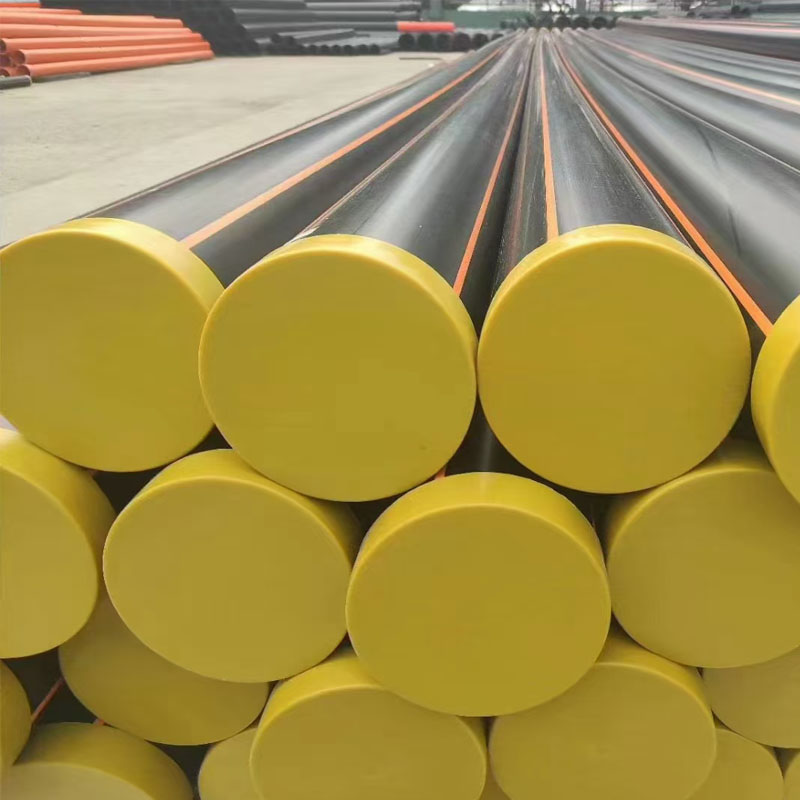
HDPE sprinkler pipe is manufactured from high-density polyethylene, a thermoplastic polymer known for its high strength-to-density ratio. The raw material is derived from the polymerization of ethylene, typically using Ziegler-Natta or metallocene catalysts. These catalysts control the molecular weight distribution and branching of the polymer chains, directly influencing the final material properties. Key physical properties include a density ranging from 0.93 to 0.97 g/cm³, a tensile strength between 20-30 MPa, and a relatively low coefficient of friction. The manufacturing process typically involves extrusion. HDPE resin is fed into an extruder, where it's melted and forced through a die to create a continuous pipe. Critical parameters during extrusion include melt temperature (typically 180-210°C), die pressure, and cooling rate. Precise control of these parameters is vital to ensure consistent wall thickness, dimensional accuracy, and prevent material degradation. Pipe schedules (e.g., Schedule 40, Schedule 80) denote wall thickness and corresponding pressure-bearing capabilities. The addition of UV stabilizers and antioxidants to the HDPE resin is also critical for long-term outdoor performance, preventing embrittlement and cracking due to prolonged exposure to sunlight and environmental factors. Post-extrusion, pipes are typically cooled, marked with relevant information (size, schedule, pressure rating, material designation, manufacturer), and cut to specified lengths.
Performance & Engineering
The performance of HDPE sprinkler pipe is governed by several engineering principles. Stress analysis, particularly hoop stress, is critical in determining the pipe’s ability to withstand internal pressure. The Barlow’s formula (P = 2S t / D) is commonly used to calculate the allowable internal pressure (P) based on hoop stress (S), wall thickness (t), and pipe diameter (D). HDPE's inherent flexibility allows for some degree of ground movement and thermal expansion/contraction without compromising the integrity of the system. However, proper anchoring and joint design are essential to prevent excessive stress concentration. Environmental resistance is a key advantage of HDPE. It exhibits excellent resistance to most chemicals commonly found in agricultural environments, including fertilizers, pesticides, and soil acids. However, prolonged exposure to strong oxidizing agents should be avoided. Compliance requirements vary by region and application. For potable water systems, HDPE pipe must meet NSF/ANSI 61 standards to ensure it doesn’t leach harmful contaminants into the water supply. For irrigation, compliance with local water authorities and agricultural best management practices is necessary. Furthermore, proper installation techniques, including trench bedding, backfilling, and joint fusion (butt fusion, socket fusion, electrofusion), are crucial for achieving optimal performance and preventing premature failure. Fatigue analysis is also important, particularly in systems subject to pressure fluctuations or vibration.
Technical Specifications
| Parameter | Unit | Schedule 40 | Schedule 80 |
|---|---|---|---|
| Outside Diameter | inch | 0.50 | 0.625 |
| Inside Diameter | inch | 0.438 | 0.544 |
| Wall Thickness | inch | 0.031 | 0.041 |
| Pressure Rating (at 73°F) | psi | 200 | 300 |
| Density | g/cm³ | 0.95 | 0.95 |
| Tensile Strength | MPa | 25 | 25 |
Failure Mode & Maintenance
HDPE sprinkler pipe, while durable, is susceptible to several failure modes. Slow Crack Growth (SCG) is a common issue, particularly in older pipes, caused by sustained tensile stress and exposure to certain chemicals. This manifests as small cracks that propagate over time, ultimately leading to leakage. Environmental Stress Cracking (ESC) is similar, but occurs more rapidly under higher stress levels. UV degradation can cause embrittlement and cracking, especially in areas with prolonged sunlight exposure. Joint failures are also common, often due to improper fusion techniques or inadequate surface preparation. Fatigue cracking can occur in systems subject to repeated pressure surges or vibrations. Damage during installation, such as punctures or crushing, is another frequent cause of failure. Maintenance practices should include regular visual inspections to identify signs of cracking, deformation, or leakage. Pressure testing can help detect hidden leaks. For minor cracks, repair sleeves or specialized HDPE patching compounds can be used. For significant damage or SCG, pipe replacement is often the most reliable solution. Proper backfilling and soil compaction around the pipe are crucial for preventing external stress and damage. Regularly flushing the irrigation system to remove sediment and debris can also help prevent clogging and pressure build-up, reducing the risk of failure.
Industry FAQ
Q: What is the expected lifespan of HDPE sprinkler pipe in a typical agricultural application?
A: The expected lifespan of HDPE sprinkler pipe can vary significantly depending on factors such as UV exposure, soil conditions, water quality, operating pressure, and installation quality. However, with proper installation and maintenance, a lifespan of 20-50 years is commonly achievable. UV stabilizers incorporated into the resin contribute significantly to longevity.
Q: How does HDPE pipe compare to PVC pipe in terms of cost and performance?
A: While PVC pipe is generally less expensive upfront, HDPE offers superior long-term performance and durability. HDPE is more resistant to impact, cracking, and chemical degradation, reducing the risk of failures and associated repair costs. Furthermore, HDPE is a more environmentally friendly option due to its recyclability.
Q: What are the key considerations for joining HDPE sprinkler pipe?
A: Proper joint fusion is critical for ensuring a leak-free and reliable connection. Butt fusion, socket fusion, and electrofusion are the most common methods. Each method requires specific equipment and training. Surface preparation, including cleaning and deburring, is essential for achieving a strong fusion bond. Following manufacturer’s recommendations for temperature, pressure, and cooling time is also crucial.
Q: How does temperature affect the performance of HDPE sprinkler pipe?
A: HDPE exhibits thermal expansion and contraction. While its flexibility allows for some movement, extreme temperature fluctuations can induce stress on the pipe and joints. Proper anchoring and expansion joints should be incorporated into the system design to accommodate thermal movement. Lower temperatures can increase the pipe’s brittleness, making it more susceptible to impact damage.
Q: What is the impact of water hammer on HDPE sprinkler pipe systems?
A: Water hammer, or pressure surge, can cause significant stress on the pipe and joints, potentially leading to failure. Pressure relief valves, surge suppressors, and slow-closing valves should be installed to mitigate the effects of water hammer. Proper pipe support and anchoring also help absorb shock waves.
Conclusion
HDPE sprinkler pipe provides a compelling solution for irrigation systems due to its robust material properties, ease of installation, and long-term durability. Understanding the nuances of its material science, manufacturing processes, and potential failure modes is paramount for procurement and engineering professionals. Wholesale pricing, while a crucial factor, should be weighed against the total lifecycle cost, considering the reduced maintenance and extended service life offered by HDPE compared to alternative materials.
Continued advancements in HDPE resin formulations and fusion techniques are expected to further enhance the performance and reliability of sprinkler pipe systems. Adherence to industry standards and best practices, coupled with regular maintenance and inspection, will ensure the long-term integrity and efficiency of these critical irrigation infrastructures.
-
DN25 HDPE Compression Fitting-HORON INTERNATIONAL|Reliable Irrigation Solutions
NewsFeb.11,2026
-
hdpe coupling joint product Manufacturing Analysis
News2026-11-18
-
ppr pipe heating time products Performance Analysis
News2026-11-16
-
hdpe pipe sizes factory Performance Analysis
News2026-11-09
-
HDPE Pipe Sizes Service Performance Analysis
News2026-10-26
-
wholesale 15mm ppr pipe Material Science and Performance Analysis
News2026-10-20
-
wholesale pvc pipe price per foot Technical Analysis
News2026-09-21
-
wholesale long pvc pipe Technical Analysis and Manufacturing Specifications
News2026-09-15
-
wholesale plumbing kitchen sink water lines Material Performance
News2026-09-15
-
wholesale hdpe drip irrigation Material Science
News2026-09-15
-
wholesale hot water ppr pipe Performance Analysis
News2026-09-15
-
wholesale ppr plumbing Performance Analysis
News2026-09-15
-
wholesale ppr pipe supplier Performance Analysis
News2026-09-13
-
wholesale 50mm ppr pipe Performance Analysis
News2026-09-13
-
wholesale hdpe drip pipe Performance Analysis
News2026-09-13
-
wholesale hdpe pipe 63mm price Manufacturing Specification and Performance Analysis
News2026-09-13