

Feb . 11, 2026 00:01 Back to list
wholesale hdpe sprinkler pipe fittings Manufacturing Performance Analysis

Introduction
High-Density Polyethylene (HDPE) sprinkler pipe fittings represent a crucial component in modern irrigation systems, offering a robust and chemically inert solution for water distribution in agricultural, commercial, and residential landscapes. Positioned within the broader network of fluid conveyance infrastructure, these fittings connect HDPE pipes, enabling the construction of complex sprinkler layouts. Their prevalence stems from a confluence of factors: corrosion resistance, ease of installation utilizing heat fusion or mechanical joining techniques, and a cost-effectiveness that surpasses traditional materials like metal in many applications. Core performance characteristics center around pressure rating, joint integrity, and UV resistance, directly impacting system efficiency and longevity. A critical pain point within the industry revolves around ensuring consistent material quality, particularly concerning the percentage of virgin HDPE versus recycled content, which significantly affects long-term performance and compliance with regulatory standards. Furthermore, understanding the specific HDPE resin grade (PE3408, PE4710, etc.) is essential for matching fitting performance to anticipated system pressures and operating conditions.
Material Science & Manufacturing
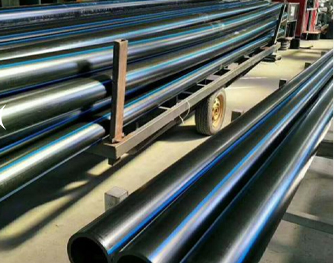
The foundational material for these fittings is HDPE, a thermoplastic polymer produced from the polymerization of ethylene. The properties of HDPE are dictated by its molecular weight distribution, density (typically ranging from 0.93 to 0.97 g/cm³), and the degree of branching. Higher density HDPE exhibits improved tensile strength and rigidity. Raw material selection is paramount, with varying grades impacting performance. PE3408, a common grade, provides adequate performance for lower-pressure systems, while PE4710 is preferred for higher-stress applications. The manufacturing process commonly involves injection molding. Precise control of mold temperature (typically 60-90°C), injection pressure (10-15 MPa), and cooling rates is critical to prevent warping, shrinkage, and residual stresses within the fitting. Extrusion is used for producing larger diameter fittings. Key parameters in extrusion include die temperature (180-220°C), screw speed (30-60 rpm), and haul-off speed. The fittings are often subject to hydrostatic testing to ensure leak-free performance. Chemical compatibility is excellent, resisting degradation from most commonly used fertilizers and pesticides, though prolonged exposure to strong oxidizing agents should be avoided. A significant manufacturing consideration is the potential for oxidation during processing. Antioxidant additives are routinely incorporated into the HDPE resin to mitigate this risk and prolong service life. Colorants are also added for identification and UV protection.
Performance & Engineering
The performance of HDPE sprinkler pipe fittings is governed by several critical engineering principles. Force analysis, particularly stress concentration around fitting geometries (e.g., elbows, tees), is essential to prevent premature failure. Finite element analysis (FEA) is frequently employed to optimize fitting designs and identify potential weak points. Environmental resistance is a key consideration. While HDPE is inherently resistant to corrosion, prolonged UV exposure can lead to embrittlement and reduced impact strength. UV stabilizers (carbon black, hindered amine light stabilizers - HALS) are incorporated into the material to mitigate this effect. Operating temperature also influences performance; HDPE’s mechanical properties degrade at elevated temperatures (above 60°C). Compliance requirements vary regionally, but generally adhere to standards related to potable water safety (e.g., NSF/ANSI 61) and pressure testing. The performance is directly affected by the joining method employed. Heat fusion (butt fusion, socket fusion, electrofusion) creates a homogenous joint with strength comparable to the pipe itself. Mechanical joining (threaded connections, compression fittings) introduces potential leak paths and stress risers. The pressure rating of a fitting is determined through hydrostatic burst testing, with safety factors applied based on the intended application. Fatigue resistance is also crucial in systems with cyclic pressure variations. Creep, the time-dependent deformation under constant stress, is a concern in long-term applications, and material selection and design must account for this phenomenon.
Technical Specifications
| Parameter | Unit | PE3408 (Typical) | PE4710 (Typical) |
|---|---|---|---|
| Pressure Rating | psi | 100 | 160 |
| Tensile Strength | MPa | 8.0 | 10.0 |
| Impact Strength (Izod Notched) | J/m | 80 | 120 |
| Hydrostatic Stress Resistance (100hr) | MPa | 5.5 | 8.0 |
| Operating Temperature Range | °C | -40 to 60 | -40 to 60 |
| UV Resistance (ASTM D4459) | % Retention (after 1000 hrs) | 70 | 80 |
Failure Mode & Maintenance
HDPE sprinkler pipe fittings, while durable, are susceptible to several failure modes. Fatigue cracking, particularly at stress concentrators like threads or weld joints, can occur due to repeated pressure cycles. Environmental Stress Cracking (ESC) can initiate in the presence of detergents or certain chemicals, leading to brittle fracture. UV degradation results in surface chalking, loss of impact strength, and eventual cracking. Oxidation, especially in poorly formulated or processed materials, can lead to embrittlement. Delamination can occur in fittings manufactured with inadequate mixing of additives. Proper maintenance is critical to prolong service life. Regular visual inspections should be conducted to identify cracks, discoloration, or signs of deformation. Pressure testing should be performed periodically to detect leaks. Flush systems annually to remove sediment and debris that can contribute to erosion or blockage. If damage is detected, the fitting should be replaced immediately. When using mechanical joints, ensure proper tightening torque to prevent leaks or stripping of threads. Heat fusion joints should be inspected for complete fusion and absence of voids. For UV-exposed fittings, consider applying a UV-protective coating periodically to extend their lifespan. Careful handling during installation is also crucial to avoid damaging the fittings.
Industry FAQ
Q: What is the difference between socket fusion and butt fusion, and which is more suitable for larger diameter fittings?
A: Socket fusion involves heating both the fitting and the pipe, then inserting the pipe into the fitting, creating a welded joint. It's best for smaller diameter pipes and fittings. Butt fusion, on the other hand, heats both ends of the pipes and the fitting, then forces them together under pressure. Butt fusion is the preferred method for larger diameter (typically above 2 inches) fittings as it provides a more consistent and structurally sound weld with less potential for distortion.
Q: How does the recycled content in HDPE fittings affect their long-term performance?
A: The percentage of recycled HDPE can impact several performance characteristics. Higher recycled content generally leads to reduced tensile strength, impact resistance, and UV resistance. While post-consumer recycled HDPE is acceptable, the source and quality control of the recycled material are critical. Reputable manufacturers will specify the percentage of recycled content and ensure it meets performance standards.
Q: What are the common causes of leaks in threaded HDPE fittings?
A: Leaks in threaded HDPE fittings can be caused by several factors: improper thread sealant application, over-tightening (damaging the threads), under-tightening (insufficient seal), cross-threading during assembly, or defects in the threads themselves. It's crucial to use a thread sealant specifically designed for polyethylene and to follow the manufacturer's recommended torque specifications.
Q: How important is UV protection in HDPE fittings used for outdoor sprinkler systems?
A: UV protection is extremely important. Prolonged exposure to ultraviolet radiation can cause HDPE to become brittle and crack, leading to fitting failure. Carbon black is the most common UV stabilizer, but the concentration must be sufficient to provide adequate protection. Fittings intended for continuous outdoor exposure should have a significant carbon black content or utilize alternative UV stabilizers like HALS.
Q: What is the significance of the PE4710 resin grade compared to PE3408?
A: PE4710 resin offers higher hydrostatic strength and stress crack resistance than PE3408. This translates to a higher pressure rating and improved long-term durability, making it suitable for more demanding applications or systems with higher operating pressures. While PE3408 is adequate for lower-pressure applications, PE4710 provides a margin of safety and extended service life.
Conclusion
HDPE sprinkler pipe fittings provide a durable, chemically resistant, and cost-effective solution for irrigation systems. The selection of the appropriate HDPE grade (PE3408 or PE4710) and joining method (heat fusion or mechanical) is crucial for ensuring long-term performance and reliability. Understanding potential failure modes such as fatigue cracking, ESC, and UV degradation, alongside implementing regular inspection and maintenance practices, is essential for maximizing the service life of these components.
Looking forward, advancements in HDPE resin technology, including the development of enhanced UV stabilizers and improved impact modifiers, will further extend the capabilities of these fittings. Continued adherence to stringent quality control measures during manufacturing and installation will remain paramount. Proper material selection coupled with informed engineering practices will ensure the continued success of HDPE sprinkler pipe fittings in diverse irrigation applications, promoting water conservation and efficient resource utilization.
-
DN25 HDPE Compression Fitting-HORON INTERNATIONAL|Reliable Irrigation Solutions
NewsFeb.11,2026
-
hdpe coupling joint product Manufacturing Analysis
News2026-11-18
-
ppr pipe heating time products Performance Analysis
News2026-11-16
-
hdpe pipe sizes factory Performance Analysis
News2026-11-09
-
HDPE Pipe Sizes Service Performance Analysis
News2026-10-26
-
wholesale 15mm ppr pipe Material Science and Performance Analysis
News2026-10-20
-
wholesale pvc pipe price per foot Technical Analysis
News2026-09-21
-
wholesale long pvc pipe Technical Analysis and Manufacturing Specifications
News2026-09-15
-
wholesale plumbing kitchen sink water lines Material Performance
News2026-09-15
-
wholesale hdpe drip irrigation Material Science
News2026-09-15
-
wholesale hot water ppr pipe Performance Analysis
News2026-09-15
-
wholesale ppr plumbing Performance Analysis
News2026-09-15
-
wholesale ppr pipe supplier Performance Analysis
News2026-09-13
-
wholesale 50mm ppr pipe Performance Analysis
News2026-09-13
-
wholesale hdpe drip pipe Performance Analysis
News2026-09-13
-
wholesale hdpe pipe 63mm price Manufacturing Specification and Performance Analysis
News2026-09-13