

Feb . 11, 2026 00:01 Back to list
wholesale hdpe reducing coupling Performance Engineering

Introduction
High-Density Polyethylene (HDPE) reducing couplings are integral components in thermoplastic piping systems, facilitating the connection of pipes with differing outer diameters. Primarily utilized in industrial fluid transfer, irrigation, mining, and wastewater management, these couplings provide a robust and leak-proof seal. Their technical position within the industry chain lies immediately downstream from HDPE pipe extrusion and upstream from system installation. Core performance characteristics include pressure rating, chemical resistance, and long-term durability. A key industry pain point is ensuring consistent dimensional accuracy of both the coupling and connecting pipes to prevent stress concentrations and premature failure. The selection of the correct HDPE grade and coupling design is critical for maintaining system integrity, particularly in applications involving elevated temperatures or corrosive fluids. Reducing couplings address the need to avoid costly modifications to existing piping infrastructure and accommodate future expansions without requiring complete system replacements. They represent a vital element in optimizing pipeline efficiency and minimizing lifecycle costs.
Material Science & Manufacturing
HDPE reducing couplings are predominantly manufactured from High-Density Polyethylene (HDPE) resins, typically conforming to ASTM D3350 or ISO 4455 standards. The raw material’s characteristics, specifically molecular weight distribution, density (typically 0.941 – 0.965 g/cm³), and melt flow index, directly impact the coupling’s physical and mechanical properties. Manufacturing processes commonly employed include injection molding and rotational molding. Injection molding is favored for high-volume production of precision couplings, offering tight tolerances and consistent wall thickness. This process involves heating HDPE pellets to a molten state and injecting them under high pressure into a cooled mold cavity. Critical parameters include melt temperature (180-240°C), mold temperature (30-60°C), and injection pressure (50-150 MPa). Rotational molding, while slower, allows for the production of larger, more complex coupling geometries, suitable for applications demanding greater structural integrity. Key parameters in rotational molding include oven temperature profiles (80-200°C) and rotation speed (40-120 rpm). Post-molding operations include deburring, quality inspection, and potentially surface treatments for enhanced UV resistance. Chemical compatibility is paramount; HDPE demonstrates excellent resistance to acids, alkalis, and many solvents, however, prolonged exposure to oxidizing agents should be avoided. The addition of carbon black is common to provide UV stabilization. Weldability is also a crucial factor, ensuring compatibility with HDPE pipe welding techniques like butt fusion and electrofusion. Improper cooling rates during molding can introduce residual stresses, leading to dimensional instability and potential cracking.
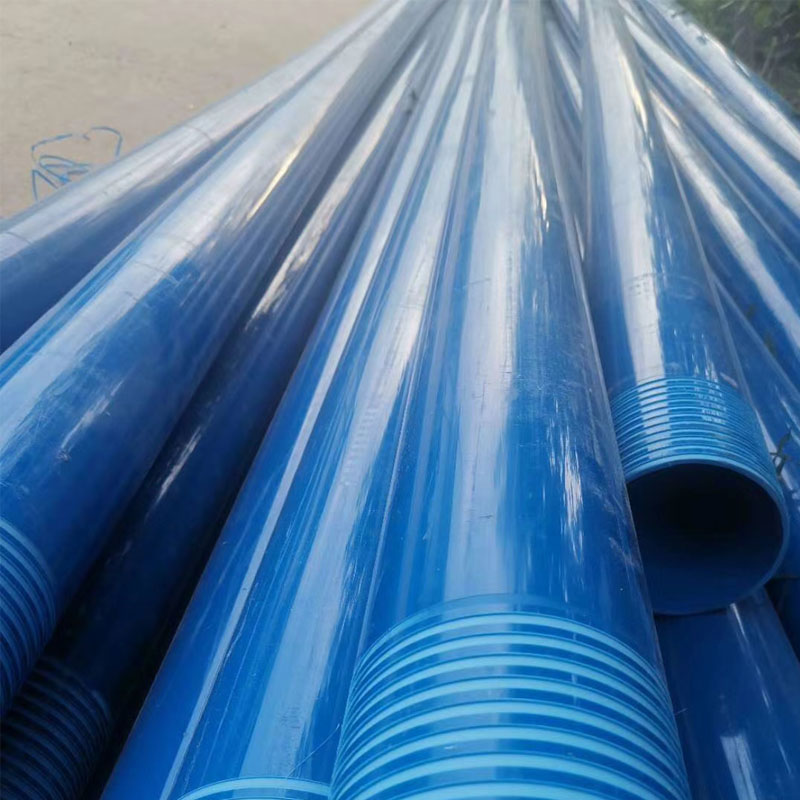
Performance & Engineering
The performance of HDPE reducing couplings is governed by several engineering principles. Pressure rating is determined by the coupling’s geometry, wall thickness, and the HDPE material’s hydrostatic strength. Calculations adhere to standards like ISO 14236, accounting for factors of safety. Force analysis considers hoop stress and longitudinal stress developed under internal pressure, and the design must prevent yielding or bursting. Environmental resistance is critical, especially concerning UV degradation and low-temperature brittleness. UV stabilizers are incorporated into the HDPE formulation to mitigate degradation from sunlight exposure. Impact resistance is assessed using notched impact testing (ASTM D256) to evaluate the coupling’s ability to withstand sudden shocks. Creep resistance, the tendency of the material to deform under sustained load, is another important consideration, particularly in long-term applications. Compliance requirements vary by region and application. For potable water systems, couplings must comply with NSF/ANSI 61 standards, ensuring they do not leach harmful contaminants into the water. For gas pipelines, they must meet stringent leak tightness requirements stipulated by EN 1555-3 or equivalent standards. The coupling's sealing mechanism, typically a rubber gasket or a fused weld, must maintain integrity under cyclical pressure changes and thermal expansion/contraction. Finite Element Analysis (FEA) is frequently employed to optimize coupling designs, predict stress distributions, and validate performance under various loading conditions.
Technical Specifications
| Parameter | Metric (Imperial) | Testing Standard | Typical Value |
|---|---|---|---|
| Pressure Rating | 16 bar (230 psi) | ISO 14236 | Up to 32 bar (460 psi) for specialized designs |
| Material | HDPE | ASTM D3350 / ISO 4455 | PE100, PE80 Grades available |
| Temperature Range | -40°C to 60°C (-40°F to 140°F) | ASTM D3350 | Extended temperature range with modified HDPE |
| Dimensions (Diameter Range) | 20mm – 315mm (¾” – 12”) | ISO 4455 | Custom sizes available upon request |
| Joint Type | Socket Fusion, Butt Fusion, Electrofusion | DVS 2205 | Dependent on application and pipe material |
| UV Resistance | ASTM D4455 | ASTM G154 | >2000 hours (with carbon black additive) |
Failure Mode & Maintenance
HDPE reducing couplings, while durable, are susceptible to specific failure modes. Fatigue cracking can occur under cyclical pressure or mechanical stress, particularly at stress concentrators like weld seams or sharp corners. Environmental Stress Cracking (ESC), induced by exposure to certain chemicals and mechanical stress, can lead to brittle failure. Oxidation, caused by prolonged exposure to high temperatures and oxygen, can degrade the HDPE material, reducing its strength and flexibility. Delamination can occur in couplings manufactured using rotational molding if proper bonding between layers is not achieved. UV degradation, despite the presence of stabilizers, can lead to surface cracking and embrittlement over extended exposure. Maintenance primarily focuses on preventative measures. Regular visual inspections should be conducted to identify any signs of cracking, deformation, or discoloration. Proper installation practices, adhering to manufacturer's recommendations and relevant standards, are crucial to prevent stress concentrations. Avoid over-tightening during socket fusion, and ensure adequate surface preparation before welding. In the event of a leak, the coupling should be replaced immediately. Cleaning with mild soap and water is permissible; however, the use of harsh solvents should be avoided as they can damage the HDPE material. Periodic pressure testing can verify system integrity and identify potential weaknesses. For long-term reliability, consider implementing a scheduled maintenance program that incorporates regular inspections and preventative maintenance procedures.
Industry FAQ
Q: What is the impact of temperature fluctuations on the performance of HDPE reducing couplings?
A: HDPE, like all polymers, expands and contracts with temperature changes. Significant temperature fluctuations can induce stress in the coupling and the connecting pipes, potentially leading to leakage or failure. Proper installation techniques, including allowing for thermal expansion and contraction, are crucial. The use of expansion joints or flexible pipe sections can mitigate these stresses. Furthermore, selecting a coupling with a suitable temperature range for the specific application is essential.
Q: How does the choice of gasket material affect the sealing performance of a reducing coupling?
A: The gasket material must be chemically compatible with the fluid being transported and possess sufficient elasticity to maintain a tight seal under pressure and temperature variations. Common gasket materials include EPDM, NBR, and Viton. EPDM is widely used for potable water applications due to its excellent chemical resistance and non-toxicity. NBR is suitable for oil-based fluids, while Viton provides superior resistance to aggressive chemicals and high temperatures. Incorrect gasket selection can lead to swelling, degradation, and leakage.
Q: What are the key considerations when selecting an HDPE reducing coupling for a pressurized irrigation system?
A: For pressurized irrigation, pressure rating is paramount. The coupling must withstand the maximum operating pressure of the system, with an appropriate safety factor. UV resistance is also crucial, as irrigation systems are typically exposed to prolonged sunlight. The coupling should be compatible with the irrigation water quality, including potential exposure to fertilizers and pesticides. Furthermore, the coupling should be designed to minimize water hammer effects, which can cause stress and damage to the piping system.
Q: What is the difference between socket fusion and butt fusion, and which is preferred for larger diameter couplings?
A: Socket fusion involves heating both the coupling and the pipe and inserting the pipe into the coupling socket, creating a weld as they cool. Butt fusion is used for larger diameters, welding the pipe ends directly together using a heated tool. Butt fusion offers higher strength and a more consistent weld quality for larger pipe sizes, reducing the risk of failure under high pressure. Socket fusion is generally preferred for smaller diameters and ease of installation.
Q: How do I identify a substandard or counterfeit HDPE reducing coupling?
A: Signs of a substandard coupling include inconsistent dimensions, poor surface finish, visible defects like voids or cracks, and a lack of proper markings or certifications. Counterfeit couplings may not meet the specified material properties or pressure ratings. Always purchase from reputable suppliers and verify the coupling’s compliance with relevant standards (ASTM D3350, ISO 4455). Conduct thorough visual inspections and, if possible, perform material testing to confirm authenticity.
Conclusion
HDPE reducing couplings represent a critical component in modern piping systems, offering a durable, chemically resistant, and cost-effective solution for connecting pipes of differing diameters. Their performance is intrinsically linked to the quality of the HDPE material, the precision of the manufacturing process, and adherence to relevant industry standards. Understanding the material science, manufacturing nuances, and potential failure modes is vital for ensuring long-term system reliability and minimizing lifecycle costs.
Moving forward, advancements in HDPE formulation, such as the incorporation of enhanced UV stabilizers and impact modifiers, will continue to improve the performance and longevity of these couplings. Furthermore, the integration of smart monitoring technologies, capable of detecting leaks and stress concentrations, will enable proactive maintenance and prevent catastrophic failures. Proper installation, regular inspection, and a commitment to quality assurance remain fundamental to maximizing the benefits of HDPE reducing coupling technology.
-
DN25 HDPE Compression Fitting-HORON INTERNATIONAL|Reliable Irrigation Solutions
NewsFeb.11,2026
-
hdpe coupling joint product Manufacturing Analysis
News2026-11-18
-
ppr pipe heating time products Performance Analysis
News2026-11-16
-
hdpe pipe sizes factory Performance Analysis
News2026-11-09
-
HDPE Pipe Sizes Service Performance Analysis
News2026-10-26
-
wholesale 15mm ppr pipe Material Science and Performance Analysis
News2026-10-20
-
wholesale pvc pipe price per foot Technical Analysis
News2026-09-21
-
wholesale long pvc pipe Technical Analysis and Manufacturing Specifications
News2026-09-15
-
wholesale plumbing kitchen sink water lines Material Performance
News2026-09-15
-
wholesale hdpe drip irrigation Material Science
News2026-09-15
-
wholesale hot water ppr pipe Performance Analysis
News2026-09-15
-
wholesale ppr plumbing Performance Analysis
News2026-09-15
-
wholesale ppr pipe supplier Performance Analysis
News2026-09-13
-
wholesale 50mm ppr pipe Performance Analysis
News2026-09-13
-
wholesale hdpe drip pipe Performance Analysis
News2026-09-13
-
wholesale hdpe pipe 63mm price Manufacturing Specification and Performance Analysis
News2026-09-13