

Feb . 11, 2026 00:01 Back to list
wholesale hdpe pipe size chart pdf Performance and Engineering
Introduction
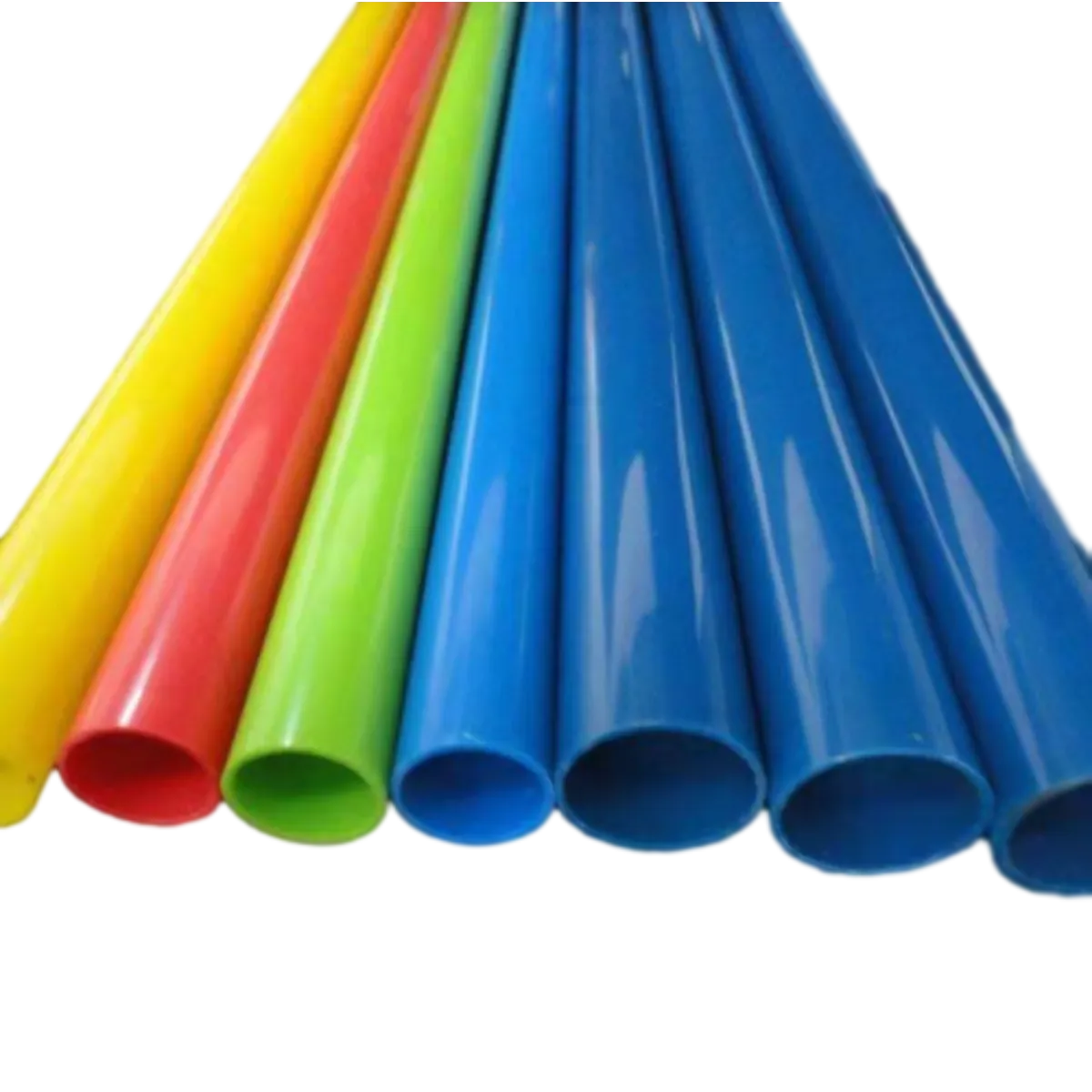
High-Density Polyethylene (HDPE) pipe is a thermoplastic pipe widely utilized in fluid and gas transfer applications, ranging from potable water distribution to industrial chemical conveyance. The “wholesale HDPE pipe size chart PDF” serves as a critical document for engineers, procurement managers, and installers, defining standardized dimensions and pressure ratings. Within the industrial chain, HDPE pipe occupies a significant position, bridging raw material suppliers (polyethylene resin manufacturers) with end-users across sectors including municipal waterworks, oil & gas, mining, and irrigation. Core performance characteristics driving its adoption include high chemical resistance, low friction loss, flexibility, leak-free joints (through heat fusion), and relatively low cost compared to traditional materials like ductile iron or steel. A critical challenge lies in accurately selecting the appropriate pipe size and Schedule (wall thickness) to balance cost-effectiveness with long-term operational integrity under specific pressure, temperature, and fluid compatibility conditions. The standardized sizing, detailed within the referenced chart, mitigates these risks.
Material Science & Manufacturing
HDPE pipe derives its properties from the polymerization of ethylene. The raw material, high-density polyethylene resin, is characterized by a linear polymer structure with minimal branching, leading to high crystallinity and, consequently, increased strength, rigidity, and chemical resistance. Density typically ranges from 0.941 to 0.965 g/cm³. The manufacturing process predominantly relies on extrusion. Polyethylene resin is fed into a hopper, melted, and forced through a die to form a continuous pipe. Critical parameters during extrusion include melt temperature (typically 180-210°C), die pressure, haul-off speed, and cooling rate. Variations in these parameters directly influence the pipe's dimensional accuracy, wall thickness uniformity, and overall mechanical properties. Further, the PE resin grade impacts performance; PE3408, PE4710, and PE100 are common designations reflecting minimum required strength (MRS) values according to ISO 11679. Post-extrusion, pipes undergo quality control checks including hydrostatic pressure testing to ensure conformance to standards like ASTM D1597. Long-term performance is significantly affected by the presence of carbon black, added as a UV stabilizer and to enhance resistance to slow crack growth (SCG). The quality and dispersion of carbon black are crucial.
Performance & Engineering
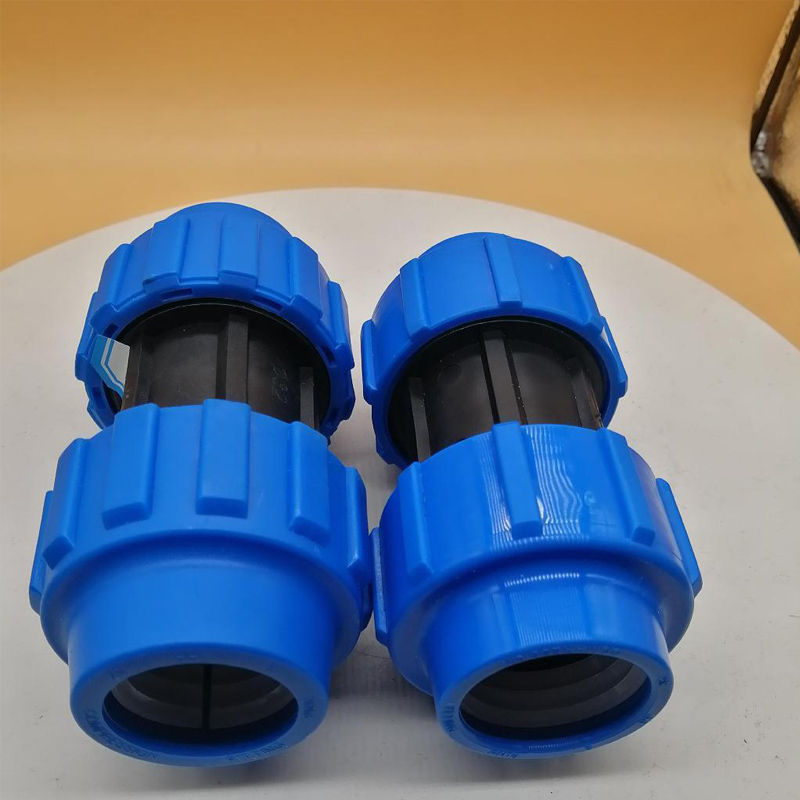
HDPE pipe performance is governed by several engineering considerations. Hydrostatic design stress (HDS) is a key factor, calculated based on pipe dimensions, material MRS, and a design factor reflecting safety margins. The pipe’s ability to withstand internal pressure without failure is critical. Force analysis often employs the Barlow’s formula (S = P D / 2t, where S = hoop stress, P = internal pressure, D = outside diameter, and t = wall thickness) to determine stress levels. Environmental resistance is also paramount. While HDPE exhibits excellent resistance to many chemicals, prolonged exposure to strong oxidizing agents or solvents can cause degradation. Temperature affects both strength and flexibility; elevated temperatures reduce strength and increase creep. Jointing methods, predominantly heat fusion (butt fusion, electrofusion, socket fusion), are critical. Proper fusion parameters (temperature, pressure, dwell time) are essential for achieving joint strengths comparable to the pipe material itself. Compliance requirements vary by region and application. For potable water, NSF/ANSI 61 certification is vital, ensuring the pipe does not leach harmful contaminants. Buried pipe is subject to external loads from soil, traffic, and ground movement, requiring appropriate bedding and backfill materials to prevent damage and maintain structural integrity.
Technical Specifications
| Nominal Pipe Size (inches) | Outside Diameter (inches) | Schedule 40 Wall Thickness (inches) | Schedule 80 Wall Thickness (inches) |
|---|---|---|---|
| 1/2 | 0.625 | 0.065 | 0.095 |
| 3/4 | 0.840 | 0.083 | 0.118 |
| 1 | 1.050 | 0.095 | 0.138 |
| 1 1/4 | 1.250 | 0.113 | 0.154 |
| 1 1/2 | 1.500 | 0.128 | 0.187 |
| 2 | 2.067 | 0.157 | 0.218 |
Failure Mode & Maintenance
HDPE pipe, while durable, is susceptible to specific failure modes. Slow Crack Growth (SCG) is a prevalent issue, particularly in applications involving sustained stress and exposure to aggressive environments. SCG is initiated by microscopic flaws and propagates slowly over time, eventually leading to brittle failure. Oxidation, especially at elevated temperatures, can degrade the polymer matrix, reducing strength and flexibility. Fatigue cracking can occur under cyclic pressure or bending loads. Improper installation, such as excessive bending radius or inadequate joint fusion, introduces stress concentrations that accelerate failure. Third-party damage during excavation is also a significant concern. Maintenance involves regular visual inspections for signs of cracking, deformation, or joint leakage. Pressure testing can identify potential weaknesses before they escalate into major failures. For minor leaks, heat fusion repair couplings can be employed. For more severe damage, pipe replacement is often necessary. Preventing failures requires adherence to proper installation procedures, selection of appropriate pipe materials for the specific application, and implementation of a preventative maintenance program including regular inspection and pressure testing.
Industry FAQ
Q: What is the impact of varying pipe schedules (e.g., Schedule 40 vs. Schedule 80) on pressure-bearing capacity?
A: Increasing the pipe schedule directly increases the wall thickness, which proportionally enhances the pressure-bearing capacity. Schedule 80 pipes have a significantly higher wall thickness than Schedule 40 pipes of the same nominal diameter, enabling them to withstand higher internal pressures. The pressure rating is directly linked to the HDS, and increased wall thickness translates to a higher allowable HDS.
Q: How does UV exposure affect long-term HDPE pipe performance, and what mitigation strategies are recommended?
A: Prolonged UV exposure degrades HDPE, leading to embrittlement and reduced mechanical properties. Carbon black is the primary UV stabilizer added during manufacturing. However, even with carbon black, extended exposure necessitates protective measures. These include burying the pipe, using UV-resistant coatings, or employing opaque pipe materials.
Q: What are the critical parameters to monitor during butt fusion jointing to ensure optimal weld strength?
A: Key parameters include fusion temperature, heating time, squeeze pressure, and cooling time. Maintaining accurate temperature control is crucial to achieve proper material softening without degradation. Squeeze pressure ensures intimate contact between the pipe ends. Sufficient cooling time prevents joint distortion and ensures optimal weld consolidation. Detailed procedures following DVS 3221 are commonly employed.
Q: What is the significance of the PE100 designation, and how does it compare to PE4710?
A: PE100 denotes a higher Minimum Required Strength (MRS) than PE4710. MRS dictates the long-term hydrostatic strength of the pipe. PE100 pipes can withstand higher sustained pressures over their service life compared to PE4710 pipes. PE100 is generally preferred for more demanding applications.
Q: What bedding and backfill materials are recommended for buried HDPE pipe to prevent damage from external loads?
A: Bedding materials should be well-graded granular materials, free of rocks and debris, to provide uniform support. Backfill materials should also be granular and compacted in layers to prevent voids and uneven loading. Sand, gravel, and properly compacted soil are common choices. Geotextile fabrics can be used to separate the bedding/backfill from surrounding soil and prevent contamination.
Conclusion
The selection and implementation of HDPE piping systems require a comprehensive understanding of material science, manufacturing processes, and engineering principles. The wholesale HDPE pipe size chart PDF is an essential tool, but its effective use necessitates consideration of pressure requirements, environmental conditions, and applicable industry standards. Proper jointing techniques, meticulous installation procedures, and regular maintenance are critical to ensuring long-term system reliability and preventing premature failure.
Future advancements in HDPE pipe technology will likely focus on enhancing UV resistance, improving SCG performance, and developing more sophisticated non-destructive testing methods for quality control. Continued adherence to evolving standards and best practices will be vital for maximizing the lifespan and minimizing the total cost of ownership of HDPE piping infrastructure.
-
DN25 HDPE Compression Fitting-HORON INTERNATIONAL|Reliable Irrigation Solutions
NewsFeb.11,2026
-
hdpe coupling joint product Manufacturing Analysis
News2026-11-18
-
ppr pipe heating time products Performance Analysis
News2026-11-16
-
hdpe pipe sizes factory Performance Analysis
News2026-11-09
-
HDPE Pipe Sizes Service Performance Analysis
News2026-10-26
-
wholesale 15mm ppr pipe Material Science and Performance Analysis
News2026-10-20
-
wholesale pvc pipe price per foot Technical Analysis
News2026-09-21
-
wholesale long pvc pipe Technical Analysis and Manufacturing Specifications
News2026-09-15
-
wholesale plumbing kitchen sink water lines Material Performance
News2026-09-15
-
wholesale hdpe drip irrigation Material Science
News2026-09-15
-
wholesale hot water ppr pipe Performance Analysis
News2026-09-15
-
wholesale ppr plumbing Performance Analysis
News2026-09-15
-
wholesale ppr pipe supplier Performance Analysis
News2026-09-13
-
wholesale 50mm ppr pipe Performance Analysis
News2026-09-13
-
wholesale hdpe drip pipe Performance Analysis
News2026-09-13
-
wholesale hdpe pipe 63mm price Manufacturing Specification and Performance Analysis
News2026-09-13