

Feb . 11, 2026 00:01 Back to list
wholesale hdpe pipe for irrigation Manufacturing Specifications and Performance Analysis
Introduction
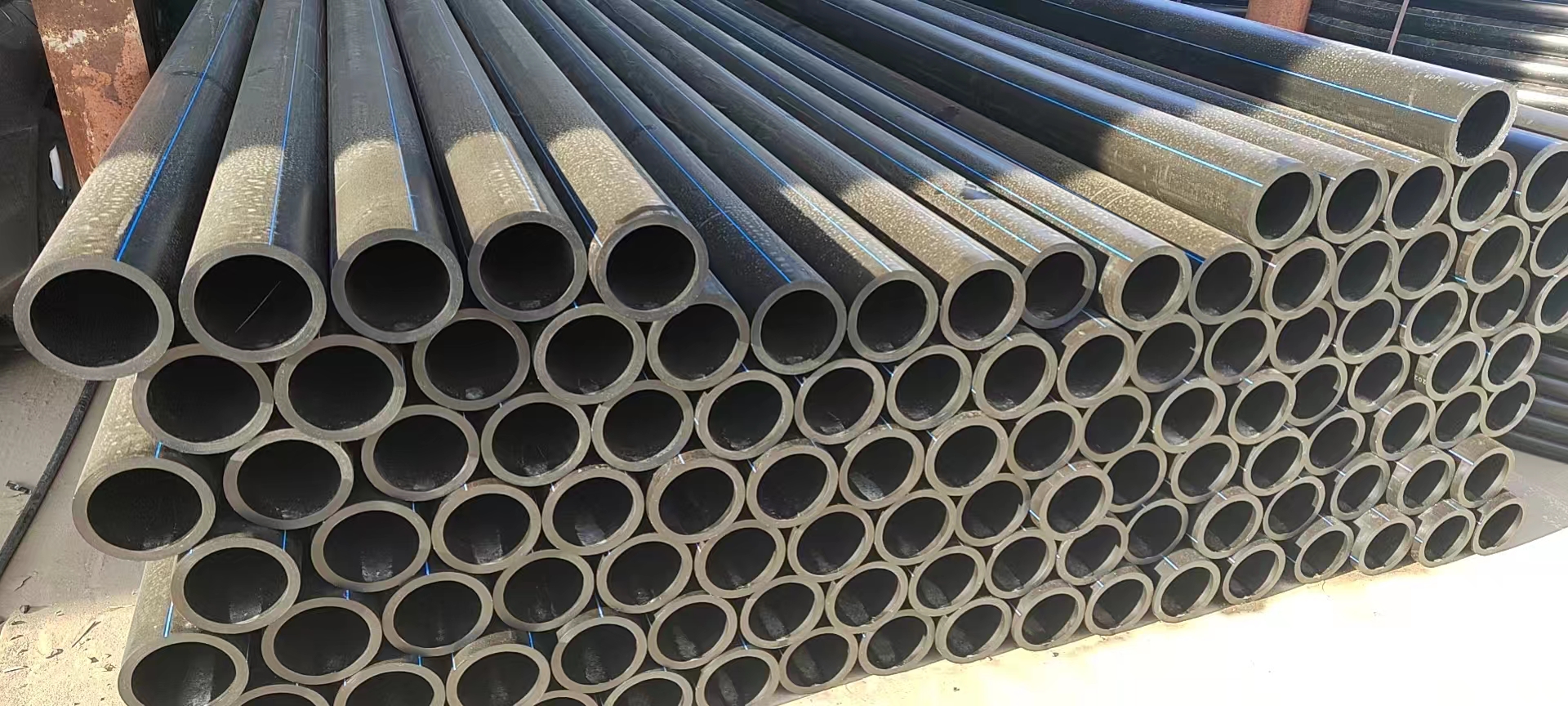
High-Density Polyethylene (HDPE) pipe represents a significant advancement in irrigation infrastructure, offering a durable, lightweight, and cost-effective alternative to traditional materials like steel, concrete, and PVC. Its technical position within the agricultural supply chain is pivotal, forming the core fluid conveyance system in diverse applications including drip irrigation, sprinkler systems, and micro-sprinkler arrays. HDPE pipe’s core performance characteristics – including its resistance to chemical degradation, flexibility for varied terrain, and long-term hydraulic efficiency – directly impact irrigation system longevity, water conservation, and overall farm productivity. The increasing demand for precision agriculture and sustainable water management drives the widespread adoption of HDPE irrigation piping. A key pain point addressed by HDPE is the reduction of water loss through leakage and corrosion, offering substantial economic and environmental benefits. Unlike metal pipes prone to rust and scale buildup, and rigid PVC which can fracture under stress, HDPE maintains consistent flow rates and minimizes maintenance requirements.
Material Science & Manufacturing
HDPE pipe for irrigation is primarily manufactured from polyethylene resin, typically grades designated as PE3408, PE3608, or higher, conforming to relevant international standards (detailed in the footer). The raw material's molecular structure dictates key properties such as tensile strength, impact resistance, and chemical inertness. Polyethylene is a thermoplastic polymer derived from the polymerization of ethylene. The density of the polyethylene, controlled during manufacturing, determines its rigidity and resistance to environmental stress cracking. The production process for HDPE irrigation pipe largely revolves around extrusion. Polyethylene resin is fed into a hopper, melted, and then forced through a die to form a continuous pipe. Critical parameters during extrusion include melt temperature (typically 180-210°C), die pressure, haul-off speed, and cooling rate. Precise control of these parameters ensures consistent wall thickness, diameter, and overall dimensional accuracy. Further, bimodal polyethylene resins are increasingly employed, providing enhanced stress crack resistance and improved slow crack growth performance. Post-extrusion processes often include sizing, cooling, printing (with relevant markings like size, pressure rating, and manufacturer information), and cutting to length. Jointing methods include butt fusion, electrofusion, and mechanical fittings, each requiring specific procedures and quality control measures to maintain system integrity. The choice of resin grade and extrusion parameters are heavily influenced by the intended operating pressure, soil conditions, and water chemistry.

Performance & Engineering
The performance of HDPE irrigation pipe is intrinsically linked to its ability to withstand internal hydrostatic pressure, external soil loads, and environmental stressors. Force analysis considers hoop stress (stress circumferential to the pipe) and longitudinal stress (stress along the pipe's axis), both of which are affected by operating pressure, pipe diameter, and wall thickness. The pressure rating of a pipe (typically expressed in PSI or Bar) is determined through rigorous hydrostatic testing. External loads, including soil overburden and traffic loads, are accounted for using industry-standard deflection calculations. Burial depth and appropriate bedding materials are crucial to mitigate these stresses. HDPE’s flexibility allows it to accommodate ground movement and thermal expansion/contraction without compromising integrity. Chemical resistance is a paramount performance characteristic. HDPE is highly resistant to a broad range of agricultural chemicals, fertilizers, and common soil constituents. However, prolonged exposure to strong oxidizing agents should be avoided. Environmental resistance encompasses UV degradation and temperature effects. While HDPE possesses inherent UV resistance, prolonged exposure to sunlight can lead to embrittlement. UV stabilizers are commonly added to the resin formulation to mitigate this effect. Operating temperature ranges are typically between -40°C and +60°C, but exceeding these limits can compromise performance. Compliance requirements vary by region, with standards such as NSF/ANSI 61 for potable water applications and relevant agricultural regulations governing water quality and environmental protection.
Technical Specifications
| Parameter | Metric (Imperial Units) | Typical Value | Testing Standard |
|---|---|---|---|
| Material | Polyethylene Resin | PE3408, PE3608, PE4710 | ASTM D3350 |
| Pressure Rating (PN) | Bar (PSI) | PN10 (145 PSI), PN16 (232 PSI) | ISO 1167 |
| Diameter | mm (inches) | 20mm – 630mm (0.8in – 25in) | ISO 4427 |
| Wall Thickness | mm (inches) | 2.3mm – 12.5mm (0.09in – 0.5in) | Calculated per ISO 1167 |
| Impact Strength (Charpy) | kJ/m² | >20 kJ/m² | ISO 148-M |
| Tensile Strength | MPa (PSI) | >20 MPa (2900 PSI) | ASTM D638 |
Failure Mode & Maintenance
HDPE irrigation pipe, while robust, is susceptible to several failure modes. Slow Crack Growth (SCG) is a primary concern, initiated by tensile stresses and exacerbated by contact with incompatible chemicals or abrasive soils. SCG manifests as longitudinal cracks that propagate slowly over time, eventually leading to leakage. Fatigue cracking can occur due to repeated pressure surges (water hammer) or cyclical loading from soil movement. Joint failures, particularly with mechanical fittings, are often attributed to improper installation or inadequate sealing. Oxidation can occur with long-term UV exposure, leading to material embrittlement, especially in thinner-walled pipes. Abrasion from suspended solids in the irrigation water can wear down the pipe wall over time. Preventative maintenance includes regular visual inspections for cracks, leaks, and deformation. Pressure testing should be conducted periodically to identify potential weak points. Proper bedding and backfilling practices minimize external stress. Avoiding the use of incompatible chemicals and implementing surge protection measures mitigate SCG and fatigue cracking. If a leak is detected, the affected section should be excavated and replaced using appropriate jointing techniques (butt fusion or electrofusion are preferred for permanent repairs). Periodic flushing of the irrigation system removes sediment buildup, reducing the risk of abrasion. Regularly check and tighten mechanical fittings to ensure a secure seal. Consider using pipe sleeves or protective coatings in areas prone to abrasion.
Industry FAQ
Q: What is the advantage of HDPE pipe over PVC for irrigation, considering initial cost differences?
A: While PVC pipe typically has a lower upfront cost, HDPE offers significant long-term advantages. HDPE’s superior durability, flexibility, and resistance to cracking and chemical degradation lead to a longer service life and reduced maintenance requirements. These factors often result in a lower total cost of ownership over the lifespan of the irrigation system, especially in demanding applications with varying soil conditions or aggressive water chemistry.
Q: How does the color of HDPE pipe affect its performance and suitability for irrigation?
A: Black HDPE pipe is most common, providing excellent UV resistance due to the carbon black pigment. However, prolonged exposure to direct sunlight can still cause some degradation. Blue HDPE pipe is often used to signify non-potable water applications, helping to prevent accidental cross-connection. The color itself does not significantly affect hydraulic performance but the UV protection provided by black is generally preferred.
Q: What are the critical considerations for jointing HDPE pipe to ensure a leak-proof connection?
A: Proper jointing is paramount. Butt fusion is the preferred method for larger diameter pipes, offering the strongest and most reliable connection. Electrofusion is suitable for smaller diameters and complex geometries. When using mechanical fittings, ensure they are compatible with HDPE and are installed according to the manufacturer's instructions, including proper tightening torque. Surface preparation and cleanliness are critical for all jointing methods.
Q: How does soil corrosivity impact the lifespan of HDPE irrigation pipe?
A: While HDPE is chemically inert to most soil constituents, highly corrosive soils (e.g., those with high sulfate content) can accelerate degradation over extended periods. Selecting HDPE grades with enhanced chemical resistance and providing adequate protective bedding around the pipe can mitigate this risk. Soil testing prior to installation is recommended in areas with known soil corrosivity issues.
Q: What are the recommended burial depths for HDPE irrigation pipe to protect against damage and ensure adequate frost protection?
A: Recommended burial depths vary depending on climate, soil type, and traffic loads. Generally, a minimum burial depth of 18 inches (450mm) is recommended to provide adequate frost protection and protection from surface damage. In areas with heavy traffic or potential for mechanical damage, a greater burial depth (e.g., 24-36 inches) should be considered. Local building codes and agricultural regulations should be consulted for specific requirements.
Conclusion
HDPE pipe stands as a superior material choice for wholesale irrigation applications, offering a compelling balance of durability, cost-effectiveness, and performance. Its inherent resistance to corrosion, chemical degradation, and cracking, coupled with its flexible installation characteristics, translates to reduced maintenance costs and a longer operational lifespan compared to traditional piping materials. The continued advancement of HDPE resin formulations and manufacturing techniques further enhances its capabilities, addressing evolving industry needs for sustainable water management and precision agriculture.
Moving forward, a greater emphasis on standardized installation procedures, proper jointing techniques, and proactive maintenance programs will be crucial to maximize the long-term benefits of HDPE irrigation systems. Further research into enhancing UV resistance and developing more robust SCG-resistant formulations will continue to drive innovation in this critical segment of the agricultural supply chain.
-
DN25 HDPE Compression Fitting-HORON INTERNATIONAL|Reliable Irrigation Solutions
NewsFeb.11,2026
-
hdpe coupling joint product Manufacturing Analysis
News2026-11-18
-
ppr pipe heating time products Performance Analysis
News2026-11-16
-
hdpe pipe sizes factory Performance Analysis
News2026-11-09
-
HDPE Pipe Sizes Service Performance Analysis
News2026-10-26
-
wholesale 15mm ppr pipe Material Science and Performance Analysis
News2026-10-20
-
wholesale pvc pipe price per foot Technical Analysis
News2026-09-21
-
wholesale long pvc pipe Technical Analysis and Manufacturing Specifications
News2026-09-15
-
wholesale plumbing kitchen sink water lines Material Performance
News2026-09-15
-
wholesale hdpe drip irrigation Material Science
News2026-09-15
-
wholesale hot water ppr pipe Performance Analysis
News2026-09-15
-
wholesale ppr plumbing Performance Analysis
News2026-09-15
-
wholesale ppr pipe supplier Performance Analysis
News2026-09-13
-
wholesale 50mm ppr pipe Performance Analysis
News2026-09-13
-
wholesale hdpe drip pipe Performance Analysis
News2026-09-13
-
wholesale hdpe pipe 63mm price Manufacturing Specification and Performance Analysis
News2026-09-13