

Feb . 11, 2026 00:01 Back to list
wholesale hdpe pipe for drinking water Performance Analysis
Introduction
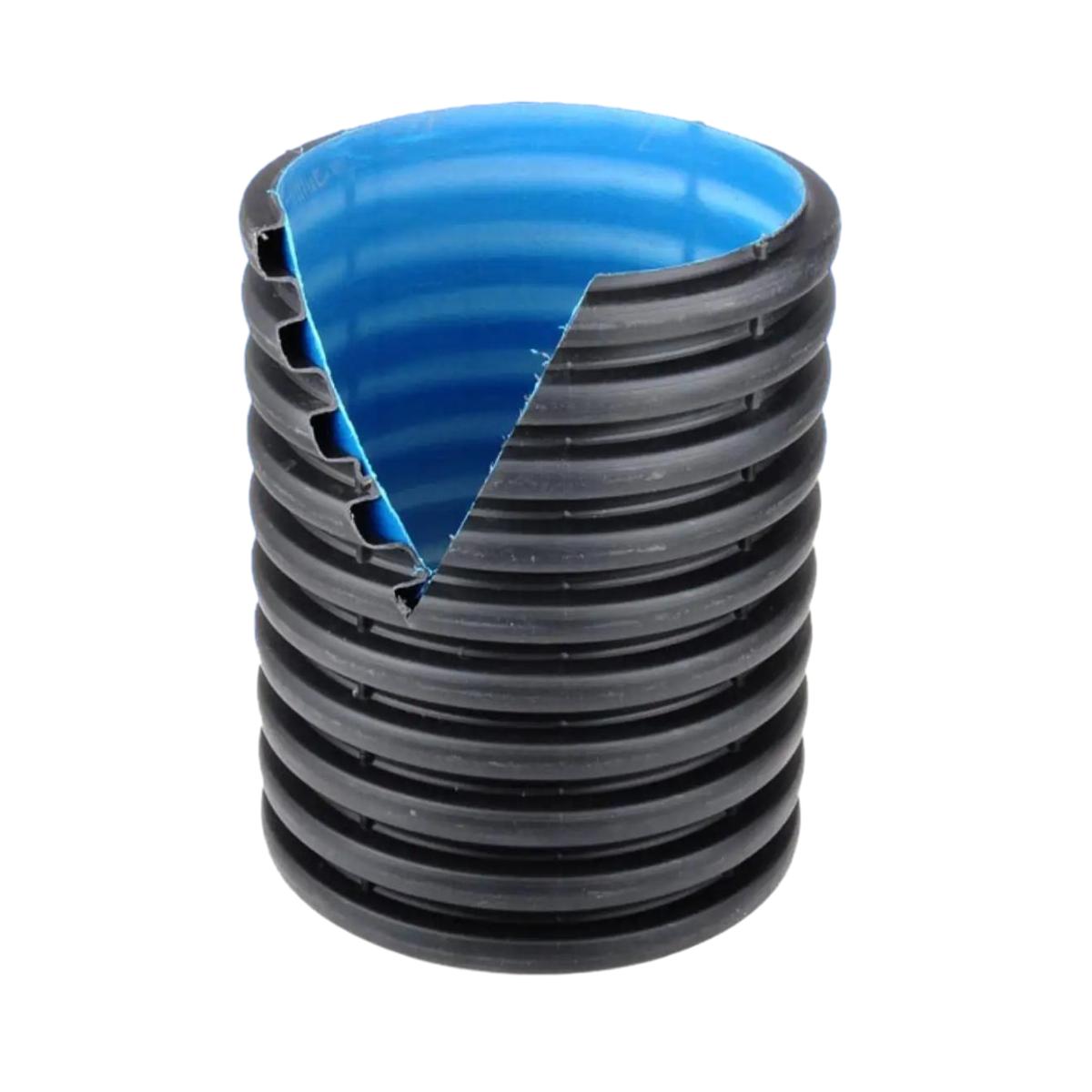
High-Density Polyethylene (HDPE) pipe for drinking water constitutes a critical component of modern water distribution infrastructure. Positioned as a direct replacement for traditional materials like ductile iron, steel, and PVC, HDPE pipe offers significant advantages in longevity, corrosion resistance, and installation efficiency. This guide provides an in-depth technical overview of wholesale HDPE pipe specifically designed for potable water applications, encompassing material science, manufacturing processes, performance characteristics, failure modes, and relevant industry standards. A core industry pain point revolves around ensuring long-term water quality preservation, minimizing leakage rates, and adhering to increasingly stringent regulatory compliance concerning material leachates and system integrity. HDPE pipe, when correctly specified and installed, directly addresses these concerns.
Material Science & Manufacturing
HDPE pipe derives its properties from the polymerization of ethylene. The resulting polymer exhibits a high degree of crystallinity, contributing to its strength and rigidity. Raw material selection is paramount; typically, HDPE resins conforming to PE100 standards (as per ISO 4427) are employed for potable water applications, ensuring a minimum required strength (MRS) of 10 MPa. Manufacturing predominantly occurs via extrusion. The process involves melting HDPE pellets and forcing them through a die to create a continuous pipe. Critical parameters during extrusion include maintaining consistent melt temperature (typically between 180°C and 210°C) to prevent thermal degradation, precise die geometry to ensure dimensional accuracy, and controlled cooling rates to establish the desired crystalline structure. Butt fusion, electrofusion, and socket fusion are common joining methods. Butt fusion, involving heating and pressing pipe ends together, yields the strongest and most reliable joints. Electrofusion utilizes electrical resistance heating within a fitting to create a homogenous weld. Quality control involves hydrostatic testing (withstanding pressures significantly exceeding operational levels), dimensional checks, and material property verification via techniques like Differential Scanning Calorimetry (DSC) to assess crystallinity and molecular weight distribution. Chemical compatibility with common water treatment chemicals (chlorine, chloramine) is a key consideration, with HDPE demonstrating excellent resistance to degradation.
Performance & Engineering
The performance of HDPE pipe in drinking water systems is dictated by several engineering factors. Pressure rating is a primary concern, determined by the pipe’s dimensions (diameter and wall thickness) and the MRS of the HDPE resin. According to ISO 4427 and ASTM D3261, pressure derating factors are applied based on operating temperature and fluid type. Stress analysis, often conducted using Finite Element Analysis (FEA), is employed to evaluate the pipe’s response to internal pressure, external loads (soil cover, traffic loads), and thermal expansion/contraction. HDPE’s coefficient of thermal expansion (approximately 0.21 mm/m°C) necessitates careful consideration in long-run installations to prevent buckling or joint separation. Environmental stress cracking (ESC) is a potential failure mechanism, accelerated by prolonged exposure to certain chemicals and sustained tensile stress. Consequently, proper bedding and backfill procedures are vital to minimize stress concentration. Leakage rates are inherently low due to the fusion-welded joints. HDPE's smooth internal surface minimizes friction losses, reducing pumping energy requirements. Compliance with NSF/ANSI 61 (drinking water system components) is crucial, verifying that the pipe material does not leach harmful contaminants into the water supply.
Technical Specifications
| Parameter | Unit | Typical Value (PE100) | Test Standard |
|---|---|---|---|
| Material | - | High-Density Polyethylene (PE100) | ISO 4427, ASTM D3261 |
| Minimum Required Strength (MRS) | MPa | 10 | ISO 4427 |
| Density | kg/m³ | 950 - 965 | ASTM D1505 |
| Hydrostatic Design Stress (HDS) | MPa | Varies with temperature and size | ASTM D3261 |
| Thermal Conductivity | W/m·K | 0.42 | ASTM E1225 |
| Coefficient of Linear Thermal Expansion | mm/m·°C | 0.21 | ASTM E831 |
Failure Mode & Maintenance
HDPE pipe, while robust, is susceptible to specific failure modes. Slow Crack Growth (SCG) is a prevalent issue, originating from surface defects or stress concentrations and propagating slowly over time, particularly in environments with residual stress. Environmental Stress Cracking (ESC), as mentioned previously, can lead to brittle failure when exposed to incompatible chemicals and tensile stress. UV degradation can embrittle the pipe surface if exposed to prolonged sunlight; therefore, appropriate UV stabilization additives are crucial, and buried installations are preferred. Joint failures are often attributable to improper fusion welding techniques (insufficient heating, inadequate pressure) or contamination of the welding surfaces. Ground movement and excessive external loads can induce bending stresses, potentially causing pipe cracking. Maintenance primarily involves regular leak detection surveys (acoustic methods are common) and visual inspections of exposed pipe sections. When repairs are necessary, cut-and-replace sections using fusion welding are the preferred method. Preventive maintenance includes ensuring adequate bedding and backfill material, controlling external loads, and periodic assessment of soil conditions to detect potential ground instability. For SCG issues, cathodic protection may be considered in aggressive soil environments.
Industry FAQ
Q: What is the impact of water hammer on HDPE pipe systems?
A: Water hammer, caused by sudden changes in flow velocity, can generate significant pressure surges within the pipeline. While HDPE possesses inherent flexibility, prolonged or intense water hammer can exceed the pressure rating of the pipe and joints, potentially leading to failure. Mitigation strategies include the use of surge arrestors, slow-closing valves, and proper pipe anchoring to absorb shock waves. Hydraulic modeling is essential to predict and manage water hammer effects.
Q: How does HDPE pipe compare to ductile iron pipe regarding corrosion?
A: HDPE is inherently corrosion-resistant, unlike ductile iron which is susceptible to both internal and external corrosion. Ductile iron requires protective coatings (e.g., epoxy, polyurethane) and cathodic protection to mitigate corrosion, adding to lifecycle costs. HDPE eliminates the need for these measures, offering a significantly longer service life in corrosive environments. This is a substantial advantage in soils with high chloride or sulfate content.
Q: What are the implications of using improper bedding material around HDPE pipe?
A: Improper bedding material (e.g., rocks, sharp objects) can create localized stress concentrations on the pipe, increasing the risk of SCG or cracking. The bedding material should be properly compacted and conform to the pipe’s contours, providing uniform support. ASTM D3261 specifies recommended bedding practices, emphasizing the use of granular materials free of debris. Inadequate bedding can also contribute to excessive pipe deflection, potentially affecting joint integrity.
Q: Can HDPE pipe be used in seismic regions?
A: HDPE’s flexibility and inherent resistance to cracking make it a suitable option for seismic regions. Its ability to deform and absorb energy without catastrophic failure is a significant advantage. However, proper design considerations are crucial, including adequate joint restraint and flexible connections to accommodate ground movement. Seismic joint design should adhere to relevant local building codes and standards.
Q: What are the leaching concerns with HDPE pipe used for potable water?
A: HDPE, when manufactured according to NSF/ANSI 61 standards, exhibits minimal leaching of harmful contaminants into the water supply. These standards require rigorous testing to ensure that the material meets strict criteria for purity and safety. PE100 resins specifically designed for potable water applications have a proven track record of safe and reliable performance. Regular water quality monitoring can further confirm the absence of harmful leachates.
Conclusion
Wholesale HDPE pipe represents a robust and cost-effective solution for drinking water distribution systems. Its inherent corrosion resistance, flexibility, and ease of installation provide significant advantages over traditional materials. Successful implementation, however, hinges on meticulous attention to material selection, manufacturing quality control, proper installation procedures, and ongoing maintenance practices. Understanding the potential failure modes – such as SCG, ESC, and UV degradation – is critical for ensuring long-term system integrity and preserving water quality.
Future advancements in HDPE pipe technology are likely to focus on enhanced resin formulations with improved resistance to ESC and SCG, as well as the integration of smart sensors for real-time monitoring of pipe integrity and leak detection. Continued adherence to stringent industry standards and best practices will be essential for maximizing the lifespan and reliability of HDPE water distribution networks, guaranteeing safe and sustainable water delivery for years to come.
-
DN25 HDPE Compression Fitting-HORON INTERNATIONAL|Reliable Irrigation Solutions
NewsFeb.11,2026
-
hdpe coupling joint product Manufacturing Analysis
News2026-11-18
-
ppr pipe heating time products Performance Analysis
News2026-11-16
-
hdpe pipe sizes factory Performance Analysis
News2026-11-09
-
HDPE Pipe Sizes Service Performance Analysis
News2026-10-26
-
wholesale 15mm ppr pipe Material Science and Performance Analysis
News2026-10-20
-
wholesale pvc pipe price per foot Technical Analysis
News2026-09-21
-
wholesale long pvc pipe Technical Analysis and Manufacturing Specifications
News2026-09-15
-
wholesale plumbing kitchen sink water lines Material Performance
News2026-09-15
-
wholesale hdpe drip irrigation Material Science
News2026-09-15
-
wholesale hot water ppr pipe Performance Analysis
News2026-09-15
-
wholesale ppr plumbing Performance Analysis
News2026-09-15
-
wholesale ppr pipe supplier Performance Analysis
News2026-09-13
-
wholesale 50mm ppr pipe Performance Analysis
News2026-09-13
-
wholesale hdpe drip pipe Performance Analysis
News2026-09-13
-
wholesale hdpe pipe 63mm price Manufacturing Specification and Performance Analysis
News2026-09-13