

Feb . 11, 2026 00:01 Back to list
wholesale hdpe pipe diameters Performance Engineering

Introduction
High-Density Polyethylene (HDPE) pipe, available in wholesale diameters, represents a critical component in modern fluid and gas conveyance systems. Positioned within the industrial chain as a direct replacement for traditional materials like ductile iron, steel, and concrete, HDPE pipe offers advantages in corrosion resistance, weight, and installation efficiency. Its increasing adoption spans municipal water and sewer, oil and gas gathering, mining, and industrial applications. Core performance characteristics revolve around its pressure-bearing capacity, long-term durability, and ability to accommodate a wide range of temperatures and chemical exposures. The focus on diameter selection is paramount, as it directly impacts flow rates, pressure drop, and the overall hydraulic performance of the system. This guide provides a comprehensive technical overview of wholesale HDPE pipe diameters, encompassing material science, manufacturing, performance engineering, failure modes, and relevant industry standards.
Material Science & Manufacturing
HDPE pipe derives its properties from the polymerization of ethylene. The raw material, high-density polyethylene resin, is characterized by a linear structure and minimal branching, resulting in high tensile strength and rigidity. Crucially, the molecular weight distribution and density (typically between 0.931 and 0.965 g/cm³) influence the pipe's performance characteristics. Manufacturing predominantly utilizes extrusion processes. Pelletized HDPE resin is fed into an extruder, melted, and forced through a die to create the desired pipe diameter and wall thickness. Key process parameters requiring precise control include melt temperature (typically 180-210°C), die pressure, and cooling rates. Variations in these parameters can affect the pipe's crystallinity, which directly influences its long-term hydrostatic strength. Furthermore, different grades of HDPE (e.g., PE3408, PE4710) are utilized based on the intended application and pressure requirements. The addition of carbon black provides UV resistance, crucial for above-ground applications. Pipe joining techniques commonly include butt fusion, socket fusion, and electrofusion welding. Butt fusion, widely used for larger diameters, relies on heating both pipe ends and the fitting to create a homogeneous weld. The integrity of the weld is critically dependent on controlled heating times, pressures, and surface preparation. Quality control measures, including hydrostatic pressure testing and dimensional checks, are essential throughout the manufacturing process.
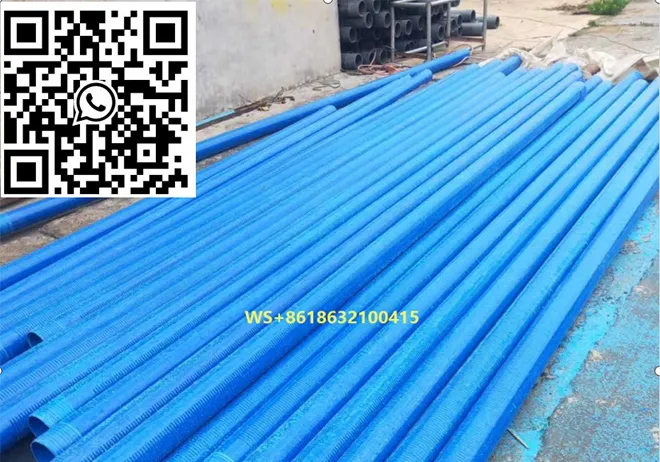
Performance & Engineering
The performance of HDPE pipe is heavily influenced by its ability to withstand internal and external pressures, as well as resist environmental stressors. Force analysis involves considering hoop stress (resulting from internal pressure) and longitudinal stress (caused by axial loads and temperature variations). The Barlow's formula, a common engineering calculation, is used to determine the burst pressure of the pipe, based on its diameter, wall thickness, and material strength. Environmental resistance is a key advantage of HDPE. It exhibits excellent chemical resistance to a broad range of acids, bases, and solvents, making it suitable for aggressive environments. However, prolonged exposure to oxidizing agents, such as concentrated nitric acid, can lead to degradation. Temperature plays a significant role; HDPE's strength decreases with increasing temperature. Creep, the tendency of the material to deform slowly under sustained load, must be considered in long-term designs. Compliance requirements vary by region and application. For potable water applications, HDPE pipe must meet standards for extractables and leachables, ensuring the water remains safe for consumption. For gas transmission, standards specify requirements for permeation resistance (preventing gas leakage) and impact strength. Installation methods significantly affect performance. Proper bedding and backfilling are crucial to prevent stress concentrations and ensure long-term stability. The pipe’s flexibility allows for some ground movement, but excessive strain can lead to premature failure.
Technical Specifications
| Nominal Pipe Size (inches) | Outside Diameter (inches) | Schedule/Pressure Rating (psi) | Wall Thickness (inches) |
|---|---|---|---|
| 1/2 | 0.625 | 80 | 0.062 |
| 3/4 | 0.840 | 80 | 0.062 |
| 1 | 1.050 | 80 | 0.062 |
| 1 1/4 | 1.250 | 80 | 0.062 |
| 1 1/2 | 1.500 | 80 | 0.062 |
| 2 | 2.067 | 80 | 0.083 |
Failure Mode & Maintenance
HDPE pipe, while durable, is susceptible to certain failure modes. Slow Crack Growth (SCG) is a primary concern, particularly in pipes exposed to sustained tensile stress and aggressive chemicals. This initiates from surface flaws and propagates slowly through the polymer matrix. Fatigue cracking can occur in joints or areas subject to cyclic loading, such as near fittings. Delamination, the separation of layers within the pipe wall, can result from improper fusion welding or material defects. Oxidation, particularly at elevated temperatures and in the presence of UV radiation, can lead to embrittlement and reduced strength. Ground movement and improper installation can cause excessive bending stress, leading to cracking. Maintenance primarily focuses on preventative measures. Regular visual inspections should be conducted to identify any signs of cracking, deformation, or joint separation. Protecting above-ground pipes from UV exposure with coatings or burial is crucial. Proper grounding is essential to prevent electrolytic corrosion in areas with stray currents. For buried pipelines, periodic cathodic protection surveys should be performed to ensure adequate corrosion protection. If a leak is detected, the affected section of pipe should be excavated and inspected for damage. Repair options include cut-and-replace with new HDPE pipe using appropriate fusion welding techniques. Preventative maintenance programs, including thorough documentation of installation details and regular inspections, are critical for maximizing the lifespan of HDPE pipe systems.
Industry FAQ
Q: What is the impact of surge pressure on HDPE pipe systems, and how can it be mitigated?
A: Surge pressure, or water hammer, can exert significant stress on HDPE pipe, potentially leading to cracking or joint failure. It’s caused by rapid changes in flow velocity, such as sudden valve closure. Mitigation strategies include installing surge arrestors (air chambers or pressure relief valves), selecting appropriate pipe materials with adequate pressure ratings, implementing slow-closing valves, and properly designing the piping layout to minimize flow velocity changes.
Q: How does the choice of HDPE grade affect the long-term performance of a pipeline, specifically in terms of creep resistance?
A: Higher molecular weight HDPE grades (e.g., PE4710) exhibit superior creep resistance compared to lower grades (e.g., PE3408). Creep is the tendency to deform under sustained load, and higher grades maintain their structural integrity for longer periods under constant stress. Selecting the appropriate grade is crucial based on the operating pressure, temperature, and design lifespan of the pipeline.
Q: What are the key considerations for joining HDPE pipes of different diameters using butt fusion?
A: Ensuring proper alignment and parallelism of the pipe ends is critical. The heating face must be clean and free of contaminants. Fusion parameters (time, temperature, pressure) must be precisely controlled based on the pipe diameter, wall thickness, and HDPE grade. Post-fusion cooling must be managed to prevent distortion. Qualified and certified fusion operators are essential to ensure weld integrity.
Q: How does soil corrosivity impact the lifespan of buried HDPE pipe, and what protective measures can be employed?
A: While HDPE is inherently corrosion-resistant, highly corrosive soils can accelerate degradation over time. Protective measures include applying external coatings, utilizing cathodic protection systems (sacrificial anodes or impressed current), ensuring adequate bedding material to isolate the pipe from the soil, and conducting regular soil resistivity surveys to monitor corrosion potential.
Q: What are the differences between SDR (Standard Dimension Ratio) and nominal pipe size when specifying HDPE pipe for a project?
A: Nominal pipe size refers to the approximate internal diameter of the pipe, while SDR is a dimensionless ratio of the pipe's outside diameter to its wall thickness. A lower SDR indicates a thicker wall and higher pressure rating. Using SDR is more precise for specifying pressure-bearing capacity, while nominal pipe size is often used for compatibility with fittings and other components. It’s essential to understand both parameters to ensure proper system design.
Conclusion
Wholesale HDPE pipe diameters provide a robust and versatile solution for a wide array of fluid and gas conveyance applications. Understanding the material science, manufacturing processes, and performance characteristics is critical for selecting the appropriate pipe size and grade to meet specific project requirements. Proper installation practices, coupled with preventative maintenance programs, are paramount to ensuring long-term durability and minimizing the risk of failure.
The continued development of HDPE materials and fusion welding techniques promises to further enhance the performance and lifespan of these systems. Focusing on standardization, rigorous quality control, and adherence to industry best practices will be essential for maximizing the benefits of HDPE pipe technology in the years to come.
-
DN25 HDPE Compression Fitting-HORON INTERNATIONAL|Reliable Irrigation Solutions
NewsFeb.11,2026
-
wholesale pvc pipe price per foot Technical Analysis
News2026-09-21
-
wholesale long pvc pipe Technical Analysis and Manufacturing Specifications
News2026-09-15
-
wholesale plumbing kitchen sink water lines Material Performance
News2026-09-15
-
wholesale hdpe drip irrigation Material Science
News2026-09-15
-
wholesale hot water ppr pipe Performance Analysis
News2026-09-15
-
wholesale ppr plumbing Performance Analysis
News2026-09-15
-
wholesale ppr pipe supplier Performance Analysis
News2026-09-13
-
wholesale 50mm ppr pipe Performance Analysis
News2026-09-13
-
wholesale hdpe drip pipe Performance Analysis
News2026-09-13
-
wholesale hdpe pipe 63mm price Manufacturing Specification and Performance Analysis
News2026-09-13
-
wholesale hdpe pipe for potable water Manufacturing and Performance
News2026-09-13
-
wholesale pipe hdpe size Technical Analysis
News2026-09-12
-
wholesale coupler for hdpe pipe Performance Analysis
News2026-09-12
-
Wholesale HDPE Pipe Coupler Price Performance Analysis
News2026-09-12
-
wholesale 1 ppr pipe Performance Analysis
News2026-09-12