

Feb . 11, 2026 00:01 Back to list
wholesale hdpe pipe coupling Performance Analysis
Introduction
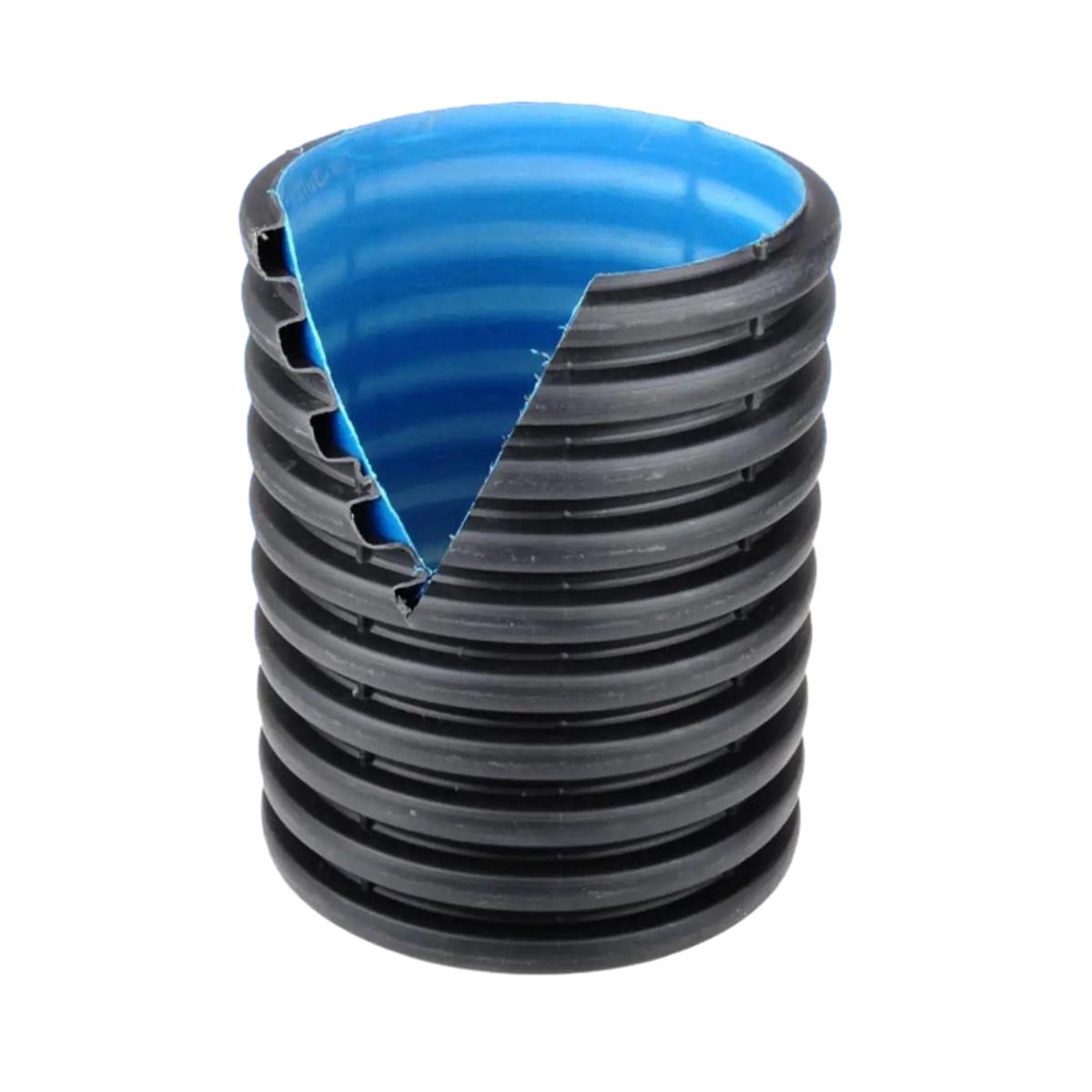
High-Density Polyethylene (HDPE) pipe couplings are critical components in fluid transfer systems across diverse industries including water distribution, irrigation, gas transportation, and industrial piping. These couplings facilitate the joining of HDPE pipes, providing leak-proof connections essential for system integrity. Unlike traditional metallic couplings, HDPE couplings offer corrosion resistance, flexibility, and lighter weight. Their performance is dictated by material properties, manufacturing processes, and adherence to stringent industry standards. This guide provides a comprehensive technical overview of wholesale HDPE pipe couplings, covering material science, manufacturing methods, performance characteristics, failure modes, maintenance protocols, and relevant standards. The increasing demand for durable and cost-effective piping solutions drives the need for a thorough understanding of these components, particularly regarding long-term reliability and operational safety. Core industry pain points revolve around ensuring consistent weld quality (for fusion couplings), managing thermal expansion/contraction, and verifying long-term hydrostatic strength, particularly in demanding applications like pressurized gas lines.
Material Science & Manufacturing
HDPE pipe couplings are primarily manufactured from high-density polyethylene resin, a thermoplastic polymer produced from the polymerization of ethylene. The specific grade of HDPE used – typically HDPE conforming to PE100, PE80, or PE63 standards – dictates the material’s mechanical properties, such as tensile strength, ductile failure behaviour, and stress crack resistance. Raw material selection is crucial, with considerations for molecular weight distribution and the presence of additives like carbon black for UV resistance and oxidation stability.
Manufacturing processes vary depending on the coupling type. Several common methods include:
- Injection Molding: Widely used for producing fittings with complex geometries, injection molding involves injecting molten HDPE into a mold cavity. Key parameters include mold temperature, injection pressure, and cooling rate, all of which influence the final product’s dimensional accuracy and mechanical strength. Shrinkage rates must be meticulously controlled.
- Compression Molding: Suitable for larger-diameter couplings, compression molding involves placing HDPE material into a heated mold and applying pressure. This process typically results in lower cycle times but may require post-molding machining.
- Electrofusion Welding: Although a joining process rather than a manufacturing one for the coupling itself, electrofusion significantly impacts coupling design. These couplings contain embedded heating coils and require precise voltage and current control during the welding process to ensure a homogenous weld area.
- Mechanical Joining (Socket/Spigot): These couplings are manufactured with precise socket dimensions and utilize rubber gaskets and locking mechanisms for a secure seal. Dimensional tolerances are critical to prevent leakage.
Critical material properties to control during manufacturing include melt flow index (MFI), density, and hardness. Regular quality control checks, including hydrostatic pressure testing and dimensional inspections, are essential to ensure compliance with industry specifications. The degree of crystallinity within the HDPE also influences mechanical performance; higher crystallinity generally leads to increased stiffness and strength but reduced impact resistance.
Performance & Engineering
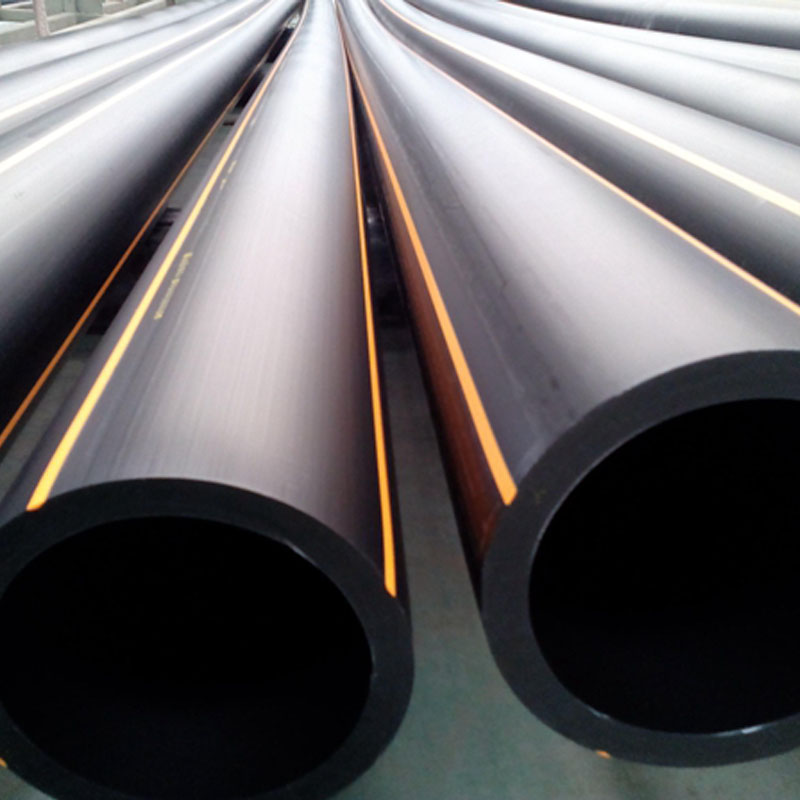
The performance of HDPE pipe couplings is fundamentally governed by their ability to withstand internal pressure, external loads, and environmental stresses. Force analysis plays a critical role in designing couplings that can safely operate under various conditions. Internal pressure testing, conducted according to ASTM D1597 or ISO 1167, verifies the coupling’s burst pressure and short-term hydrostatic strength. External loads, such as soil burial stress and traffic loads, are addressed through careful material selection and appropriate wall thickness.
Environmental resistance is paramount. HDPE is generally resistant to many chemicals, but long-term exposure to oxidizing agents or strong acids can lead to degradation. UV radiation can also cause embrittlement, necessitating the use of carbon black as a UV stabilizer. Thermal expansion and contraction are significant considerations, particularly in long pipeline systems. The coefficient of thermal expansion for HDPE is relatively high compared to metals, requiring expansion loops or flexible joints to accommodate dimensional changes.
Compliance requirements vary by region and application. Couplings used in potable water systems must comply with NSF/ANSI 61 standards for lead content and extractable contaminants. Gas transportation applications require adherence to DOT regulations and API standards for pipeline safety. Furthermore, the coupling must maintain its sealing integrity under cyclical pressure fluctuations and temperature variations. Finite Element Analysis (FEA) is increasingly used to optimize coupling designs, predict stress concentrations, and validate performance under complex loading scenarios.
Technical Specifications
| Parameter | Unit | PE100 Coupling | PE80 Coupling |
|---|---|---|---|
| Material Density | g/cm³ | 0.950 - 0.965 | 0.940 - 0.955 |
| Hydrostatic Pressure (Short Term) | MPa | 16.0 | 12.5 |
| Hydrostatic Pressure (Long Term - 50yr) | MPa | 8.0 | 6.3 |
| Operating Temperature Range | °C | -40 to +60 | -40 to +60 |
| Tensile Strength (Minimum) | MPa | 40 | 32 |
| Elongation at Break (Minimum) | % | 300 | 250 |
Failure Mode & Maintenance
HDPE pipe couplings can fail through several mechanisms, impacting system reliability and potentially causing costly downtime. Common failure modes include:
- Stress Cracking: Exposure to sustained tensile stress in the presence of aggressive chemicals (e.g., detergents, solvents) can lead to crack initiation and propagation. This is particularly prevalent in mechanically joined couplings.
- Fatigue Cracking: Cyclic pressure fluctuations and vibrations can induce fatigue cracks, especially around weld seams or areas of stress concentration.
- Oxidation: Long-term exposure to elevated temperatures and oxygen can cause oxidative degradation, reducing the material’s mechanical properties.
- UV Degradation: Without adequate UV stabilization (carbon black), prolonged sunlight exposure can lead to embrittlement and cracking.
- Joint Separation: In mechanically joined couplings, gasket failure, loosening of locking mechanisms, or improper installation can cause joint separation and leakage.
- Weld Defects: In electrofusion or butt fusion welded couplings, defects such as incomplete fusion, porosity, or misalignment can compromise weld strength.
Preventative maintenance is crucial. Regular visual inspections should be conducted to identify signs of cracking, deformation, or leakage. Hydrostatic testing can be performed periodically to verify system integrity. For electrofusion welds, non-destructive testing methods like ultrasonic inspection can detect subsurface defects. Proper installation procedures, adherence to manufacturer’s recommendations, and the use of appropriate joining techniques are essential to minimize the risk of failure. If a failure is detected, the affected coupling should be replaced immediately with a compatible component, and the root cause of the failure should be investigated to prevent recurrence.
Industry FAQ
Q: What is the difference between electrofusion and butt fusion when joining HDPE pipe with couplings?
A: Electrofusion and butt fusion are both heat fusion welding methods, but they differ significantly. Butt fusion is typically used for larger diameter pipes and involves heating the pipe and coupling ends, then pressing them together under controlled pressure. Electrofusion uses an internally heated coupling and a controlled electrical current to melt the pipe and coupling simultaneously. Electrofusion is often preferred for smaller diameters and complex geometries, while butt fusion is more cost-effective for large-scale projects. Electrofusion offers tighter control over the welding process, reducing the risk of misalignment, but requires specialized electrofusion couplers.
Q: How does the pipe's Pressure Derating impact the selection of an HDPE coupling?
A: Pressure derating accounts for factors like temperature and operating conditions that reduce a pipe's maximum allowable pressure. The HDPE coupling must have a pressure rating equal to or greater than the derated pressure of the pipe it’s connecting. Ignoring this can lead to catastrophic failure. You need to factor in temperature variations, fluid type, and the length of continuous pipe runs when calculating the derated pressure.
Q: What is the recommended storage procedure for HDPE couplings to prevent degradation?
A: HDPE couplings should be stored in a cool, dry, and well-ventilated area, away from direct sunlight and heat sources. Prolonged exposure to UV radiation can cause embrittlement. It’s best to store them in their original packaging or covered with an opaque tarp. Avoid stacking excessively heavy items on top of the couplings to prevent deformation.
Q: What is the role of rubber gaskets in mechanical HDPE pipe couplings, and what types are typically used?
A: Rubber gaskets provide a watertight seal between the pipe and the coupling in mechanical joints. They compress when the coupling is tightened, filling any irregularities and preventing leakage. Common gasket materials include EPDM (ethylene propylene diene monomer), NBR (nitrile butadiene rubber), and SBR (styrene-butadiene rubber). EPDM is generally preferred for its excellent resistance to weathering, ozone, and water. The gasket material must be compatible with the fluid being transported.
Q: How do you assess the quality of an electrofusion weld after it has been completed?
A: Visual inspection is the first step, looking for uniform weld beads and the absence of any visible defects like cracks or porosity. However, visual inspection alone is insufficient. Non-destructive testing (NDT) methods are essential. Ultrasonic testing is commonly used to detect subsurface voids or incomplete fusion. Weld maps generated during the electrofusion process provide data on voltage, current, and temperature, which can be analyzed to verify weld quality. Hydrostatic testing of the completed joint is also a critical validation step.
Conclusion
Wholesale HDPE pipe couplings represent a vital component in modern fluid handling systems, offering advantages in durability, corrosion resistance, and ease of installation. Selecting the appropriate coupling type, material grade, and joining method is paramount to ensuring long-term performance and preventing failures. Understanding the interplay between material science, manufacturing processes, and engineering principles is crucial for mitigating risks associated with stress cracking, UV degradation, and weld defects.
Future trends in HDPE coupling technology will likely focus on smart couplings incorporating sensors for real-time monitoring of pressure, temperature, and strain. The development of advanced materials with enhanced UV resistance and improved mechanical properties will further extend the lifespan and reliability of these critical components. Adherence to international standards and rigorous quality control procedures remain fundamental to maintaining the integrity of HDPE piping systems and guaranteeing operational safety.
-
DN25 HDPE Compression Fitting-HORON INTERNATIONAL|Reliable Irrigation Solutions
NewsFeb.11,2026
-
hdpe coupling joint product Manufacturing Analysis
News2026-11-18
-
ppr pipe heating time products Performance Analysis
News2026-11-16
-
hdpe pipe sizes factory Performance Analysis
News2026-11-09
-
HDPE Pipe Sizes Service Performance Analysis
News2026-10-26
-
wholesale 15mm ppr pipe Material Science and Performance Analysis
News2026-10-20
-
wholesale pvc pipe price per foot Technical Analysis
News2026-09-21
-
wholesale long pvc pipe Technical Analysis and Manufacturing Specifications
News2026-09-15
-
wholesale plumbing kitchen sink water lines Material Performance
News2026-09-15
-
wholesale hdpe drip irrigation Material Science
News2026-09-15
-
wholesale hot water ppr pipe Performance Analysis
News2026-09-15
-
wholesale ppr plumbing Performance Analysis
News2026-09-15
-
wholesale ppr pipe supplier Performance Analysis
News2026-09-13
-
wholesale 50mm ppr pipe Performance Analysis
News2026-09-13
-
wholesale hdpe drip pipe Performance Analysis
News2026-09-13
-
wholesale hdpe pipe 63mm price Manufacturing Specification and Performance Analysis
News2026-09-13