

Feb . 11, 2026 00:01 Back to list
wholesale hdpe pipe cost Performance Analysis
Introduction
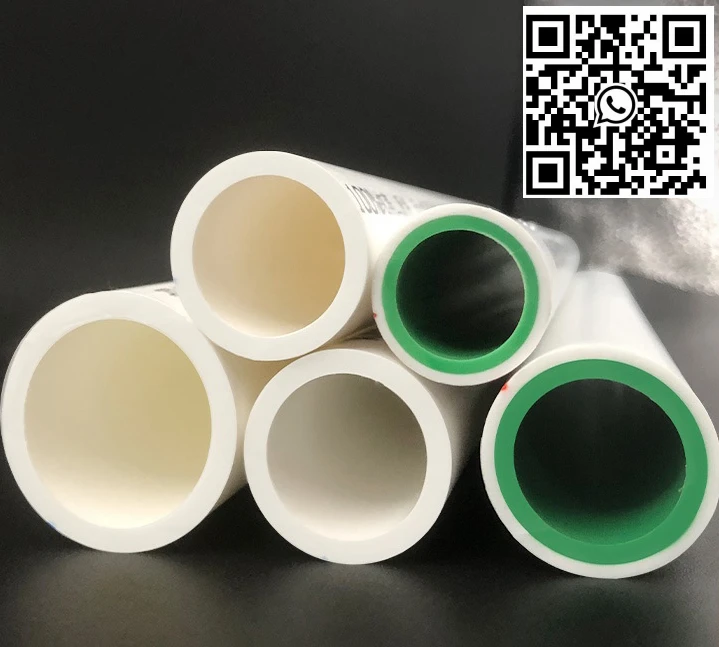
High-Density Polyethylene (HDPE) pipe represents a cornerstone material in modern fluid and solid conveyance systems, offering a compelling balance of cost-effectiveness, durability, and ease of installation. This technical guide focuses on the factors influencing wholesale HDPE pipe cost, moving beyond simple price-per-foot metrics to encompass material grades, manufacturing processes, dimensional variations, and the critical performance characteristics that dictate long-term value. HDPE pipe is extensively used in municipal water and sewer networks, industrial process piping, agricultural irrigation, and increasingly, in oil and gas applications. Understanding the cost drivers, from raw material fluctuations to specific industry standards, is paramount for procurement managers, engineers, and project planners aiming to optimize lifecycle costs and ensure system reliability. This analysis will delve into the complexities of HDPE pipe pricing, providing a detailed understanding of the contributing elements.
Material Science & Manufacturing
HDPE pipe production begins with polyethylene resin, derived from the polymerization of ethylene. The resin grade – typically conforming to PE3408, PE4710, or PE100 standards – significantly impacts material properties and, consequently, cost. PE100, offering superior slow crack growth resistance and strength, is naturally more expensive. Manufacturing processes largely fall into two categories: extrusion and injection molding (for fittings). Extrusion involves melting the resin and forcing it through a die to form a continuous pipe. Key parameters include die temperature, extrusion speed, and cooling rates. Precise control of these parameters is crucial to maintain dimensional tolerances and ensure consistent wall thickness. The density of the HDPE (typically between 0.93 and 0.97 g/cm³) affects rigidity, impact resistance, and chemical inertness. Additives, such as carbon black for UV protection and antioxidants to prevent oxidative degradation, are incorporated during compounding. The quality and concentration of these additives directly influence the pipe's service life and overall cost. Pipe dimensions, specifically diameter and Schedule number (defining wall thickness), are primary cost drivers; larger diameters and thicker walls require more material and greater processing energy. Furthermore, the level of quality control – including hydrostatic testing and dimensional inspections – contributes to manufacturing expenses and ultimately, wholesale pricing. The raw material cost of ethylene, linked to crude oil prices, experiences significant volatility and has a substantial bearing on HDPE pipe prices.
Performance & Engineering
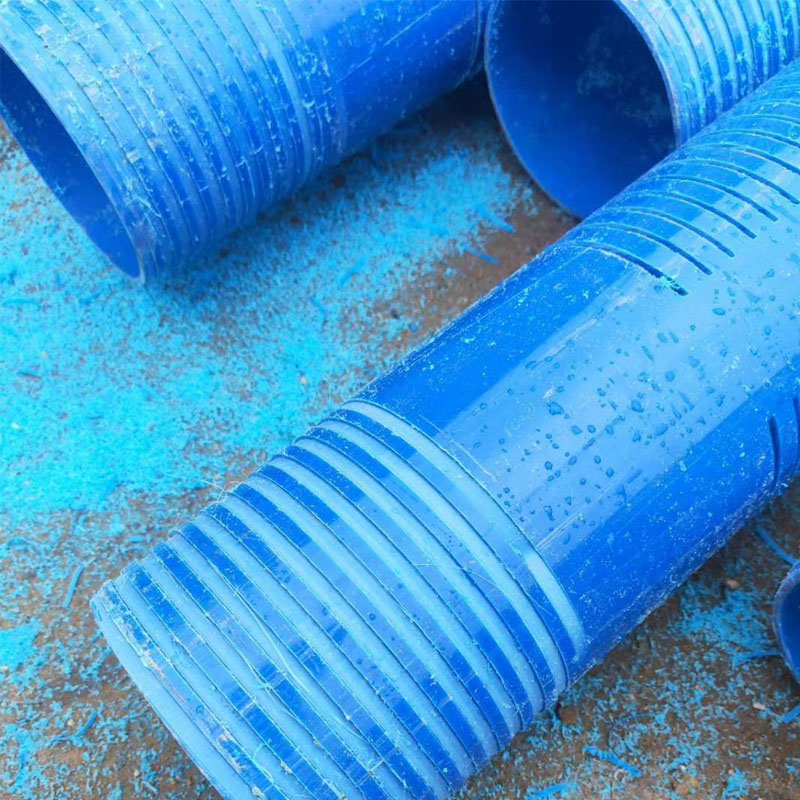
The performance of HDPE pipe is critically linked to its mechanical and chemical properties. A key consideration is hydrostatic design stress (HDS), determined by PE resin grade and temperature. HDS dictates the maximum allowable internal pressure the pipe can withstand. Ring stiffness, a measure of the pipe’s resistance to flattening under external loads, is vital for burial applications. Buried pipes are subjected to soil loads, traffic loads, and potential impact damage. Proper bedding and backfill are essential to distribute these loads and prevent pipe deformation. HDPE exhibits excellent resistance to a wide range of chemicals, making it suitable for corrosive environments. However, compatibility should be verified for specific substances, particularly aromatic hydrocarbons and strong oxidizing agents. Slow Crack Growth (SCG) is a primary failure mechanism in HDPE pipe, initiated by sustained tensile stress in the presence of aggressive chemicals. PE100 resins, with their higher molecular weight and enhanced resistance to SCG, offer superior performance in demanding applications. Jointing methods – including butt fusion, electrofusion, and mechanical fittings – impact the overall system integrity. Butt fusion creates a homogenous weld, providing the highest strength and leak resistance. Electrofusion uses electrical heating to melt and fuse the pipe ends. Proper jointing procedures and operator training are essential to achieve reliable performance. Long-term creep resistance, the tendency of the pipe to deform under sustained stress, is another crucial design consideration, especially in high-temperature applications. The Poisson’s ratio and Young’s modulus of HDPE influence its behavior under stress.
Technical Specifications
| Parameter | PE3408 | PE4710 | PE100 | Units |
|---|---|---|---|---|
| Hydrostatic Design Stress (HDS) @ 23°C | 8.0 | 10.0 | 12.5 | MPa |
| Minimum Required Strength (MRS) | 5.0 | 6.3 | 8.0 | MPa |
| Density | 0.93 – 0.95 | 0.94 – 0.96 | 0.96 – 0.97 | g/cm³ |
| Slow Crack Growth Resistance | Low | Medium | High | Qualitative |
| Operating Temperature Range | -40 to +60 | -40 to +60 | -40 to +80 | °C |
| Typical Wall Thickness | Varies by Schedule | Varies by Schedule | Varies by Schedule | mm |
Failure Mode & Maintenance
HDPE pipe, while robust, is susceptible to several failure modes. Slow Crack Growth (SCG), as previously mentioned, is a significant concern, particularly in applications involving prolonged exposure to stress and aggressive chemicals. UV degradation can cause embrittlement and cracking if the pipe is exposed to sunlight for extended periods; carbon black additives mitigate this. Third-party damage during installation or excavation is a common cause of failure, often resulting in puncture or crushing. Fatigue cracking can occur under cyclic loading, particularly at joints. Corrosion is generally not a concern with HDPE itself, but galvanic corrosion can occur if HDPE is in contact with dissimilar metals. Maintenance typically involves visual inspections for cracks, leaks, and signs of deformation. Regular pressure testing can identify leaks before they become major problems. Joints should be periodically inspected for separation or cracking. Proper bedding and backfill are crucial for preventing external loads from causing damage. In the event of a leak, the affected section of pipe should be cut out and replaced using appropriate jointing techniques. For larger diameter pipes, ground penetrating radar (GPR) can be used to locate buried pipelines and assess their condition. Preventive maintenance programs, including regular inspections and leak detection surveys, can significantly extend the service life of HDPE pipe systems.
Industry FAQ
Q: What is the impact of raw material price fluctuations on wholesale HDPE pipe cost?
A: The cost of ethylene, the primary raw material for HDPE, is directly tied to crude oil prices. Significant fluctuations in oil prices translate directly into variations in HDPE resin costs, which constitute a substantial portion of the overall pipe cost. Supply chain disruptions and geopolitical events can also impact resin availability and pricing.
Q: How does pipe diameter and Schedule number affect the final cost?
A: Larger diameter pipes require significantly more material to manufacture, increasing the raw material cost and processing energy. Higher Schedule numbers (e.g., Schedule 40 vs. Schedule 80) indicate thicker wall thicknesses, also increasing material usage and, therefore, the cost. The relationship is not linear; the cost increases exponentially with diameter and Schedule.
Q: What are the key differences in cost between PE3408, PE4710, and PE100 pipes?
A: PE100 is the most expensive due to its superior mechanical properties, particularly its enhanced resistance to slow crack growth and higher hydrostatic design stress. PE4710 is a mid-range option, offering a balance of performance and cost. PE3408 is the least expensive but is suitable only for less demanding applications.
Q: What is the role of hydrostatic testing in influencing pipe cost?
A: Hydrostatic testing is a crucial quality control process where pipes are pressurized to a specified level to verify their strength and leak tightness. While it adds to the manufacturing cost, it significantly reduces the risk of field failures, ultimately providing better long-term value. The rigor of the hydrostatic testing protocol (pressure level and duration) can also influence pricing.
Q: What are the typical lead times for wholesale HDPE pipe orders and how can they impact cost?
A: Lead times vary depending on pipe size, quantity, and manufacturer capacity. Longer lead times can sometimes result in higher prices due to increased demand and potential supply chain constraints. Large, custom orders generally require longer lead times and may be subject to price adjustments based on prevailing market conditions.
Conclusion
The wholesale cost of HDPE pipe is a multifaceted equation influenced by raw material pricing, resin grade, manufacturing processes, dimensional specifications, and quality control procedures. A thorough understanding of these factors is crucial for optimizing procurement strategies and ensuring long-term system reliability. Focusing solely on the initial purchase price can be misleading; a lifecycle cost analysis, considering factors like installation costs, maintenance requirements, and potential failure rates, provides a more accurate assessment of overall value.
Looking ahead, advancements in HDPE resin technology and manufacturing techniques will likely lead to improved performance characteristics and potentially lower costs. The increasing demand for sustainable infrastructure solutions is also driving innovation in HDPE pipe design and production. Furthermore, adherence to rigorous industry standards and best practices in installation and maintenance will remain paramount for maximizing the lifespan and minimizing the total cost of ownership of HDPE pipe systems.
-
DN25 HDPE Compression Fitting-HORON INTERNATIONAL|Reliable Irrigation Solutions
NewsFeb.11,2026
-
wholesale pvc pipe price per foot Technical Analysis
News2026-09-21
-
wholesale long pvc pipe Technical Analysis and Manufacturing Specifications
News2026-09-15
-
wholesale plumbing kitchen sink water lines Material Performance
News2026-09-15
-
wholesale hdpe drip irrigation Material Science
News2026-09-15
-
wholesale hot water ppr pipe Performance Analysis
News2026-09-15
-
wholesale ppr plumbing Performance Analysis
News2026-09-15
-
wholesale ppr pipe supplier Performance Analysis
News2026-09-13
-
wholesale 50mm ppr pipe Performance Analysis
News2026-09-13
-
wholesale hdpe drip pipe Performance Analysis
News2026-09-13
-
wholesale hdpe pipe 63mm price Manufacturing Specification and Performance Analysis
News2026-09-13
-
wholesale hdpe pipe for potable water Manufacturing and Performance
News2026-09-13
-
wholesale pipe hdpe size Technical Analysis
News2026-09-12
-
wholesale coupler for hdpe pipe Performance Analysis
News2026-09-12
-
Wholesale HDPE Pipe Coupler Price Performance Analysis
News2026-09-12
-
wholesale 1 ppr pipe Performance Analysis
News2026-09-12