

Feb . 11, 2026 00:01 Back to list
wholesale hdpe pipe connectors Performance Analysis
Introduction
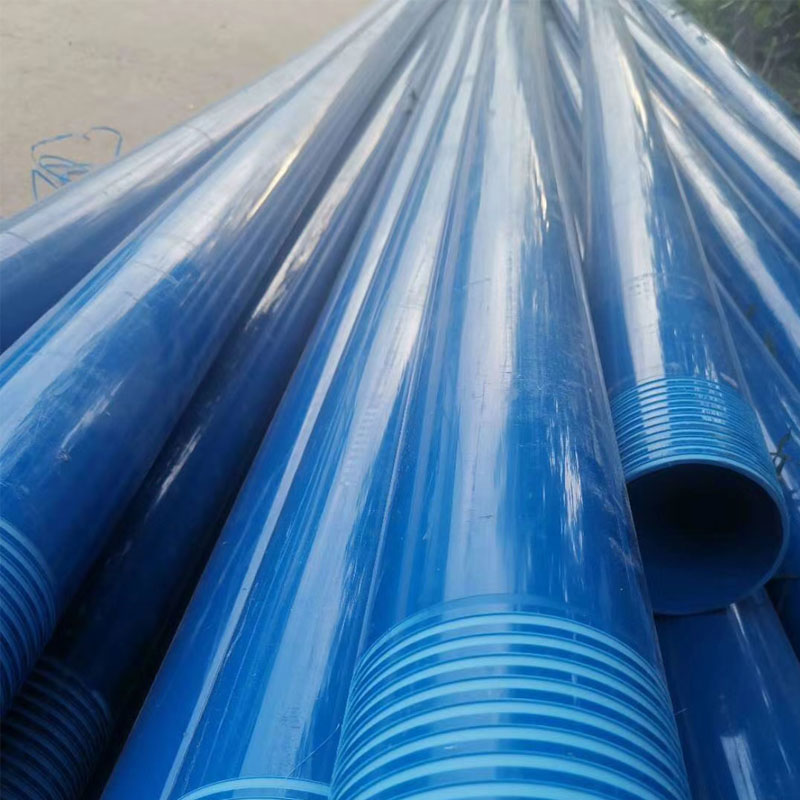
High-Density Polyethylene (HDPE) pipe connectors are critical components in a wide range of fluid and gas transfer systems, spanning municipal water distribution, industrial processing, irrigation, and increasingly, trenchless technology applications such as Horizontal Directional Drilling (HDD). These connectors facilitate the reliable joining of HDPE pipes, ensuring leak-proof performance and structural integrity. Unlike metal connectors, HDPE connectors offer inherent corrosion resistance and are electrically non-conductive. They are categorized broadly into mechanical fittings (compression, camlock, flanged) and fusion fittings (butt fusion, electrofusion, socket fusion), each suited to different pressure ratings, pipe diameters, and application requirements. The increasing demand for durable, long-lasting, and cost-effective piping solutions has positioned HDPE connectors as a vital element within the broader pipeline infrastructure market. The core performance characteristics hinge on maintaining the chemical and physical integrity of the HDPE material itself and ensuring a robust, sealed connection resistant to internal pressure, external loads, and environmental factors.
Material Science & Manufacturing
HDPE, the foundational material for these connectors, is a thermoplastic polymer produced from the polymerization of ethylene. Its high density (typically 0.941-0.965 g/cm³) contributes to its strength, rigidity, and resistance to chemical attack. The raw material grade is crucial; connectors often employ HDPE resins conforming to PE100 standards, signifying a minimum required strength (MRS) of 10 MPa, ensuring long-term hydrostatic strength. Manufacturing processes vary based on connector type. Mechanical fittings are typically injection molded using specialized HDPE formulations optimized for dimensional stability and impact resistance. Injection molding parameters—melt temperature, mold temperature, injection pressure, and cooling rate—are tightly controlled to prevent warping, shrinkage, and internal stresses. Fusion fittings, on the other hand, often start with semi-finished HDPE stock, which is then machined to precise dimensions. Butt fusion requires highly controlled heating elements and pressure application to create a homogenous weld. Electrofusion utilizes resistive heating within the connector fitting itself, also demanding precise control of voltage, current, and time. Post-processing operations, such as deburring and quality control inspections, are essential for guaranteeing dimensional accuracy and a smooth surface finish, critical for optimal sealing performance. The presence of carbon black is common in HDPE pipe and fittings for UV protection, and its consistent dispersion is crucial for maintaining this protective property.
Performance & Engineering
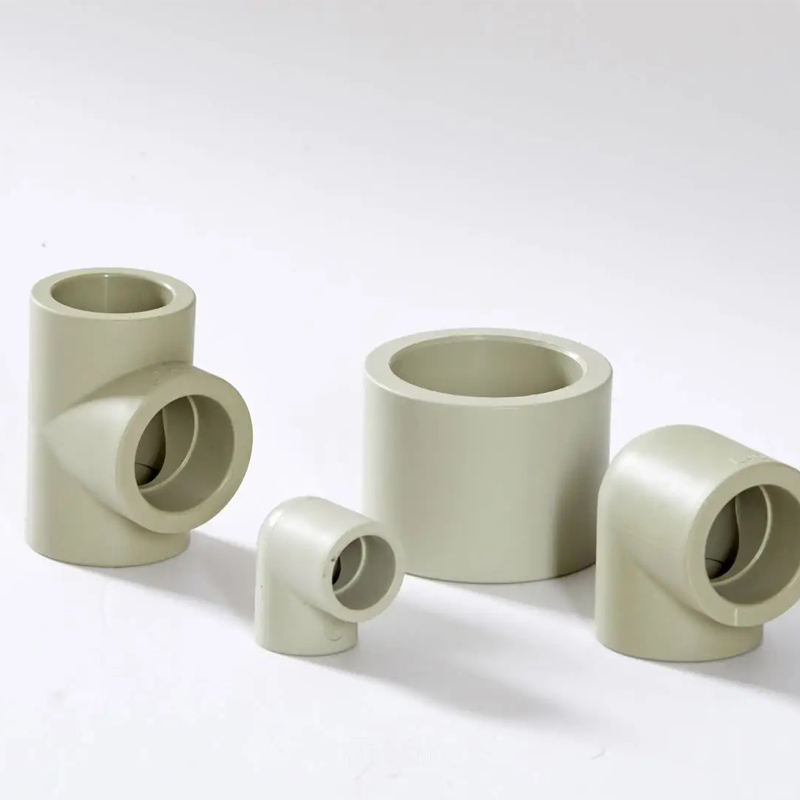
The performance of HDPE pipe connectors is fundamentally governed by stress analysis and adherence to pressure ratings. Finite Element Analysis (FEA) is extensively used during the design phase to model stress distribution under various loading conditions – internal hydrostatic pressure, external soil loads, and potential impact forces. The design must account for the creep behavior of HDPE, a time-dependent deformation under sustained stress. Connectors must withstand the hoop stress generated by internal pressure, and the connection interface must maintain its integrity under tensile loads. Environmental resistance is another critical consideration. While HDPE is inherently resistant to many chemicals, prolonged exposure to strong oxidants or solvents can lead to degradation. UV exposure, even with carbon black additives, can cause embrittlement over extended periods. Furthermore, the thermal expansion and contraction of HDPE, significantly higher than that of metals, must be accommodated in the connector design to prevent stress build-up and potential leakage. Compliance requirements are stringent, particularly in potable water applications. Connectors must meet NSF/ANSI 61 standards for lead content and extractables, ensuring the water remains safe for consumption. For gas applications, they must comply with relevant gas pipeline safety regulations, including those related to pressure testing and leak detection.
Technical Specifications
| Connector Type | Pressure Rating (PSI) | Pipe Diameter (inches) | Material Grade |
|---|---|---|---|
| Compression Coupling | 200 | 0.5 – 4 | PE100 |
| Electrofusion Saddle Fitting | 150 | 2 – 12 | PE100 |
| Butt Fusion Reducing Coupler | 250 | 4 – 36 | PE100 |
| Flanged Adapter | 175 | 6 – 24 | PE100 |
| Camlock Coupling | 100 | 1 – 6 | PE100 |
| Socket Fusion Tee | 125 | 0.5 – 2 | PE100 |
Failure Mode & Maintenance
HDPE pipe connector failures typically stem from several distinct mechanisms. Slow crack growth (SCG) is a prevalent issue, particularly in mechanical fittings, initiated by stress concentrations around defects or scratches. SCG is exacerbated by exposure to aggressive chemicals or sustained tensile stress. Another common failure mode is joint separation in fusion fittings due to improper fusion parameters—insufficient heating time, inadequate pressure, or contamination of the fusion interface. UV degradation can lead to embrittlement of the HDPE material, rendering connectors susceptible to cracking, especially in above-ground applications. For flanged connections, gasket failure is a potential concern, leading to leakage. Regular inspection is vital. Visual inspections should focus on identifying cracks, deformation, or signs of material degradation. Hydrostatic testing can verify the integrity of the connection. Maintenance primarily involves ensuring proper support and bedding of the pipeline to minimize stress on the connectors. For mechanical fittings, periodic retightening may be necessary to compensate for gasket compression. In the event of a failure, it's crucial to analyze the fracture surface to determine the root cause and implement corrective actions, such as improving installation procedures or selecting a more appropriate connector type for the specific application. Proper storage of connectors, shielded from direct sunlight and extreme temperatures, also prolongs their service life.
Industry FAQ
Q: What is the primary difference between electrofusion and butt fusion connectors, and when would you choose one over the other?
A: Butt fusion is generally used for larger diameter pipes (typically above 6 inches) and offers a faster fusion cycle. It requires specialized fusion equipment and skilled operators. Electrofusion is better suited for smaller diameters and complex fittings like saddles and elbows. Electrofusion provides more precise control over the fusion process and is less sensitive to operator skill, but the cycle time is generally longer. Selection depends on pipe size, fitting complexity, site access, and operator expertise.
Q: How does temperature affect the performance of HDPE connectors, and what precautions should be taken during installation in cold weather?
A: HDPE becomes more brittle at lower temperatures, increasing the risk of cracking during installation. Cold weather can also reduce the ductility of the material, making it harder to achieve a proper fusion weld. Preheating the connectors and pipe ends is crucial in cold weather to ensure adequate material temperature during fusion. Impact testing is recommended to verify material toughness at the installation temperature.
Q: What are the implications of using connectors that are not compatible with the specific grade of HDPE pipe being used?
A: Compatibility between the connector material and the pipe material is critical for achieving a reliable weld or mechanical connection. Using incompatible materials can lead to poor fusion weld strength, stress cracking, or premature failure of the connection. Always ensure the connector is specifically designed and rated for the grade of HDPE pipe being used.
Q: What is the role of carbon black in HDPE pipe connectors, and can connectors without carbon black be used in outdoor applications?
A: Carbon black acts as a UV stabilizer, protecting the HDPE from degradation caused by prolonged exposure to sunlight. Connectors without carbon black are susceptible to UV degradation and are not recommended for long-term outdoor applications. However, certain UV-resistant additives can be used as alternatives, but their effectiveness should be verified based on the specific application and exposure conditions.
Q: What are the common causes of leakage in mechanical HDPE connectors, and how can they be prevented?
A: Common causes of leakage include improper tightening of compression fittings, damaged or improperly installed gaskets, and surface imperfections on the pipe or connector. Prevention involves following manufacturer's torque specifications, using properly sized and lubricated gaskets, inspecting the pipe and connector surfaces for damage before assembly, and ensuring correct alignment of the components. Periodic inspection and retightening are also recommended.
Conclusion
HDPE pipe connectors represent a cornerstone of modern fluid and gas transportation infrastructure. Their inherent corrosion resistance, lightweight nature, and relatively low cost, coupled with advancements in fusion technology, have established them as a preferred alternative to traditional metallic connections. However, achieving optimal performance requires a thorough understanding of the material science, manufacturing processes, and engineering principles governing their behavior. Careful consideration must be given to connector selection, installation procedures, and ongoing maintenance to mitigate potential failure modes and ensure long-term reliability.
Looking ahead, innovations in HDPE formulations – incorporating enhanced UV stabilizers and impact modifiers – will further extend the service life of these connectors. The integration of smart monitoring technologies, such as embedded sensors for detecting stress or leakage, will provide real-time insights into connector performance, enabling proactive maintenance and minimizing downtime. Continued adherence to rigorous industry standards and a commitment to quality control are paramount to upholding the integrity and sustainability of HDPE pipeline systems.
-
DN25 HDPE Compression Fitting-HORON INTERNATIONAL|Reliable Irrigation Solutions
NewsFeb.11,2026
-
hdpe coupling joint product Manufacturing Analysis
News2026-11-18
-
ppr pipe heating time products Performance Analysis
News2026-11-16
-
hdpe pipe sizes factory Performance Analysis
News2026-11-09
-
HDPE Pipe Sizes Service Performance Analysis
News2026-10-26
-
wholesale 15mm ppr pipe Material Science and Performance Analysis
News2026-10-20
-
wholesale pvc pipe price per foot Technical Analysis
News2026-09-21
-
wholesale long pvc pipe Technical Analysis and Manufacturing Specifications
News2026-09-15
-
wholesale plumbing kitchen sink water lines Material Performance
News2026-09-15
-
wholesale hdpe drip irrigation Material Science
News2026-09-15
-
wholesale hot water ppr pipe Performance Analysis
News2026-09-15
-
wholesale ppr plumbing Performance Analysis
News2026-09-15
-
wholesale ppr pipe supplier Performance Analysis
News2026-09-13
-
wholesale 50mm ppr pipe Performance Analysis
News2026-09-13
-
wholesale hdpe drip pipe Performance Analysis
News2026-09-13
-
wholesale hdpe pipe 63mm price Manufacturing Specification and Performance Analysis
News2026-09-13