

Feb . 11, 2026 00:01 Back to list
wholesale hdpe flexible irrigation pipe Performance Analysis
Introduction
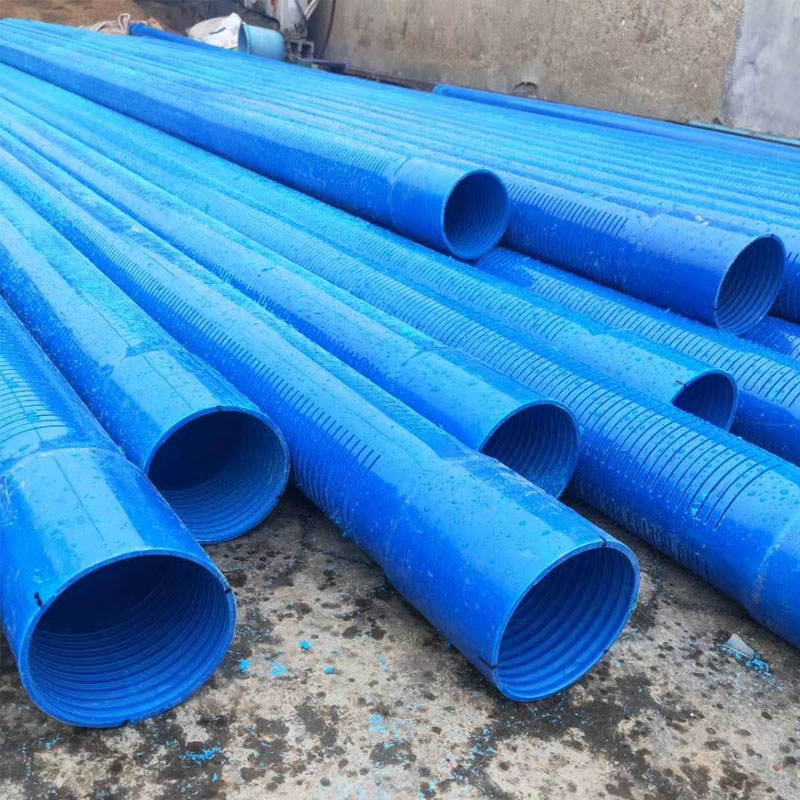
High-Density Polyethylene (HDPE) flexible irrigation pipe represents a significant advancement in agricultural water management and industrial fluid conveyance. Positioned within the agricultural supply chain between raw material production (polyethylene resin) and on-farm irrigation system implementation, it serves as a critical component for efficient water distribution. This guide details the material properties, manufacturing processes, performance characteristics, potential failure modes, and relevant industry standards for wholesale HDPE flexible irrigation pipe. Core performance revolves around pressure resistance, flow rate capacity, UV stability, and long-term durability in varied environmental conditions. A key industry pain point is ensuring consistent wall thickness and material purity to guarantee pressure ratings and prevent premature failure, especially in large-scale agricultural applications where replacement costs are substantial.
Material Science & Manufacturing
HDPE irrigation pipe is manufactured from high-density polyethylene resin, typically grades designated as PE100 or PE80, defining the minimum required strength (MRS) per ISO 1167. The raw material's physical properties – density (0.941-0.965 g/cm³), tensile strength (20-30 MPa), and elongation at break (typically >300%) – are crucial determinants of pipe performance. Manufacturing predominantly utilizes extrusion processes. Polyethylene resin is melted and forced through a die to create a continuous pipe profile. Critical parameters include melt temperature (180-220°C), die pressure (5-15 MPa), and cooling rate. Controlled cooling is essential to maintain dimensional stability and crystallinity. Co-extrusion is often employed to add UV stabilizing layers, typically incorporating carbon black (2-5% by weight) or other UV inhibitors. Pipe diameter dictates wall thickness and, consequently, pressure rating. Quality control involves rigorous testing of resin properties (melt flow index, density) and dimensional checks on the finished pipe (outer diameter, wall thickness, ovality). The degree of crystallinity significantly affects permeation rates and long-term strength; higher crystallinity generally equates to improved performance. Material compatibility with commonly transported fluids (water, fertilizers, pesticides) is vital, necessitating certification to relevant drinking water standards.
Performance & Engineering
The performance of HDPE irrigation pipe is fundamentally governed by its ability to withstand internal hydrostatic pressure. This is dictated by the Hoop Stress Equation: σ = (P r) / t, where σ is hoop stress, P is internal pressure, r is the pipe radius, and t is the wall thickness. Engineering designs account for surge pressures generated by pump starts and stops, and water hammer effects. Burst pressure testing (ISO 1167) determines the short-term pressure resistance. Long-term hydrostatic strength (LTS) is assessed through accelerated aging tests (ISO 1167) simulating years of continuous pressure exposure. Environmental resistance is a critical factor. HDPE exhibits excellent resistance to most chemicals found in agricultural applications, but prolonged exposure to strong oxidizers should be avoided. UV degradation is mitigated by the addition of UV stabilizers, but the effectiveness diminishes over time; therefore, burial or opaque coatings are recommended for extended outdoor exposure. Soil loading and bending stresses during installation also impact performance. Minimum bend radii are specified by manufacturers to prevent kinking and cracking. Furthermore, compliance with local building codes and irrigation system design standards (e.g., drip irrigation system specifications) is paramount. Detailed force analysis, including consideration of soil creep and settlement, is required for buried pipeline designs.
Technical Specifications
| Parameter | Unit | PE80 (Standard Grade) | PE100 (Premium Grade) |
|---|---|---|---|
| Minimum Required Strength (MRS) | MPa | 8.0 | 10.0 |
| Nominal Pressure Rating (PN) | bar | PN6, PN8, PN10, PN12.5 | PN10, PN12.5, PN16, PN20 |
| Outer Diameter | mm | 20 – 630 | 20 – 1200 |
| Wall Thickness | mm | Varies with PN & OD | Varies with PN & OD |
| Density | g/cm³ | 0.950 – 0.965 | 0.950 – 0.965 |
| UV Resistance (After 1000 hours) | % Tensile Strength Retention | ≥ 70 | ≥ 80 |
Failure Mode & Maintenance
Common failure modes for HDPE irrigation pipe include slow crack growth (SCG), brittle fracture, and UV degradation. SCG is initiated by stress concentrations around imperfections or scratches and exacerbated by contact with certain chemicals. Brittle fracture can occur at low temperatures or due to impact damage. UV degradation causes embrittlement and cracking of the pipe surface. Failure analysis often reveals the root cause to be installation damage (e.g., over-bending, improper jointing), excessive pressure surges, or soil stress. Maintenance practices include regular visual inspections for cracks, leaks, and UV damage. Joint connections should be checked for tightness and corrosion. Flushing the pipeline periodically removes sediment and debris that can contribute to blockages and pressure loss. For minor leaks, repair sleeves or clamps can be used. Significant damage requires pipe replacement. Preventive measures include proper pipe handling during installation, pressure regulation, UV protection (burial or coatings), and the use of compatible jointing methods (butt fusion, electrofusion, compression fittings). Scheduled maintenance programs, including pressure testing and leak detection, are recommended for large-scale irrigation systems.
Industry FAQ
Q: What is the impact of water hammer on HDPE pipe longevity?
A: Water hammer, caused by rapid changes in flow velocity, generates significant pressure surges that exceed the pipe's design limits. Repeated water hammer events dramatically reduce pipe lifespan by inducing fatigue cracking, particularly at joints. Implementing surge protection devices, such as air chambers or slow-closing valves, is crucial to mitigate this effect.
Q: How does soil corrosivity affect HDPE pipe performance?
A: While HDPE is inherently corrosion-resistant, highly corrosive soils can indirectly affect performance. Chemical reactions within the soil can lead to ground movement, creating stress on the buried pipe. Furthermore, galvanic corrosion of metallic components (e.g., fittings) in contact with the soil can compromise the integrity of the system.
Q: What is the best jointing method for long-term reliability?
A: Butt fusion and electrofusion are generally considered the most reliable jointing methods for HDPE irrigation pipe, offering the highest strength and leak resistance. These methods create a homogenous weld, eliminating potential failure points. Compression fittings are acceptable for smaller diameter pipes and temporary connections, but require regular inspection and maintenance.
Q: What UV protection levels are appropriate for different exposure scenarios?
A: For fully buried pipe, minimal UV protection is required. For pipes exposed to direct sunlight, a carbon black concentration of 2-5% in the outer layer is generally sufficient for moderate exposure. In areas with high UV radiation or prolonged exposure, a thicker UV-stabilized layer or opaque coatings are recommended. Regular inspection and re-application of coatings may be necessary.
Q: How does temperature affect the performance of HDPE irrigation pipe?
A: HDPE becomes more brittle at low temperatures, increasing the risk of cracking during installation or operation. High temperatures can reduce the pipe’s pressure rating due to thermal expansion. Installation should be performed within the manufacturer's recommended temperature range. Temperature fluctuations can also induce stress on buried pipes due to differential thermal expansion and contraction.
Conclusion
Wholesale HDPE flexible irrigation pipe provides a robust and cost-effective solution for water conveyance in agricultural and industrial settings. Its performance is heavily reliant on material selection (PE80 vs. PE100), manufacturing quality control, and proper installation practices. Understanding the potential failure modes – including slow crack growth, brittle fracture, and UV degradation – is critical for proactive maintenance and maximizing the service life of the pipeline.
Looking forward, advancements in HDPE resin technology and manufacturing processes will likely lead to even more durable and high-performance irrigation pipe. Increased emphasis on sustainable irrigation practices will drive demand for efficient water delivery systems utilizing HDPE, alongside innovations in leak detection and repair technologies. Continued adherence to relevant industry standards and rigorous quality control will ensure the long-term reliability of these vital infrastructure components.
-
DN25 HDPE Compression Fitting-HORON INTERNATIONAL|Reliable Irrigation Solutions
NewsFeb.11,2026
-
hdpe coupling joint product Manufacturing Analysis
News2026-11-18
-
ppr pipe heating time products Performance Analysis
News2026-11-16
-
hdpe pipe sizes factory Performance Analysis
News2026-11-09
-
HDPE Pipe Sizes Service Performance Analysis
News2026-10-26
-
wholesale 15mm ppr pipe Material Science and Performance Analysis
News2026-10-20
-
wholesale pvc pipe price per foot Technical Analysis
News2026-09-21
-
wholesale long pvc pipe Technical Analysis and Manufacturing Specifications
News2026-09-15
-
wholesale plumbing kitchen sink water lines Material Performance
News2026-09-15
-
wholesale hdpe drip irrigation Material Science
News2026-09-15
-
wholesale hot water ppr pipe Performance Analysis
News2026-09-15
-
wholesale ppr plumbing Performance Analysis
News2026-09-15
-
wholesale ppr pipe supplier Performance Analysis
News2026-09-13
-
wholesale 50mm ppr pipe Performance Analysis
News2026-09-13
-
wholesale hdpe drip pipe Performance Analysis
News2026-09-13
-
wholesale hdpe pipe 63mm price Manufacturing Specification and Performance Analysis
News2026-09-13