

Feb . 11, 2026 00:01 Back to list
wholesale hdpe couplings Performance Analysis
Introduction
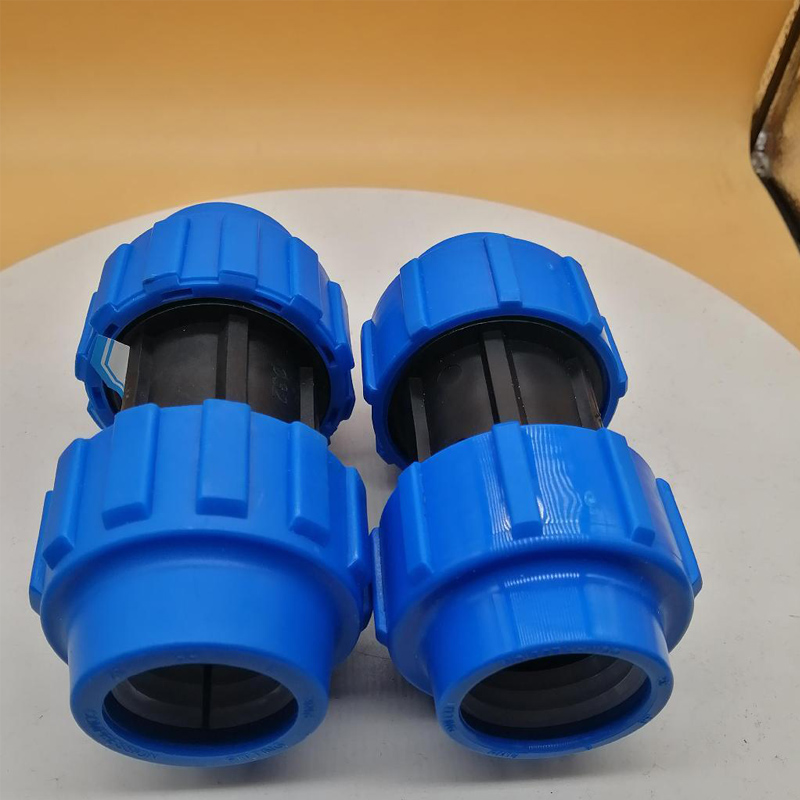
High-Density Polyethylene (HDPE) couplings are integral components within fluid transfer systems across a diverse range of industries, including municipal water distribution, irrigation, mining, and industrial processing. They provide a robust and corrosion-resistant method for joining HDPE pipes, offering a significant advantage over traditional metallic joining methods in many applications. Unlike welded or solvent-cemented joints, HDPE couplings, particularly those of the mechanical type, offer ease of installation and disassembly without specialized equipment or hot work permits. This technical guide provides an in-depth analysis of HDPE coupling technology, encompassing material science, manufacturing processes, performance characteristics, potential failure modes, and relevant industry standards. The core performance centers on maintaining pressure integrity, ensuring leak-free connections, and accommodating pipe movement due to thermal expansion and contraction or ground settlement. The wholesale market demands consistent quality, dimensional accuracy, and adherence to stringent regulatory requirements, presenting a unique set of challenges for manufacturers and distributors.
Material Science & Manufacturing
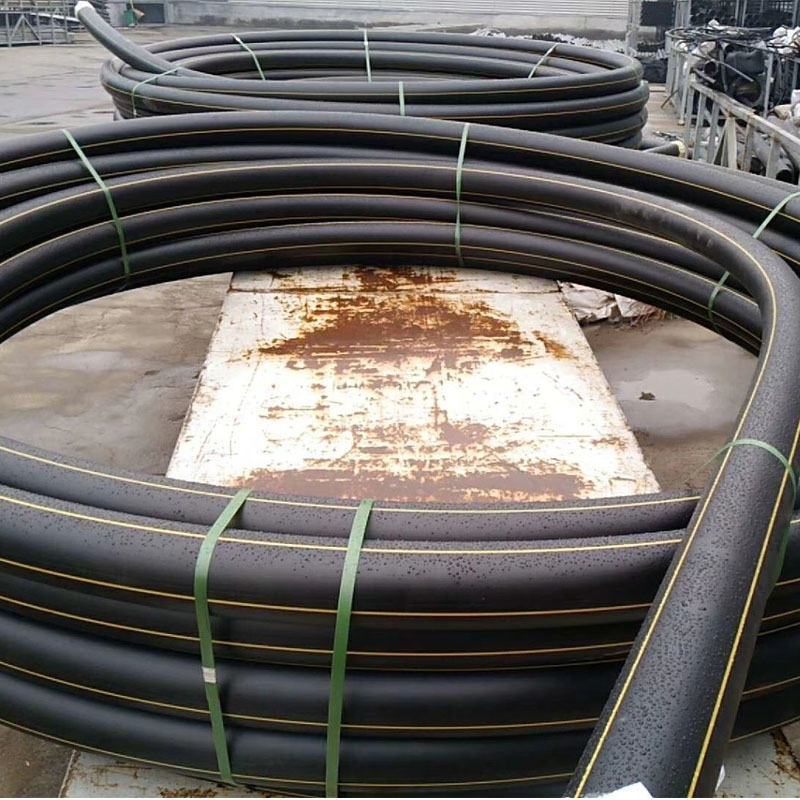
HDPE couplings are predominantly manufactured from high-density polyethylene resins, specifically grades formulated for pressure pipe applications. The resin itself is a thermoplastic polymer produced from the polymerization of ethylene. Key material properties include a high strength-to-density ratio, excellent chemical resistance to a broad spectrum of substances, and a low coefficient of friction. Molecular weight distribution, density (typically 0.941 – 0.965 g/cm³), and short-chain branching significantly influence the final mechanical properties. Manufacturing processes vary depending on the coupling type. Injection molding is widely used for producing smaller coupling components and intricate designs. Rotational molding is employed for larger diameter couplings and those requiring uniform wall thickness. Extrusion is used for producing the HDPE pipe stub ends often integrated into mechanical couplings. Parameter control during these processes is critical. Injection molding requires precise control of melt temperature, mold temperature, injection pressure, and cooling rates to minimize residual stress and ensure dimensional stability. Extrusion demands careful regulation of die temperature, screw speed, and puller speed to maintain consistent wall thickness and prevent material degradation. The addition of carbon black (typically 2-5%) is common to provide UV resistance and enhance long-term durability. Compatibility with the HDPE pipe material is paramount, requiring the coupling resin to have similar melt flow index (MFI) and density characteristics to prevent differential shrinkage and potential joint failure. The manufacturing process also incorporates quality control checks including hydrostatic pressure testing, dimensional inspection, and material traceability.
Performance & Engineering
The performance of HDPE couplings is dictated by several key engineering principles. Firstly, pressure containment relies on the hoop strength of the coupling body and the integrity of the sealing mechanism. Mechanical couplings utilize gaskets, often made of nitrile rubber (NBR) or ethylene propylene diene monomer (EPDM), to create a watertight seal. The selection of gasket material is crucial, considering the fluid being conveyed, operating temperature, and pressure requirements. Force analysis determines the necessary clamping force to achieve adequate gasket compression and prevent leakage. Finite Element Analysis (FEA) is commonly used to optimize coupling designs and predict stress distribution under various loading conditions. Environmental resistance is a critical consideration. HDPE is susceptible to degradation from prolonged exposure to ultraviolet (UV) radiation, necessitating the incorporation of UV stabilizers (carbon black being the most common). Temperature fluctuations induce thermal expansion and contraction in both the pipe and the coupling. The coupling design must accommodate this movement without compromising the seal or inducing excessive stress. Furthermore, soil loading in buried applications can exert significant external pressure on the coupling. Compliance requirements, such as those stipulated by AWWA standards (American Water Works Association) or EN standards (European Norms), dictate the minimum performance criteria for pressure ratings, leak tightness, and material properties. Long-term creep resistance is also important, especially in applications involving sustained pressure. The coupling’s geometry and material properties must be engineered to minimize creep deformation over its intended service life.
Technical Specifications
| Parameter | Units | Typical Value (DN150, SDR17) | Test Standard |
|---|---|---|---|
| Nominal Diameter | mm | 150 | ISO 4427 |
| Pressure Rating | Bar | 16 | ISO 8084 |
| Material | - | HDPE (PE100) | ISO 1035-5 |
| Gasket Material | - | EPDM | EN 682-1 |
| Operating Temperature | °C | -20 to +60 | Manufacturer Specification |
| Weight | kg | 2.5 - 3.5 (Dependent on design) | Manufacturer Specification |
Failure Mode & Maintenance
HDPE coupling failures typically stem from several distinct mechanisms. Fatigue cracking can occur due to repeated pressure cycling or external loading, particularly in areas of stress concentration. Delamination can arise from inadequate surface preparation during manufacturing or the use of incompatible materials. Chemical degradation can occur when exposed to aggressive chemicals not compatible with HDPE or the gasket material, leading to material embrittlement and eventual failure. Oxidation, while less common due to HDPE’s inherent resistance, can occur at elevated temperatures in the presence of oxygen. Gasket failure is a frequent cause of leakage, often resulting from gasket compression set, material degradation, or improper installation. A common failure mode is joint separation due to inadequate clamping force or pipe misalignment. Maintenance typically involves visual inspection for cracks, leaks, or signs of material degradation. Regular torque checks of bolt connections (in mechanical couplings) are essential to ensure adequate clamping force. Damaged gaskets should be replaced immediately. For buried couplings, proper backfill compaction and corrosion protection measures are crucial to prevent external damage and ensure long-term reliability. Hydrostatic testing can be performed periodically to verify the integrity of the entire piping system, including the couplings. Failure analysis should be conducted on any failed coupling to determine the root cause and prevent recurrence. This analysis often involves microscopic examination of the fracture surface and chemical analysis of the failed components.
Industry FAQ
Q: What is the impact of pipe ovality on the performance of mechanical HDPE couplings?
A: Pipe ovality can significantly compromise the sealing performance of mechanical couplings. Ovality creates uneven pressure distribution on the gasket, leading to potential leakage. Couplings are designed for round pipes, and exceeding the specified ovality tolerance (typically defined by the manufacturer) can reduce the clamping force and compromise the integrity of the joint. Correcting pipe ovality prior to coupling installation is critical.
Q: How does the choice of gasket material affect the long-term reliability of the coupling?
A: Gasket material selection is paramount. NBR offers good resistance to oils and fuels, while EPDM provides superior resistance to UV radiation, ozone, and weathering. The operating temperature and the fluid being conveyed are also crucial factors. Incorrect gasket material selection can lead to premature degradation, loss of elasticity, and eventual leakage. Consideration should also be given to the gasket's compression set – its tendency to deform permanently under sustained pressure.
Q: What are the common causes of corrosion in HDPE coupling systems, and how can they be mitigated?
A: While HDPE itself is corrosion-resistant, corrosion can occur in metallic components of mechanical couplings (e.g., bolts, nuts, locking mechanisms). Galvanic corrosion can arise from the use of dissimilar metals in contact with each other in the presence of an electrolyte (e.g., soil). Mitigation strategies include using compatible metallic materials, applying protective coatings (e.g., zinc plating), and employing cathodic protection techniques.
Q: What is the allowable degree of misalignment for mechanical HDPE couplings?
A: Mechanical couplings are designed to accommodate a certain degree of angular and axial misalignment. However, exceeding the manufacturer's specified limits can induce excessive stress on the coupling and gasket, potentially leading to failure. The allowable misalignment typically varies depending on the coupling design and size. Consulting the manufacturer’s technical specifications is crucial.
Q: How important is proper installation torque for bolted HDPE couplings, and what are the consequences of over or under-torquing?
A: Proper installation torque is critically important. Under-torquing results in insufficient gasket compression and potential leakage. Over-torquing can damage the gasket, distort the coupling body, and even strip the bolt threads. Using a calibrated torque wrench and following the manufacturer’s specified torque values is essential for ensuring a reliable and leak-free connection.
Conclusion
HDPE couplings represent a vital component in modern piping systems, offering a durable, corrosion-resistant, and relatively simple solution for joining HDPE pipes. Their performance relies on a complex interplay of material science, manufacturing precision, and sound engineering principles. Understanding the potential failure modes and implementing appropriate maintenance strategies are crucial for ensuring long-term system reliability.
The continued demand for efficient and sustainable infrastructure will likely drive further innovation in HDPE coupling technology, focusing on improved sealing mechanisms, enhanced material properties, and smarter monitoring systems. Selecting the appropriate coupling type and adhering to industry best practices for installation and maintenance remain paramount for maximizing the life cycle performance and minimizing the total cost of ownership.
-
DN25 HDPE Compression Fitting-HORON INTERNATIONAL|Reliable Irrigation Solutions
NewsFeb.11,2026
-
hdpe coupling joint product Manufacturing Analysis
News2026-11-18
-
ppr pipe heating time products Performance Analysis
News2026-11-16
-
hdpe pipe sizes factory Performance Analysis
News2026-11-09
-
HDPE Pipe Sizes Service Performance Analysis
News2026-10-26
-
wholesale 15mm ppr pipe Material Science and Performance Analysis
News2026-10-20
-
wholesale pvc pipe price per foot Technical Analysis
News2026-09-21
-
wholesale long pvc pipe Technical Analysis and Manufacturing Specifications
News2026-09-15
-
wholesale plumbing kitchen sink water lines Material Performance
News2026-09-15
-
wholesale hdpe drip irrigation Material Science
News2026-09-15
-
wholesale hot water ppr pipe Performance Analysis
News2026-09-15
-
wholesale ppr plumbing Performance Analysis
News2026-09-15
-
wholesale ppr pipe supplier Performance Analysis
News2026-09-13
-
wholesale 50mm ppr pipe Performance Analysis
News2026-09-13
-
wholesale hdpe drip pipe Performance Analysis
News2026-09-13
-
wholesale hdpe pipe 63mm price Manufacturing Specification and Performance Analysis
News2026-09-13