

Feb . 11, 2026 00:01 Back to list
wholesale dn25 hdpe Manufacturing Specification and Performance Analysis
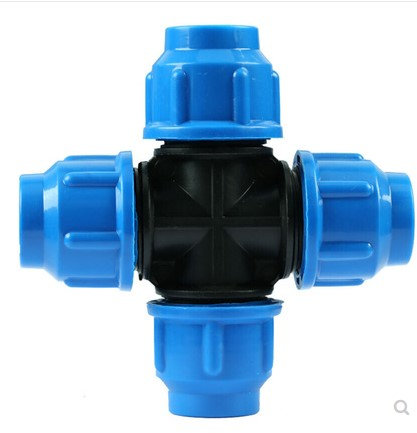
Introduction
DN25 High-Density Polyethylene (HDPE) piping represents a critical component in fluid transfer systems across numerous industrial applications, including water distribution, irrigation, mining, and chemical processing. Defined by its 25mm nominal diameter, this piping grade distinguishes itself through a high strength-to-density ratio, excellent chemical resistance, and long-term durability. Within the broader polyethylene (PE) family, HDPE offers superior performance characteristics when compared to Low-Density Polyethylene (LDPE) and Linear Low-Density Polyethylene (LLDPE), specifically in pressure-bearing applications. Its position in the industrial chain is firmly established as a cost-effective and reliable alternative to traditional metallic piping, mitigating corrosion concerns and reducing installation complexity. Core performance metrics center around pressure rating, burst strength, environmental stress crack resistance (ESCR), and long-term hydrostatic strength (LHS), all of which dictate its suitability for specific operational parameters. The escalating demand for sustainable infrastructure solutions further cements DN25 HDPE’s prominence.
Material Science & Manufacturing
HDPE for DN25 pipe is predominantly produced from ethylene, derived from petroleum or natural gas cracking. The polymerization process utilizes Ziegler-Natta or metallocene catalysts to achieve a highly linear polymer structure. This linearity contributes to the material's high crystallinity, resulting in increased tensile strength, rigidity, and chemical inertness. Raw material quality is paramount; variations in ethylene purity and catalyst effectiveness directly impact the final pipe’s mechanical properties. Manufacturing typically employs extrusion processes. Granulated HDPE resin is fed into an extruder where it is heated and melted, then forced through a circular die to form a continuous pipe. Critical parameters during extrusion include melt temperature (typically between 180°C and 210°C), die pressure, and cooling rate. Maintaining consistent extrusion parameters is crucial to ensure uniform wall thickness and dimensional accuracy. Post-extrusion, pipes undergo cooling in water baths and are subsequently cut to length. Quality control involves rigorous testing of melt flow index (MFI), density, and hydrostatic design basis (HDB) to verify compliance with industry standards. Further compounding with UV stabilizers and carbon black is common to enhance resistance to environmental degradation. The molecular weight distribution (MWD) is a key parameter influencing processability and final product performance, with broader MWD often improving impact resistance but potentially reducing tensile strength.

Performance & Engineering
The performance of DN25 HDPE pipe is intrinsically linked to its ability to withstand internal pressure and external loads. Force analysis, governed by the Barlow formula (P = 2St/D, where P=pressure, S=tensile strength, t=wall thickness, D=diameter), dictates the maximum allowable operating pressure. Factors impacting this calculation include temperature, long-term creep behavior, and safety factors. Environmental resistance is a crucial consideration, especially for buried pipelines. HDPE exhibits excellent resistance to most acids, bases, and solvents, but prolonged exposure to oxidizing agents (e.g., concentrated nitric acid) can induce degradation. Soil conditions, including corrosivity and thermal conductivity, influence pipe temperature and therefore long-term performance. Compliance requirements are multifaceted, encompassing pressure testing (hydrostatic testing as per ISO 1167), material specifications (ASTM D3350), and installation guidelines. Jointing techniques, such as butt fusion, electrofusion, and compression fittings, significantly affect system integrity. Butt fusion, providing a homogenous weld, is generally preferred for high-pressure applications. Sagging and ovalation are potential issues that necessitate proper pipe support and backfilling procedures. The long-term hydrostatic strength (LHS) is a critical performance indicator, predicting the pipe's ability to maintain its integrity over a 50-year service life, influenced by factors like temperature and internal pressure. Finite element analysis (FEA) is increasingly used to model stress distribution and optimize pipe design for specific applications.
Technical Specifications
| Parameter | Unit | Typical Value (DN25 HDPE - PE100) | Testing Standard |
|---|---|---|---|
| Nominal Diameter | mm | 25 | ISO 4427 |
| Standard Dimension Ratio (SDR) | - | 17.6 | ASTM D3350 |
| Minimum Burst Pressure | MPa | 12.6 | ISO 1167 |
| Hydrostatic Design Basis (HDB) | MPa | 10 | EN 12156 |
| Density | kg/m³ | 953 | ISO 1183 |
| Melt Flow Index (MFI) | g/10min | 0.5 - 1.0 | ISO 1133 |
Failure Mode & Maintenance
DN25 HDPE pipes, while robust, are susceptible to several failure modes. Environmental Stress Cracking (ESC) is a prevalent issue, particularly in installations exposed to aggressive chemicals or prolonged tensile stress. This manifests as brittle fracture initiated at stress concentrators. Slow Crack Growth (SCG) is a related phenomenon, occurring over extended periods due to sustained stress and environmental factors. Oxidative degradation, accelerated by UV exposure and elevated temperatures, can reduce the pipe’s mechanical properties and cause surface cracking. Fatigue cracking can occur under cyclic pressure loads, especially at joints or connections. Third-party damage during installation (e.g., puncturing) is a common cause of immediate failure. Maintenance typically focuses on preventative measures. Regular visual inspections are critical to identify early signs of cracking or deformation. Pressure testing should be conducted periodically to verify system integrity. Proper bedding and backfilling are essential to prevent external loads from inducing stress. In the event of a leak, localized repairs can be performed using specialized HDPE welding equipment and techniques. Long-term monitoring of soil conditions and potential corrosive agents is recommended. Failure analysis, involving microscopic examination of fractured surfaces, is crucial for determining the root cause of failures and implementing corrective actions. Implementation of cathodic protection systems in corrosive environments can significantly extend service life.
Industry FAQ
Q: What is the impact of temperature on the long-term performance of DN25 HDPE pipe?
A: Elevated temperatures significantly reduce the hydrostatic design basis (HDB) and accelerate creep, diminishing the pipe's long-term strength. Lower temperatures, while increasing strength, can increase brittleness. Design calculations must account for the expected operating temperature range and incorporate appropriate derating factors.
Q: How does the choice of jointing method affect the overall system reliability?
A: Butt fusion generally provides the highest level of joint integrity, creating a homogenous weld comparable in strength to the pipe itself. Electrofusion offers comparable performance but requires more precise control. Compression fittings, while convenient, are more susceptible to leakage over time and require regular inspection and retightening.
Q: What are the key considerations when selecting HDPE pipe for potable water applications?
A: The HDPE material must be certified for potable water contact, complying with standards such as NSF/ANSI 61. The pipe should not leach any harmful substances into the water. Proper disinfection procedures must be followed before commissioning the system.
Q: How can I mitigate the risk of Environmental Stress Cracking (ESC) in a DN25 HDPE pipeline?
A: Avoid exposing the pipe to aggressive chemicals and ensure adequate support to minimize tensile stress. Select HDPE grades with enhanced ESCR properties. Proper bedding and backfilling are crucial to prevent external loads from inducing stress.
Q: What is the recommended depth of burial for DN25 HDPE pipe to protect against mechanical damage and UV degradation?
A: A minimum burial depth of 600mm is generally recommended to provide adequate protection against mechanical damage from surface traffic and construction activities. This also shields the pipe from UV degradation. Local regulations and soil conditions may dictate a deeper burial depth.
Conclusion
DN25 HDPE piping represents a technically sound and economically viable solution for diverse fluid transfer applications. Its inherent properties – high strength-to-density ratio, excellent chemical resistance, and ease of installation – position it as a superior alternative to traditional materials like metallic pipes. Careful consideration of material selection, manufacturing quality, and installation practices are paramount to ensuring long-term performance and mitigating potential failure modes.
Future advancements in HDPE resin technology, including the development of enhanced ESCR grades and improved UV stabilizers, will further extend the service life and broaden the application scope of DN25 HDPE pipes. Continued adherence to industry standards and rigorous quality control measures are essential for maintaining its reputation as a reliable and sustainable piping solution.
-
DN25 HDPE Compression Fitting-HORON INTERNATIONAL|Reliable Irrigation Solutions
NewsFeb.11,2026
-
hdpe coupling joint product Manufacturing Analysis
News2026-11-18
-
ppr pipe heating time products Performance Analysis
News2026-11-16
-
hdpe pipe sizes factory Performance Analysis
News2026-11-09
-
HDPE Pipe Sizes Service Performance Analysis
News2026-10-26
-
wholesale 15mm ppr pipe Material Science and Performance Analysis
News2026-10-20
-
wholesale pvc pipe price per foot Technical Analysis
News2026-09-21
-
wholesale long pvc pipe Technical Analysis and Manufacturing Specifications
News2026-09-15
-
wholesale plumbing kitchen sink water lines Material Performance
News2026-09-15
-
wholesale hdpe drip irrigation Material Science
News2026-09-15
-
wholesale hot water ppr pipe Performance Analysis
News2026-09-15
-
wholesale ppr plumbing Performance Analysis
News2026-09-15
-
wholesale ppr pipe supplier Performance Analysis
News2026-09-13
-
wholesale 50mm ppr pipe Performance Analysis
News2026-09-13
-
wholesale hdpe drip pipe Performance Analysis
News2026-09-13
-
wholesale hdpe pipe 63mm price Manufacturing Specification and Performance Analysis
News2026-09-13