

Feb . 11, 2026 00:01 Back to list
wholesale colored pvc pipe Material Science Manufacturing
Introduction
Polyvinyl chloride (PVC) pipe, specifically wholesale colored PVC pipe, represents a foundational material in modern infrastructure and industrial applications. Distinguished by its cost-effectiveness, durability, and versatility, colored PVC pipe extends the functionality of standard PVC by incorporating pigments for identification, safety signaling, or aesthetic purposes. Its position within the value chain spans raw material production (ethylene and chlorine), polymerization, compounding with colorants and additives, extrusion into various pipe diameters and schedules, and finally, distribution to end-users in construction, irrigation, chemical processing, and telecommunications. Core performance characteristics hinge on pressure resistance, chemical inertness, tensile strength, and long-term environmental stability. A critical industry pain point revolves around ensuring consistent color pigmentation throughout production runs, maintaining dimensional accuracy to facilitate secure jointing, and addressing concerns regarding long-term UV degradation, especially in exposed applications. The selection of appropriate PVC compound formulations and adherence to stringent quality control measures are paramount in mitigating these challenges.
Material Science & Manufacturing
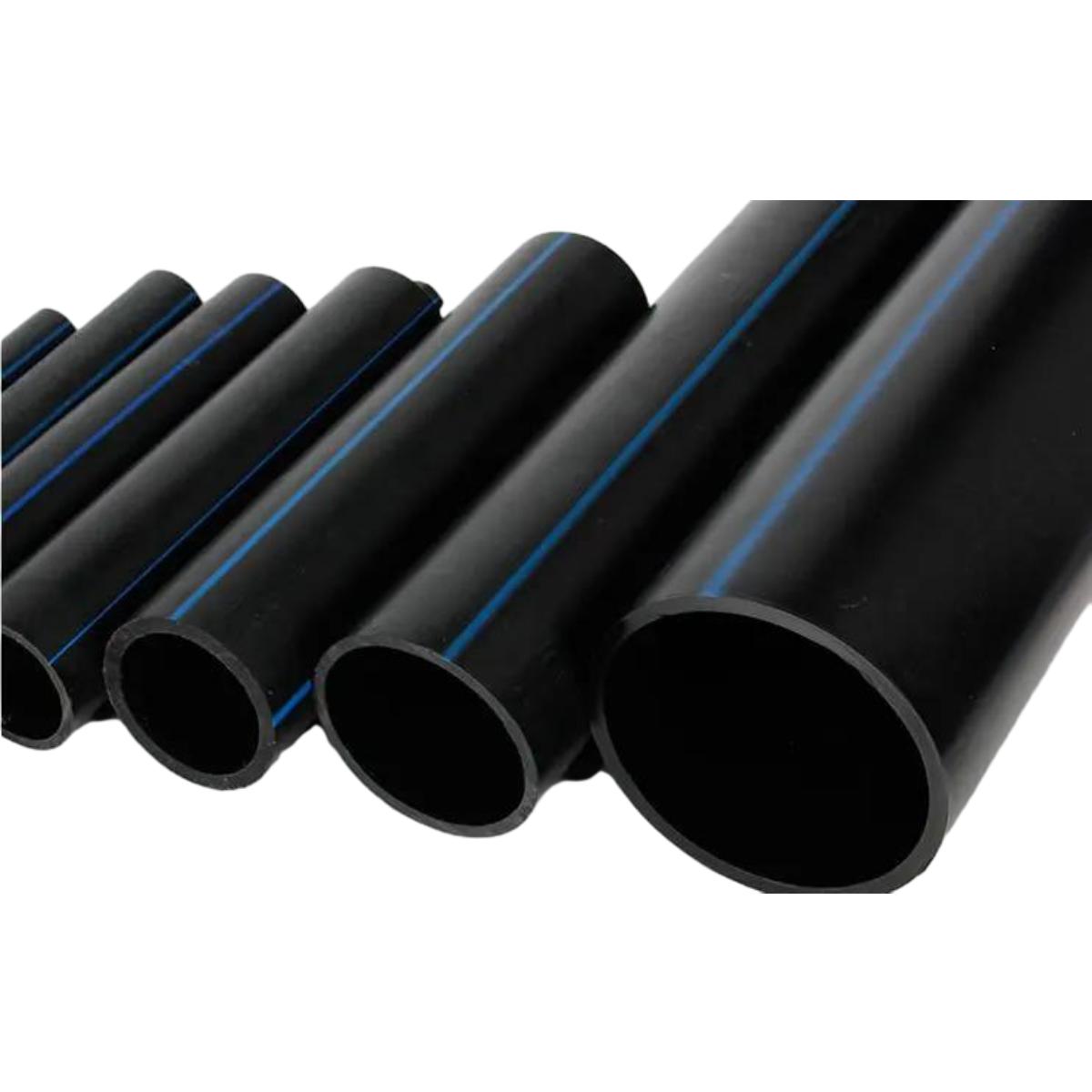
The foundation of colored PVC pipe lies in the polymerization of vinyl chloride monomer (VCM). VCM, derived from ethylene and chlorine, undergoes suspension or emulsion polymerization to create PVC resin. The resulting PVC resin, a white, brittle powder, requires compounding with plasticizers (typically phthalates or alternatives like DINCH), stabilizers (often lead-based, calcium-zinc, or organotin compounds), lubricants, and crucially, pigments to achieve desired coloration and processability. The choice of pigment significantly impacts the pipe’s UV resistance and thermal stability. Common pigments include titanium dioxide (for white), iron oxides (for reds, yellows, and browns), and phthalocyanine pigments (for blues and greens). Manufacturing typically employs extrusion, where the compounded PVC material is melted and forced through a die to create a continuous pipe profile. Critical parameters in extrusion include die temperature (180-210°C), screw speed (30-80 RPM), and haul-off speed. Maintaining consistent temperature profiles and precise screw design are essential to prevent material degradation and ensure uniform wall thickness. Post-extrusion, pipes are cooled, marked with relevant information (size, schedule, standards compliance), and cut to length. Dimensional stability is crucial, controlled by accurate die design and cooling processes. Material selection must consider the end use, with higher schedules (thicker walls) requiring formulations with enhanced impact resistance. Chemical compatibility of plasticizers and stabilizers with the intended transported fluid is also critical to prevent leaching or degradation.
Performance & Engineering
The performance of colored PVC pipe is dictated by several engineering principles. Pressure rating, a critical parameter, is determined by the pipe’s schedule (wall thickness) and material properties according to standards like ASTM D1785. Force analysis under internal pressure relies on the Barlow formula, which relates pressure, diameter, wall thickness, and material yield strength. Environmental resistance is paramount; PVC is susceptible to UV degradation, causing embrittlement and discoloration. Pigments, particularly carbon black, can significantly improve UV resistance. However, even with UV stabilizers, long-term exposure necessitates protective coatings or burial. Chemical resistance is generally excellent, with PVC being inert to most acids, bases, and salts. However, it can be affected by aromatic hydrocarbons and chlorinated solvents. Compliance requirements vary by region and application. Potable water applications demand compliance with NSF/ANSI 61, which specifies limits on contaminant leaching. Irrigation systems require adherence to standards addressing water quality and preventing backflow contamination. The long-term creep resistance of PVC, its tendency to deform under sustained load, is an important consideration in structural applications. Finite element analysis (FEA) is often employed to model stress distribution and optimize pipe design for specific load conditions and burial depths. Furthermore, the coefficient of thermal expansion of PVC (approximately 8 x 10^-5 /°C) must be accounted for in piping system design to prevent stress cracking or joint failure.
Technical Specifications
| Parameter | Schedule 40 (Typical) | Schedule 80 (Typical) | ASTM D1785 Compliance | Color Consistency (ΔE) |
|---|---|---|---|---|
| Material | PVC (Polyvinyl Chloride) | PVC (Polyvinyl Chloride) | Yes | ≤ 2.0 |
| Pressure Rating (psi @ 73°F) | 400 | 600 | Variable, based on size & schedule | N/A |
| Tensile Strength (psi) | 5,800 | 6,200 | N/A | N/A |
| Flexural Modulus (psi) | 420,000 | 450,000 | N/A | N/A |
| Water Absorption (24 hrs) | <0.1% | <0.1% | N/A | N/A |
| UV Resistance (ASTM G154) | Pass (with TiO2 stabilization) | Pass (with TiO2 stabilization) | N/A | N/A |
Failure Mode & Maintenance
Failure modes in wholesale colored PVC pipe are diverse and often interconnected. Long-term hydrostatic stress can lead to slow crack propagation (SCP), exacerbated by residual stresses from manufacturing and exposure to aggressive chemicals. Fatigue cracking can occur under cyclic pressure fluctuations, particularly in applications involving pumps or fluctuating water hammer. UV degradation causes embrittlement, making the pipe susceptible to impact damage. Chemical attack, while generally limited, can occur with prolonged exposure to specific solvents or aggressive chemicals, resulting in swelling, cracking, or leaching of plasticizers. Delamination can occur if the PVC compound is improperly mixed or if incompatible additives are used. Joint failures are common, arising from improper solvent welding techniques, inadequate surface preparation, or thermal expansion/contraction stresses. Maintenance primarily focuses on preventative measures. Regular visual inspections should be conducted to identify cracks, discoloration, or signs of chemical attack. Joints should be inspected for leaks and re-welded if necessary, following proper solvent cementing procedures. Protecting exposed pipe from direct sunlight with coatings or shielding can significantly extend its service life. For systems handling corrosive fluids, periodic chemical compatibility testing should be performed. When replacing sections of pipe, ensure that the new pipe matches the schedule and material properties of the existing system to prevent stress concentrations. Corrective maintenance should also focus on addressing the root cause of the failure, such as improving chemical handling practices or enhancing UV protection.
Industry FAQ
Q: What is the impact of different plasticizers on the long-term performance of colored PVC pipe, specifically concerning flexibility and chemical resistance?
A: The type of plasticizer significantly influences long-term performance. Phthalate plasticizers, while cost-effective, are facing increasing regulatory scrutiny due to health concerns and can leach over time, reducing flexibility and potentially contaminating fluids. Alternatives like DINCH (Diisononyl Cyclohexanoate) offer improved safety profiles and better resistance to leaching but are typically more expensive. The choice depends on the application; potable water systems require non-phthalate plasticizers. In terms of chemical resistance, different plasticizers exhibit varying degrees of compatibility with different chemicals. Selecting a plasticizer compatible with the intended fluid is crucial to prevent swelling, cracking, or degradation of the pipe.
Q: How does the concentration and type of pigment affect the UV resistance and mechanical properties of PVC pipe?
A: Pigment concentration directly impacts UV resistance. Higher concentrations of UV-absorbing pigments, such as carbon black or titanium dioxide, provide greater protection against degradation. However, excessive pigment loading can reduce the pipe’s impact strength and tensile properties. The type of pigment is also critical; carbon black is highly effective but imparts a dark color. Titanium dioxide is used for lighter colors but requires stabilization to prevent photocatalytic degradation. The dispersion of the pigment within the PVC matrix is equally important; poor dispersion can create weak points and accelerate degradation.
Q: What are the critical considerations for solvent cementing PVC pipe, and how do you prevent joint failures?
A: Proper solvent cementing is paramount for preventing joint failures. Surface preparation is critical: both the pipe and fitting surfaces must be clean, dry, and free of contaminants. The correct solvent cement primer and cement must be used, compatible with the PVC formulation. Application should be even and complete, ensuring a full fillet around the joint. Sufficient curing time is essential, typically 24 hours, to allow the solvent to evaporate and create a strong bond. Environmental conditions, such as temperature and humidity, also influence curing time. Using excessive cement or working in poorly ventilated areas can also compromise joint integrity.
Q: What are the key differences between Schedule 40 and Schedule 80 PVC pipe, and when would you choose one over the other?
A: Schedule 40 and Schedule 80 refer to the pipe’s wall thickness. Schedule 80 has a thicker wall, providing higher pressure ratings and greater impact resistance. Schedule 40 is typically used for lower-pressure applications, such as irrigation and drainage, where cost is a primary concern. Schedule 80 is preferred for higher-pressure applications, chemical processing, and situations where greater mechanical strength is required. The higher wall thickness of Schedule 80 also provides greater resistance to corrosion and erosion, extending its service life in harsh environments.
Q: How do you verify the compliance of colored PVC pipe with relevant industry standards, such as NSF/ANSI 61 for potable water applications?
A: Compliance is verified through independent third-party certification. Look for products bearing the NSF/ANSI 61 certification mark, indicating that the pipe has been tested and meets the stringent requirements for contaminant leaching and material safety for potable water applications. Certification reports should be readily available from the manufacturer. Additionally, verify that the pipe meets other relevant standards, such as ASTM D1785 for dimensional requirements and material properties. Checking the manufacturer's documentation and conducting independent testing can further validate compliance.
Conclusion
Wholesale colored PVC pipe remains a vital component in numerous industries due to its balance of cost, performance, and versatility. Understanding the underlying material science – from PVC polymerization to pigment selection – is essential for optimizing product properties and ensuring long-term durability. Careful attention to manufacturing processes, particularly extrusion parameter control and quality assurance, is crucial for maintaining dimensional accuracy and consistent color pigmentation. Addressing potential failure modes, such as UV degradation, SCP, and chemical attack, through proper material selection, protective coatings, and preventative maintenance programs, is paramount to maximizing the service life and reliability of these systems.
Future trends in colored PVC pipe development will likely focus on sustainable plasticizers, enhanced UV stabilization technologies, and the incorporation of recycled PVC content. Continued adherence to stringent quality control measures and rigorous testing protocols, as defined by international standards, will be essential to meet evolving industry demands and maintain public safety. The integration of smart monitoring systems to detect potential failures proactively represents a promising avenue for enhancing the overall lifecycle management of PVC piping infrastructure.
-
DN25 HDPE Compression Fitting-HORON INTERNATIONAL|Reliable Irrigation Solutions
NewsFeb.11,2026
-
hdpe coupling joint product Manufacturing Analysis
News2026-11-18
-
ppr pipe heating time products Performance Analysis
News2026-11-16
-
hdpe pipe sizes factory Performance Analysis
News2026-11-09
-
HDPE Pipe Sizes Service Performance Analysis
News2026-10-26
-
wholesale 15mm ppr pipe Material Science and Performance Analysis
News2026-10-20
-
wholesale pvc pipe price per foot Technical Analysis
News2026-09-21
-
wholesale long pvc pipe Technical Analysis and Manufacturing Specifications
News2026-09-15
-
wholesale plumbing kitchen sink water lines Material Performance
News2026-09-15
-
wholesale hdpe drip irrigation Material Science
News2026-09-15
-
wholesale hot water ppr pipe Performance Analysis
News2026-09-15
-
wholesale ppr plumbing Performance Analysis
News2026-09-15
-
wholesale ppr pipe supplier Performance Analysis
News2026-09-13
-
wholesale 50mm ppr pipe Performance Analysis
News2026-09-13
-
wholesale hdpe drip pipe Performance Analysis
News2026-09-13
-
wholesale hdpe pipe 63mm price Manufacturing Specification and Performance Analysis
News2026-09-13