

Feb . 11, 2026 00:01 Back to list
wholesale bulk pvc pipe Performance Analysis
Introduction
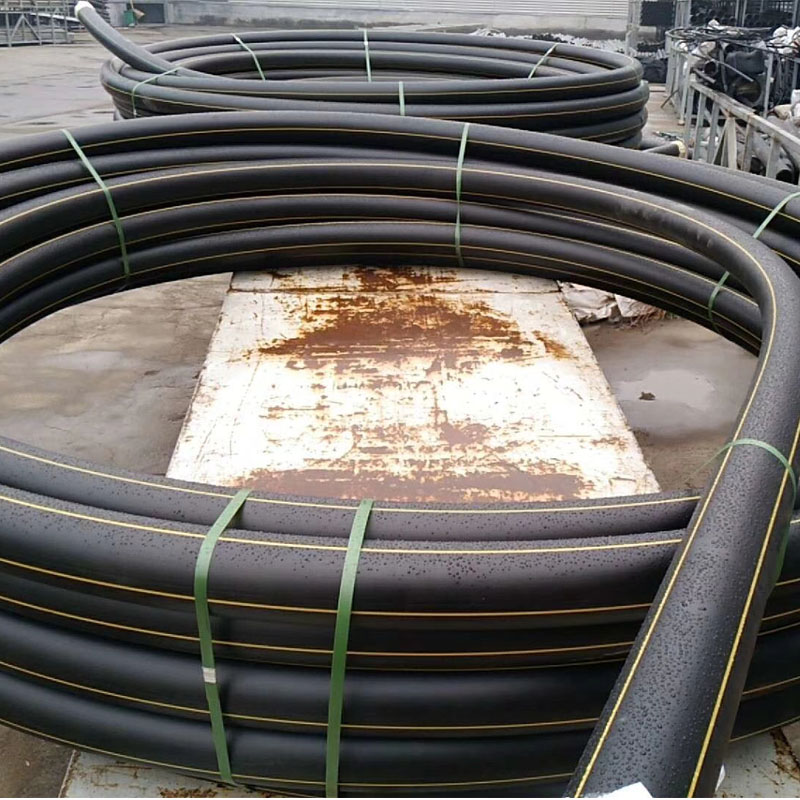
Polyvinyl chloride (PVC) pipe, in wholesale bulk quantities, represents a foundational material in modern infrastructure. Its pervasive use spans applications including potable water distribution, irrigation, wastewater conveyance, electrical conduit, and increasingly, industrial process piping. PVC's technical position within the industry chain is as a semi-finished product, typically extruded from PVC resin compounds, and then fabricated into functional systems via solvent welding, threading, or flanging. Core performance characteristics center around its corrosion resistance, cost-effectiveness, lightweight nature, and relative ease of installation. However, understanding the nuances of PVC formulation, manufacturing tolerances, and long-term performance degradation – particularly under varying environmental and loading conditions – are critical pain points for procurement managers and engineers seeking to ensure project longevity and minimize lifecycle costs. This guide provides a comprehensive technical overview of wholesale bulk PVC pipe, addressing material science, manufacturing processes, performance parameters, failure modes, and relevant industry standards.
Material Science & Manufacturing
PVC is a thermoplastic polymer synthesized from the polymerization of vinyl chloride monomer (VCM). The fundamental raw material, ethylene dichloride (EDC), is produced from ethylene and chlorine. The resin, PVC, is rarely used in its pure form; rather, it is compounded with additives such as plasticizers (e.g., DOP, DINP), stabilizers (e.g., calcium-zinc, lead-based – phasing out due to environmental concerns), lubricants, impact modifiers (e.g., acrylics), and processing aids. These additives significantly influence the final properties of the PVC pipe. The type and concentration of plasticizer, for example, dictate the pipe’s flexibility, impacting its pressure rating and application suitability. Rigid PVC, with minimal plasticizer content, is employed for pressure applications.
Manufacturing typically involves extrusion. PVC compound is fed into a single or twin-screw extruder, where it is heated and homogenized. The molten PVC is then forced through a die, shaping it into the desired pipe diameter and wall thickness. Precise control of extrusion parameters – barrel temperature profile, screw speed, die pressure, and cooling rate – are essential. Inconsistent extrusion can lead to variations in wall thickness, impacting burst pressure and long-term structural integrity. Post-extrusion, pipes are typically marked with relevant information (size, pressure rating, material designation, manufacturer) using methods like inkjet printing or embossing. Quality control measures, including hydrostatic pressure testing and dimensional checks, are implemented to ensure compliance with industry standards. Hydrostatic testing subjects pipes to internal pressure exceeding the specified working pressure to identify defects. The cooling process is crucial; rapid cooling can induce internal stresses leading to premature failure.
Performance & Engineering
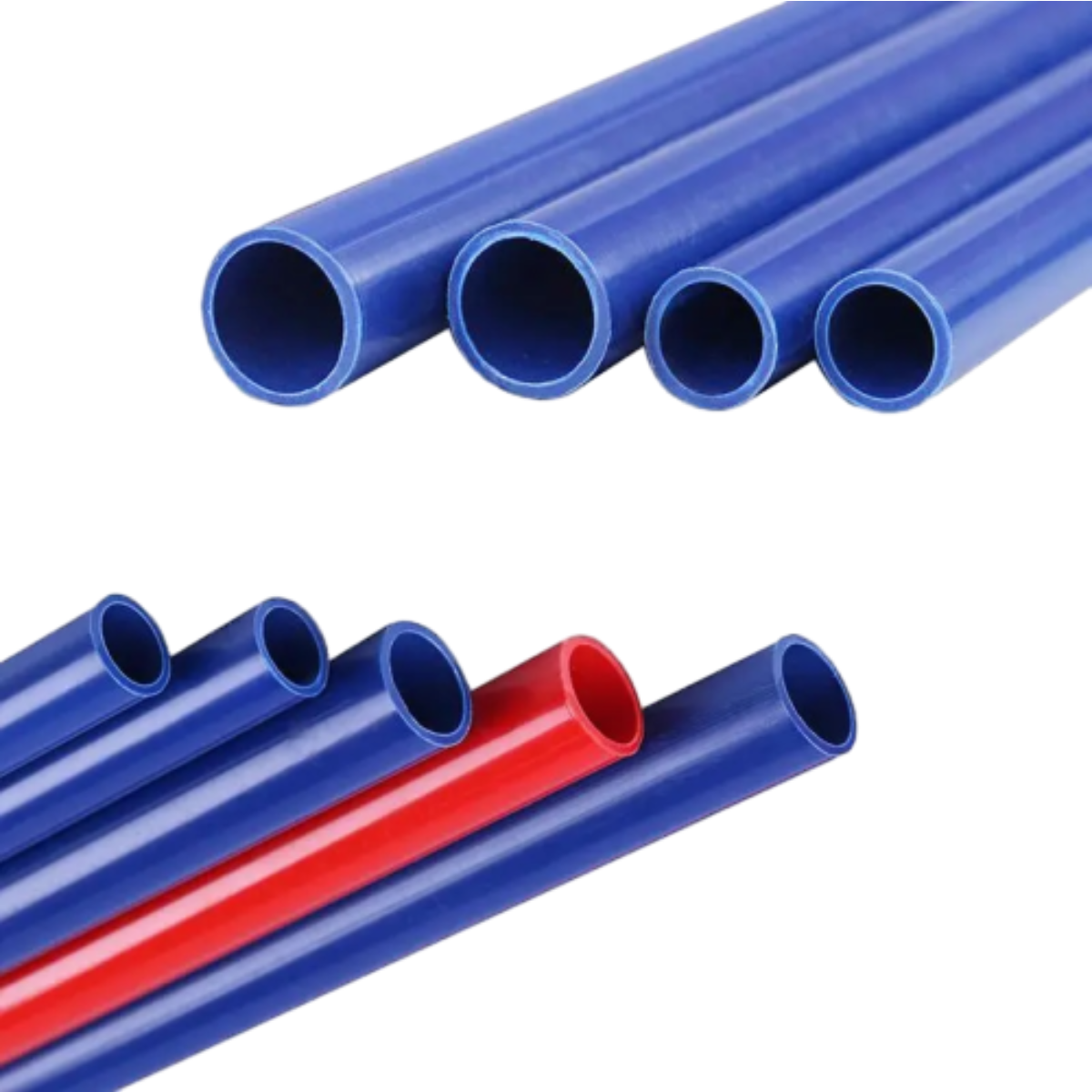
The performance of PVC pipe is dictated by several key engineering properties. Tensile strength, typically ranging from 50-70 MPa for rigid PVC, determines the pipe’s resistance to cracking under load. Impact strength, measured using Izod or Charpy tests, indicates the pipe’s ability to withstand sudden impacts without fracture, crucial for applications prone to accidental damage. Flexural modulus, around 3-4 GPa, defines the pipe's stiffness. Long-term hydrostatic strength is particularly critical and is affected by factors like temperature and sustained pressure. Creep, the time-dependent deformation under constant stress, is a major consideration in pressure applications.
Environmental resistance is a significant performance aspect. PVC exhibits excellent resistance to many chemicals, including acids, bases, and salts, making it suitable for corrosive environments. However, prolonged exposure to certain solvents and hydrocarbons can cause swelling and degradation. Ultraviolet (UV) radiation exposure causes chain scission and embrittlement, necessitating the addition of UV stabilizers, especially in outdoor applications. Thermal expansion and contraction are also important; PVC has a relatively high coefficient of thermal expansion (approximately 8 x 10⁻⁵ /°C), requiring expansion joints or flexible connections to accommodate temperature fluctuations and prevent stress buildup. Pipe support spacing must be carefully calculated to account for pipe weight, soil load, and hydrostatic pressure, preventing excessive bending stress.
Technical Specifications
| Parameter | Unit | Schedule 40 PVC | Schedule 80 PVC |
|---|---|---|---|
| Outside Diameter | mm | 114.3 | 114.3 |
| Wall Thickness | mm | 4.2 | 5.6 |
| Pressure Rating (at 23°C) | MPa | 1.0 | 1.6 |
| Tensile Strength | MPa | 62 | 62 |
| Impact Strength (Izod Notched) | kJ/m2 | 5 | 6 |
| Coefficient of Thermal Expansion | /°C | 8 x 10⁻⁵ | 8 x 10⁻⁵ |
Failure Mode & Maintenance
PVC pipe failure can manifest in several forms. Brittle fracture, particularly in cold temperatures or when subjected to impact, is a common mode, especially in older, unstabilized formulations. Long-term hydrostatic stress can lead to creep rupture, where slow deformation accumulates over time until the pipe fails. Chemical attack by aggressive solvents can cause swelling, cracking, and loss of mechanical properties. UV degradation results in surface crazing, embrittlement, and reduced impact resistance. Joint failures, stemming from improper solvent welding techniques or inadequate surface preparation, represent a significant concern. Microbiologically Influenced Corrosion (MIC), although less common than with metallic pipes, can occur in certain environments where bacteria degrade PVC.
Maintenance strategies focus on preventative measures. Proper installation techniques, including correct solvent welding procedures, adequate bedding support, and avoidance of direct sunlight exposure, are crucial. Regular visual inspections can identify signs of degradation, such as surface cracking or discoloration. Pressure testing can detect leaks and assess the overall integrity of the system. For repairs, qualified personnel should use compatible PVC repair materials and techniques. In cases of significant degradation or damage, pipe replacement is necessary. Avoid using abrasive cleaning methods that can damage the pipe surface. Implement cathodic protection in situations where stray currents might accelerate degradation.
Industry FAQ
Q: What is the impact of temperature on the pressure rating of PVC pipe?
A: The pressure rating of PVC pipe is derated as temperature increases. This is because the tensile strength and stiffness of PVC decrease with rising temperatures. Industry standards (e.g., ASTM D1785) provide derating factors that must be applied to the published pressure rating for operation at temperatures above 23°C. Higher temperatures accelerate creep, reducing the long-term hydrostatic strength.
Q: What are the advantages and disadvantages of different PVC stabilizers?
A: Calcium-zinc stabilizers are increasingly favored due to their environmental friendliness, replacing lead-based stabilizers. However, calcium-zinc systems typically offer slightly lower thermal stability and can result in plate-out (migration of stabilizer to the pipe surface). Organotin stabilizers provide excellent thermal stability but are also facing increased regulatory scrutiny. The choice of stabilizer depends on the application requirements and regulatory constraints.
Q: How does soil corrosivity affect the long-term performance of buried PVC pipe?
A: Highly corrosive soils can accelerate the degradation of PVC pipe, particularly if the pipe lacks adequate protective coatings or is exposed to stray electrical currents. Soil pH, chloride content, and sulfate levels are key indicators of corrosivity. Using appropriate bedding materials (e.g., sand) and ensuring adequate pipe cover can mitigate the effects of soil corrosivity. Consider using pipe with enhanced chemical resistance in particularly aggressive environments.
Q: What are the best practices for solvent welding PVC pipe?
A: Proper solvent welding is crucial for creating leak-proof joints. Surface preparation is paramount – both the pipe and fitting surfaces must be clean, dry, and free of contaminants. Apply the primer generously and allow it to flash off completely. Apply the solvent cement evenly and quickly, ensuring complete coverage. Immediately assemble the joint with a slight twist to distribute the cement. Hold the joint firmly for the recommended time to allow the cement to set. Avoid excessive cement application, as it can weaken the joint.
Q: What is the role of Schedule number (e.g., Schedule 40, Schedule 80) in PVC pipe selection?
A: The Schedule number indicates the pipe’s wall thickness. Higher Schedule numbers correspond to thicker walls, resulting in higher pressure ratings and increased stiffness. Schedule 40 is commonly used for lower-pressure applications, while Schedule 80 is preferred for higher-pressure systems or applications requiring greater mechanical strength. The Schedule number also affects the pipe’s cost and weight.
Conclusion
Wholesale bulk PVC pipe remains a dominant material in numerous infrastructure applications due to its balance of cost-effectiveness, corrosion resistance, and ease of installation. However, a thorough understanding of its material properties, manufacturing processes, and potential failure modes is essential for ensuring long-term performance and system reliability. Proper material selection, meticulous installation practices, and proactive maintenance strategies are all vital components of a successful PVC piping system.
Future trends in PVC pipe technology include the development of new formulations with enhanced impact resistance, improved UV stability, and reduced environmental impact. The increasing adoption of bio-based plasticizers and the exploration of recycled PVC content are also driving innovation. Continuous improvement in manufacturing techniques, coupled with more stringent quality control measures, will further enhance the performance and longevity of PVC pipe systems, solidifying its position as a critical infrastructure material.
-
DN25 HDPE Compression Fitting-HORON INTERNATIONAL|Reliable Irrigation Solutions
NewsFeb.11,2026
-
hdpe coupling joint product Manufacturing Analysis
News2026-11-18
-
ppr pipe heating time products Performance Analysis
News2026-11-16
-
hdpe pipe sizes factory Performance Analysis
News2026-11-09
-
HDPE Pipe Sizes Service Performance Analysis
News2026-10-26
-
wholesale 15mm ppr pipe Material Science and Performance Analysis
News2026-10-20
-
wholesale pvc pipe price per foot Technical Analysis
News2026-09-21
-
wholesale long pvc pipe Technical Analysis and Manufacturing Specifications
News2026-09-15
-
wholesale plumbing kitchen sink water lines Material Performance
News2026-09-15
-
wholesale hdpe drip irrigation Material Science
News2026-09-15
-
wholesale hot water ppr pipe Performance Analysis
News2026-09-15
-
wholesale ppr plumbing Performance Analysis
News2026-09-15
-
wholesale ppr pipe supplier Performance Analysis
News2026-09-13
-
wholesale 50mm ppr pipe Performance Analysis
News2026-09-13
-
wholesale hdpe drip pipe Performance Analysis
News2026-09-13
-
wholesale hdpe pipe 63mm price Manufacturing Specification and Performance Analysis
News2026-09-13