

Feb . 11, 2026 00:01 Back to list
wholesale black pvc pipe for sale Performance Analysis
Introduction
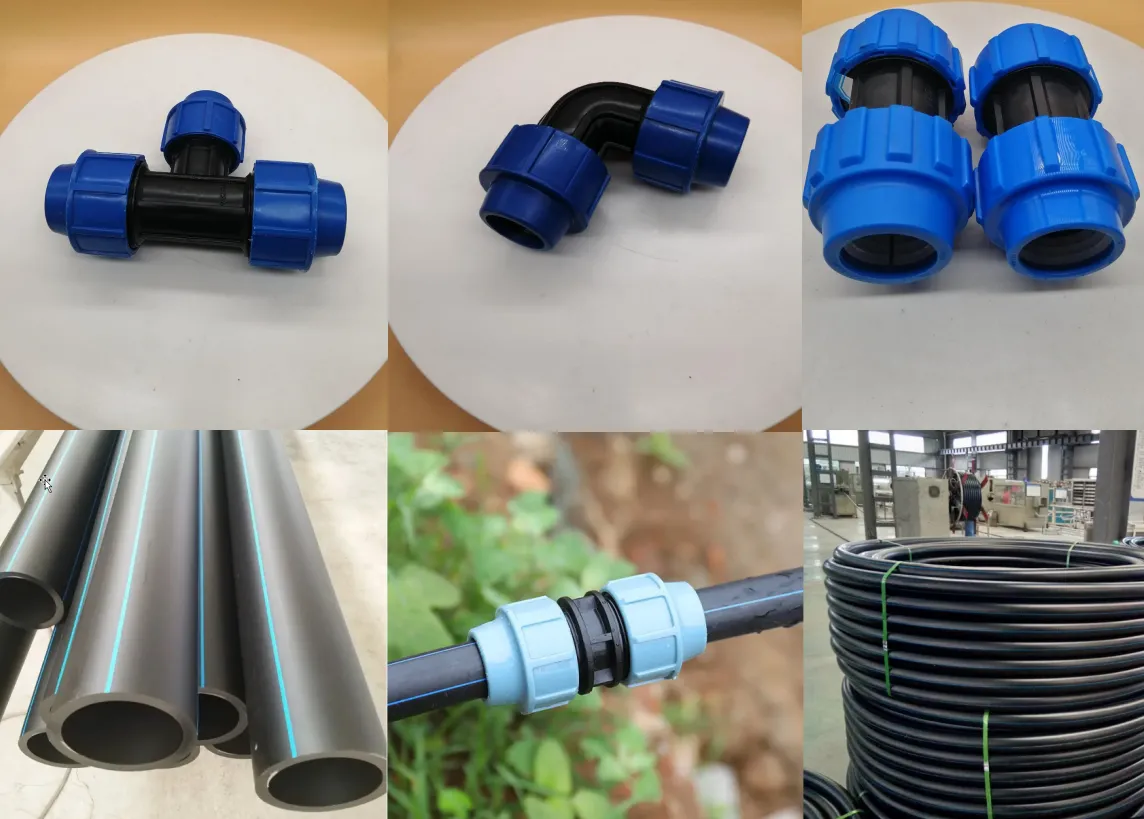
Polyvinyl Chloride (PVC) pipe, specifically wholesale black PVC pipe, represents a critical component in a vast range of industrial, agricultural, and infrastructural applications. Distinguished by its cost-effectiveness, durability, and versatility, black PVC pipe occupies a significant position in fluid conveyance systems globally. The addition of ultraviolet (UV) stabilizers to the PVC compound results in the black coloration, enhancing its resistance to degradation from sunlight exposure. This makes it particularly suitable for outdoor applications where prolonged UV exposure is unavoidable. Unlike white or grey PVC, black PVC does not reflect sunlight, which can be advantageous in certain agricultural applications to minimize algal growth within the pipe. Its primary function is the efficient and reliable transportation of liquids and gases, ranging from potable water and irrigation fluids to industrial chemicals and drainage systems. This technical guide provides a comprehensive analysis of black PVC pipe, encompassing material science, manufacturing processes, performance characteristics, failure modes, and relevant industry standards. Understanding these facets is paramount for procurement professionals, engineers, and maintenance personnel ensuring optimal system performance and longevity.
Material Science & Manufacturing
Black PVC pipe is primarily composed of PVC resin, a thermoplastic polymer produced through the polymerization of vinyl chloride monomer (VCM). The resin constitutes the bulk of the pipe’s structure, providing rigidity and chemical resistance. Key additives are incorporated into the PVC resin to modify its properties. These include plasticizers (typically phthalates or alternatives like DINCH) to enhance flexibility, impact modifiers (such as acrylics or MBS resins) to improve toughness, UV stabilizers (carbon black being the most common, hence the color) to resist degradation, lubricants to aid processing, and thermal stabilizers to prevent decomposition during high-temperature processing. The specific formulation varies based on the intended application and required performance characteristics. Manufacturing typically involves extrusion. PVC compound is fed into a single or twin-screw extruder, where it’s heated and homogenized. The molten PVC is then forced through a die, shaping it into the desired pipe dimensions. Critical process parameters include barrel temperature profile (typically 160-220°C), screw speed, die pressure, and cooling rates. Precise control of these parameters is crucial to ensure uniform wall thickness, consistent dimensions, and optimal material properties. Post-extrusion, the pipe undergoes cooling (water baths are commonly used), cutting to length, and quality inspection. Bell ends, often used for solvent welding, are formed through heating and expanding the pipe end. Quality control measures include hydrostatic pressure testing (to verify burst strength), dimensional accuracy checks, and visual inspection for surface defects. The grade of PVC used significantly influences the pipe's properties, with Schedule 40 and Schedule 80 being common classifications denoting wall thickness and pressure handling capabilities.
Performance & Engineering
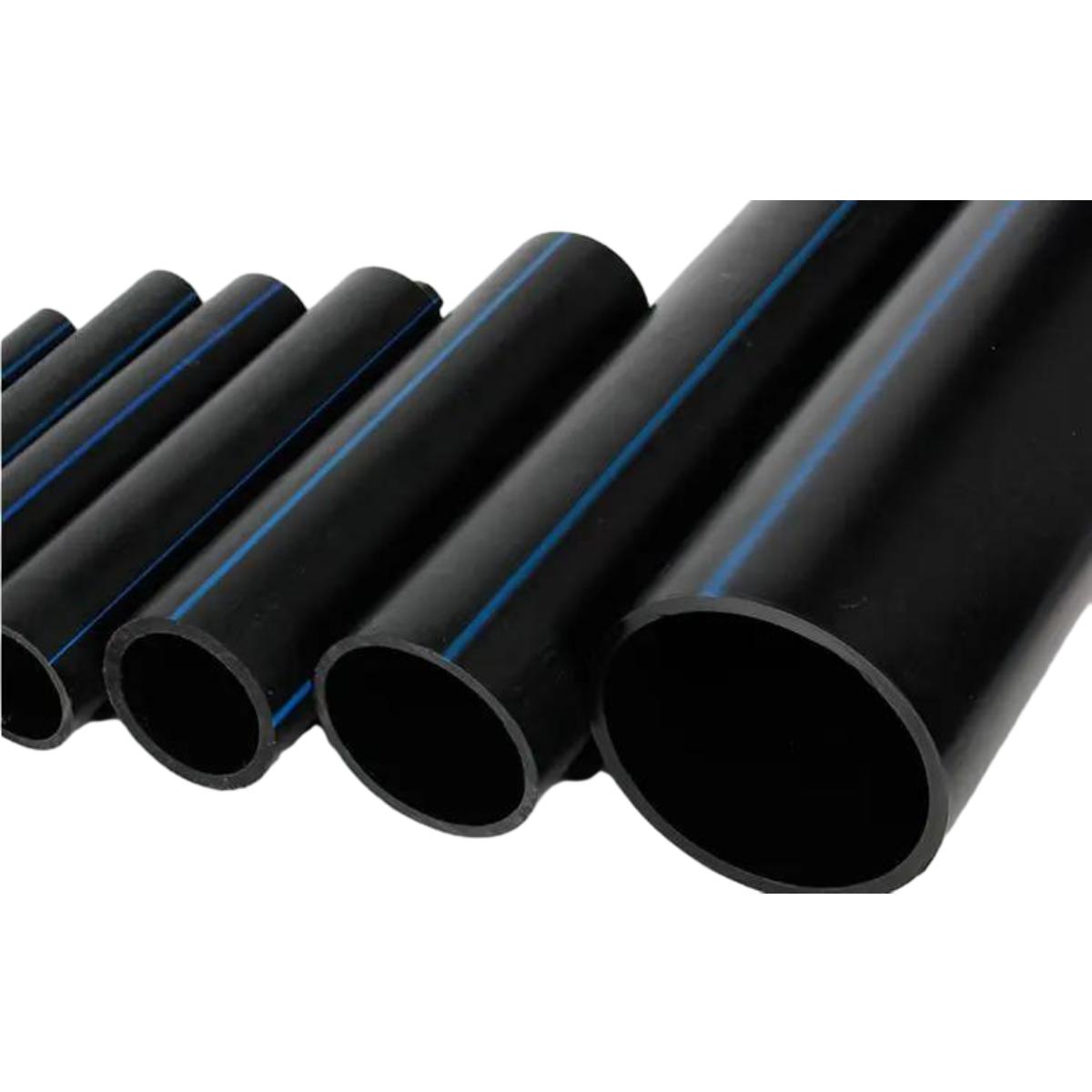
The performance of black PVC pipe is governed by several engineering considerations. Hydrostatic pressure rating, determined by the pipe’s dimensions (diameter and wall thickness) and the PVC compound’s tensile strength, dictates the maximum internal pressure the pipe can withstand without failure. This is critical for applications involving pressurized fluid transport. Tensile strength, measured in MPa or PSI, reflects the material’s resistance to stretching and is a key indicator of its overall durability. Impact strength, assessed using methods like Izod or Charpy impact testing, quantifies the pipe’s ability to resist sudden shocks or impacts, important in applications prone to mechanical stress. Long-term hydrostatic strength (LTHS) is a crucial parameter, particularly for water distribution systems. It represents the sustained pressure the pipe can handle over an extended period (typically 50 years) without experiencing catastrophic failure. LTHS is significantly influenced by temperature; higher temperatures reduce LTHS. Chemical resistance is another vital aspect. PVC is generally resistant to a wide range of chemicals, but exposure to certain solvents, strong acids, or oxidizing agents can cause swelling, cracking, or degradation. UV resistance, conferred by the carbon black additive, is essential for outdoor applications, preventing embrittlement and discoloration. Coefficient of thermal expansion needs to be considered in long pipe runs, as temperature fluctuations can induce stress and potential joint failure. Proper expansion loops or flexible joints must be incorporated into the system design to accommodate thermal expansion and contraction.
Technical Specifications
| Parameter | Schedule 40 (ASTM D1785) | Schedule 80 (ASTM D1785) | Typical Operating Temperature Range |
|---|---|---|---|
| Material | Rigid PVC (Polyvinyl Chloride) | Rigid PVC (Polyvinyl Chloride) | -40°C to +60°C (-40°F to +140°F) |
| Pressure Rating (at 23°C) | Up to 300 PSI (dependent on diameter) | Up to 600 PSI (dependent on diameter) | Varies with temperature; consult manufacturer data. |
| Tensile Strength | 55-75 MPa | 60-80 MPa | N/A |
| Impact Strength (Izod Notched) | 5-10 kJ/m² | 8-12 kJ/m² | N/A |
| Coefficient of Thermal Expansion | 8 x 10⁻⁵ /°C | 8 x 10⁻⁵ /°C | N/A |
| Chemical Resistance | Excellent to most acids, bases, and salts | Excellent to most acids, bases, and salts | N/A |
Failure Mode & Maintenance
Black PVC pipe, while durable, is susceptible to several failure modes. Embrittlement due to prolonged UV exposure (even with carbon black stabilization) can lead to cracking, particularly in areas with intense sunlight. Chemical attack by incompatible solvents or aggressive chemicals can cause swelling, softening, and eventual failure. Hydrostatic failure, resulting from exceeding the pipe’s pressure rating, manifests as bursting or splitting. Mechanical damage, such as impact from external forces or improper handling, can create cracks or punctures. Fatigue cracking can occur in systems subjected to cyclical pressure fluctuations. Joint failure, often due to improper solvent welding techniques (insufficient cement, incorrect surface preparation), is a common issue. Maintenance involves regular visual inspections for cracks, discoloration, or swelling. Pressure testing should be conducted periodically to verify system integrity. Joints should be inspected for leaks or signs of deterioration. Proper support and anchoring are crucial to prevent stress on the pipe and joints. When repairing damaged pipe, use compatible PVC cement and fittings. Avoid using abrasive cleaners that can degrade the material. For significant damage or extensive cracking, pipe replacement is generally recommended. Preventative measures include selecting the appropriate pipe schedule for the application, ensuring proper installation techniques, and protecting the pipe from direct sunlight where possible.
Industry FAQ
Q: What is the difference between Schedule 40 and Schedule 80 PVC pipe, and when should each be used?
A: Schedule 40 PVC pipe has thinner walls and is suitable for lower-pressure applications, like irrigation, drainage, and cold water distribution. Schedule 80 has thicker walls, offering higher pressure resistance and is preferred for industrial applications, hot water systems, and situations requiring greater mechanical strength. The “Schedule” number refers to a standardized wall thickness, influencing the pipe’s pressure rating.
Q: How does temperature affect the performance of PVC pipe?
A: Increasing temperature generally reduces the pressure rating and long-term hydrostatic strength of PVC pipe. Higher temperatures can also make the PVC more susceptible to creep (slow deformation under sustained stress). Always consult the manufacturer’s specifications for temperature derating factors.
Q: What chemicals are incompatible with PVC pipe?
A: PVC is generally resistant to many chemicals, but strong solvents (like ketones, esters, and aromatic hydrocarbons), concentrated acids (like sulfuric and nitric acid), and certain chlorinated hydrocarbons can cause degradation. Always consult a chemical resistance chart before using PVC pipe with unfamiliar substances.
Q: What are the best practices for solvent welding PVC pipe?
A: Proper solvent welding is crucial for leak-proof joints. Ensure surfaces are clean, dry, and free of debris. Use the correct type of PVC cement for the application. Apply cement evenly to both surfaces, and immediately insert the pipe and twist slightly to ensure complete coverage. Hold the joint firmly for the recommended time to allow the cement to set.
Q: How long is the expected service life of black PVC pipe?
A: With proper installation and maintenance, black PVC pipe can have a service life of 50 years or more. However, this depends on factors such as operating pressure, temperature, exposure to UV radiation, and chemical exposure. Regular inspections and preventative maintenance are key to maximizing the lifespan.
Conclusion
Black PVC pipe represents a robust and cost-effective solution for a wide spectrum of fluid conveyance applications. Its inherent properties – including chemical resistance, durability, and ease of installation – combined with the UV stabilization provided by the carbon black pigment, make it a preferred material in numerous industries. However, successful implementation hinges on a thorough understanding of its performance characteristics, potential failure modes, and adherence to industry standards. Proper material selection, diligent installation techniques, and routine maintenance are essential to ensure long-term reliability and optimal system performance.
Future developments in PVC technology may focus on enhancing impact resistance, improving chemical compatibility, and developing more sustainable formulations. The increasing demand for environmentally friendly materials may drive the adoption of bio-based plasticizers and recycled PVC content in pipe manufacturing. Continuous monitoring of operational parameters and proactive maintenance strategies will remain paramount for maximizing the lifespan and minimizing the lifecycle costs associated with black PVC piping systems.
-
DN25 HDPE Compression Fitting-HORON INTERNATIONAL|Reliable Irrigation Solutions
NewsFeb.11,2026
-
hdpe coupling joint product Manufacturing Analysis
News2026-11-18
-
ppr pipe heating time products Performance Analysis
News2026-11-16
-
hdpe pipe sizes factory Performance Analysis
News2026-11-09
-
HDPE Pipe Sizes Service Performance Analysis
News2026-10-26
-
wholesale 15mm ppr pipe Material Science and Performance Analysis
News2026-10-20
-
wholesale pvc pipe price per foot Technical Analysis
News2026-09-21
-
wholesale long pvc pipe Technical Analysis and Manufacturing Specifications
News2026-09-15
-
wholesale plumbing kitchen sink water lines Material Performance
News2026-09-15
-
wholesale hdpe drip irrigation Material Science
News2026-09-15
-
wholesale hot water ppr pipe Performance Analysis
News2026-09-15
-
wholesale ppr plumbing Performance Analysis
News2026-09-15
-
wholesale ppr pipe supplier Performance Analysis
News2026-09-13
-
wholesale 50mm ppr pipe Performance Analysis
News2026-09-13
-
wholesale hdpe drip pipe Performance Analysis
News2026-09-13
-
wholesale hdpe pipe 63mm price Manufacturing Specification and Performance Analysis
News2026-09-13