

Feb . 11, 2026 00:01 Back to list
wholesale black hdpe pipe Performance Analysis

Introduction
High-Density Polyethylene (HDPE) pipe, specifically wholesale black HDPE pipe, represents a critical component in fluid conveyance systems across numerous industries including municipal water and sewer, oil and gas, mining, irrigation, and industrial processing. Its position within the industrial chain is as a direct replacement for traditional materials like ductile iron, steel, and concrete, offering advantages in corrosion resistance, weight, and installation cost. This guide details the material science, manufacturing processes, performance characteristics, potential failure modes, and relevant standards pertaining to wholesale black HDPE pipe. Core performance attributes include pressure bearing capacity, long-term hydrostatic strength (LTS), resistance to chemical degradation, and joint integrity. The increasing demand for sustainable infrastructure and reduced life-cycle costs drives continued adoption of HDPE pipe, necessitating a comprehensive understanding of its technical properties and limitations.
Material Science & Manufacturing
Wholesale black HDPE pipe is predominantly manufactured from high-density polyethylene resin, typically grades meeting or exceeding ASTM D3350 standards. The polyethylene resin consists of long chains of ethylene molecules. The ‘density’ refers to the degree of branching in these chains; higher density equates to less branching, resulting in greater tensile strength, rigidity, and chemical resistance. Carbon black is added during the extrusion process to provide ultraviolet (UV) protection, inhibiting degradation caused by sunlight exposure. The concentration of carbon black significantly affects the pipe’s resistance to UV radiation. Manufacturing commonly employs extrusion processes. Raw polyethylene resin and carbon black are fed into an extruder, melted, and forced through a die to create a continuous pipe profile. Key parameters include melt temperature (typically 180-210°C), die pressure, and cooling rate. Variations in these parameters impact the pipe’s wall thickness uniformity, ovality, and surface finish. Butt fusion, electrofusion, and mechanical jointing are common joining methods. Butt fusion involves heating the pipe ends and fusing them together under pressure, creating a homogenous weld. Electrofusion utilizes an internal heating element within a fitting to melt and fuse the pipe and fitting materials. Quality control during manufacturing involves rigorous testing of material properties (melt index, density), dimensional accuracy, and hydrostatic pressure testing to ensure compliance with industry standards.
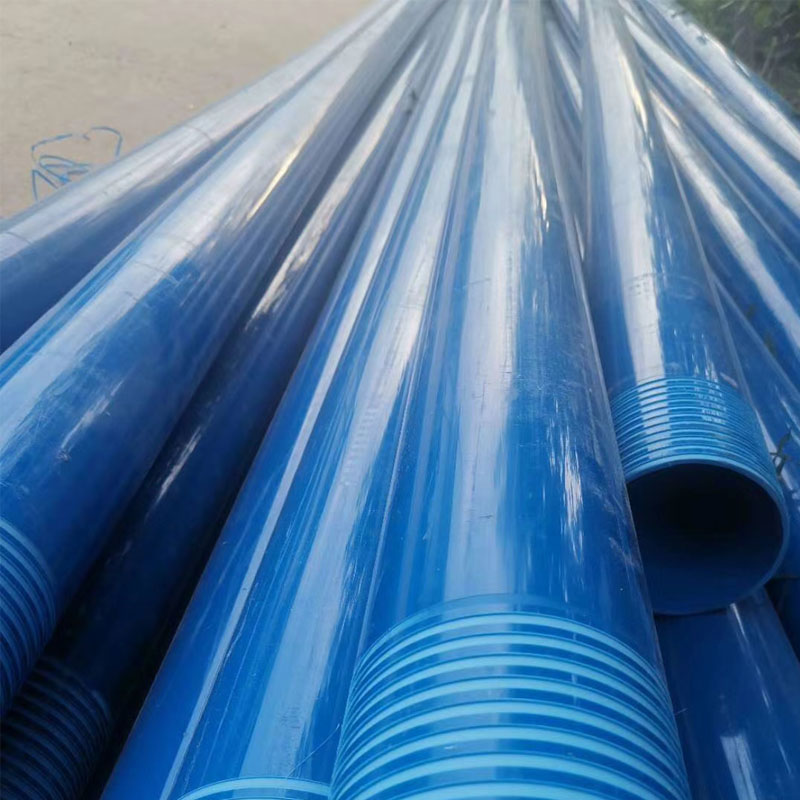
Performance & Engineering
The performance of wholesale black HDPE pipe is dictated by several engineering considerations. Hydrostatic design stress (HDS) is a critical parameter, defining the maximum allowable internal pressure the pipe can withstand over a specified design life (typically 50 years). This is calculated using Barlow’s formula, modified to account for factors such as temperature, material grade, and safety factors. The pipe’s ability to withstand external loads, such as soil overburden and traffic loads, is assessed through ring stiffness testing (ASTM D2412). Creep resistance – the tendency of the pipe to deform over time under sustained pressure – is another crucial factor, particularly in large-diameter pipes. HDPE exhibits excellent creep resistance but must be considered during design. Chemical resistance is a significant advantage; HDPE is largely inert to most acids, bases, and salts commonly encountered in industrial applications. However, it can be susceptible to degradation by strong oxidizing agents and certain solvents. Fatigue analysis is important in applications involving cyclical pressure variations or external loading. The pipe’s response to thermal expansion and contraction must also be considered, particularly in long pipeline runs. Expansion loops or flexible joints are often incorporated to accommodate these movements and prevent stress buildup. Compliance requirements vary by region and application, often involving certification by organizations such as NSF International for potable water applications, and adherence to local building codes.
Technical Specifications
| Parameter | Unit | Specification (Typical) | Test Standard |
|---|---|---|---|
| Material | - | High-Density Polyethylene (HDPE) | ASTM D3350 |
| Density | g/cm³ | 0.941 - 0.965 | ASTM D1505 |
| Hydrostatic Design Stress (HDS) | psi | 1600 (PN20) - 2320 (PN32) | ASTM D2837 |
| Pipe Size | inches | 0.5 – 63 | - |
| Wall Thickness | inches | 0.062 – 1.0 | ASTM F477 |
| Carbon Black Content | % | 2.0 – 3.0 | ASTM D1603 |
Failure Mode & Maintenance
Several failure modes can affect wholesale black HDPE pipe. Slow Crack Growth (SCG) is a common issue, initiated by stress concentrations and exacerbated by exposure to certain chemicals. This results in longitudinal cracks that propagate slowly over time. Rapid Crack Propagation (RCP) is a more sudden and catastrophic failure mode, also linked to stress concentrations but occurring more rapidly, often due to water hammer or surge pressures. Environmental Stress Cracking (ESC) occurs when the pipe is exposed to a combination of tensile stress and aggressive chemicals. UV degradation, despite the presence of carbon black, can occur over prolonged exposure, leading to embrittlement and reduced mechanical properties. Joint failures can occur due to improper fusion welding, contamination during the welding process, or inadequate pressure during fusion. Maintenance typically involves regular visual inspections to identify signs of cracking, deformation, or corrosion. Pressure testing can be performed to assess the integrity of the pipeline. For minor cracks, repair sleeves or patching compounds can be used. For significant failures, section replacement is usually necessary. Proper backfilling and compaction around the pipe are crucial to prevent external stresses and ensure long-term performance. Implementing surge protection measures is critical to mitigate the risk of RCP due to water hammer.
Industry FAQ
Q: What is the impact of temperature on the long-term performance of HDPE pipe?
A: Elevated temperatures reduce the long-term hydrostatic strength (LTS) of HDPE. Manufacturers provide derating factors to account for temperature effects. Higher operating temperatures require a lower HDS to ensure the pipe maintains its integrity over its design life. Conversely, lower temperatures generally improve LTS, but can increase brittleness.
Q: How does the SDR (Standard Dimension Ratio) affect pipe strength?
A: SDR is the ratio of pipe diameter to wall thickness. A lower SDR indicates a thicker wall and therefore greater strength and pressure-bearing capacity. Higher SDR pipes are suitable for lower-pressure applications.
Q: What are the best practices for fusing HDPE pipe to ensure joint integrity?
A: Proper surface preparation is crucial – pipe ends must be clean, dry, and free of contamination. Fusion parameters (temperature, pressure, and time) must be strictly adhered to as specified by the manufacturer. Qualified personnel should perform the fusion process, and thorough visual inspection and non-destructive testing (e.g., pull testing) should be conducted to verify weld quality.
Q: Can HDPE pipe be used in corrosive soil environments?
A: HDPE is highly resistant to most corrosive soils. However, prolonged exposure to strong oxidizing agents or highly acidic soils can potentially cause degradation. In such environments, protective coatings or cathodic protection may be considered.
Q: What is the typical service life of wholesale black HDPE pipe?
A: Properly installed and maintained HDPE pipe can have a service life exceeding 50 years, and often exceeding 100 years, depending on the application, operating conditions, and material quality. The design life is based on hydrostatic stress calculations and considers creep and environmental factors.
Conclusion
Wholesale black HDPE pipe offers a robust and cost-effective solution for a wide range of fluid conveyance applications. Its inherent advantages in corrosion resistance, lightweight nature, and ease of installation position it as a preferred alternative to traditional piping materials. A thorough understanding of the material science, manufacturing processes, and potential failure modes is essential for ensuring long-term reliability and maximizing the service life of HDPE pipeline systems. Careful consideration of hydrostatic design stress, environmental factors, and proper installation techniques are paramount.
Continued advancements in polyethylene resin technology and fusion welding techniques will further enhance the performance and durability of HDPE pipe. As infrastructure demands evolve and sustainability concerns grow, HDPE is poised to play an increasingly important role in building resilient and efficient fluid transport networks. The selection of the appropriate HDPE grade, pipe size, and joining method is critical to meeting specific application requirements and ensuring long-term system integrity.
-
DN25 HDPE Compression Fitting-HORON INTERNATIONAL|Reliable Irrigation Solutions
NewsFeb.11,2026
-
hdpe coupling joint product Manufacturing Analysis
News2026-11-18
-
ppr pipe heating time products Performance Analysis
News2026-11-16
-
hdpe pipe sizes factory Performance Analysis
News2026-11-09
-
HDPE Pipe Sizes Service Performance Analysis
News2026-10-26
-
wholesale 15mm ppr pipe Material Science and Performance Analysis
News2026-10-20
-
wholesale pvc pipe price per foot Technical Analysis
News2026-09-21
-
wholesale long pvc pipe Technical Analysis and Manufacturing Specifications
News2026-09-15
-
wholesale plumbing kitchen sink water lines Material Performance
News2026-09-15
-
wholesale hdpe drip irrigation Material Science
News2026-09-15
-
wholesale hot water ppr pipe Performance Analysis
News2026-09-15
-
wholesale ppr plumbing Performance Analysis
News2026-09-15
-
wholesale ppr pipe supplier Performance Analysis
News2026-09-13
-
wholesale 50mm ppr pipe Performance Analysis
News2026-09-13
-
wholesale hdpe drip pipe Performance Analysis
News2026-09-13
-
wholesale hdpe pipe 63mm price Manufacturing Specification and Performance Analysis
News2026-09-13