

Feb . 11, 2026 00:01 Back to list
wholesale 80mm pvc pipe Performance Analysis
Introduction
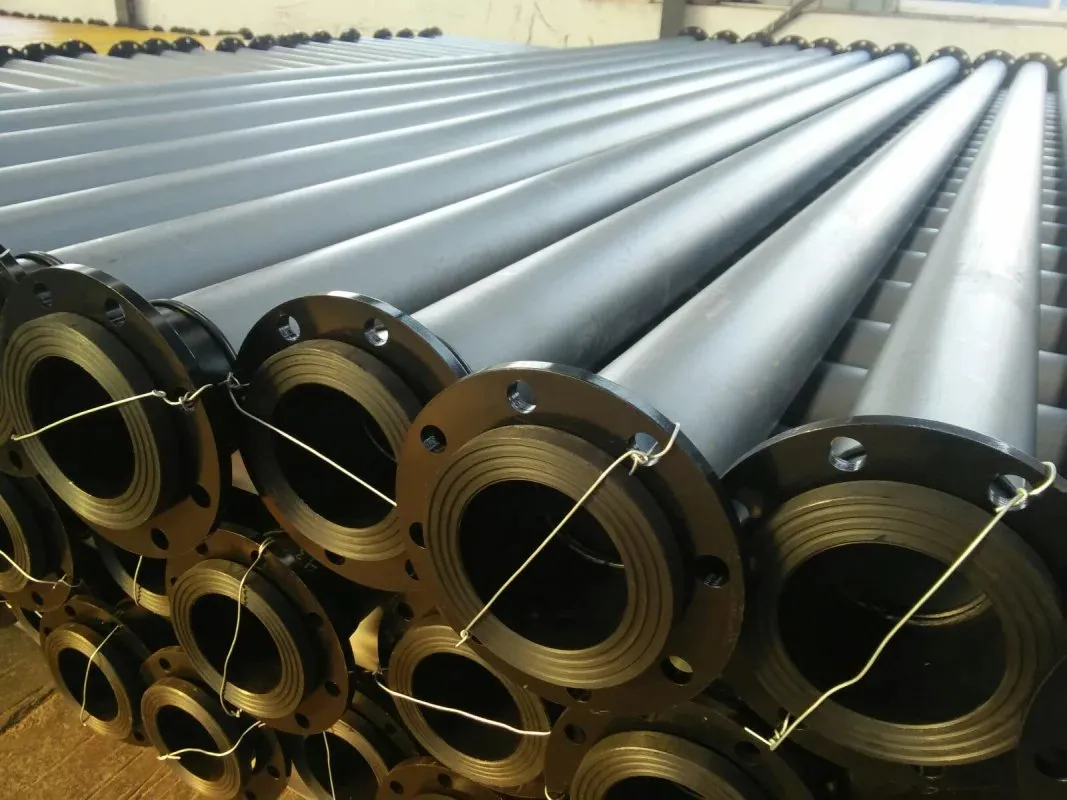
80mm Polyvinyl Chloride (PVC) pipe represents a crucial component in a diverse range of infrastructure applications, primarily focusing on fluid and gas conveyance. This diameter pipe is particularly prevalent in water distribution, irrigation, drainage, and increasingly, in industrial process piping systems. Its technical position within the industry chain falls between the raw material production of PVC resin – derived from ethylene and chlorine – and final installation by contractors. Core performance characteristics hinge on pressure resistance, chemical inertness, long-term durability, and cost-effectiveness, making it a preferred alternative to metallic piping in many scenarios. A significant industry pain point revolves around ensuring consistent material quality across different manufacturers, coupled with the need to meet increasingly stringent regulatory standards regarding leaching of additives and long-term structural integrity. The growing emphasis on sustainable practices also presents a challenge, driving research into bio-based PVC alternatives and improved recycling methodologies.
Material Science & Manufacturing
The fundamental raw material for 80mm PVC pipe is Polyvinyl Chloride (PVC), a thermoplastic polymer produced through the polymerization of vinyl chloride monomer (VCM). The PVC resin exhibits inherent rigidity and is typically compounded with plasticizers (like phthalates or DINP), stabilizers (typically organotin compounds or calcium-zinc stabilizers), lubricants, and fillers to impart desired processing characteristics and enhance performance. The selection of these additives significantly influences the final pipe properties, particularly flexibility, UV resistance, and thermal stability.
Manufacturing typically involves extrusion. PVC compound is fed into a single-screw or twin-screw extruder, where it is heated and homogenized. The molten PVC is then forced through a die that shapes it into a seamless pipe. Critical process parameters include extrusion temperature (typically 180-220°C), screw speed, die pressure, and cooling rate. Precise control of these parameters is vital to achieve consistent wall thickness, dimensional accuracy, and a smooth inner and outer surface. Post-extrusion, the pipe undergoes cooling in a water bath followed by dimensional stabilization through controlled tensioning. Quality control typically involves hydrostatic pressure testing to verify burst pressure and leak-free performance, alongside dimensional checks and visual inspection for defects. For Schedule 40 and Schedule 80 pipes (defining wall thickness and pressure rating), the extrusion process is meticulously calibrated to meet the corresponding ASTM standards.

Performance & Engineering
The performance of 80mm PVC pipe is predominantly dictated by its ability to withstand internal hydrostatic pressure and external loads without failure. Force analysis relies heavily on the Huber-von Mises yield criterion to predict the onset of plastic deformation. The pipe’s wall thickness, specifically categorized by Schedule number (e.g., Schedule 40, Schedule 80), directly correlates to its pressure-bearing capacity. Higher Schedule numbers denote thicker walls and, consequently, greater pressure resistance.
Environmental resistance is another critical performance parameter. PVC is susceptible to degradation upon prolonged exposure to ultraviolet (UV) radiation, leading to discoloration and embrittlement. UV stabilizers are therefore incorporated into the compound to mitigate this effect. Temperature variations also impact performance; elevated temperatures reduce the pipe’s tensile strength and increase its susceptibility to creep. Chemical compatibility is paramount, particularly in industrial applications. While PVC exhibits excellent resistance to many acids, bases, and salts, it is vulnerable to attack by certain organic solvents and chlorinated hydrocarbons. Compliance requirements are governed by standards such as ASTM D1785 (for PVC pipe) and NSF/ANSI 61 (for drinking water system components), which mandate specific material compositions, performance characteristics, and testing protocols. Furthermore, the pipe must adhere to local building codes and plumbing regulations.
Technical Specifications
| Parameter | Schedule 40 | Schedule 80 | Units |
|---|---|---|---|
| Nominal Pipe Size | 80 mm | 80 mm | mm |
| Outside Diameter | 90 mm | 90 mm | mm |
| Minimum Wall Thickness | 2.4 mm | 3.2 mm | mm |
| Pressure Rating (at 23°C) | 450 psi | 600 psi | psi |
| Burst Pressure (Hydrostatic) | 2250 psi | 3000 psi | psi |
| Density | 1.40 | 1.40 | g/cm³ |
Failure Mode & Maintenance
Failure modes in 80mm PVC pipe can be categorized as either gradual degradation or sudden catastrophic failure. Gradual degradation often manifests as embrittlement due to prolonged UV exposure or chemical attack, leading to reduced impact resistance and increased susceptibility to cracking. Another common failure mode is crazing, which involves the formation of microscopic cracks induced by tensile stress, particularly in areas of high stress concentration (e.g., around fittings). Catastrophic failure typically results from exceeding the pipe's pressure rating, leading to burst or longitudinal splitting. Fatigue cracking can also occur under cyclical loading conditions.
Maintenance primarily focuses on preventative measures to mitigate potential failure modes. Regular visual inspections should be conducted to identify signs of degradation, such as discoloration, cracking, or deformation. Proper bedding and backfilling are crucial to prevent external loads from inducing stress on the pipe. Protection from direct sunlight, through burial or the application of UV-resistant coatings, is essential. For industrial applications involving corrosive fluids, periodic inspection of the pipe's internal surface is recommended. In cases of minor damage (e.g., small cracks), repair may be possible using specialized PVC repair compounds or sleeves. However, significant damage generally necessitates pipe replacement to ensure long-term system integrity. Preventative maintenance schedules should align with industry best practices and regulatory requirements.
Industry FAQ
Q: What is the impact of temperature on the long-term performance of 80mm PVC pipe?
A: Elevated temperatures reduce the tensile strength and modulus of elasticity of PVC, leading to decreased pressure-bearing capacity and increased susceptibility to creep. Long-term exposure to temperatures exceeding 60°C can significantly shorten the pipe’s service life. Temperature derating factors are often applied in engineering designs to account for this effect.
Q: How does the Schedule number (40 vs. 80) influence the cost of the pipe?
A: Schedule 80 pipe, with its thicker wall, requires more PVC material during manufacturing, resulting in a higher material cost. Furthermore, the extrusion process for Schedule 80 pipe demands greater precision and energy consumption, also contributing to the increased cost.
Q: What are the common methods for joining 80mm PVC pipes, and what are their respective strengths and weaknesses?
A: Common joining methods include solvent cementing, threaded connections, and flanged connections. Solvent cementing is the most cost-effective and creates a watertight seal, but requires proper surface preparation and application technique. Threaded connections are convenient for disassembly, but are prone to leakage if not properly sealed. Flanged connections offer the highest level of security and are suitable for high-pressure applications, but are the most expensive.
Q: What is the role of stabilizers in PVC pipe, and what types are commonly used?
A: Stabilizers prevent the degradation of PVC during processing and service. Common types include organotin compounds (historically used, but facing increasing regulatory scrutiny due to toxicity), calcium-zinc stabilizers (a more environmentally friendly alternative), and lead-based stabilizers (increasingly restricted). The choice of stabilizer impacts the pipe's thermal stability, UV resistance, and long-term durability.
Q: What are the key considerations for selecting the appropriate PVC compound for a specific application (e.g., potable water vs. industrial waste)?
A: For potable water applications, the PVC compound must meet NSF/ANSI 61 standards to ensure it does not leach harmful contaminants into the water. For industrial waste applications, chemical resistance is paramount. The compound must be compatible with the specific chemicals being conveyed to prevent corrosion or degradation. Furthermore, the operating temperature and pressure must be considered when selecting the appropriate compound formulation.
Conclusion
80mm PVC pipe remains a dominant material in fluid conveyance systems due to its advantageous combination of cost-effectiveness, durability, and chemical resistance. However, understanding the nuances of its material science, manufacturing processes, and potential failure modes is critical for ensuring long-term system reliability. Proper material selection, meticulous installation practices, and proactive maintenance are essential for maximizing the service life and minimizing the risk of costly failures.
The industry is continually evolving, driven by demands for enhanced sustainability and performance. Research into bio-based PVC alternatives, improved recycling technologies, and novel stabilizer formulations will play a crucial role in shaping the future of 80mm PVC pipe. Furthermore, adherence to stringent quality control standards and compliance with evolving regulatory requirements will remain paramount for maintaining the integrity and safety of PVC piping infrastructure.
-
DN25 HDPE Compression Fitting-HORON INTERNATIONAL|Reliable Irrigation Solutions
NewsFeb.11,2026
-
hdpe coupling joint product Manufacturing Analysis
News2026-11-18
-
ppr pipe heating time products Performance Analysis
News2026-11-16
-
hdpe pipe sizes factory Performance Analysis
News2026-11-09
-
HDPE Pipe Sizes Service Performance Analysis
News2026-10-26
-
wholesale 15mm ppr pipe Material Science and Performance Analysis
News2026-10-20
-
wholesale pvc pipe price per foot Technical Analysis
News2026-09-21
-
wholesale long pvc pipe Technical Analysis and Manufacturing Specifications
News2026-09-15
-
wholesale plumbing kitchen sink water lines Material Performance
News2026-09-15
-
wholesale hdpe drip irrigation Material Science
News2026-09-15
-
wholesale hot water ppr pipe Performance Analysis
News2026-09-15
-
wholesale ppr plumbing Performance Analysis
News2026-09-15
-
wholesale ppr pipe supplier Performance Analysis
News2026-09-13
-
wholesale 50mm ppr pipe Performance Analysis
News2026-09-13
-
wholesale hdpe drip pipe Performance Analysis
News2026-09-13
-
wholesale hdpe pipe 63mm price Manufacturing Specification and Performance Analysis
News2026-09-13