

Feb . 11, 2026 00:01 Back to list
Wholesale 40mm PPR Pipe Price Manufacturing Specification and Performance Analysis
Introduction
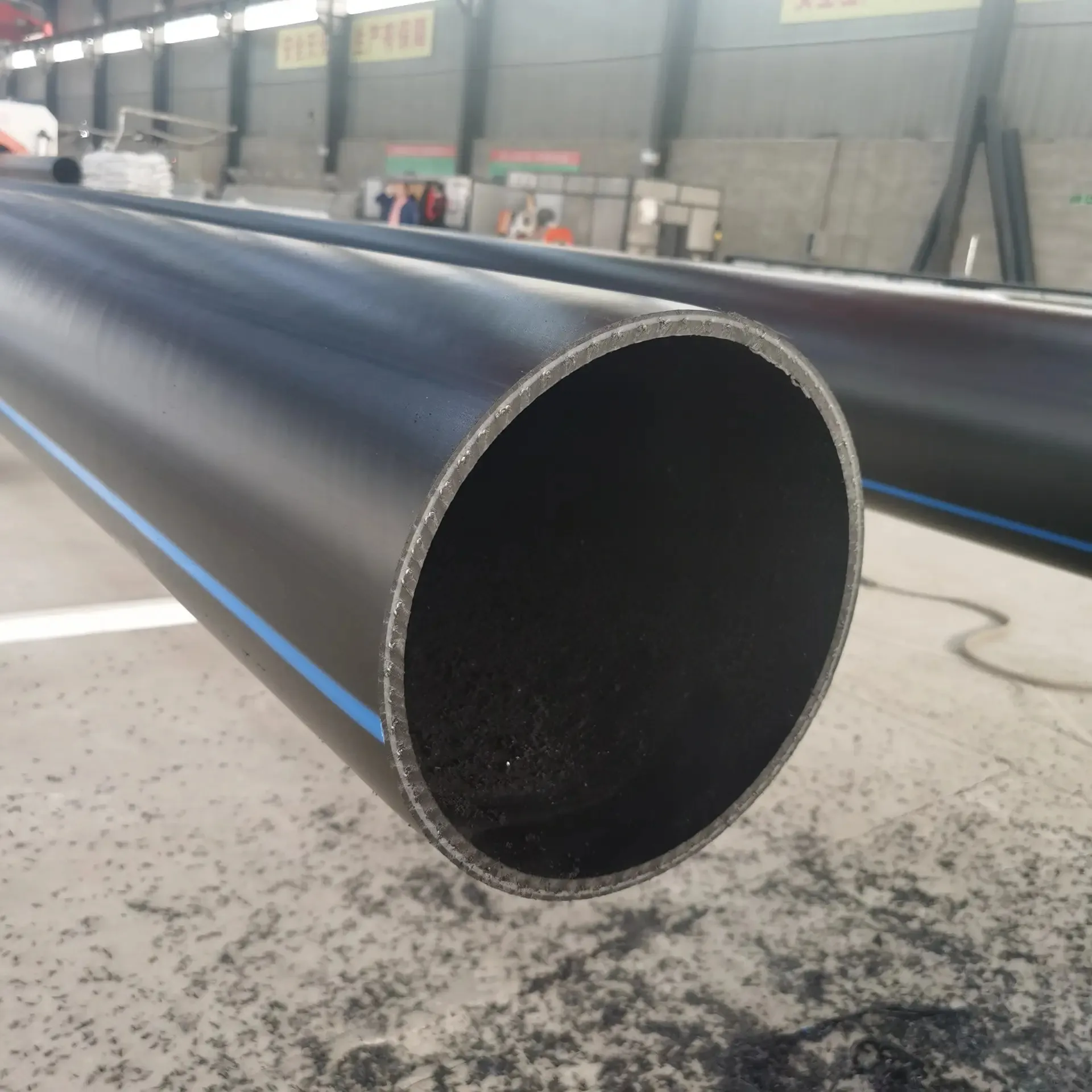
Polypropylene Random (PPR) pipe, specifically the 40mm variant, represents a significant advancement in fluid conveyance systems. Its wholesale pricing is a critical factor for large-scale infrastructure projects, residential developments, and industrial applications. PPR pipe, composed of polypropylene copolymer, offers a compelling alternative to traditional metallic piping due to its corrosion resistance, lightweight nature, and ease of installation. This guide provides a comprehensive technical overview of 40mm PPR pipe, covering material science, manufacturing processes, performance characteristics, failure modes, and relevant industry standards. The increasing demand for cost-effective and durable piping solutions drives the focus on understanding the nuances of PPR pipe quality and appropriate application parameters. Key performance aspects include pressure rating, temperature resistance, and long-term hydrolytic stability, all of which are directly influenced by the quality of the polypropylene resin and the manufacturing process. Understanding these factors is paramount for procurement managers and engineers alike when evaluating wholesale pricing and selecting the optimal PPR pipe for a given application.
Material Science & Manufacturing
The core material of 40mm PPR pipe is polypropylene random copolymer. This material exhibits a unique molecular structure characterized by the random distribution of comonomers – typically ethylene – within the polypropylene backbone. This randomization disrupts the polymer’s crystallinity, resulting in increased flexibility, impact resistance, and improved stress crack resistance compared to homopolymer polypropylene. Raw material selection is critical, with resin grades categorized by Melt Flow Index (MFI), influencing processing parameters and final product properties. The manufacturing process typically involves extrusion. Polypropylene granules are fed into an extruder, where they are heated and melted, then forced through a die to create the pipe’s cylindrical shape. Critical parameters during extrusion include temperature control across different zones of the extruder barrel (feed, transition, metering), screw speed, and die pressure. Maintaining consistent temperature profiles is vital to prevent thermal degradation of the polypropylene. Post-extrusion, the pipe undergoes cooling in a water bath, followed by sizing and cutting to the required length. Quality control measures at this stage include dimensional accuracy checks (outer diameter, wall thickness) and hydrostatic pressure testing to verify the pipe’s ability to withstand internal pressure. Jointing methods commonly used with PPR pipe include hot-gas welding, electrofusion welding, and mechanical fittings. Hot-gas welding involves heating both the pipe and fitting surfaces and fusing them together, creating a homogenous joint. Electrofusion welding uses electrically heated fittings to melt and fuse the pipe material. The choice of welding method impacts the joint’s strength and long-term reliability.
Performance & Engineering
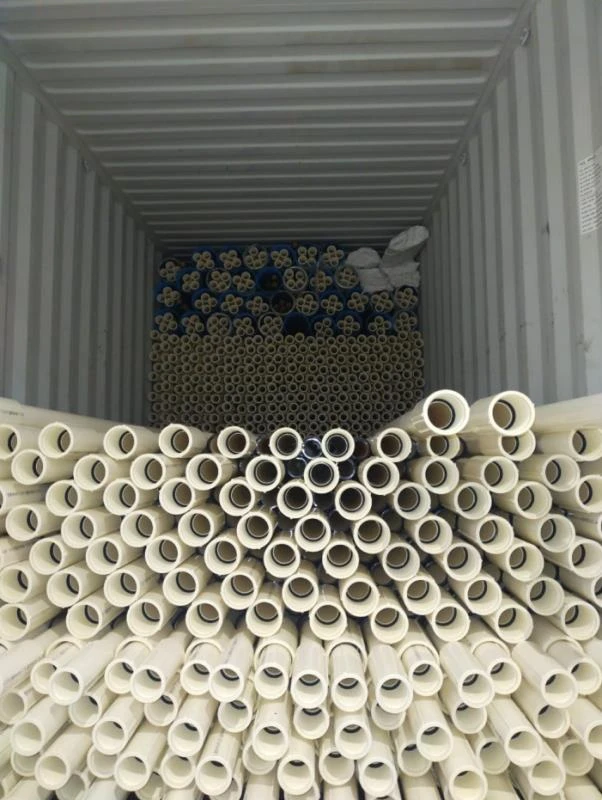
The performance of 40mm PPR pipe is dictated by its ability to withstand internal hydrostatic pressure, external loads, and environmental stresses. Hydrostatic pressure testing, conducted according to standards such as DIN 19569, assesses the pipe’s burst pressure and long-term hydrostatic strength. The allowable operating pressure is typically a fraction of the burst pressure, with a safety factor applied. Engineering calculations for pipe support systems must consider the pipe’s weight (approximately 0.24 kg/m for a standard 40mm pipe with a 2.3mm wall thickness), fluid density, and potential thermal expansion/contraction. PPR pipe exhibits a coefficient of linear thermal expansion of approximately 0.15 mm/m°C. This expansion needs to be accommodated in the piping system design to prevent stress buildup and potential failure. Long-term performance is also influenced by the pipe’s resistance to creep – the gradual deformation under sustained load. Hydrolytic stability, the resistance to degradation caused by prolonged exposure to water at elevated temperatures, is a critical consideration, particularly for hot water applications. Additives, such as stabilizers, are incorporated into the polypropylene formulation to enhance hydrolytic stability. The chemical compatibility of PPR pipe with various fluids is another important factor. PPR is generally compatible with potable water, most industrial fluids, and dilute acids and alkalis. However, it is not recommended for use with strong oxidizing agents or certain organic solvents. Compliance with relevant building codes and plumbing regulations is essential, ensuring the safe and reliable operation of the piping system.
Technical Specifications
| Parameter | Unit | Specification (Typical) | Testing Standard |
|---|---|---|---|
| Outer Diameter | mm | 40 | ISO 15876 |
| Wall Thickness | mm | 2.3 - 3.2 | ISO 15876 |
| Melt Flow Index (MFI) | g/10min | 0.3 - 0.8 | ISO 1133 |
| Hydrostatic Pressure (Short Term) | MPa | 12.5 | DIN 19569 |
| Hydrostatic Pressure (Long Term) | MPa | 6.3 | DIN 19569 |
| Tensile Strength | MPa | 28 | ISO 527-2 |
| Elongation at Break | % | 300 | ISO 527-2 |
Failure Mode & Maintenance
PPR pipe, while durable, is susceptible to specific failure modes. One common failure is stress cracking, induced by sustained tensile stress in the presence of certain chemicals or aggressive environments. This is often exacerbated by improper installation or inadequate support. Another failure mode is oxidative degradation, particularly at elevated temperatures, leading to embrittlement and loss of mechanical properties. This can be mitigated by using stabilized polypropylene formulations. Long-term exposure to UV radiation can also cause degradation, making it essential to protect outdoor piping from direct sunlight. Joint failures are a frequent occurrence, typically resulting from inadequate welding parameters (temperature, pressure, dwell time) or contamination of the weld area. Delamination, the separation of layers within the pipe wall, can occur due to insufficient mixing of materials during extrusion or the presence of voids. Maintenance of PPR piping systems primarily involves visual inspection for leaks, cracks, or signs of deformation. Regular checks of joints are crucial to identify potential problems before they escalate. In case of minor leaks, re-welding of the joint may be sufficient. For more severe damage, replacement of the affected pipe section is recommended. Preventative measures include proper installation techniques, adequate pipe support, and protection from UV radiation and harsh chemicals. Periodic hydrostatic testing can also help identify potential weaknesses in the system before catastrophic failure occurs.
Industry FAQ
Q: What is the impact of water hardness on the long-term performance of PPR pipe?
A: High water hardness can lead to the formation of scale deposits inside the pipe, reducing the internal diameter and increasing flow resistance. While PPR itself is not directly corroded by hard water, scale buildup can contribute to stress corrosion cracking over time, particularly at weld joints. Water softening may be necessary in areas with extremely hard water.
Q: How does the choice of welding method (hot-gas vs. electrofusion) affect the long-term reliability of PPR joints?
A: Electrofusion welding generally produces stronger and more consistent joints compared to hot-gas welding, due to the precise temperature control and uniform heating. However, electrofusion requires specialized equipment and is more expensive. Hot-gas welding, when performed correctly by a skilled technician, can provide adequate joint strength for many applications.
Q: What temperature limits should be observed when using PPR pipe for hot water applications?
A: The maximum continuous operating temperature for PPR pipe is typically 70°C, although some specialized formulations can withstand temperatures up to 95°C for short periods. Exceeding these temperature limits can lead to softening, creep, and premature failure. Careful consideration must be given to the temperature of the conveyed fluid and the ambient temperature.
Q: Can PPR pipe be used for buried applications, and what considerations are necessary?
A: PPR pipe can be used for buried applications, but requires adequate protection from external loads and soil conditions. Backfilling with appropriate material (sand or fine gravel) is crucial to provide uniform support and prevent damage. The pipe should also be protected from sharp objects and corrosive substances in the soil.
Q: What are the key differences between PPR Type 1, Type 2, and Type 3 materials?
A: PPR Type 1 is suitable for cold water applications. PPR Type 2 is commonly used for hot and cold water systems. PPR Type 3 offers enhanced resistance to higher temperatures and pressures, making it ideal for industrial applications and central heating systems. Each type has a different MFI and composition, influencing its performance characteristics.
Conclusion
The wholesale price of 40mm PPR pipe is intrinsically linked to its material composition, manufacturing precision, and adherence to rigorous quality control standards. This guide underscores the critical technical parameters – from melt flow index and hydrostatic pressure ratings to long-term hydrolytic stability and resistance to failure modes – that define the performance and lifespan of this increasingly prevalent piping solution. A comprehensive understanding of these factors empowers procurement professionals and engineers to make informed decisions, optimizing both cost-effectiveness and system reliability.
The continued development of PPR materials, incorporating advanced stabilizers and processing techniques, promises further enhancements in performance and durability. Future trends may include the integration of smart sensors for real-time monitoring of pipe integrity and the development of more sustainable manufacturing processes. By embracing these innovations and maintaining a commitment to industry best practices, the PPR pipe industry can solidify its position as a leading provider of fluid conveyance solutions for a wide range of applications.
-
DN25 HDPE Compression Fitting-HORON INTERNATIONAL|Reliable Irrigation Solutions
NewsFeb.11,2026
-
hdpe coupling joint product Manufacturing Analysis
News2026-11-18
-
ppr pipe heating time products Performance Analysis
News2026-11-16
-
hdpe pipe sizes factory Performance Analysis
News2026-11-09
-
HDPE Pipe Sizes Service Performance Analysis
News2026-10-26
-
wholesale 15mm ppr pipe Material Science and Performance Analysis
News2026-10-20
-
wholesale pvc pipe price per foot Technical Analysis
News2026-09-21
-
wholesale long pvc pipe Technical Analysis and Manufacturing Specifications
News2026-09-15
-
wholesale plumbing kitchen sink water lines Material Performance
News2026-09-15
-
wholesale hdpe drip irrigation Material Science
News2026-09-15
-
wholesale hot water ppr pipe Performance Analysis
News2026-09-15
-
wholesale ppr plumbing Performance Analysis
News2026-09-15
-
wholesale ppr pipe supplier Performance Analysis
News2026-09-13
-
wholesale 50mm ppr pipe Performance Analysis
News2026-09-13
-
wholesale hdpe drip pipe Performance Analysis
News2026-09-13
-
wholesale hdpe pipe 63mm price Manufacturing Specification and Performance Analysis
News2026-09-13