

Feb . 11, 2026 00:01 Back to list
wholesale 40mm ppr pipe Material Performance

Introduction
Polypropylene Random (PPR) pipe, specifically wholesale 40mm PPR pipe, represents a significant advancement in fluid transport systems. Positioned as a direct replacement for traditional metallic piping in a wide array of applications, including potable water distribution, heating systems, and industrial fluid conveyance, it leverages the inherent properties of polypropylene random copolymer. The 40mm diameter is a common size utilized in residential, commercial, and light industrial installations, providing a balance between flow capacity and material cost. Core performance characteristics center around corrosion resistance, thermal stability, ease of installation via heat fusion welding, and long-term durability. A primary industry pain point is ensuring consistent quality control across different manufacturers, particularly regarding the homopolymer to copolymer ratio, which drastically impacts performance.
Material Science & Manufacturing
The fundamental material of 40mm PPR pipe is polypropylene random copolymer. Polypropylene homopolymer, while robust, exhibits brittle failure characteristics at lower temperatures. The introduction of ethylene comonomers into the polypropylene chain creates a random copolymer structure, disrupting the polymer’s crystallinity and significantly enhancing its impact resistance and flexibility. Raw material properties are critical: Melt Flow Index (MFI) dictates processability; density influences mechanical strength; and the ethylene content (typically 4-7%) governs the balance between rigidity and ductility.
Manufacturing typically involves extrusion. Polypropylene granules are fed into a single-screw extruder where they are heated and plasticized. Precise temperature control is paramount throughout the process – typically ranging from 190°C to 240°C – to avoid thermal degradation and ensure homogeneity. The molten polymer is then forced through a die that shapes the pipe to its 40mm outer diameter and specified wall thickness. The pipe is cooled using a calibrated cooling bath, maintaining dimensional accuracy. Subsequent to extrusion, the pipe undergoes hydrostatic testing to verify pressure resistance and structural integrity according to relevant standards. Key parameter control focuses on maintaining consistent extrusion temperature, die pressure, cooling rates, and ensuring a uniform copolymer distribution. Variations in these parameters lead to inconsistencies in pipe wall thickness and mechanical properties. Quality control also mandates periodic assessment of the raw material’s molecular weight distribution using Gel Permeation Chromatography (GPC).
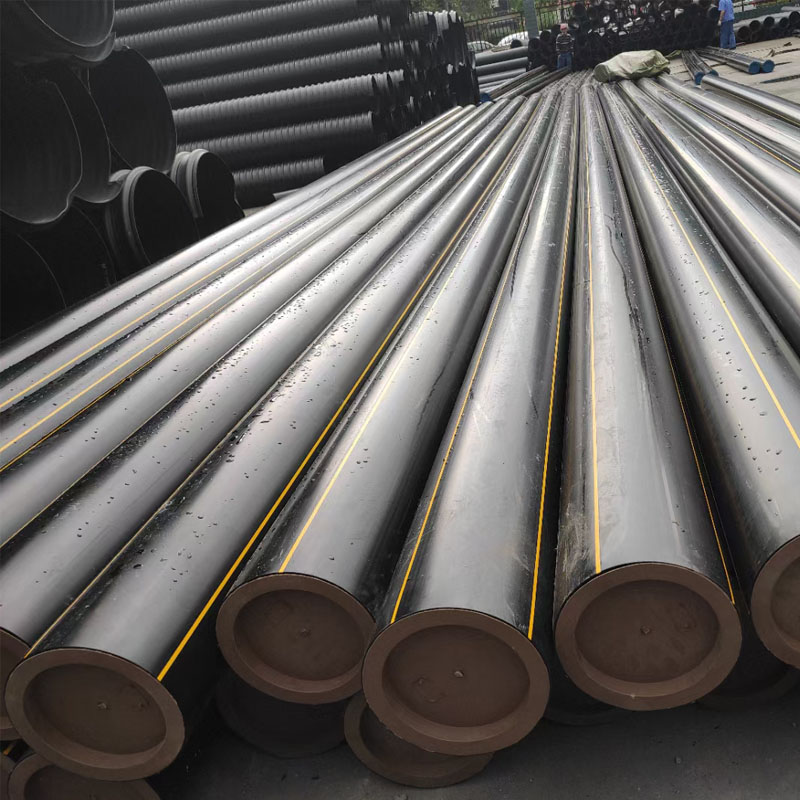
Performance & Engineering
Performance of 40mm PPR pipe is heavily influenced by hydrostatic pressure rating, temperature operating range, and long-term creep resistance. Force analysis during operation considers internal fluid pressure, external soil loads (in buried applications), and potential dynamic loads from water hammer. The pipe’s ability to withstand sustained internal pressure is determined by its minimum required strength (MRS) value, as defined by ISO 15876.
Environmental resistance is a critical performance aspect. PPR exhibits excellent resistance to a broad range of chemicals commonly found in water supplies and industrial fluids. However, prolonged exposure to strong oxidizing agents or certain solvents can induce stress cracking. Furthermore, UV degradation is a concern in outdoor applications; therefore, UV stabilizers are often incorporated into the polymer formulation. Compliance requirements typically include adherence to pressure ratings specified by local building codes, potable water safety standards (e.g., NSF/ANSI 61), and fire safety regulations. The functional implementation of PPR systems relies heavily on the heat fusion welding process. This process, utilizing specialized welding equipment, creates a homogenous joint that is structurally equivalent to the pipe itself, minimizing the risk of leakage. Proper welding parameters – temperature and pressure – are crucial for achieving optimal joint strength and preventing defects like weld flash or incomplete fusion.
Technical Specifications
| Parameter | Specification (Typical) | Test Method | Units |
|---|---|---|---|
| Outer Diameter | 40 | ISO 15876 | mm |
| Wall Thickness | 2.3 – 4.2 | ISO 15876 | mm |
| Minimum Required Strength (MRS) | 10.0 | ISO 11671 | MPa |
| Hydrostatic Pressure Test (Short Term) | 6.3 | ISO 11671 | MPa |
| Hydrostatic Pressure Test (Long Term) | 3.15 | ISO 11671 | MPa |
| Operating Temperature Range | -40 to +95 | ISO 15876 | °C |
Failure Mode & Maintenance
Failure modes in 40mm PPR pipe are typically linked to manufacturing defects, improper installation, or operational stresses. Fatigue cracking can occur at welded joints due to cyclic pressure fluctuations or thermal expansion/contraction. Delamination, though less common, can arise from insufficient material bonding during extrusion or inadequate welding temperatures. Degradation, specifically oxidation, can impact long-term performance, particularly in high-temperature applications, and is accelerated by exposure to oxygenated fluids. Oxidation causes the polymer chains to break down, reducing the pipe’s impact resistance and increasing its susceptibility to cracking.
Maintenance primarily involves periodic visual inspections for leaks, cracks, or signs of deformation. For minor leaks at welded joints, re-welding may be possible, provided the surrounding material is structurally sound. Major cracks or extensive degradation necessitate pipe replacement. Preventative maintenance includes ensuring proper backfilling procedures for buried pipelines to prevent excessive stress from soil settlement and implementing a water quality monitoring program to identify potential corrosive elements. Regular flushing of the pipeline helps remove sediment buildup, reducing internal pressure and minimizing erosion. It is critical to avoid using abrasive cleaning agents or harsh chemicals that can compromise the pipe’s integrity. Proper support and anchoring of the pipe are vital to prevent sagging and stress concentrations.
Industry FAQ
Q: What is the impact of varying ethylene content within the PPR copolymer on the long-term creep resistance of the 40mm pipe?
A: Higher ethylene content generally improves impact resistance but can reduce creep resistance. Creep, the tendency of a solid material to deform permanently under sustained stress, is a crucial factor in long-term performance. A balanced copolymer formulation, typically with 4-7% ethylene, optimizes both properties. Formulations exceeding this range may exhibit increased creep, particularly at elevated temperatures and pressures.
Q: How does the welding process affect the oxygen permeation rate (OTR) of the PPR pipe joints compared to the pipe body?
A: Properly executed heat fusion welding creates a homogenous joint that ideally matches the OTR of the pipe body. However, improper welding – insufficient temperature or pressure – can result in incomplete fusion, creating micro-voids that increase OTR. Regular inspection of weld quality is therefore critical.
Q: What is the recommended procedure for joining 40mm PPR pipe to dissimilar materials, such as metal fittings?
A: Transition fittings utilizing electrofusion welding or mechanical couplings are recommended. Electrofusion welding provides a strong, leak-proof connection between PPR and metal inserts. Mechanical couplings, utilizing compression or flange connections, offer an alternative but require careful selection of compatible materials and proper installation torque.
Q: What are the primary causes of weld defects in 40mm PPR pipe, and how can they be mitigated?
A: Common weld defects include insufficient fusion, weld flash, and oxidation. Insufficient fusion results from inadequate welding temperature or pressure. Weld flash is caused by excessive temperature. Oxidation is caused by improper purging of oxygen during the welding process. Mitigation strategies involve proper welder training, accurate temperature control, correct pressure settings, and consistent purging techniques.
Q: What specific quality control tests should be performed on incoming wholesale 40mm PPR pipe to ensure compliance with ISO 15876?
A: Incoming inspection should include visual assessment for surface defects, dimensional checks for diameter and wall thickness, hydrostatic pressure testing to verify MRS and short/long-term pressure ratings, and a review of the manufacturer’s certificate of conformity, verifying compliance with relevant ISO standards and material specifications.
Conclusion
Wholesale 40mm PPR pipe provides a durable, corrosion-resistant, and cost-effective solution for a wide range of fluid transport applications. Its performance is intrinsically linked to the quality of the raw materials, meticulous manufacturing processes, and adherence to international standards such as ISO 15876. Ensuring proper installation, including heat fusion welding techniques and appropriate support structures, is crucial for maximizing its lifespan and minimizing the risk of failure.
Moving forward, the industry is likely to see increased emphasis on sustainable PPR formulations utilizing recycled content, as well as advancements in welding technology to further enhance joint integrity and reduce installation time. Continuous monitoring of material properties and process parameters will be essential to maintain the reliability and performance of PPR piping systems in diverse operational environments.
-
DN25 HDPE Compression Fitting-HORON INTERNATIONAL|Reliable Irrigation Solutions
NewsFeb.11,2026
-
wholesale pvc pipe price per foot Technical Analysis
News2026-09-21
-
wholesale long pvc pipe Technical Analysis and Manufacturing Specifications
News2026-09-15
-
wholesale plumbing kitchen sink water lines Material Performance
News2026-09-15
-
wholesale hdpe drip irrigation Material Science
News2026-09-15
-
wholesale hot water ppr pipe Performance Analysis
News2026-09-15
-
wholesale ppr plumbing Performance Analysis
News2026-09-15
-
wholesale ppr pipe supplier Performance Analysis
News2026-09-13
-
wholesale 50mm ppr pipe Performance Analysis
News2026-09-13
-
wholesale hdpe drip pipe Performance Analysis
News2026-09-13
-
wholesale hdpe pipe 63mm price Manufacturing Specification and Performance Analysis
News2026-09-13
-
wholesale hdpe pipe for potable water Manufacturing and Performance
News2026-09-13
-
wholesale pipe hdpe size Technical Analysis
News2026-09-12
-
wholesale coupler for hdpe pipe Performance Analysis
News2026-09-12
-
Wholesale HDPE Pipe Coupler Price Performance Analysis
News2026-09-12
-
wholesale 1 ppr pipe Performance Analysis
News2026-09-12