
Feb . 11, 2026 00:01 Back to list
wholesale 32mm ppr pipe Material Science and Performance Analysis
Introduction
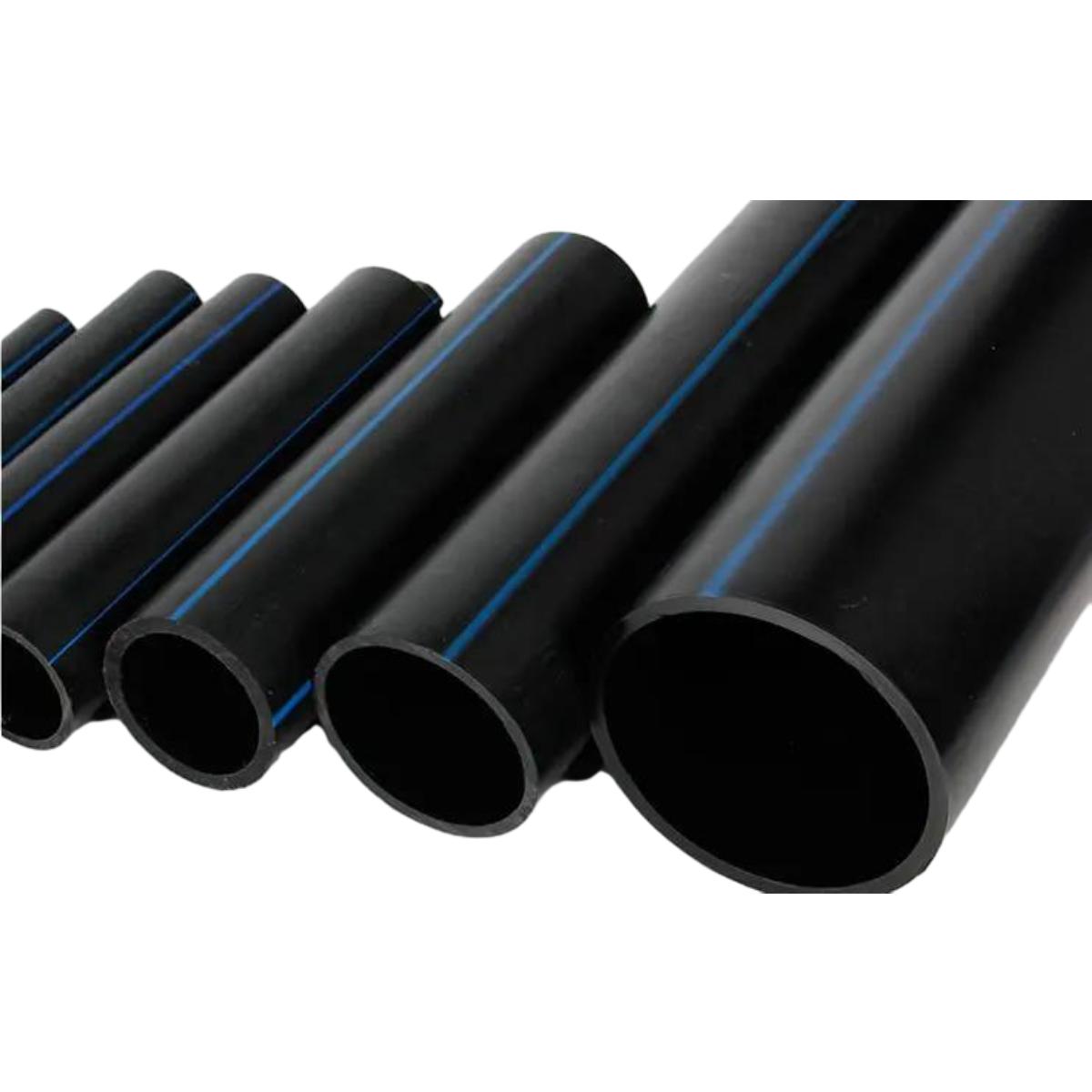
Polypropylene Random (PPR) pipe, specifically 32mm diameter wholesale varieties, represents a significant advancement in fluid conveyance systems for both potable and non-potable water applications. Positioned within the broader industrial piping infrastructure, PPR offers a cost-effective and corrosion-resistant alternative to traditional materials like galvanized steel, copper, and PVC. Its primary position in the supply chain lies as a semi-finished product, fabricated into complete piping systems by plumbers, contractors, and industrial maintenance personnel. Core performance characteristics of 32mm PPR pipe are defined by its pressure rating (PN), operating temperature range, and adherence to international standards governing material composition and dimensional accuracy. The increasing demand for PPR stems from its ease of installation via heat fusion welding, minimizing leak points, coupled with a long service life and inherent resistance to many common chemicals. This guide provides a comprehensive technical overview of 32mm PPR pipe, encompassing material science, manufacturing processes, performance characteristics, failure modes, and relevant industry standards.
Material Science & Manufacturing
The foundational material for 32mm PPR pipe is polypropylene random copolymer. This copolymer is created by randomly arranging propylene monomers along the polymer chain, introducing branching that disrupts the crystallinity of the material. This reduction in crystallinity translates to increased impact resistance, particularly at lower temperatures, compared to homopolymer polypropylene. Key physical properties include a density of approximately 0.905 g/cm³, a tensile strength ranging from 28-35 MPa (depending on grade and processing), and a flexural modulus of 800-1200 MPa. The glass transition temperature (Tg) is around 0-5°C, and the melting point is typically between 130-170°C, crucial parameters for heat fusion welding. Manufacturing begins with the polymerization of propylene gas using Ziegler-Natta or metallocene catalysts. The resulting polypropylene granules are then compounded with stabilizers (typically antioxidants and UV absorbers to prevent degradation), and sometimes pigments for identification. Extrusion is the primary manufacturing process. Granules are fed into an extruder where they are melted and forced through a die to form the pipe's shape. Precise control of extrusion temperature (typically 190-230°C), screw speed, and cooling rates are essential to maintain dimensional tolerances and ensure a homogenous material structure. Following extrusion, the pipe is marked with relevant information (manufacturer, diameter, pressure rating, date of manufacture) and cut to length. Quality control measures at this stage include hydrostatic testing to verify pressure resistance and dimensional checks to confirm adherence to standards like DIN 8077 and EN ISO 15876.

Performance & Engineering
The performance of 32mm PPR pipe is fundamentally linked to its ability to withstand hydrostatic pressure and maintain its mechanical integrity over its intended service life. Force analysis under pressure considers the hoop stress within the pipe wall, calculated using the Barlow’s formula: σ = (P D) / (2 t), where σ is hoop stress, P is internal pressure, D is pipe outer diameter, and t is pipe wall thickness. Engineering design necessitates selecting a pipe with sufficient wall thickness to accommodate the maximum operating pressure and a safety factor. Environmental resistance is a critical consideration. While PPR exhibits excellent resistance to many common chemicals, prolonged exposure to strong oxidizing agents or aromatic hydrocarbons can lead to degradation. UV exposure also causes embrittlement, necessitating the use of UV stabilizers in the material formulation and protection from direct sunlight during installation. Compliance requirements are dictated by local building codes and industry standards. For potable water applications, the material must comply with regulations regarding leachable substances (migration of monomers or additives into the water supply). In industrial applications, chemical compatibility must be verified based on the specific fluid being conveyed. Functional implementation relies heavily on the heat fusion welding process, which creates a homogenous joint stronger than the pipe itself. Proper welding technique—including surface preparation, consistent heating temperature, and sufficient fusion time—is paramount to ensure joint integrity and prevent failures.
Technical Specifications
| Parameter | Unit | Value (Typical) | Test Standard |
|---|---|---|---|
| Outer Diameter | mm | 32.0 ± 0.3 | ISO 15876 |
| Wall Thickness | mm | 2.0 – 4.2 (varies with PN) | DIN 8077 |
| Pressure Rating (PN) | bar | PN16, PN20, PN25 | EN ISO 15876 |
| Tensile Strength | MPa | 30 ± 3 | ISO 527 |
| Elongation at Break | % | 200 – 300 | ISO 527 |
| Operating Temperature | °C | -20 to +95 | DIN 8077 |
Failure Mode & Maintenance
Failure modes in 32mm PPR pipe systems typically fall into several categories. Fatigue cracking can occur under cyclic pressure loads, particularly at stress concentrators like welded joints or fittings. Delamination can arise from improper welding technique, resulting in insufficient fusion between the pipe and fitting surfaces. Chemical degradation, as previously mentioned, can lead to embrittlement and cracking due to exposure to incompatible substances. Oxidation, particularly at elevated temperatures, can also contribute to material degradation. Creep, or slow deformation under sustained load, is a potential concern in applications involving high temperatures and prolonged pressure. Joint failure is a frequent issue, often stemming from inadequate weld preparation (dirty or oxidized surfaces) or incorrect welding parameters (temperature or pressure). Maintenance should focus on preventative measures. Regular visual inspections should be conducted to identify any signs of cracking, discoloration, or leakage. Welded joints should be inspected for proper fusion and any evidence of stress. Avoid exposing PPR pipe to direct sunlight for extended periods. In the event of a leak, the affected section of pipe should be cut out and replaced using the heat fusion welding process, ensuring proper preparation and welding parameters. For systems carrying potable water, periodic flushing can help remove sediment buildup and maintain water quality. Avoid using abrasive cleaning agents or mechanical tools that could damage the pipe surface.
Industry FAQ
Q: What are the primary advantages of using 32mm PPR pipe over traditional copper piping systems?
A: PPR pipe offers several advantages. Firstly, it's significantly more cost-effective than copper, both in terms of material cost and installation labor. Secondly, it's inherently corrosion-resistant, eliminating the risk of pitting and leaching associated with copper. Thirdly, PPR's smooth inner surface reduces friction loss and improves flow rate. Finally, heat fusion welding creates a leak-proof system, reducing maintenance requirements compared to soldered copper joints.
Q: Can 32mm PPR pipe be used for hot water applications? What temperature limitations apply?
A: Yes, 32mm PPR pipe is suitable for hot water applications, but temperature limitations must be considered. Standard PPR pipe is typically rated for continuous operating temperatures up to 95°C. However, the specific temperature rating depends on the PN (pressure rating) of the pipe and the formulation of the polypropylene material. Exceeding the maximum operating temperature can lead to softening, deformation, and eventual failure.
Q: What is the recommended procedure for heat fusion welding 32mm PPR pipe?
A: The process requires a specialized welding tool with temperature-controlled plates. Surfaces must be clean, dry, and free of oxidation. The pipe and fitting are heated simultaneously on the welding plates for the recommended time and temperature (typically 300-350°C and 5-10 seconds for 32mm pipe). The heated components are then quickly aligned and pressed together with a firm, even pressure for the specified cooling time (typically 30-60 seconds). Avoiding excessive force or rotation during cooling is critical.
Q: How does UV exposure affect the long-term performance of 32mm PPR pipe?
A: Prolonged exposure to UV radiation can cause degradation of the polypropylene material, leading to embrittlement and reduced mechanical strength. This is why it is essential to use UV-stabilized PPR pipe for outdoor applications or to protect the pipe from direct sunlight through painting or shielding. Even with UV stabilizers, extended exposure will eventually necessitate replacement.
Q: What standards govern the quality and performance of 32mm PPR pipe?
A: Several international standards apply. EN ISO 15876 is a key standard specifying requirements for PPR piping systems, including material properties, dimensional tolerances, and testing procedures. DIN 8077 is another relevant standard, particularly in Europe. ASTM D3951 covers the specifications for PPR pipe and fittings, predominantly used in North America. Local building codes and regulations may also impose additional requirements.
Conclusion
32mm PPR pipe represents a robust and economically viable solution for a wide range of fluid conveyance applications. Its inherent corrosion resistance, ease of installation via heat fusion welding, and compliance with stringent international standards make it a compelling alternative to traditional piping materials. Understanding the material’s properties, manufacturing processes, and potential failure modes is crucial for ensuring long-term performance and reliability.
Future development in PPR technology is focused on enhancing UV resistance, improving high-temperature performance, and exploring the use of recycled polypropylene materials. Proper implementation, adhering to established welding procedures, and regular maintenance are essential to maximize the service life of PPR piping systems. Selecting the appropriate pipe grade (PN) based on the specific application requirements remains paramount for optimal performance and safety.
-
DN25 HDPE Compression Fitting-HORON INTERNATIONAL|Reliable Irrigation Solutions
NewsFeb.11,2026
-
wholesale pvc pipe price per foot Technical Analysis
News2026-09-21
-
wholesale long pvc pipe Technical Analysis and Manufacturing Specifications
News2026-09-15
-
wholesale plumbing kitchen sink water lines Material Performance
News2026-09-15
-
wholesale hdpe drip irrigation Material Science
News2026-09-15
-
wholesale hot water ppr pipe Performance Analysis
News2026-09-15
-
wholesale ppr plumbing Performance Analysis
News2026-09-15
-
wholesale ppr pipe supplier Performance Analysis
News2026-09-13
-
wholesale 50mm ppr pipe Performance Analysis
News2026-09-13
-
wholesale hdpe drip pipe Performance Analysis
News2026-09-13
-
wholesale hdpe pipe 63mm price Manufacturing Specification and Performance Analysis
News2026-09-13
-
wholesale hdpe pipe for potable water Manufacturing and Performance
News2026-09-13
-
wholesale pipe hdpe size Technical Analysis
News2026-09-12
-
wholesale coupler for hdpe pipe Performance Analysis
News2026-09-12
-
Wholesale HDPE Pipe Coupler Price Performance Analysis
News2026-09-12
-
wholesale 1 ppr pipe Performance Analysis
News2026-09-12