

Feb . 11, 2026 00:01 Back to list
wholesale 20 ft pvc pipe Performance Analysis
Introduction
Polyvinyl Chloride (PVC) pipe, specifically wholesale 20 ft lengths, represents a critical component in modern infrastructure, serving a diverse range of applications including potable water distribution, irrigation, drainage, and industrial fluid conveyance. This technical guide provides an in-depth examination of PVC pipe, focusing on material science, manufacturing processes, performance characteristics, potential failure modes, and relevant industry standards. The demand for cost-effective, durable, and chemically resistant piping solutions drives the substantial wholesale market for 20 ft PVC pipe. Core performance attributes include pressure rating, dimensional stability, and long-term hydraulic capacity, areas where careful specification is paramount. A key pain point in the industry revolves around ensuring consistent product quality across manufacturers, particularly concerning wall thickness and compound formulation, which directly impacts long-term performance and compliance.
Material Science & Manufacturing
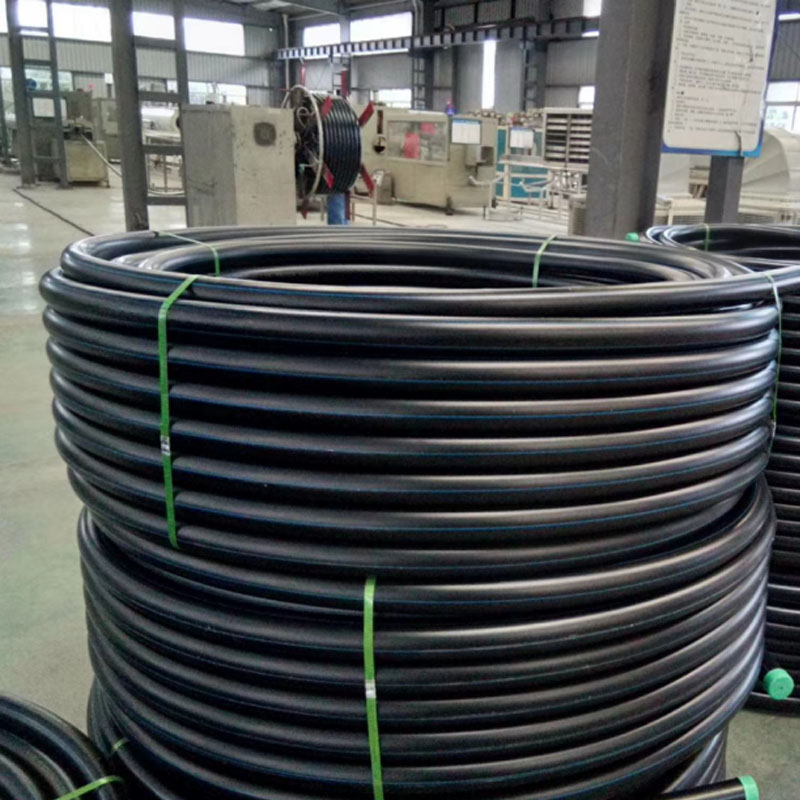
PVC pipe is primarily composed of PVC resin, a thermoplastic polymer produced from the polymerization of vinyl chloride monomer (VCM). The inherent properties of PVC – including its resistance to chemical attack, low cost, and ease of processing – make it ideal for piping applications. Additives are crucial to modifying the base resin’s characteristics. Common additives include plasticizers (e.g., phthalates, DINP) to enhance flexibility, stabilizers (e.g., tin stabilizers, calcium-zinc stabilizers) to prevent thermal degradation during processing and UV exposure, lubricants to improve processability, and impact modifiers to increase toughness. Manufacturing typically involves extrusion. PVC compound is fed into a hopper and advanced through a rotating screw which melts and homogenizes the material. The molten PVC is then forced through a die of the desired pipe diameter and wall thickness. Critical parameters during extrusion include temperature control (barrel zones, die temperature), screw speed, and haul-off speed. Precise control of these parameters is essential to maintain consistent dimensions and prevent defects such as porosity or warping. Post-extrusion, the pipe is cooled in a water bath and cut to 20 ft lengths. Quality control includes hydrostatic pressure testing to verify burst strength and dimensional checks to ensure adherence to specifications (e.g., ASTM D1785).
Performance & Engineering
The performance of PVC pipe is dictated by its ability to withstand internal hydrostatic pressure, external loads, and environmental stresses. Hydrostatic design stress (HDS) is a critical parameter, representing the maximum allowable stress within the pipe wall under sustained pressure. This is influenced by material grade, temperature, and long-term creep resistance. External loads, such as soil load in buried applications or traffic loads for above-ground installations, must be accounted for through appropriate pipe selection (Schedule 40, Schedule 80) and bedding/backfill procedures. The Poisson’s ratio of PVC (typically around 0.35-0.4) governs its dimensional response to stress. Chemical resistance is generally excellent, although prolonged exposure to certain solvents and highly concentrated oxidizing agents should be avoided. Long-term performance is also affected by UV degradation; the addition of UV stabilizers in the PVC compound mitigates this effect, but protective coatings or burial are recommended for prolonged outdoor exposure. Compliance requirements are stringent and vary geographically, often referencing standards such as NSF/ANSI 61 for potable water applications, ensuring the pipe does not leach harmful contaminants into the water supply.
Technical Specifications
| Parameter | Schedule 40 (inches) | Schedule 80 (inches) | ASTM D1785 Type I (inches) |
|---|---|---|---|
| Nominal Pipe Size | 2 | 2 | 2 |
| Outside Diameter | 2.375 | 2.375 | 2.375 |
| Wall Thickness | 0.154 | 0.218 | 0.179 |
| Pressure Rating (psi @ 73°F) | 400 | 600 | 540 |
| Burst Pressure (psi) | 1600 | 2400 | 2160 |
| Hydrostatic Design Stress (HDS) (psi) | 400 | 600 | 540 |
Failure Mode & Maintenance
PVC pipe, while durable, is susceptible to several failure modes. Brittle fracture can occur due to impact loading, especially at low temperatures. Long-term hydrostatic pressure can lead to creep rupture, where the pipe slowly deforms and eventually fails. Chemical attack from incompatible substances can cause degradation and embrittlement. UV degradation weakens the material, leading to cracking and reduced impact resistance. Soil movement and improper bedding can induce excessive stress and cause longitudinal cracking or joint failure. Failure analysis often involves visual inspection for cracks, discoloration, and deformation; impact testing to assess brittleness; and chemical analysis to identify contaminants. Maintenance primarily focuses on preventative measures. Proper bedding and backfill are crucial to distribute external loads. Avoid direct contact with incompatible chemicals. Inspect regularly for signs of damage, particularly in areas exposed to UV radiation or mechanical stress. For minor cracks, epoxy-based repair compounds can provide temporary remediation, but complete replacement is often the recommended course of action for significant damage.
Industry FAQ
Q: What is the impact of different plasticizers on the long-term performance of PVC pipe?
A: The type of plasticizer significantly affects the long-term performance. Phthalate plasticizers, while cost-effective, can leach over time, leading to embrittlement and reduced flexibility. DINP (diisononyl phthalate) offers improved durability and reduced leaching. More recently, bio-based plasticizers are emerging as sustainable alternatives, but their long-term performance characteristics are still under investigation. Selecting a pipe with a plasticizer appropriate for the intended application and environmental conditions is crucial.
Q: How does temperature affect the pressure rating of PVC pipe?
A: Increased temperature reduces the pressure rating of PVC pipe. The hydrostatic design stress (HDS) decreases as temperature rises due to the reduction in tensile strength and increased creep. Manufacturers typically provide derating factors for different operating temperatures. It’s critical to consult these factors when designing a piping system for elevated temperatures.
Q: What are the common causes of joint failure in PVC pipe systems?
A: Joint failures often arise from improper solvent welding, inadequate surface preparation, or excessive stress on the joint. Ensuring proper solvent cement application (correct type for the PVC compound, sufficient coverage, appropriate dwell time) and clean, dry mating surfaces is paramount. Restraining joints with mechanical couplings or thrust blocks is essential to prevent separation due to internal pressure or external loads.
Q: What bedding materials are recommended for buried PVC pipe to prevent damage from soil loads?
A: Inert, granular materials such as sand or gravel are ideal bedding materials. These provide uniform support and distribute external loads evenly. Avoid using materials containing sharp objects or organic matter, which can damage the pipe. The bedding material should be compacted to the appropriate density to prevent settling and maintain structural integrity.
Q: How do different stabilizers impact the UV resistance of PVC pipe?
A: Tin stabilizers historically provided excellent thermal stability but offer limited UV protection. Calcium-zinc stabilizers provide better UV resistance, though they can be more expensive. The addition of UV absorbers and light stabilizers enhances the UV resistance of both stabilizer types. Regardless of the stabilizer system, prolonged direct sunlight exposure will eventually degrade PVC pipe; therefore, burial or protective coatings are recommended for extended service life.
Conclusion
Wholesale 20 ft PVC pipe remains a foundational material in numerous industries due to its cost-effectiveness, durability, and versatile application range. However, achieving optimal performance and longevity requires a comprehensive understanding of its material science, manufacturing nuances, and potential failure modes. Careful consideration of factors such as PVC compound formulation, proper installation techniques, and environmental exposure conditions are critical for ensuring long-term reliability and minimizing the risk of premature failure.
Future advancements in PVC technology are focused on developing more sustainable formulations, including bio-based plasticizers and enhanced stabilizer systems. Improved manufacturing processes aim to reduce material variability and enhance dimensional accuracy. Ongoing research and development efforts will continue to refine the performance characteristics of PVC pipe, solidifying its position as a vital component in infrastructure for years to come.
-
DN25 HDPE Compression Fitting-HORON INTERNATIONAL|Reliable Irrigation Solutions
NewsFeb.11,2026
-
hdpe coupling joint product Manufacturing Analysis
News2026-11-18
-
ppr pipe heating time products Performance Analysis
News2026-11-16
-
hdpe pipe sizes factory Performance Analysis
News2026-11-09
-
HDPE Pipe Sizes Service Performance Analysis
News2026-10-26
-
wholesale 15mm ppr pipe Material Science and Performance Analysis
News2026-10-20
-
wholesale pvc pipe price per foot Technical Analysis
News2026-09-21
-
wholesale long pvc pipe Technical Analysis and Manufacturing Specifications
News2026-09-15
-
wholesale plumbing kitchen sink water lines Material Performance
News2026-09-15
-
wholesale hdpe drip irrigation Material Science
News2026-09-15
-
wholesale hot water ppr pipe Performance Analysis
News2026-09-15
-
wholesale ppr plumbing Performance Analysis
News2026-09-15
-
wholesale ppr pipe supplier Performance Analysis
News2026-09-13
-
wholesale 50mm ppr pipe Performance Analysis
News2026-09-13
-
wholesale hdpe drip pipe Performance Analysis
News2026-09-13
-
wholesale hdpe pipe 63mm price Manufacturing Specification and Performance Analysis
News2026-09-13