

Feb . 11, 2026 00:01 Back to list
PVC Pipe discount when was pvc pipe used for plumbing Performance Analysis
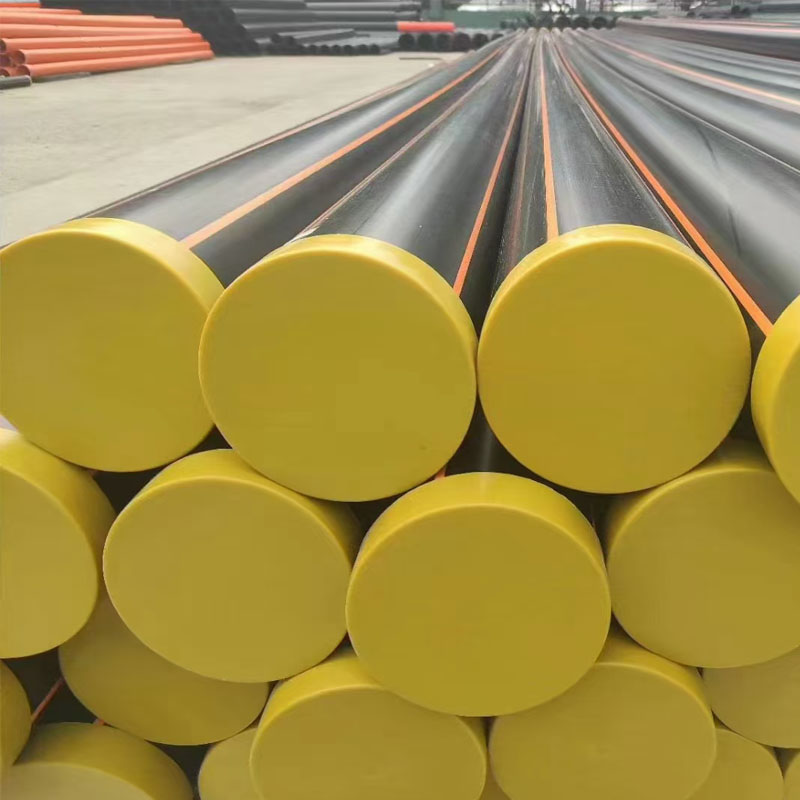
Introduction
Polyvinyl chloride (PVC) pipe's adoption for plumbing applications represents a significant shift in infrastructure materials. While metallic piping (cast iron, steel, copper) historically dominated, PVC emerged as a cost-effective, lightweight, and corrosion-resistant alternative, initially gaining traction in drainage, waste, and vent (DWV) systems. The pivotal period for PVC’s rise in potable water distribution was from the 1950s through the 1980s, accelerated by post-war construction booms and a growing demand for affordable housing. Early formulations, however, faced scrutiny regarding long-term durability and potential leaching of vinyl chloride monomer. Subsequent advancements in PVC compound formulations, particularly the introduction of chlorinated PVC (CPVC) and stricter manufacturing standards, broadened its acceptability and application range. This guide details the material science, manufacturing processes, performance characteristics, failure modes, and regulatory landscape surrounding PVC plumbing pipe, providing a comprehensive technical overview for engineers, procurement managers, and industry professionals.
Material Science & Manufacturing
PVC is a thermoplastic polymer produced by the polymerization of vinyl chloride monomer (VCM). The resulting polymer is inherently rigid and brittle. Plasticizers, such as phthalates or adipates, are commonly added during compounding to enhance flexibility and impact resistance, tailored to specific application requirements (e.g., flexible DWV vs. rigid Schedule 40/80 pressure pipe). The raw materials for PVC production include ethylene and chlorine, typically derived from salt and petroleum. CPVC, used for hot water applications, incorporates additional chlorine content, increasing the glass transition temperature (Tg) and enhancing its thermal stability and resistance to creep. Manufacturing processes primarily involve extrusion. PVC compound is fed into an extruder, where it is heated, melted, and forced through a die to form the desired pipe dimensions and wall thickness. Precise control of extrusion parameters – temperature profiles, screw speed, die pressure – is crucial for achieving consistent dimensional accuracy and material properties. Post-extrusion processes include cooling (water bath), sizing, cutting, and marking. Quality control measures include hydrostatic pressure testing to verify burst strength and dimensional inspection to ensure adherence to ASTM standards. The consistency of the raw material PVC resin quality significantly impacts the final pipe quality, including its resistance to UV degradation and chemical attack.
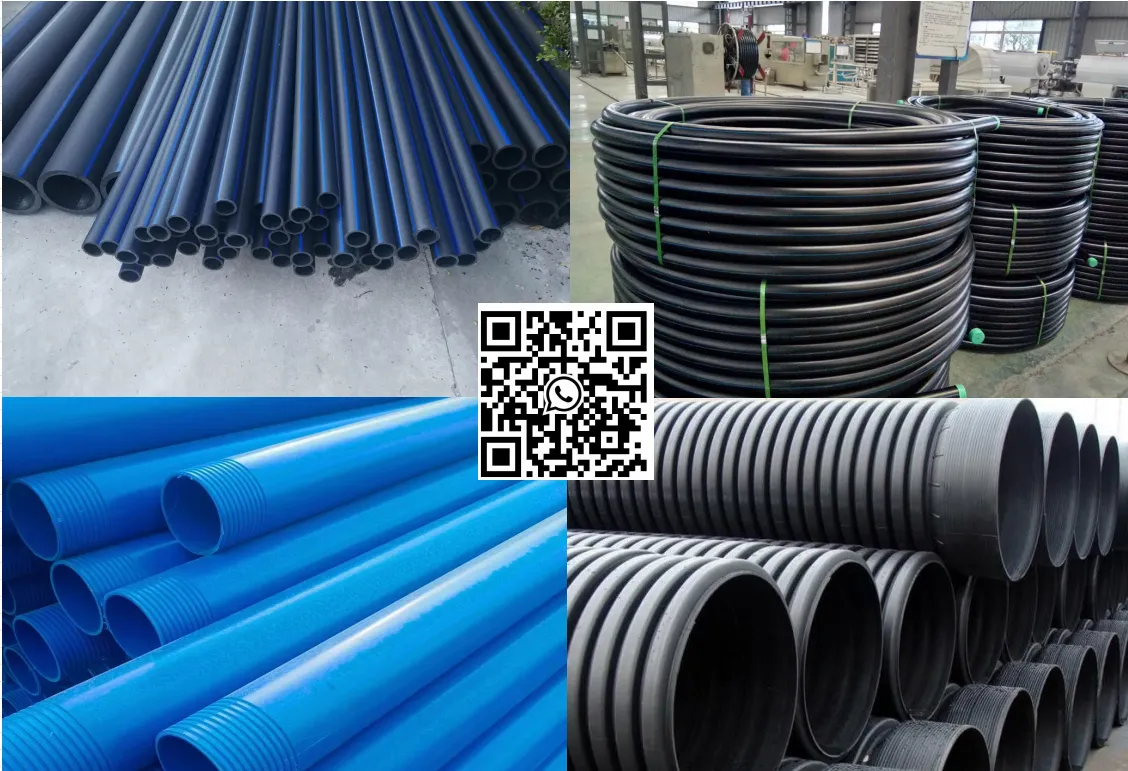
Performance & Engineering
The performance of PVC plumbing pipe is characterized by its pressure-bearing capacity, chemical resistance, and hydraulic flow characteristics. Burst pressure is a critical design parameter, determined by hydrostatic testing and governed by standards like ASTM D1785 (for Schedule 40/80 pipe). The Hazen-Williams equation is commonly used to calculate friction losses within PVC pipes, factoring in pipe diameter, wall roughness (typically 0.000005 ft for PVC), and flow rate. PVC exhibits excellent resistance to a wide range of chemicals commonly found in domestic and industrial wastewater, including acids, alkalis, and salts. However, it is susceptible to degradation by certain solvents and hydrocarbons. Long-term performance is heavily influenced by environmental factors. UV exposure can cause embrittlement, necessitating the use of UV stabilizers in formulations or burial/shielding of exposed pipes. Temperature variations induce thermal expansion and contraction, which must be accommodated through proper joint design and allowance for thermal movement. Soil conditions also impact performance; corrosive soils can accelerate degradation, particularly at buried joints. Engineers must consider these factors when selecting PVC pipe for specific applications and designing appropriate support systems and expansion joints.
Technical Specifications
| Parameter | Schedule 40 PVC | Schedule 80 PVC | CPVC (Hot Water) |
|---|---|---|---|
| Material | Polyvinyl Chloride (PVC) | Polyvinyl Chloride (PVC) | Chlorinated Polyvinyl Chloride (CPVC) |
| ASTM Standard | D1785 | D1785 | D2846 |
| Pressure Rating (psi @ 73°F) | 400 | 600 | 100-400 (depending on temp.) |
| Maximum Operating Temperature | 140°F | 140°F | 180-200°F |
| Tensile Strength (psi) | 6,000-8,000 | 7,000-9,000 | 8,000-10,000 |
| Modulus of Elasticity (psi) | 300,000-400,000 | 350,000-450,000 | 400,000-500,000 |
Failure Mode & Maintenance
PVC plumbing pipe is susceptible to several failure modes. Brittle fracture can occur due to impact loads, particularly at low temperatures, or due to pre-existing stress concentrations. Long-term hydrostatic stress can lead to slow crack growth (SCG), especially in pipes exposed to sustained pressure and certain chemical environments. UV degradation causes embrittlement and cracking of exposed surfaces. Chemical attack from incompatible substances can cause softening, swelling, or dissolution of the PVC. Joint failures are common, stemming from improper solvent welding, inadequate support, or thermal expansion/contraction stresses. Maintenance involves periodic visual inspections for cracks, leaks, and signs of degradation. Prompt repair of leaks prevents water damage and minimizes the risk of catastrophic failure. Support systems should be inspected for proper anchoring and alignment. Solvent-welded joints should be re-inspected periodically to ensure their integrity. For CPVC systems, maintaining water chemistry within acceptable pH ranges is crucial to prevent corrosion and scaling. Regular flushing of the system removes sediment and debris, reducing the risk of blockages and pressure fluctuations. Preventative measures, such as protecting exposed pipes from UV radiation and avoiding contact with incompatible chemicals, significantly extend the service life of PVC plumbing systems.
Industry FAQ
Q: What is the primary difference between Schedule 40 and Schedule 80 PVC pipe, and when would I choose one over the other?
A: The primary difference is wall thickness. Schedule 80 has a thicker wall than Schedule 40, resulting in a higher pressure rating and greater resistance to impact. Schedule 40 is generally suitable for lower-pressure applications like drainage, waste, and vent systems. Schedule 80 is preferred for higher-pressure applications, such as chemical processing, chilled water distribution, and industrial piping where increased safety and durability are required. Cost is also a factor, with Schedule 80 typically being more expensive.
Q: How does CPVC differ from standard PVC, and why is it used for hot water systems?
A: CPVC (Chlorinated Polyvinyl Chloride) contains a higher chlorine content than standard PVC. This increased chlorine content elevates the glass transition temperature (Tg), making it more resistant to deformation at higher temperatures. Standard PVC softens significantly at temperatures above 140°F, rendering it unsuitable for hot water applications. CPVC maintains its structural integrity and pressure-bearing capacity at temperatures up to 180-200°F, making it ideal for residential and commercial hot water distribution systems.
Q: What are the common causes of solvent weld joint failures in PVC piping?
A: Common causes include inadequate surface preparation (dirt, grease, moisture), insufficient application of primer and solvent cement, improper assembly technique (excessive or insufficient cement), and working in unfavorable environmental conditions (low temperature, high humidity). Allowing insufficient curing time before pressurizing the system is also a frequent cause of failure. Proper training and adherence to manufacturer’s instructions are crucial for ensuring reliable solvent-welded joints.
Q: What is the impact of UV exposure on PVC pipe, and how can it be mitigated?
A: UV exposure causes chain scission in the PVC polymer, leading to embrittlement, discoloration, and reduced impact strength. This degradation is most pronounced on exposed surfaces. Mitigation strategies include using UV-stabilized PVC formulations, painting the pipe with a UV-reflective coating, or burying the pipe below ground or shielding it from direct sunlight. Regular inspection of exposed pipes is recommended to identify and address early signs of UV degradation.
Q: What are the primary regulatory standards governing the use of PVC plumbing pipe in potable water systems?
A: Key regulatory standards include NSF/ANSI 61 (health effects), NSF/ANSI 372 (lead content), and ASTM standards like D1785 and D2846 (material specifications and performance). Local plumbing codes often incorporate or reference these standards. Compliance with these regulations ensures that the PVC pipe and its components do not leach harmful contaminants into the drinking water supply.
Conclusion
PVC plumbing pipe has revolutionized water distribution and drainage systems due to its cost-effectiveness, durability, and ease of installation. Understanding the material science, manufacturing nuances, and performance characteristics of PVC – including variations like CPVC – is paramount for ensuring reliable and long-lasting plumbing infrastructure. The potential for failure modes, from brittle fracture to solvent weld deficiencies, necessitates diligent maintenance practices and adherence to established standards.
Continued advancements in PVC formulations, coupled with increasingly stringent regulatory oversight, are addressing early concerns and expanding the application range of PVC in plumbing systems. Future trends may include the development of more sustainable PVC compounds, incorporating recycled content and bio-based plasticizers, and the integration of smart monitoring technologies to detect leaks and predict potential failures. Proper material selection, installation, and maintenance remain the cornerstones of a robust and efficient PVC plumbing infrastructure.
-
DN25 HDPE Compression Fitting-HORON INTERNATIONAL|Reliable Irrigation Solutions
NewsFeb.11,2026
-
hdpe coupling joint product Manufacturing Analysis
News2026-11-18
-
ppr pipe heating time products Performance Analysis
News2026-11-16
-
hdpe pipe sizes factory Performance Analysis
News2026-11-09
-
HDPE Pipe Sizes Service Performance Analysis
News2026-10-26
-
wholesale 15mm ppr pipe Material Science and Performance Analysis
News2026-10-20
-
wholesale pvc pipe price per foot Technical Analysis
News2026-09-21
-
wholesale long pvc pipe Technical Analysis and Manufacturing Specifications
News2026-09-15
-
wholesale plumbing kitchen sink water lines Material Performance
News2026-09-15
-
wholesale hdpe drip irrigation Material Science
News2026-09-15
-
wholesale hot water ppr pipe Performance Analysis
News2026-09-15
-
wholesale ppr plumbing Performance Analysis
News2026-09-15
-
wholesale ppr pipe supplier Performance Analysis
News2026-09-13
-
wholesale 50mm ppr pipe Performance Analysis
News2026-09-13
-
wholesale hdpe drip pipe Performance Analysis
News2026-09-13
-
wholesale hdpe pipe 63mm price Manufacturing Specification and Performance Analysis
News2026-09-13