

Feb . 11, 2026 00:01 Back to list
PPR Pipe discount type Performance Analysis
Introduction
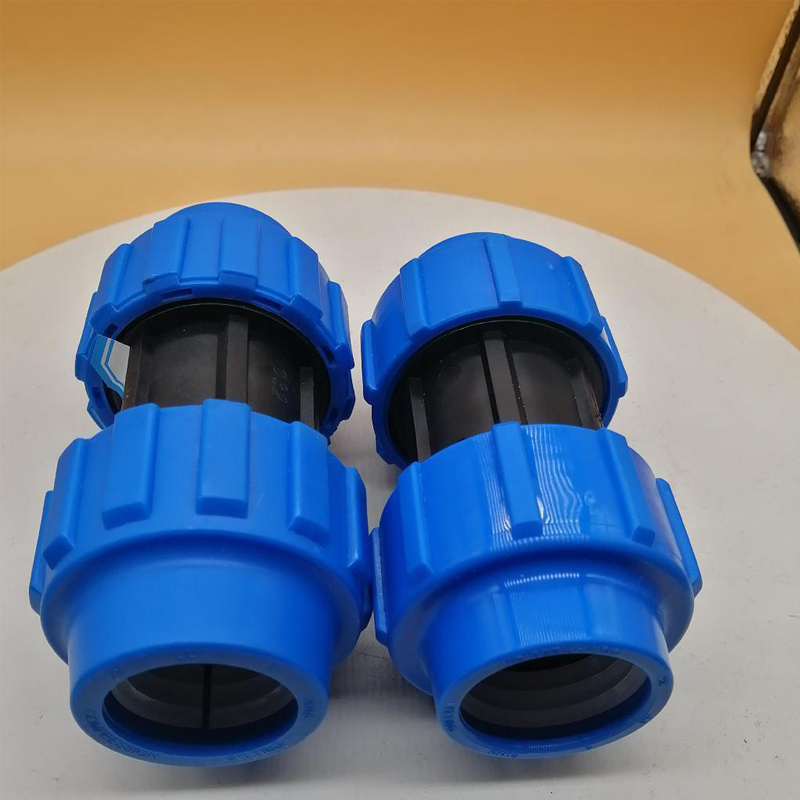
Polypropylene Random (PPR) pipe, specifically the ‘discount type’ variant, represents a cost-effective solution for potable water supply, heating systems, and industrial fluid conveyance. Positioned within the broader thermoplastic piping industry, PPR distinguishes itself through its homogeneous material composition, resulting in weldable joints offering leak-free performance. This grade of PPR, engineered for price sensitivity without compromising fundamental functionality, typically exhibits a slightly reduced molecular weight distribution and potentially a higher recycled content compared to premium PPR formulations. Core performance characteristics include resistance to a wide range of chemicals, low thermal conductivity, and inherent corrosion resistance, making it a viable alternative to traditional metal piping systems. The primary challenge in the discount PPR market lies in maintaining consistent material quality and dimensional accuracy to ensure long-term reliability and adherence to industry standards. This guide provides a detailed technical overview of discount PPR pipe, encompassing its material science, manufacturing processes, performance capabilities, failure modes, and relevant industry standards.
Material Science & Manufacturing
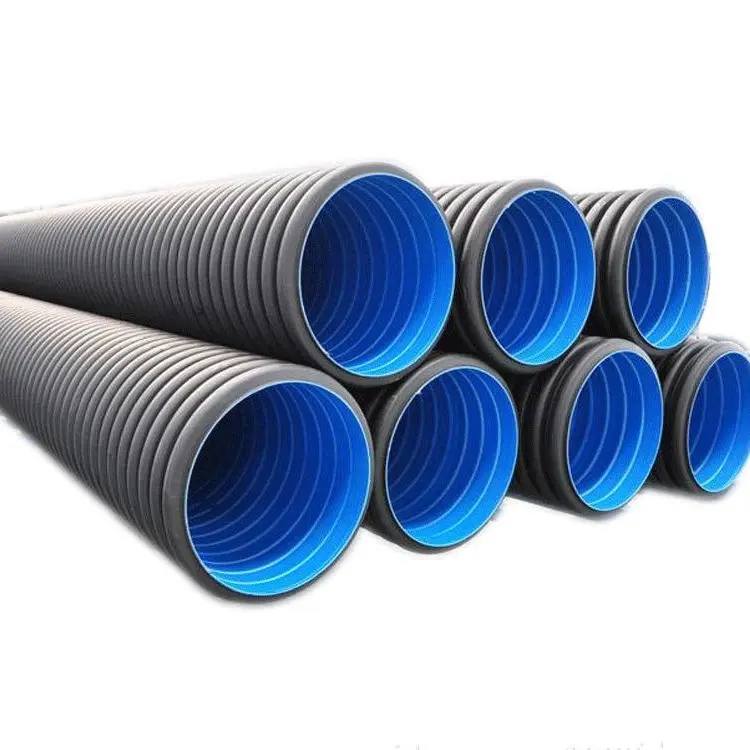
Discount PPR pipe is fundamentally based on polypropylene random copolymer. The raw material, polypropylene homopolymer and polypropylene copolymer, is derived from propylene monomer through a Ziegler-Natta or metallocene catalytic polymerization process. The random copolymerization introduces ethylenes into the polymer chain, disrupting crystallinity and enhancing impact resistance, particularly at lower temperatures. The grade used in 'discount' PPR generally contains a higher proportion of homopolymer to reduce cost. Key physical properties include a density typically ranging from 0.905 to 0.92 g/cm³, a glass transition temperature around 0-5°C, and a melting point between 130-170°C, depending on the specific copolymer ratio. Manufacturing typically involves extrusion. Polypropylene granules are fed into a single or twin-screw extruder, melted, and then forced through a die to form the pipe’s shape. Critical parameters during extrusion include maintaining a consistent melt temperature (between 190-230°C), screw speed, and die pressure. Dimensional control is achieved through precise calibration and cooling techniques. Socket fusion fittings are manufactured using a similar extrusion process, with tooling designed to create the necessary sockets for joining. Quality control at this stage includes regular checks for wall thickness uniformity, ovality, and surface finish. The presence of recycled material, commonly up to 30% in discount grades, necessitates stringent quality control to prevent contamination and ensure consistent mechanical properties.
Performance & Engineering
The performance of PPR pipe is heavily influenced by hydrostatic pressure, temperature, and the fluid being conveyed. Discount PPR typically exhibits a Hydrostatic Pressure Rating (HPR) between 1.0 MPa and 1.6 MPa at 20°C, decreasing with increasing temperature as defined by ISO 15876. Force analysis during installation and operation must consider thermal expansion and contraction. PPR has a relatively high coefficient of thermal expansion (approximately 0.15 mm/m°C), necessitating the inclusion of expansion loops in long pipe runs to prevent stress buildup and potential joint failure. Environmental resistance is generally good, with PPR being resistant to many acids and bases. However, prolonged exposure to strong oxidizing agents or chlorinated solvents should be avoided. Compliance requirements are dictated by regional building codes and potable water regulations. In potable water applications, the PPR material must comply with standards ensuring minimal leaching of harmful substances into the water supply. For heating applications, the pipe must withstand the operating temperature and pressure of the heating system, with consideration given to the thermal conductivity of the material (approximately 0.24 W/mK). The long-term creep resistance of the PPR material is crucial, particularly under sustained pressure and temperature, and is often assessed through accelerated aging tests. Joint integrity, achieved through socket fusion, is critical and is dependent on proper welding parameters (temperature and pressure) and operator skill.
Technical Specifications
| Parameter | Unit | Discount PPR (Typical) | Premium PPR (Typical) |
|---|---|---|---|
| Hydrostatic Pressure (20°C) | MPa | 1.25 | 1.6 |
| Operating Temperature (Water) | °C | Up to 60 | Up to 70 |
| Operating Temperature (Heating) | °C | Up to 95 (Short-term) | Up to 95 (Continuous) |
| Density | g/cm³ | 0.91 | 0.92 |
| Recycled Content (Max) | % | 30 | 10 |
| Coefficient of Thermal Expansion | mm/m°C | 0.15 | 0.15 |
Failure Mode & Maintenance
Discount PPR pipe, while durable, is susceptible to several failure modes. Fatigue cracking can occur at joints due to repeated thermal cycling and pressure fluctuations, particularly if the welding process was inadequate. Delamination within the pipe wall can occur due to insufficient mixing of the polypropylene copolymer during extrusion, or the presence of contaminants in recycled material. Chemical degradation can occur with prolonged exposure to incompatible fluids, leading to embrittlement and cracking. Oxidation, especially at elevated temperatures, can result in a reduction in mechanical properties. Long-term creep, particularly under sustained pressure, can cause dimensional changes and eventual failure. Maintenance primarily focuses on preventative measures. Regular visual inspections should be conducted to identify any signs of leaks, cracks, or deformation. Avoid subjecting the pipe to excessive mechanical stress during installation. Proper support and anchoring are essential to prevent sagging and stress concentrations. If a leak is detected, the affected section of pipe should be replaced using socket fusion welding. Avoid using abrasive cleaning agents or solvents on the pipe surface. For heating systems, annual inspection of the pipe and fittings is recommended to identify any signs of corrosion or degradation. Maintaining records of installation details and maintenance activities is crucial for effective long-term management.
Industry FAQ
Q: What is the impact of recycled content on the long-term performance of discount PPR?
A: Higher recycled content can potentially reduce the long-term creep resistance and impact strength of PPR. Reputable manufacturers mitigate this through rigorous quality control, ensuring the recycled material is thoroughly cleaned and properly blended with virgin polymer. However, the overall service life may be slightly reduced compared to 100% virgin PPR.
Q: How critical is the welding process for socket fusion joints?
A: The welding process is absolutely critical. Incorrect temperature or pressure settings, insufficient welding time, or improper tool maintenance can lead to weak joints prone to leakage. Operator training and adherence to manufacturer’s recommendations are essential.
Q: Can discount PPR be used for chilled water applications?
A: Generally, no. While PPR exhibits good chemical resistance, very low temperatures can make it brittle and susceptible to cracking. Specialized PPR formulations designed for chilled water are available, but standard 'discount' grades are not suitable.
Q: What is the expected lifespan of a properly installed discount PPR system?
A: A properly installed and maintained discount PPR system can typically have a lifespan of 20-30 years, depending on the operating conditions and fluid being conveyed. Regular inspections and preventative maintenance are key to maximizing longevity.
Q: How does discount PPR compare to PEX (Cross-linked Polyethylene) in terms of cost and performance?
A: Discount PPR is generally lower in initial material cost compared to PEX. However, PEX offers greater flexibility and is less susceptible to damage from freezing. PEX installation often requires specialized crimping or expansion tools, which can increase labor costs. Both materials are viable options, and the best choice depends on the specific application requirements and budget constraints.
Conclusion
Discount PPR pipe provides a cost-effective and reasonably reliable solution for a variety of piping applications, primarily focused on potable water and low-temperature heating. Its performance characteristics, while generally lower than premium PPR grades, are adequate for many non-critical applications. The key to successful implementation lies in careful material selection, ensuring proper installation techniques, and implementing a preventative maintenance program.
The future of discount PPR lies in advancements in recycling technologies and the development of improved copolymer formulations that maintain performance while utilizing a higher percentage of recycled content. Ongoing research into improved welding techniques and non-destructive testing methods will also contribute to enhancing the long-term reliability and sustainability of these piping systems.
-
DN25 HDPE Compression Fitting-HORON INTERNATIONAL|Reliable Irrigation Solutions
NewsFeb.11,2026
-
hdpe coupling joint product Manufacturing Analysis
News2026-11-18
-
ppr pipe heating time products Performance Analysis
News2026-11-16
-
hdpe pipe sizes factory Performance Analysis
News2026-11-09
-
HDPE Pipe Sizes Service Performance Analysis
News2026-10-26
-
wholesale 15mm ppr pipe Material Science and Performance Analysis
News2026-10-20
-
wholesale pvc pipe price per foot Technical Analysis
News2026-09-21
-
wholesale long pvc pipe Technical Analysis and Manufacturing Specifications
News2026-09-15
-
wholesale plumbing kitchen sink water lines Material Performance
News2026-09-15
-
wholesale hdpe drip irrigation Material Science
News2026-09-15
-
wholesale hot water ppr pipe Performance Analysis
News2026-09-15
-
wholesale ppr plumbing Performance Analysis
News2026-09-15
-
wholesale ppr pipe supplier Performance Analysis
News2026-09-13
-
wholesale 50mm ppr pipe Performance Analysis
News2026-09-13
-
wholesale hdpe drip pipe Performance Analysis
News2026-09-13
-
wholesale hdpe pipe 63mm price Manufacturing Specification and Performance Analysis
News2026-09-13