

Feb . 11, 2026 00:01 Back to list
HDPE Pipe wholesale hdpe pipe price Performance Analysis
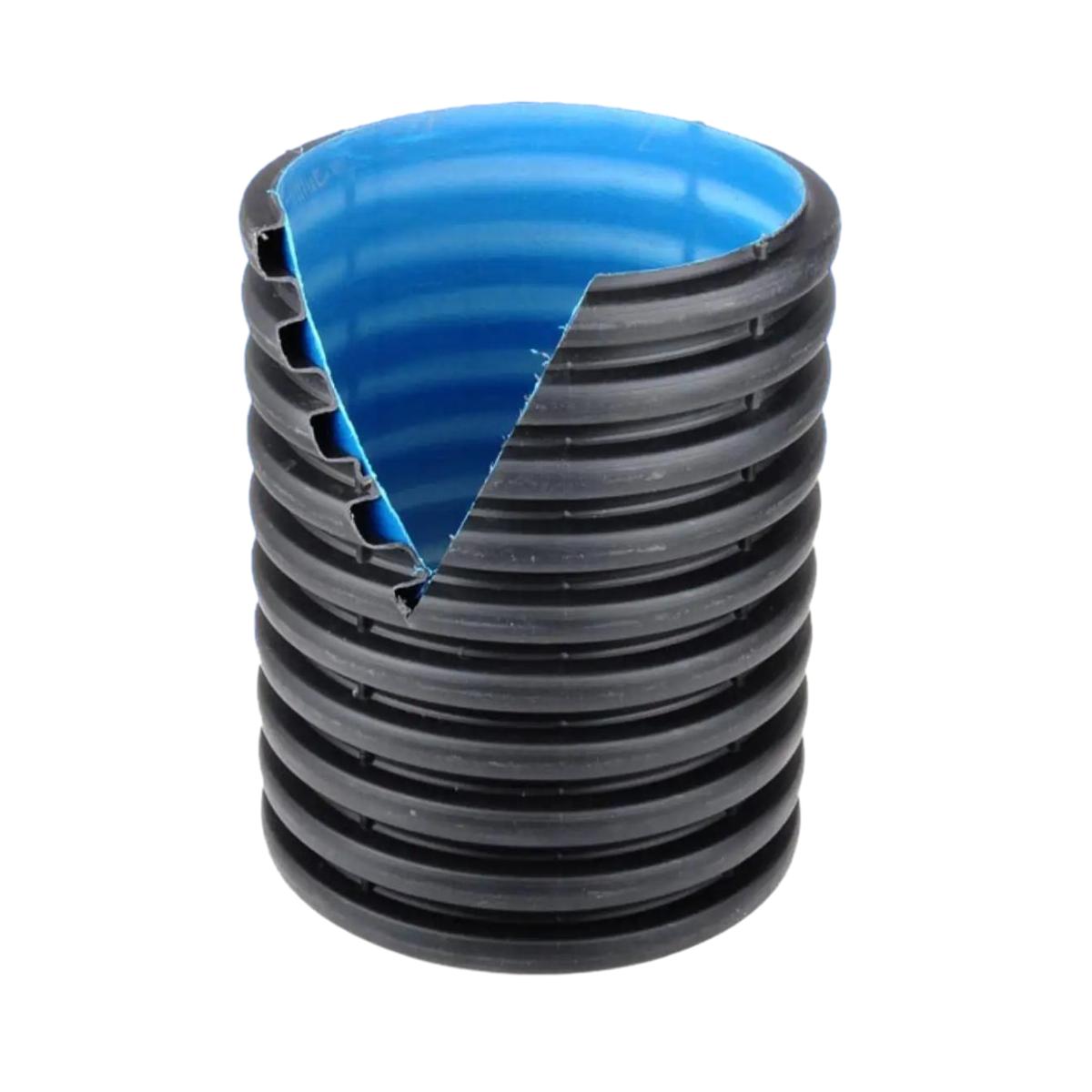
Introduction
High-Density Polyethylene (HDPE) pipe represents a significant advancement in fluid and gas conveyance systems across numerous industrial applications. Wholesale HDPE pipe price is a crucial consideration for large-scale infrastructure projects, impacting overall project costs and return on investment. Positioned within the broader plastics industry supply chain, HDPE pipe serves as a direct substitute for traditional materials like ductile iron, steel, and concrete in many applications. Its core performance characteristics – including durability, chemical resistance, and ease of installation – differentiate it from these alternatives. This guide provides a comprehensive technical overview of HDPE pipe, encompassing material science, manufacturing processes, performance parameters, failure modes, and relevant industry standards, focusing on elements that directly influence wholesale pricing and lifecycle cost analysis.
Material Science & Manufacturing
HDPE pipe is fabricated from polyethylene resins, specifically those exhibiting a high density (0.941 to 0.965 g/cm³). The resin source is typically ethylene, derived from petroleum or natural gas. The polymerization process, commonly employing Ziegler-Natta or metallocene catalysts, dictates the molecular weight distribution and crystallinity of the HDPE. Higher crystallinity contributes to increased tensile strength and rigidity, but can also reduce impact resistance. Raw materials must meet stringent quality control standards, including melt flow index (MFI) testing to ensure consistent processing characteristics. Manufacturing predominantly utilizes extrusion processes. The HDPE resin is melted and forced through a die to create a continuous pipe profile. Critical parameters during extrusion include temperature control (melt temperature, die temperature), screw speed, and haul-off speed. These parameters directly impact pipe dimensions, wall thickness uniformity, and the degree of residual stress within the polymer matrix. Further processing may involve socket fusion, butt fusion, electrofusion, or mechanical joining methods depending on the intended application. Quality control is paramount, requiring hydrostatic testing to verify pressure integrity and dimensional inspection to confirm adherence to specified standards (e.g., ASTM F441). The presence of carbon black is common for UV protection, influencing the pipe’s long-term performance in above-ground applications.
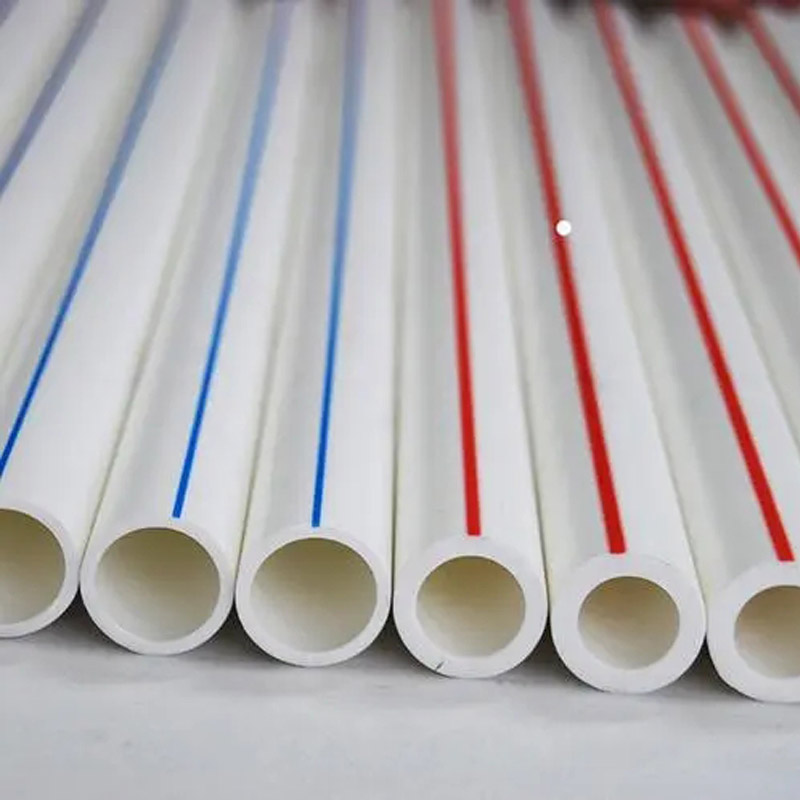
Performance & Engineering
The performance of HDPE pipe is heavily influenced by its mechanical properties and its resistance to environmental factors. Hydrostatic design stress (HDS) is a key engineering parameter, determined through long-term hydrostatic strength testing (e.g., ASTM D2837). This value dictates the maximum allowable internal pressure for a given pipe size and schedule (wall thickness). HDPE exhibits high ductility, enabling it to withstand significant deformation without catastrophic failure. However, creep rupture – the gradual deformation under sustained stress – is a potential concern in high-pressure, high-temperature applications. Environmental stress cracking (ESC) is another critical failure mode, particularly in the presence of aggressive chemicals or solvents. The polyethylene structure is susceptible to attack by oxidizing agents. Burial depth and soil composition are also crucial engineering considerations. Thermal expansion and contraction coefficients of HDPE are significantly higher than those of traditional piping materials, necessitating expansion loops or flexible joints to accommodate temperature fluctuations and prevent stress buildup. Finite Element Analysis (FEA) is frequently employed to model stress distribution under various loading conditions, optimizing pipe design for specific applications. Pipeline routing and support systems must account for the pipe’s flexibility and weight.
Technical Specifications
| Parameter | Units | Typical Value (Schedule 40) | Typical Value (Schedule 80) |
|---|---|---|---|
| Outside Diameter | mm | 114.3 | 114.3 |
| Wall Thickness | mm | 5.8 | 8.7 |
| Pressure Rating | MPa | 1.0 | 1.6 |
| Density | g/cm³ | 0.953 | 0.953 |
| Melt Flow Index | g/10min | 0.5-1.0 | 0.5-1.0 |
| Hydrostatic Design Stress (HDS) | MPa | 8.0 | 10.4 |
Failure Mode & Maintenance
HDPE pipe, while durable, is susceptible to several failure modes. Slow Crack Growth (SCG) is a prominent concern, originating from localized stress concentrations or surface imperfections. It is often accelerated by exposure to aggressive chemicals. Environmental Stress Cracking (ESC), as previously mentioned, arises from the synergistic effects of stress and chemical exposure. Long-term exposure to ultraviolet (UV) radiation can cause degradation, embrittlement, and discoloration, particularly in above-ground applications lacking adequate UV protection. Fatigue cracking can occur under cyclic loading conditions, such as those experienced in pump stations or near joints. Improper installation techniques, including over-bending or insufficient bedding support, can induce stress concentrations and contribute to premature failure. Maintenance involves regular visual inspections for signs of cracking, deformation, or discoloration. Joints should be periodically checked for leakage. Cathodic protection may be necessary in corrosive soil environments to mitigate corrosion of metallic fittings or connections. Pressure testing can be conducted to verify the integrity of the pipeline. Repair options include mechanical couplings, heat fusion welding, or section replacement. Implementing a preventative maintenance program based on risk assessment and operational history is essential for maximizing the service life of HDPE pipelines.
Industry FAQ
Q: What is the impact of resin grade on the wholesale price of HDPE pipe?
A: Resin grade significantly affects the wholesale price. Higher-performance resins with improved molecular weight distribution, enhanced UV resistance, or specialized additives (e.g., for chemical resistance) command a premium. The source of the resin (e.g., North American vs. imported) and market fluctuations in ethylene pricing also play a substantial role.
Q: How does pipe schedule (wall thickness) influence the overall cost and performance of HDPE pipe?
A: Increasing pipe schedule (thicker walls) increases the cost per unit length due to the greater material consumption. However, a higher schedule provides a higher pressure rating and increased resistance to external loads and impact damage, potentially reducing lifecycle costs by extending service life.
Q: What quality control measures are essential to ensure the integrity of wholesale HDPE pipe shipments?
A: Essential measures include hydrostatic testing per ASTM D2837, dimensional inspection to verify diameter and wall thickness, material certification confirming resin grade and properties, and visual inspection for surface defects. Documentation of these tests should accompany each shipment.
Q: How does the diameter of HDPE pipe affect the wholesale price per unit length?
A: Generally, the wholesale price per unit length decreases as pipe diameter increases, due to economies of scale in manufacturing and reduced material cost per unit volume. However, larger diameter pipes require more robust handling and transportation equipment, potentially offsetting some of the cost savings.
Q: What are the typical lead times for large-volume wholesale orders of HDPE pipe?
A: Lead times vary depending on the pipe size, schedule, quantity, and manufacturer’s production capacity. Typically, lead times range from 4 to 12 weeks for large-volume orders. Factors such as resin availability and transportation logistics can also impact lead times.
Conclusion
HDPE pipe represents a robust and cost-effective solution for a wide array of fluid and gas conveyance applications. Wholesale pricing is intricately linked to material selection, manufacturing quality, and adherence to stringent industry standards. Understanding the interplay of factors – including resin grade, pipe schedule, and quality control procedures – is crucial for procurement professionals seeking to optimize lifecycle costs. Careful consideration of installation practices, environmental factors, and potential failure modes, coupled with a proactive maintenance strategy, will maximize the long-term performance and reliability of HDPE pipeline systems.
The continued development of HDPE resin technology, coupled with advancements in extrusion and joining techniques, is expected to further enhance the performance and reduce the cost of HDPE pipe. Focus on sustainable materials and recycling initiatives will also shape the future of the industry. Procurement strategies should prioritize suppliers who demonstrate a commitment to quality, traceability, and environmental responsibility.
-
DN25 HDPE Compression Fitting-HORON INTERNATIONAL|Reliable Irrigation Solutions
NewsFeb.11,2026
-
hdpe coupling joint product Manufacturing Analysis
News2026-11-18
-
ppr pipe heating time products Performance Analysis
News2026-11-16
-
hdpe pipe sizes factory Performance Analysis
News2026-11-09
-
HDPE Pipe Sizes Service Performance Analysis
News2026-10-26
-
wholesale 15mm ppr pipe Material Science and Performance Analysis
News2026-10-20
-
wholesale pvc pipe price per foot Technical Analysis
News2026-09-21
-
wholesale long pvc pipe Technical Analysis and Manufacturing Specifications
News2026-09-15
-
wholesale plumbing kitchen sink water lines Material Performance
News2026-09-15
-
wholesale hdpe drip irrigation Material Science
News2026-09-15
-
wholesale hot water ppr pipe Performance Analysis
News2026-09-15
-
wholesale ppr plumbing Performance Analysis
News2026-09-15
-
wholesale ppr pipe supplier Performance Analysis
News2026-09-13
-
wholesale 50mm ppr pipe Performance Analysis
News2026-09-13
-
wholesale hdpe drip pipe Performance Analysis
News2026-09-13
-
wholesale hdpe pipe 63mm price Manufacturing Specification and Performance Analysis
News2026-09-13