

Feb . 11, 2026 00:01 Back to list
discount yellow pvc pipe Technical Analysis
Introduction
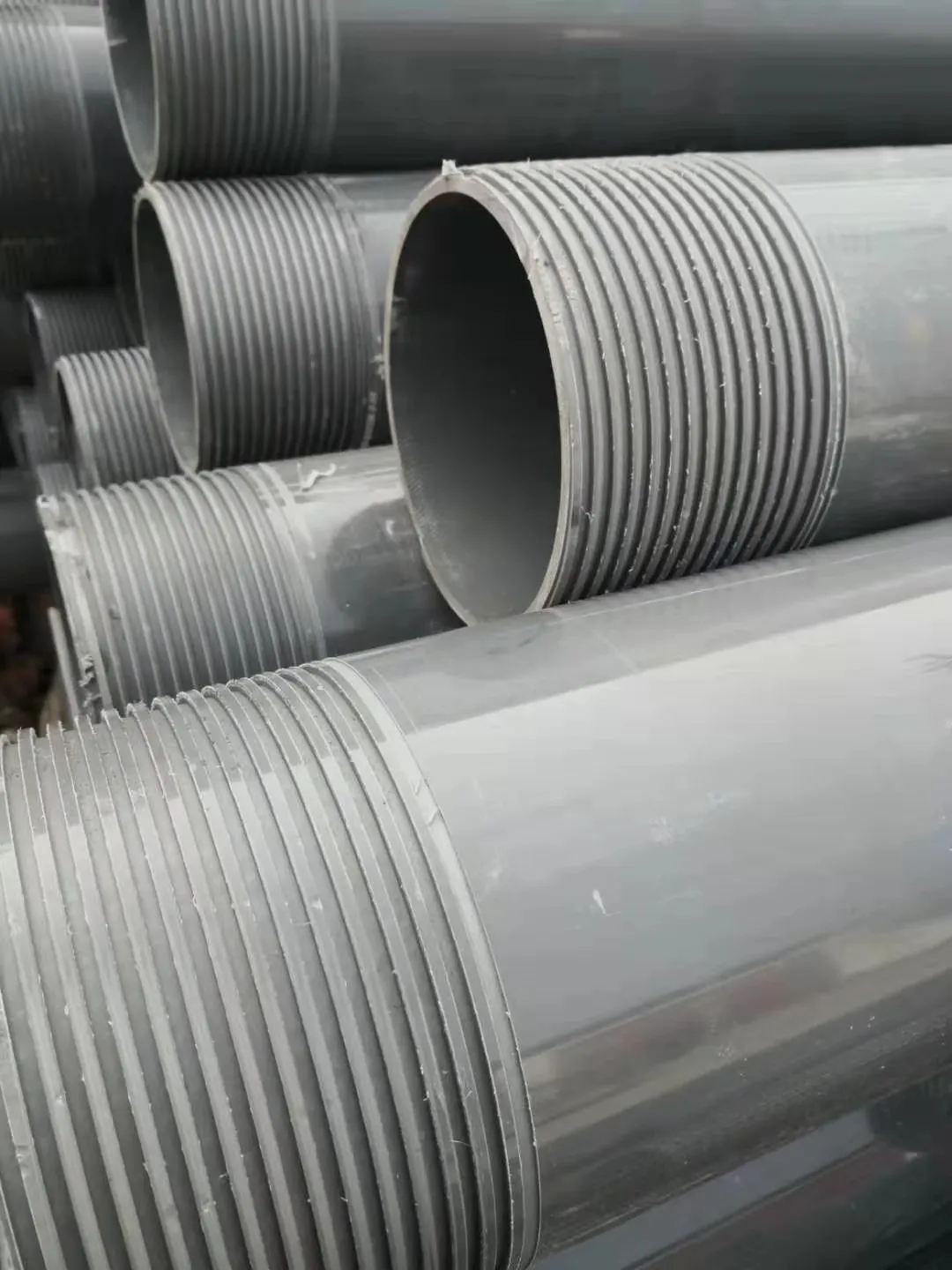
Polyvinyl chloride (PVC) pipe, particularly the variety designated as ‘discount yellow PVC pipe,’ represents a foundational component in a broad spectrum of fluid conveyance systems. This guide details the technical characteristics, manufacturing processes, performance parameters, potential failure modes, and maintenance protocols associated with this widely utilized industrial product. While often perceived as a commodity, variations in resin formulation, manufacturing quality control, and adherence to industry standards significantly impact long-term performance and reliability. Yellow PVC pipe is predominantly used in irrigation, drainage, and specific industrial applications where UV resistance isn’t paramount, and cost-effectiveness is a primary concern. This specification focuses on Schedule 40 and Schedule 80 PVC pipe, common classifications influencing wall thickness and pressure-bearing capacity. The core pain point in the industry revolves around balancing initial cost savings with the potential for premature failure stemming from material degradation, improper installation, or exceeding operational limits. The following sections provide a comprehensive technical deep-dive to mitigate these risks.
Material Science & Manufacturing
Discount yellow PVC pipe is primarily composed of PVC resin, a thermoplastic polymer produced through the polymerization of vinyl chloride monomer (VCM). The resin is typically blended with stabilizers (often lead-based or calcium-zinc based – formulations vary significantly affecting cost and environmental impact), plasticizers (primarily phthalates or alternatives), lubricants, and pigments to achieve the desired properties. The specific formulation directly influences flexibility, impact resistance, and UV stability. The raw materials’ quality significantly impacts the final product's performance; cheaper resins may exhibit lower molecular weight distribution and increased impurity levels. Manufacturing typically utilizes extrusion processes. PVC compound is fed into an extruder where it’s heated and plastically formed into a continuous profile. A die shapes the molten PVC into the desired pipe diameter and wall thickness. Critical parameters during extrusion include barrel temperature profile (typically between 160-210°C), screw speed, and die pressure. Cooling is essential, often involving water baths, to solidify the pipe. Post-extrusion processes include cutting to length, bell-ending (for solvent welding), and quality control checks (dimensional accuracy, hydrostatic pressure testing). Quality control is essential to identify defects such as voids, cracks, and variations in wall thickness. The coefficient of thermal expansion for PVC is relatively high (approximately 8 x 10^-5 /°C), requiring consideration during installation to accommodate expansion and contraction.

Performance & Engineering
The performance of discount yellow PVC pipe is dictated by its ability to withstand internal pressure, external loads, and environmental factors. Internal pressure resistance is directly correlated with wall thickness (Schedule 40, Schedule 80), diameter, and the material’s inherent tensile strength. Hydrostatic pressure testing, as per ASTM D1598, is crucial to verify pressure-bearing capacity. External loads, such as soil loading in buried applications, require consideration of the pipe’s stiffness (measured by Modulus of Elasticity) and the surrounding soil’s properties. The pipe’s deflection under load must be within acceptable limits to prevent cracking or deformation. Chemical resistance is generally good for common fluids, but prolonged exposure to certain solvents or strong oxidizing agents can lead to degradation. UV exposure causes gradual discoloration and embrittlement; yellow PVC offers some inherent UV protection compared to white PVC, but prolonged direct sunlight exposure will still degrade the material. Installation practices are critical; proper solvent welding techniques (if applicable) and adequate support spacing are essential to prevent stress concentrations and premature failure. Force analysis during installation must account for bending moments and shear forces. Compliance requirements include adherence to local plumbing codes and relevant ASTM standards (see section 7). The long-term creep resistance of PVC is a consideration in sustained-pressure applications. Creep is the tendency of a solid material to slowly deform permanently under the influence of persistent mechanical stresses.
Technical Specifications
| Parameter | Schedule 40 (1/2" Diameter) | Schedule 80 (1/2" Diameter) | ASTM Standard |
|---|---|---|---|
| Outside Diameter (OD) | 0.625 inches | 0.625 inches | D1785 |
| Inside Diameter (ID) | 0.543 inches | 0.468 inches | D1785 |
| Wall Thickness | 0.041 inches | 0.079 inches | D1785 |
| Pressure Rating (at 73°F) | 450 psi | 600 psi | D1598 |
| Tensile Strength | 6,000 psi | 6,000 psi | D638 |
| Impact Strength (Izod Notched) | 12 ft-lbs | 12 ft-lbs | D256 |
Failure Mode & Maintenance
Discount yellow PVC pipe is susceptible to several failure modes. Brittle fracture can occur due to impact damage, particularly at low temperatures. Stress cracking, caused by sustained tensile stress in the presence of certain chemicals, is another common issue. UV degradation leads to embrittlement and surface cracking, reducing impact resistance. Long-term hydrostatic pressure can induce creep, leading to slow deformation and potential rupture. Improper solvent welding creates weak joints prone to leakage or separation. Microbial Influenced Corrosion (MIC), while less common in PVC than metals, can occur in specific environments, particularly where sulfate-reducing bacteria are present. Maintenance primarily involves regular visual inspections for cracks, discoloration, or leaks. Joints should be checked for proper sealing. Buried pipes should be protected from physical damage during excavation. If repairs are necessary, use compatible PVC repair couplings and adhesives. Avoid using abrasive cleaners that can damage the pipe surface. For significant damage, section replacement is often the most practical solution. Failure analysis should focus on identifying the root cause of the failure – was it material defect, improper installation, environmental exposure, or exceeding operational limits? Periodic pressure testing can help identify potential weaknesses before catastrophic failure occurs.
Industry FAQ
Q: What is the impact of using cheaper plasticizers in discount PVC pipe on its long-term performance?
A: Cheaper plasticizers, often phthalates, can leach out of the PVC over time, leading to embrittlement and reduced flexibility. This accelerates cracking, especially under stress or in fluctuating temperatures. Higher-quality plasticizers or alternative non-phthalate formulations are more durable but increase cost. The rate of plasticizer migration is temperature-dependent.
Q: How does the Schedule number (40 vs. 80) affect the suitability of the pipe for different applications?
A: Schedule 80 pipe has a thicker wall than Schedule 40, providing greater pressure-bearing capacity and impact resistance. Schedule 40 is suitable for lower-pressure applications like irrigation and drainage. Schedule 80 is preferred for higher-pressure industrial processes or where increased protection against physical damage is required.
Q: What are the risks associated with using incompatible solvents during PVC welding?
A: Using an incorrect solvent cement can result in a weak joint that fails under pressure or stress. The solvent needs to chemically soften the PVC surfaces to create a weld. Incompatible solvents may not properly fuse the materials, leading to leaks or separation. Always use a solvent cement specifically designed for PVC and follow the manufacturer’s instructions.
Q: What temperature limitations should be considered when using yellow PVC pipe?
A: While PVC is generally stable at ambient temperatures, exceeding 140°F (60°C) can cause softening and reduced strength. Exposure to freezing temperatures can make the pipe brittle and susceptible to cracking, particularly if the pipe is full of water. The glass transition temperature of PVC is around 80-85°C.
Q: How does the UV resistance of yellow PVC pipe compare to white PVC pipe, and are there additional protective measures needed?
A: Yellow PVC incorporates UV stabilizers during manufacturing, offering better inherent UV resistance compared to white PVC. However, prolonged exposure to direct sunlight will still cause degradation. Coating the pipe with a UV-resistant paint or burying it provides additional protection against UV damage.
Conclusion
Discount yellow PVC pipe remains a prevalent choice in numerous fluid conveyance applications due to its cost-effectiveness and reasonable performance characteristics. However, understanding the intricacies of its material science, manufacturing processes, and potential failure modes is crucial for ensuring long-term reliability. Variations in resin formulation, extrusion quality, and adherence to industry standards dictate the ultimate lifespan and suitability of the pipe for specific operating conditions.
Prioritizing proper installation techniques, selecting the appropriate Schedule number, and implementing preventative maintenance practices – including regular inspections and protection from UV exposure and physical damage – are essential for mitigating risks and maximizing the service life of discount yellow PVC pipe systems. The potential for long-term creep and chemical degradation must also be considered in system design and operation.
-
DN25 HDPE Compression Fitting-HORON INTERNATIONAL|Reliable Irrigation Solutions
NewsFeb.11,2026
-
discount ppr pipe for chilled water system Performance Analysis
News2026-06-28
-
discount ppr plumbing pipe Performance Analysis
News2026-06-28
-
discount yellow pvc pipe Technical Analysis
News2026-06-28
-
discount pvc down pipe Performance Analysis
News2026-06-28
-
discount ppr pipes Performance Analysis
News2026-06-28
-
discount hdpe pipe coupling Performance Analysis
News2026-06-27
-
discount kitchen sink water lines Performance Analysis
News2026-06-27
-
discount dn25 hdpe Performance Analysis
News2026-06-27
-
discount hdpe sprinkler coupler Performance Analysis
News2026-06-27
-
discount black pvc pipe for sale Performance Analysis
News2026-06-27
-
discount 40mm pvc pipe Performance Analysis
News2026-06-26
-
discount hdpe to pvc connection Performance Analysis
News2026-06-26
-
discount ppr pipe 1 price Technical Analysis
News2026-06-26
-
discount colored pvc pipe Material Science and Manufacturing
News2026-06-26
-
discount hdpe pipe price list pdf Performance and Engineering
News2026-06-26