

Feb . 11, 2026 00:01 Back to list
discount pvc down pipe Performance Analysis
Introduction
Polyvinyl Chloride (PVC) downpipes represent a ubiquitous and cost-effective solution for rainwater drainage in residential, commercial, and industrial applications. Discount PVC downpipes, characterized by their economical production methods and readily available materials, fulfill a crucial role in building infrastructure, directing water away from foundations to mitigate erosion and prevent water damage. Their technical position in the building materials supply chain is as a primary component of gutter and downspout systems, directly interfacing with roofing materials and terminating at ground level or into dedicated drainage systems. Core performance characteristics include flow capacity, UV resistance, impact strength, and long-term durability. However, cost-driven manufacturing often necessitates careful consideration of material quality and adherence to established engineering standards to ensure optimal performance and longevity, addressing a significant pain point for procurement managers and building engineers seeking a balance between cost and reliability.
Material Science & Manufacturing
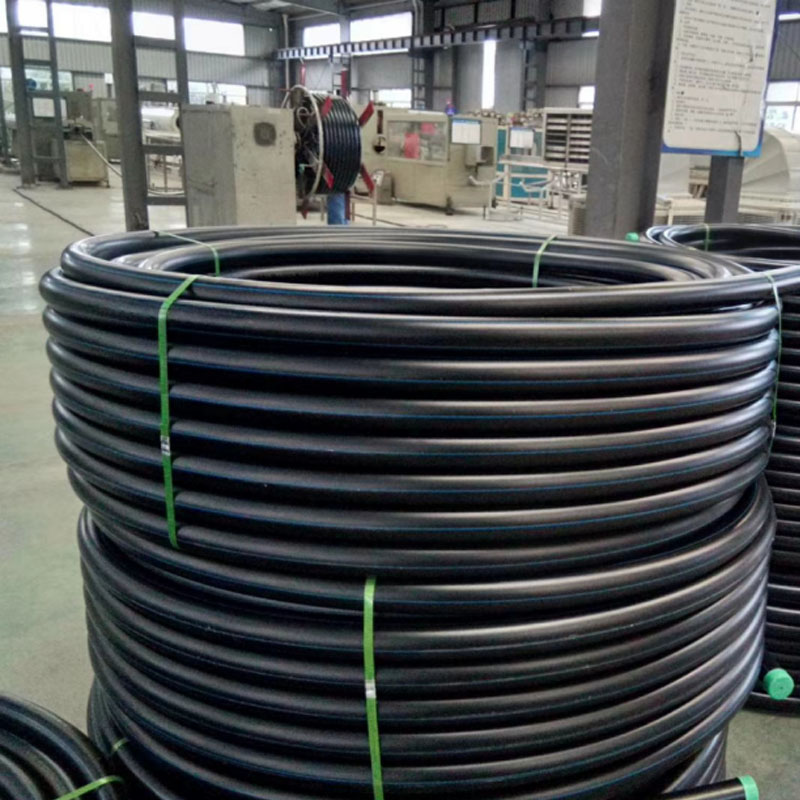
Discount PVC downpipes are typically manufactured from rigid PVC compounds, primarily Polyvinyl Chloride resin blended with plasticizers, stabilizers, lubricants, and pigments. The PVC resin itself is a thermoplastic polymer produced by the polymerization of vinyl chloride monomer. The choice of plasticizers – often phthalates or more recently, bio-based alternatives – significantly impacts the flexibility and impact resistance of the final product. Stabilizers, such as tin-based compounds or calcium-zinc stabilizers, are critical to preventing thermal degradation during processing and extending the service life of the downpipe by mitigating UV-induced chain scission. The manufacturing process generally involves extrusion. PVC granules are fed into an extruder, heated to a plastic state, and forced through a die shaped to the desired downpipe profile. Key parameters requiring control include extrusion temperature (typically 180-220°C), screw speed, and die geometry to ensure dimensional accuracy and uniform wall thickness. Cooling is achieved via water baths, and the pipe is subsequently cut to length. The chemical compatibility of the PVC compound with common building materials and environmental factors (e.g., soil pH) is crucial to prevent corrosion or leaching, a frequent concern in long-term installations. The molecular weight distribution of the PVC resin dictates impact resistance, with broader distributions typically indicating higher toughness.
Performance & Engineering
The performance of a PVC downpipe is governed by hydraulic principles and structural mechanics. Flow capacity is determined by the pipe’s internal diameter and surface roughness, impacting water conveyance rates during rainfall events. Force analysis must account for hydrostatic pressure from water accumulation, wind loads, and potential impact forces from debris or accidental damage. PVC downpipes, while relatively lightweight, require adequate support at regular intervals to prevent bending and sagging, particularly with longer runs. Environmental resistance is a key engineering consideration; prolonged UV exposure can lead to embrittlement and discoloration, necessitating the incorporation of UV stabilizers into the PVC compound. Compliance with local building codes and drainage regulations is paramount, often specifying minimum pipe diameters, slope requirements, and connection standards. The thermal expansion coefficient of PVC (approximately 8 x 10^-5 /°C) must be considered during installation, allowing for sufficient expansion gaps to prevent stress build-up and potential cracking. Joints and connections, typically utilizing solvent welding or mechanical fittings, represent critical points of failure and require careful installation to ensure watertight seals. Downpipe systems must also be designed to prevent backflow and overflow during exceptionally heavy rainfall.
Technical Specifications
| Parameter | Typical Value (Discount PVC) | Standard Test Method | Industry Benchmark |
|---|---|---|---|
| Nominal Diameter (in) | 3, 4, 5, 6 | ASTM D1785 | 3-12 |
| Wall Thickness (mm) | 2.0 – 3.5 | ASTM D2467 | 2.0 – 4.0 |
| Impact Strength (Izod Notched, ft-lb/in) | 6 – 12 | ASTM D256 | 8 – 15 |
| Tensile Strength (psi) | 5,000 – 7,000 | ASTM D638 | 5,800 - 8,000 |
| Flexural Modulus (psi) | 300,000 – 400,000 | ASTM D790 | 350,000 – 500,000 |
| Water Absorption (% by weight, 24hr) | < 0.5 | ASTM D570 | < 0.5 |
Failure Mode & Maintenance
Discount PVC downpipes are susceptible to several failure modes. UV degradation is a common issue, leading to surface cracking and embrittlement over time. Impact damage, particularly from falling branches or hail, can cause fractures or punctures. Fatigue cracking can occur at connection points due to repeated thermal expansion and contraction cycles, or from sustained vibration. Chemical attack from aggressive soil conditions or cleaning agents can result in material degradation. Delamination may occur in lower quality pipes where the PVC compound is not adequately mixed or bonded. Oxidation, particularly in compounds with insufficient stabilizers, can lead to discoloration and loss of mechanical properties. Maintenance primarily involves regular inspection for cracks, leaks, and obstructions. Cleaning should be performed with mild detergents and water, avoiding abrasive cleaners that can damage the surface. Damaged sections should be replaced entirely, utilizing appropriate solvent welding techniques or mechanical fittings. Preventative measures include shielding downpipes from direct sunlight where possible, ensuring adequate support to minimize stress, and properly sealing all joints and connections. Regularly clearing gutters and downpipes of debris prevents overflow and reduces hydrostatic pressure on the system.
Industry FAQ
Q: What is the expected lifespan of a discount PVC downpipe compared to higher-grade alternatives?
A: Discount PVC downpipes typically have a lifespan of 10-15 years under normal conditions, whereas higher-grade PVC with enhanced UV stabilizers and impact modifiers can last 20-30 years or longer. The difference stems from the concentration and quality of additives used in the PVC compound and the precision of the manufacturing process.
Q: How does temperature affect the performance and longevity of a PVC downpipe?
A: PVC expands and contracts with temperature changes. While a certain degree of flexibility is inherent, excessive thermal stress can lead to cracking, particularly at joints. Extreme heat accelerates UV degradation, while freezing temperatures can cause the pipe to become brittle and susceptible to impact damage. Proper installation with adequate expansion gaps is crucial.
Q: What type of solvent cement is recommended for joining discount PVC downpipe sections?
A: A solvent cement specifically formulated for PVC, conforming to ASTM D2321, is required. The cement should be compatible with the PVC compound used in the downpipe. Always follow the manufacturer's instructions regarding application temperature and curing time to ensure a strong, watertight bond.
Q: Are discount PVC downpipes suitable for hot water drainage?
A: No. PVC has a relatively low temperature resistance. Discharging hot water (above 140°F / 60°C) can cause the pipe to soften, deform, and potentially fail. PVC downpipes are designed for cold water drainage only.
Q: How does the color of a PVC downpipe affect its UV resistance?
A: Darker colors generally absorb more UV radiation, leading to faster degradation. Lighter colors, particularly white, reflect more UV radiation, offering better long-term resistance. However, the effectiveness of UV resistance is primarily determined by the concentration and type of UV stabilizers added to the PVC compound, regardless of color.
Conclusion
Discount PVC downpipes offer a cost-effective solution for rainwater drainage, balancing affordability with functional performance. Their manufacturing process, relying on PVC extrusion and compounding, demands stringent parameter control to ensure consistent quality and longevity. While susceptible to failure modes such as UV degradation, impact damage, and thermal stress, these can be mitigated through proper material selection, careful installation practices, and regular maintenance.
Procurement decisions regarding discount PVC downpipes should not solely focus on initial cost but also consider long-term performance, compliance with relevant standards, and potential life-cycle costs associated with maintenance and replacement. A comprehensive understanding of the material properties, manufacturing processes, and potential failure mechanisms is essential for ensuring a reliable and durable drainage system.
-
DN25 HDPE Compression Fitting-HORON INTERNATIONAL|Reliable Irrigation Solutions
NewsFeb.11,2026
-
discount ppr pipe for chilled water system Performance Analysis
News2026-06-28
-
discount ppr plumbing pipe Performance Analysis
News2026-06-28
-
discount yellow pvc pipe Technical Analysis
News2026-06-28
-
discount pvc down pipe Performance Analysis
News2026-06-28
-
discount ppr pipes Performance Analysis
News2026-06-28
-
discount hdpe pipe coupling Performance Analysis
News2026-06-27
-
discount kitchen sink water lines Performance Analysis
News2026-06-27
-
discount dn25 hdpe Performance Analysis
News2026-06-27
-
discount hdpe sprinkler coupler Performance Analysis
News2026-06-27
-
discount black pvc pipe for sale Performance Analysis
News2026-06-27
-
discount 40mm pvc pipe Performance Analysis
News2026-06-26
-
discount hdpe to pvc connection Performance Analysis
News2026-06-26
-
discount ppr pipe 1 price Technical Analysis
News2026-06-26
-
discount colored pvc pipe Material Science and Manufacturing
News2026-06-26
-
discount hdpe pipe price list pdf Performance and Engineering
News2026-06-26