

Feb . 11, 2026 00:01 Back to list
discount whole sale pvc pipe Performance Analysis
Introduction
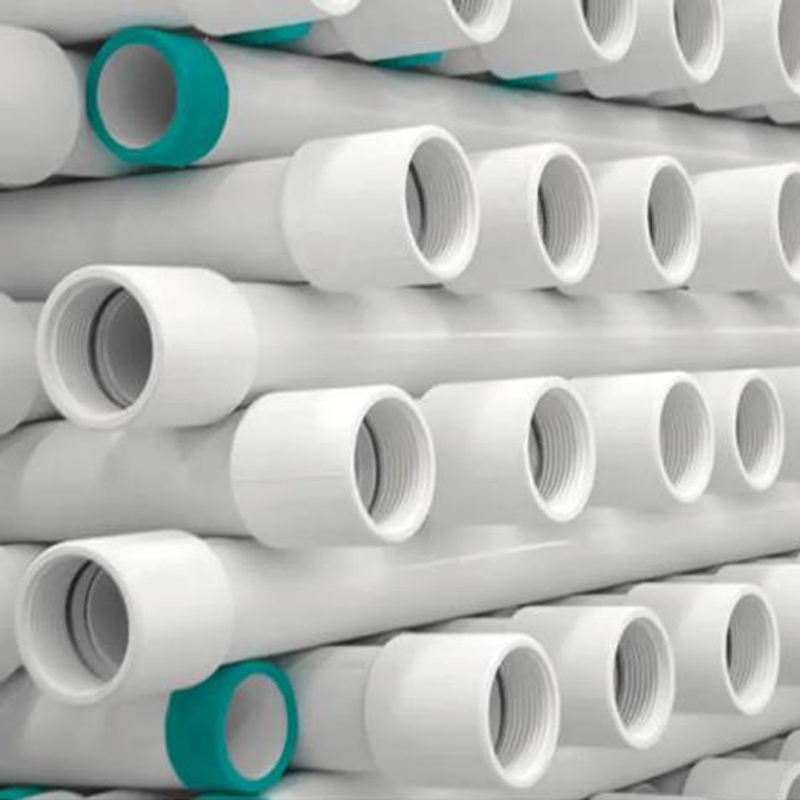
Polyvinyl Chloride (PVC) pipe, particularly in discounted wholesale quantities, represents a fundamental material in modern infrastructure and industrial fluid handling. It occupies a critical position in the supply chain, bridging petrochemical production with end-use applications ranging from potable water distribution and irrigation to chemical processing and drainage systems. This guide details the technical aspects of discount wholesale PVC pipe, focusing on its material composition, manufacturing processes, performance characteristics, potential failure modes, and relevant industry standards. The prevalence of PVC is driven by its cost-effectiveness, durability, and relatively simple installation procedures; however, achieving consistent performance and long-term reliability requires a thorough understanding of its limitations and proper application guidelines. The "discount wholesale" designation necessitates particularly stringent quality control measures, as variations in resin formulation and manufacturing can significantly impact performance. This document aims to provide a comprehensive technical assessment for procurement professionals, engineers, and maintenance personnel involved with PVC piping systems.
Material Science & Manufacturing
PVC is a thermoplastic polymer synthesized from the polymerization of vinyl chloride monomer (VCM). The raw material for PVC pipe is typically a suspension PVC (S-PVC) resin, characterized by particle size distribution and porosity influencing processing characteristics. Additives are crucial for tailoring PVC's properties. Common plasticizers, such as phthalates or increasingly, bio-based alternatives, enhance flexibility and impact resistance. Stabilizers, primarily metal-based compounds (calcium-zinc or lead-based, though the latter is increasingly restricted due to environmental concerns), prevent thermal degradation during processing and extend service life. Lubricants facilitate extrusion and reduce friction, while impact modifiers, like chlorinated polyethylene (CPE), improve toughness. The manufacturing process typically involves extrusion. PVC resin and additives are thoroughly mixed and fed into a single-screw or twin-screw extruder. The extruder heats the mixture, melting the PVC and forcing it through a die to form the desired pipe dimensions. Key parameters controlling extrusion quality include die temperature (typically 180-210°C), screw speed, haul-off speed, and cooling rate. Proper calibration and sizing are critical to achieve dimensional accuracy and prevent warping. The resulting pipe is then cut to length and undergoes quality control inspection, including hydrostatic pressure testing and dimensional checks. The grade of PVC resin (Schedule 40, Schedule 80, etc.) significantly impacts wall thickness and pressure-bearing capability. Recycled PVC content, if present, must be carefully managed to maintain consistent material properties.
Performance & Engineering
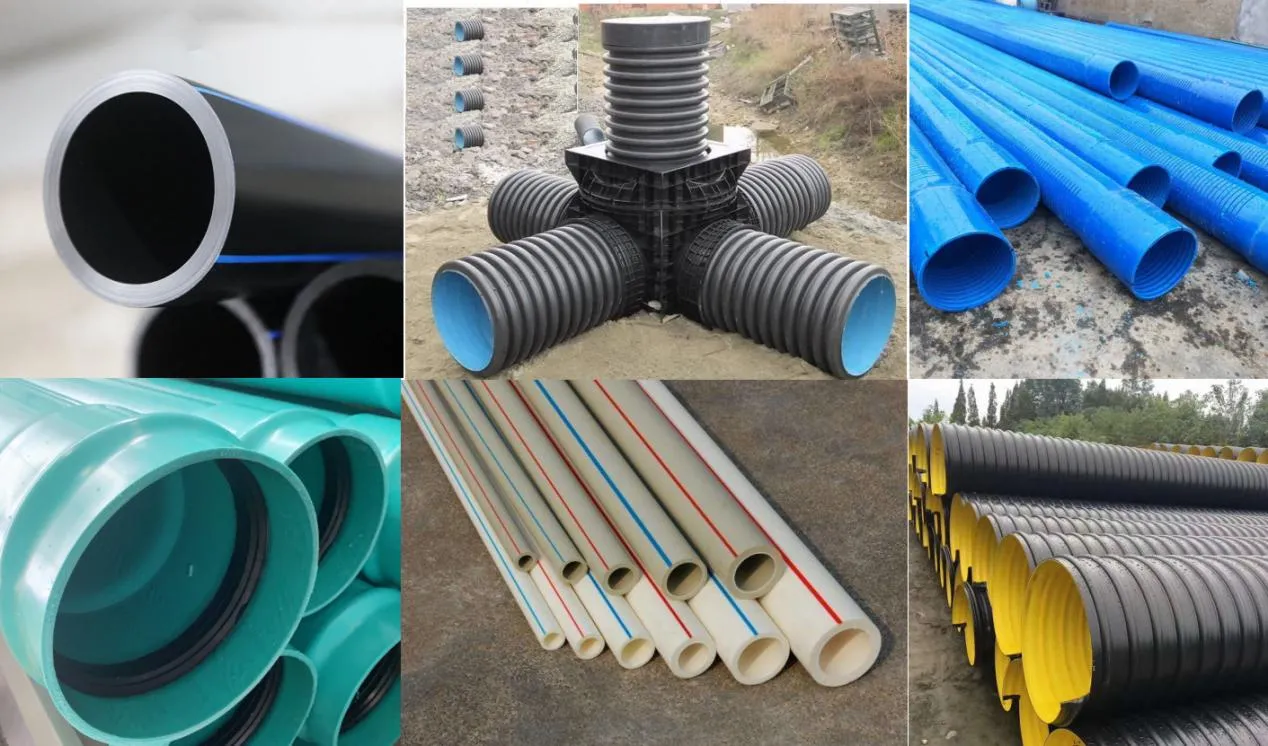
The performance of PVC pipe is governed by several key engineering principles. Tensile strength, typically ranging from 55-70 MPa for rigid PVC, determines its resistance to bursting under internal pressure. Its modulus of elasticity (around 3-4 GPa) influences its stiffness and resistance to deformation. Hydrostatic pressure testing, conforming to ASTM D1597 or equivalent standards, verifies the pipe's ability to withstand internal pressure without failure. PVC exhibits limited ductility, meaning it is prone to brittle fracture under tensile stress, particularly at low temperatures. The chemical resistance of PVC is excellent against a wide range of acids, bases, and salts, but it can be attacked by certain organic solvents and aromatic hydrocarbons. Long-term creep, the gradual deformation under sustained stress, is a critical consideration in pressure applications; it is mitigated by proper material selection and support spacing. The thermal expansion coefficient of PVC (around 8 x 10⁻⁵ /°C) necessitates provisions for expansion and contraction in piping systems to prevent stress build-up. UV degradation is a significant concern for exposed applications; UV stabilizers are incorporated into the formulation to minimize this effect. The discount wholesale market often sees variances in stabilizer content, impacting long-term UV resistance. Soil loading capacity, when buried, must be considered, adhering to appropriate backfill compaction and pipe bedding guidelines. Furthermore, solvent welding, the common joining method for PVC pipe, relies on chemical bonding between the PVC resin and the solvent cement; proper surface preparation and application technique are vital for creating leak-proof joints.
Technical Specifications
| Parameter | Schedule 40 (Typical) | Schedule 80 (Typical) | ASTM D1785 Specification |
|---|---|---|---|
| Material | PVC (Polyvinyl Chloride) | PVC (Polyvinyl Chloride) | PVC Compound |
| Tensile Strength (MPa) | 62-69 | 65-75 | Minimum 55 |
| Impact Strength (Izod Notched, J/m) | 400-600 | 600-800 | Minimum 27 |
| Hydrostatic Pressure (MPa @ 23°C) | 2.4 | 3.5 | Dependent on size and Schedule |
| Operating Temperature (°C) | 0-60 | 0-60 | Up to 60°C (limited by pressure de-rating) |
| Chemical Resistance | Excellent to most acids, bases, and salts | Excellent to most acids, bases, and salts | Refer to chemical resistance charts |
Failure Mode & Maintenance
PVC pipe failures can stem from several sources. Brittle fracture, particularly in cold climates or due to impact damage, is a common mode of failure. Long-term creep, under sustained pressure, can lead to slow deformation and eventual rupture. Chemical attack, from incompatible solvents or aggressive chemicals, can cause degradation and weakening of the pipe wall. UV degradation, especially in exposed applications, can lead to embrittlement and cracking. Joint failures are frequent, often attributed to improper solvent welding techniques, inadequate surface preparation, or material incompatibility. Gasket failures, in gasketed joints, can result from deterioration of the gasket material or improper installation. External loading, from heavy traffic or soil settlement, can cause crushing or cracking. Regular inspection is crucial for preventative maintenance. Visually inspect pipes for cracks, deformation, or discoloration. Conduct hydrostatic pressure testing to verify system integrity. Ensure proper support and bedding to prevent external loading failures. Periodically check solvent-welded joints for leaks. For chemically exposed systems, verify the compatibility of the PVC material with the conveyed fluid. In areas with severe temperature fluctuations, assess the adequacy of expansion and contraction provisions. Repair minor cracks with appropriate PVC repair compounds; replace severely damaged sections of pipe.
Industry FAQ
Q: What is the impact of recycled PVC content on pipe performance?
A: The impact of recycled PVC content depends on the quality and source of the recycled material. Properly processed and controlled recycled PVC can maintain acceptable performance characteristics. However, inconsistent quality or contamination in the recycled stream can lead to reduced tensile strength, impact resistance, and UV stability. Discount wholesale PVC may have higher recycled content, necessitating careful scrutiny of quality certifications and testing reports.
Q: How does temperature affect the pressure rating of PVC pipe?
A: Increasing temperature reduces the pressure-bearing capacity of PVC pipe. As temperature rises, the material becomes softer and more susceptible to creep. Pressure ratings specified in ASTM D1785 are typically based on testing at 23°C. De-rating factors must be applied at higher temperatures to ensure safe operation. Consult manufacturer's data sheets for specific de-rating curves.
Q: What are the common causes of leaks at solvent-welded joints?
A: Common causes include inadequate surface preparation (failure to clean and abrade the pipe and fitting surfaces), improper application of solvent cement (too little or too much), insufficient dwelling time for the solvent to evaporate, and using incompatible solvent cement formulations. Ensuring proper technique, appropriate cement selection, and adequate ventilation during the welding process is crucial.
Q: How can UV degradation be minimized in exposed PVC piping systems?
A: UV stabilizers are added to PVC formulations to mitigate UV degradation. Using pipe with a high concentration of UV stabilizers, painting the pipe with a reflective coating, or shielding the pipe from direct sunlight can significantly extend its service life. Regular inspection for signs of embrittlement or cracking is also essential.
Q: What is the difference between Schedule 40 and Schedule 80 PVC pipe?
A: Schedule 40 and Schedule 80 refer to the pipe's wall thickness. Schedule 80 pipe has a thicker wall than Schedule 40 pipe, resulting in higher pressure-bearing capacity and greater rigidity. Schedule 80 is typically used in more demanding applications, such as high-pressure systems or where greater mechanical strength is required.
Conclusion
Discount wholesale PVC pipe offers a cost-effective and versatile solution for a wide range of fluid handling applications. However, its performance is heavily reliant on material quality, manufacturing processes, proper installation, and ongoing maintenance. Understanding the material science principles governing PVC behavior, including its susceptibility to temperature, UV degradation, and chemical attack, is paramount for ensuring long-term reliability. Careful consideration of these factors, along with adherence to relevant industry standards, is crucial for mitigating potential failure modes and maximizing the service life of PVC piping systems.
Procurement of discount wholesale PVC requires heightened diligence regarding quality control. Detailed specification reviews, material certifications, and hydrostatic testing results are essential to verify conformance to acceptable performance standards. Investing in proper installation training for personnel and implementing a proactive maintenance program will further safeguard system integrity. Continued research into alternative plasticizers and stabilizers will contribute to the development of more sustainable and durable PVC formulations.
-
DN25 HDPE Compression Fitting-HORON INTERNATIONAL|Reliable Irrigation Solutions
NewsFeb.11,2026
-
hdpe coupling joint product Manufacturing Analysis
News2026-11-18
-
ppr pipe heating time products Performance Analysis
News2026-11-16
-
hdpe pipe sizes factory Performance Analysis
News2026-11-09
-
HDPE Pipe Sizes Service Performance Analysis
News2026-10-26
-
wholesale 15mm ppr pipe Material Science and Performance Analysis
News2026-10-20
-
wholesale pvc pipe price per foot Technical Analysis
News2026-09-21
-
wholesale long pvc pipe Technical Analysis and Manufacturing Specifications
News2026-09-15
-
wholesale plumbing kitchen sink water lines Material Performance
News2026-09-15
-
wholesale hdpe drip irrigation Material Science
News2026-09-15
-
wholesale hot water ppr pipe Performance Analysis
News2026-09-15
-
wholesale ppr plumbing Performance Analysis
News2026-09-15
-
wholesale ppr pipe supplier Performance Analysis
News2026-09-13
-
wholesale 50mm ppr pipe Performance Analysis
News2026-09-13
-
wholesale hdpe drip pipe Performance Analysis
News2026-09-13
-
wholesale hdpe pipe 63mm price Manufacturing Specification and Performance Analysis
News2026-09-13