

Feb . 11, 2026 00:01 Back to list
discount white pvc pipe Performance Analysis
Introduction
Polyvinyl chloride (PVC) pipe, particularly in its cost-effective “discount white” formulation, represents a foundational element in modern fluid conveyance systems. Positioned within the construction and infrastructure supply chain, it serves as a ubiquitous alternative to metallic piping in applications ranging from potable water distribution and irrigation to drainage, venting, and electrical conduit. This technical guide provides an in-depth examination of discount white PVC pipe, focusing on its material science, manufacturing processes, performance characteristics, potential failure modes, and relevant industry standards. The ‘discount’ designation typically signifies a product optimized for cost-sensitivity, often involving adjustments in resin formulation or manufacturing tolerances compared to premium-grade PVC. Core performance attributes include corrosion resistance, low friction loss, ease of installation, and a relatively low material cost, making it a dominant choice for many non-critical applications. Understanding the trade-offs inherent in this cost optimization is critical for effective and reliable system design.
Material Science & Manufacturing
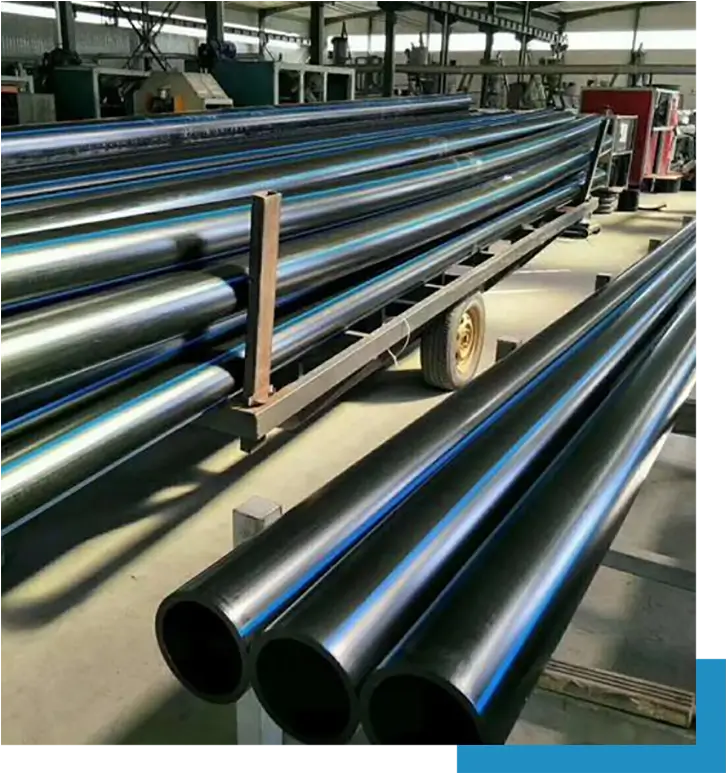
Discount white PVC pipe is primarily composed of Polyvinyl Chloride resin, typically sourced as Suspension PVC (S-PVC). The resin itself is a thermoplastic polymer formed through the polymerization of vinyl chloride monomer (VCM). The ‘white’ pigmentation is achieved through the incorporation of titanium dioxide (TiO2), which serves as an opacifier and UV stabilizer, though the concentration may be lower in discount formulations. Plasticizers, primarily phthalates or increasingly, alternatives like DINCH, are added to enhance flexibility and impact resistance. Other key additives include heat stabilizers (typically metal-based, such as calcium-zinc stabilizers or lead stabilizers, although lead is becoming increasingly restricted due to environmental concerns), lubricants (to aid processing), and processing aids. The specific formulation significantly impacts the final pipe properties. Manufacturing generally follows the extrusion process. PVC resin, along with additives, is fed into a hopper and conveyed to an extruder. Within the extruder, the mixture is heated and homogenized, undergoing plasticization as the PVC softens. The molten PVC is then forced through a die to form the desired pipe diameter and wall thickness. Critical parameters during extrusion include screw speed, barrel temperature profile (typically ranging from 160-200°C depending on the formulation), die temperature, and haul-off speed. Maintaining consistent temperatures and precise dimensional control is vital to ensure uniform pipe quality. Cooling is typically achieved through water baths, followed by dimensional stabilization and cutting to specified lengths. Quality control measures include hydrostatic pressure testing (as per ASTM D1785) and dimensional checks throughout the process. Variations in material composition and extrusion parameters directly affect the impact strength, tensile strength, and long-term hydrostatic strength of the final product.
Performance & Engineering
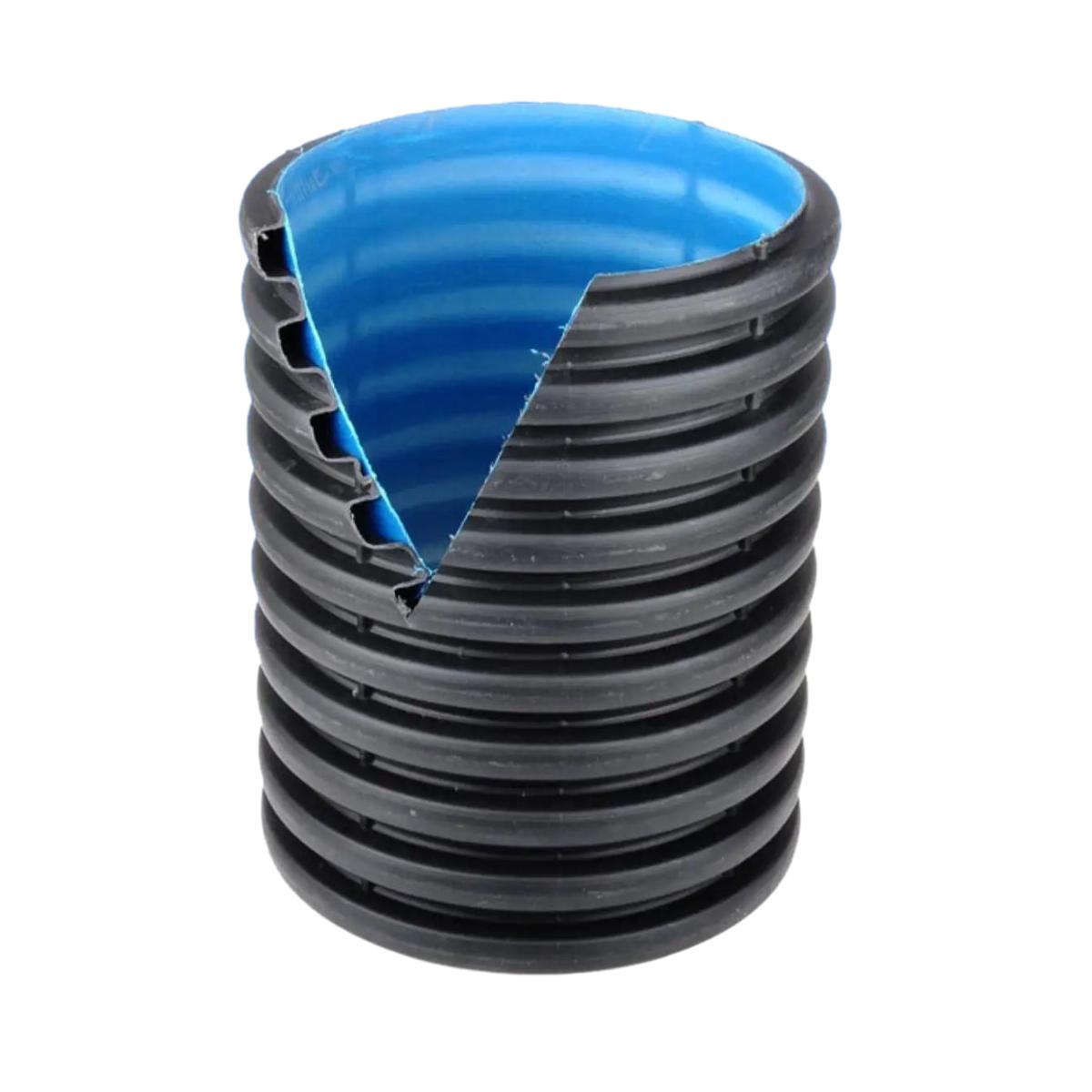
The engineering performance of discount white PVC pipe is dictated by its mechanical properties and resistance to environmental factors. A key consideration is its pressure-bearing capacity, which is determined by its Schedule number (e.g., Schedule 40, Schedule 80). Higher Schedule numbers denote thicker walls and therefore higher pressure ratings. The material exhibits excellent resistance to a wide range of chemicals, including acids, bases, and salts, making it suitable for various industrial and agricultural applications. However, prolonged exposure to certain solvents, particularly aromatic hydrocarbons and ketones, can cause swelling and degradation. The tensile strength of PVC typically ranges from 50-70 MPa, while its yield strength is around 30-50 MPa. The pipe's impact resistance, particularly at lower temperatures, is a critical factor. The Charpy impact strength is often specified in product datasheets. The thermal expansion coefficient of PVC is relatively high (approximately 8 x 10⁻⁵ /°C), necessitating allowance for expansion and contraction in long pipe runs to prevent stress cracking. The material's resistance to ultraviolet (UV) degradation is limited, particularly in discount formulations with lower TiO2 content. Long-term outdoor exposure can lead to embrittlement and surface cracking. Force analysis in pipeline design must account for hydrostatic pressure, soil loading (if buried), and potential surge pressures. Compliance requirements vary by application and region, typically governed by plumbing codes and relevant industry standards. Joints are typically formed using solvent cement welding, creating a chemically bonded, leak-proof seal. Proper solvent cement application and curing are essential to achieve the specified joint strength.
Technical Specifications
| Parameter | Schedule 40 (Nominal) | Schedule 80 (Nominal) | ASTM D1785 Pressure Rating (psi) |
|---|---|---|---|
| Material | PVC (S-PVC) | PVC (S-PVC) | PVC Compound |
| Color | White | White | Opaque |
| Tensile Strength (MPa) | 55-65 | 60-70 | N/A |
| Impact Strength (Charpy, kJ/m²) | 5-8 (at 23°C) | 8-12 (at 23°C) | N/A |
| Water Absorption (%) | <0.1 | <0.1 | N/A |
| Operating Temperature Range (°C) | 0-60 | 0-60 | N/A |
Failure Mode & Maintenance
Discount white PVC pipe is susceptible to several failure modes. One common issue is brittle fracture, particularly at low temperatures or when subjected to impact loads. This is exacerbated by reduced plasticizer content in discount formulations. Long-term exposure to UV radiation causes chain scission and embrittlement, leading to surface cracking and eventual failure. Chemical attack from incompatible solvents can cause swelling, softening, and loss of mechanical properties. Hydrostatic stress cracking can occur due to sustained pressure combined with environmental stress, particularly in the presence of residual stresses from manufacturing. Improper solvent cement welding is a frequent cause of joint failure, resulting in leaks. This can be due to insufficient cement application, improper curing, or contamination of the joint surfaces. Delamination can occur in the pipe wall due to inadequate mixing of ingredients during extrusion. Maintenance primarily involves visual inspection for cracks, leaks, and signs of degradation. Regular cleaning to remove debris and contaminants is recommended. For buried pipelines, periodic cathodic protection surveys may be necessary to prevent corrosion of metallic components in the system. Damaged sections should be replaced using proper cutting and solvent cement welding techniques. Preventative measures include using appropriate UV stabilizers, avoiding exposure to incompatible chemicals, and ensuring proper installation procedures are followed. Failure analysis should include material testing to determine the root cause of the failure, such as impact testing, tensile testing, and chemical resistance testing.
Industry FAQ
Q: What is the primary difference between Schedule 40 and Schedule 80 PVC pipe, and when should each be used?
A: Schedule 40 and Schedule 80 refer to the pipe's wall thickness. Schedule 80 has a thicker wall, resulting in a higher pressure rating and greater resistance to impact. Schedule 40 is generally sufficient for lower-pressure applications such as irrigation and drainage, while Schedule 80 is preferred for higher-pressure systems, chemical processing, and applications requiring enhanced durability.
Q: How does temperature affect the performance of discount white PVC pipe?
A: PVC becomes more brittle at lower temperatures, increasing the risk of fracture. Higher temperatures can reduce the pipe's strength and stiffness. The typical operating temperature range for PVC is 0-60°C. Exceeding these limits can compromise the pipe's structural integrity.
Q: What solvents are incompatible with PVC pipe, and what are the consequences of exposure?
A: Aromatic hydrocarbons (benzene, toluene, xylene), ketones (acetone, methyl ethyl ketone), and chlorinated solvents are generally incompatible with PVC. Exposure can cause swelling, softening, cracking, and a loss of mechanical properties. Consult a chemical resistance chart for specific compatibility information.
Q: What are the critical steps for ensuring a proper solvent cement weld?
A: Proper solvent cement welding requires clean, dry joint surfaces. Apply the primer first to soften the PVC, then apply the cement evenly and quickly. Immediately assemble the joint, ensuring full engagement. Hold the joint firmly for the recommended curing time (typically 15-30 seconds) to allow the solvent to evaporate and the weld to set.
Q: How can I mitigate the effects of UV degradation on outdoor PVC pipe installations?
A: Utilize PVC pipe with a higher TiO2 content for increased UV resistance. Consider painting the pipe with a reflective coating or shielding it from direct sunlight. Regularly inspect the pipe for signs of cracking or embrittlement and replace damaged sections promptly.
Conclusion
Discount white PVC pipe represents a cost-effective solution for a broad spectrum of fluid conveyance applications. Its inherent corrosion resistance, ease of installation, and low friction loss contribute to its widespread adoption. However, users must acknowledge the trade-offs associated with cost optimization, including potentially reduced impact resistance, lower UV stability, and increased susceptibility to certain chemicals. A thorough understanding of the material’s properties, manufacturing processes, and potential failure modes is crucial for ensuring long-term system reliability.
Selecting the appropriate Schedule number, employing proper installation techniques (particularly solvent cement welding), and implementing preventative maintenance measures are all essential to maximizing the service life of discount white PVC pipe. Continuous advancements in PVC resin technology and additive formulations are further enhancing the performance and durability of these systems. Ongoing adherence to relevant industry standards and best practices remains paramount for responsible and sustainable infrastructure development.
-
DN25 HDPE Compression Fitting-HORON INTERNATIONAL|Reliable Irrigation Solutions
NewsFeb.11,2026
-
hdpe coupling joint product Manufacturing Analysis
News2026-11-18
-
ppr pipe heating time products Performance Analysis
News2026-11-16
-
hdpe pipe sizes factory Performance Analysis
News2026-11-09
-
HDPE Pipe Sizes Service Performance Analysis
News2026-10-26
-
wholesale 15mm ppr pipe Material Science and Performance Analysis
News2026-10-20
-
wholesale pvc pipe price per foot Technical Analysis
News2026-09-21
-
wholesale long pvc pipe Technical Analysis and Manufacturing Specifications
News2026-09-15
-
wholesale plumbing kitchen sink water lines Material Performance
News2026-09-15
-
wholesale hdpe drip irrigation Material Science
News2026-09-15
-
wholesale hot water ppr pipe Performance Analysis
News2026-09-15
-
wholesale ppr plumbing Performance Analysis
News2026-09-15
-
wholesale ppr pipe supplier Performance Analysis
News2026-09-13
-
wholesale 50mm ppr pipe Performance Analysis
News2026-09-13
-
wholesale hdpe drip pipe Performance Analysis
News2026-09-13
-
wholesale hdpe pipe 63mm price Manufacturing Specification and Performance Analysis
News2026-09-13