

Feb . 11, 2026 00:01 Back to list
discount wet pipes under sink Performance Analysis
Introduction
Discount wet pipes, specifically those designed for under-sink applications, represent a critical component within residential and commercial plumbing systems. These pipes facilitate the drainage of wastewater from sinks, connecting the sink basin to the broader plumbing network. The economic accessibility of “discount” models necessitates a careful consideration of material composition, manufacturing quality, and long-term performance to ensure compliance with plumbing codes and prevent costly failures. This guide provides a detailed technical overview of these systems, covering material science, manufacturing processes, performance characteristics, potential failure modes, and relevant industry standards. Their position in the plumbing chain is immediately post-sink basin, preceding P-traps and the drain-waste-vent (DWV) system. Core performance criteria include leak-proof operation, resistance to chemical degradation from typical household cleaning agents, and sustained structural integrity under standard operating pressures and temperatures.
Material Science & Manufacturing
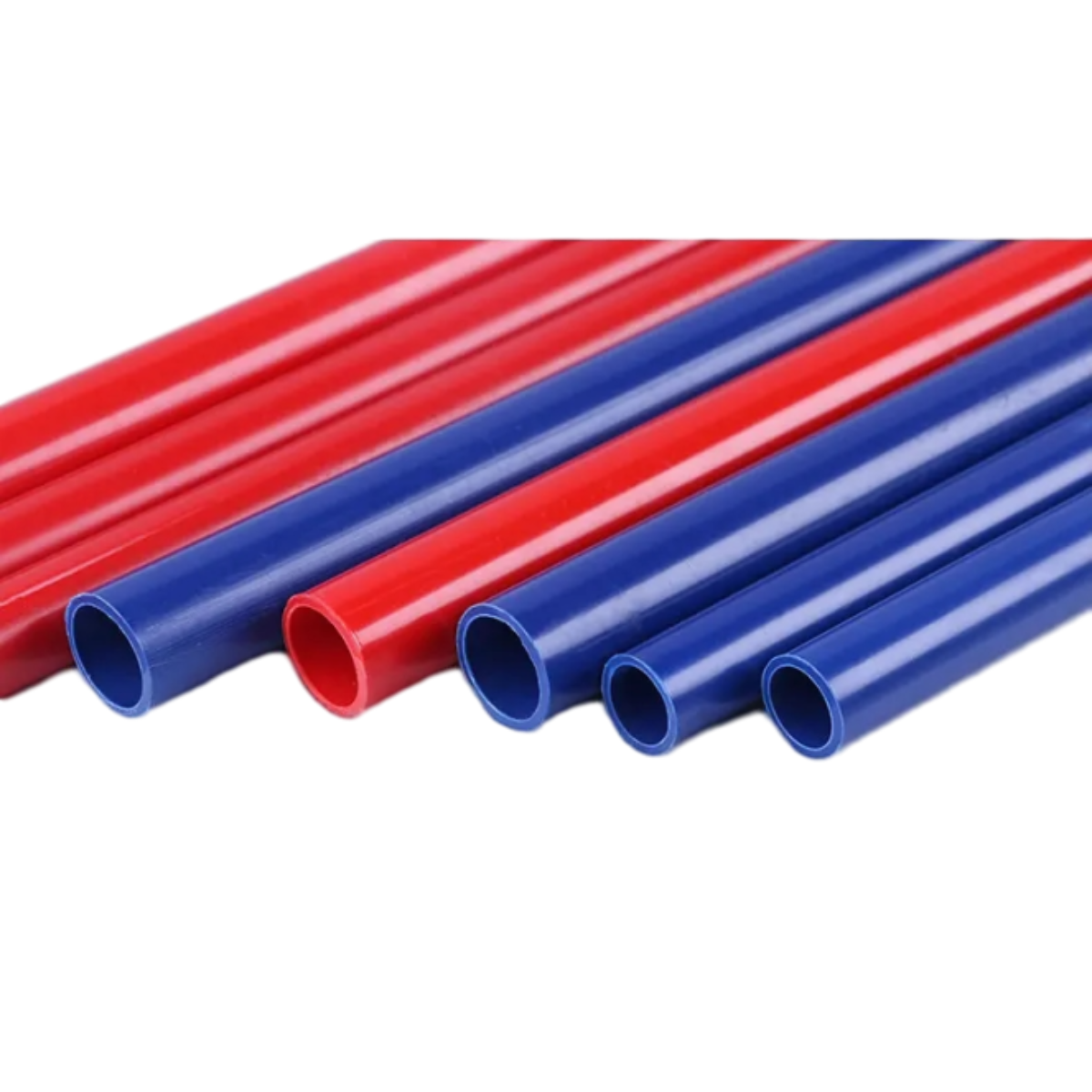
The dominant material for discount wet pipes is Polyvinyl Chloride (PVC). PVC’s popularity stems from its cost-effectiveness, ease of manufacturing, and inherent corrosion resistance. The specific PVC compound used often dictates performance characteristics. Schedule 40 PVC is the most common formulation, providing a balance of strength and cost. The raw material, ethylene dichloride and vinyl chloride monomer, undergoes polymerization to create PVC resin. Additives are then blended in, including stabilizers (typically calcium-zinc or lead-based – although lead is increasingly restricted due to health concerns), plasticizers (to increase flexibility), and lubricants (to aid processing). Manufacturing typically involves extrusion. PVC resin and additives are fed into an extruder, where they are heated and mixed, then forced through a die to form the pipe’s cylindrical shape. Critical process parameters include extrusion temperature (typically between 180-210°C), die geometry, and cooling rate. Improper cooling can lead to warping or internal stresses. Jointing methods for these pipes generally involve solvent cementing. The solvent cement chemically welds the PVC surfaces, creating a watertight seal. The cement contains PVC resin and a solvent (tetrahydrofuran or methyl ethyl ketone), which dissolves the surface of the pipe, allowing the resins to intermingle. Proper cement application (temperature, pressure, dwell time) is paramount for joint integrity. Alternative joining methods, like compression fittings, are also used, though less common in discount systems due to increased cost. Polypropylene (PP) is gaining traction as a more environmentally friendly and durable alternative, but currently, commands a higher price point.
Performance & Engineering
The performance of under-sink wet pipes is governed by several engineering principles. Hydrostatic pressure testing is fundamental, ensuring the pipe can withstand the maximum anticipated water pressure within the system (typically 80-125 psi). Force analysis reveals that stress concentrations occur at joints and fittings, making proper solvent cementing or fitting installation crucial. Environmental resistance is also key. Exposure to hot water (up to 60°C/140°F) can cause PVC to soften and potentially deform over prolonged periods, impacting flow rate and potentially leading to leaks. Chemical resistance is vital, as household cleaning agents (bleach, drain cleaners) can degrade PVC. The rate of degradation depends on the concentration and duration of exposure. Compliance requirements are dictated by local plumbing codes, which often reference standards like ASTM D2661 (for PVC pipe), ASTM D3135 (for fittings), and Uniform Plumbing Code (UPC) or International Plumbing Code (IPC). Drainage flow rate is influenced by pipe diameter, slope (a minimum slope of ¼ inch per foot is generally required), and the internal roughness of the pipe. Larger diameters and smoother interiors reduce flow resistance. Proper venting of the drainage system is essential to prevent siphoning and maintain adequate flow. The piping must be adequately supported to prevent sagging and stress on joints.
Technical Specifications
| Parameter | Schedule 40 PVC | Polypropylene (PP) | ABS (Acrylonitrile Butadiene Styrene) |
|---|---|---|---|
| Material | Polyvinyl Chloride (PVC) | Polypropylene (PP) | Acrylonitrile Butadiene Styrene (ABS) |
| Tensile Strength (psi) | 6,000 - 8,000 | 7,000 - 10,000 | 4,000 - 6,000 |
| Burst Pressure (psi) | 400 - 600 | 500 - 700 | 300 - 500 |
| Operating Temperature (°F) | 32 - 140 | 32 - 180 | 32 - 170 |
| Chemical Resistance | Good (Susceptible to strong solvents) | Excellent (High resistance to chemicals) | Fair (Susceptible to many chemicals) |
| Cost (per foot) | $0.50 - $1.00 | $1.00 - $2.00 | $0.75 - $1.50 |
Failure Mode & Maintenance
Several failure modes are common in under-sink wet pipes. Fatigue cracking can occur at joints due to repeated stress from water hammer or thermal expansion/contraction. Delamination can affect PVC pipe manufactured with insufficient mixing of additives. Degradation from prolonged exposure to harsh chemicals (drain cleaners) leads to embrittlement and eventual cracking. Oxidation, especially in areas exposed to UV light, can also weaken the material. A common failure point is the solvent-cemented joint, which can fail due to improper application, contaminated surfaces, or material incompatibility. Leaks can also arise from physical damage (impacts, punctures). Preventative maintenance includes avoiding the use of excessively harsh chemicals, flushing the pipes regularly to remove debris, and inspecting joints for signs of leakage or cracking. If a leak is detected, the affected section of pipe should be replaced. For solvent-cemented joints, ensure proper surface preparation (cleaning and drying) and use the correct cement type. Consider using PTFE tape on threaded connections to improve sealing. Regular visual inspections can help identify early signs of deterioration before catastrophic failure occurs. Replacing aging pipes proactively (every 10-15 years) can also mitigate risk.
Industry FAQ
Q: What is the difference between Schedule 40 and Schedule 80 PVC pipe, and is Schedule 80 necessary for under-sink applications?
A: Schedule 80 PVC has thicker walls than Schedule 40, resulting in higher pressure resistance and increased structural strength. For typical under-sink drainage applications, Schedule 40 is generally sufficient, as the pressures and temperatures involved are relatively low. Schedule 80 is usually reserved for high-pressure applications or where greater durability is required, such as industrial wastewater systems.
Q: Can I use different types of solvent cement with PVC and CPVC pipes?
A: No. PVC and CPVC (Chlorinated Polyvinyl Chloride) require different types of solvent cement. CPVC cement contains different solvents formulated for the higher chlorine content of CPVC, and using PVC cement on CPVC will result in a weak, unreliable joint. Always verify that the solvent cement is specifically designed for the type of plastic pipe you are working with.
Q: What causes ‘pinhole’ leaks in PVC pipes, and how can they be prevented?
A: Pinhole leaks are typically caused by manufacturing defects, such as voids or inclusions in the PVC material. They can also result from excessive pressure or exposure to aggressive chemicals. Prevention involves purchasing pipes from reputable manufacturers with strict quality control procedures, avoiding over-tightening fittings, and protecting the pipes from harsh chemical exposure.
Q: Is it acceptable to use metal adapters (e.g., brass or chrome) directly connected to PVC pipes without a dielectric union?
A: It’s generally not recommended. Dissimilar metals (like PVC and brass) in contact can lead to galvanic corrosion, where one metal corrodes preferentially. A dielectric union isolates the metals, preventing this corrosion. While short-term functionality might be observed, long-term reliability is compromised without proper isolation.
Q: What are the environmental considerations when disposing of PVC pipe waste?
A: PVC is not readily biodegradable. Disposal should be done in accordance with local regulations. Recycling PVC is becoming increasingly common, but availability varies by location. Incineration of PVC can release harmful gases (dioxins, hydrogen chloride), so it should only be done in properly equipped facilities. Reducing waste through careful material estimation and proper installation techniques is also important.
Conclusion
Discount wet pipes under sinks, predominantly constructed from PVC, represent a balance between cost and functionality. Understanding the material science – particularly the composition and manufacturing of PVC – is critical for assessing long-term reliability. Proper installation techniques, including correct solvent cementing and adequate support, are paramount to prevent common failure modes such as fatigue cracking and joint failure. Adherence to industry standards and local plumbing codes is essential for ensuring safe and compliant installations.
Future developments may focus on increased use of more sustainable materials like polypropylene, coupled with improved manufacturing processes to enhance durability and chemical resistance. Proactive maintenance, including regular inspections and avoidance of harsh chemicals, extends the service life of these systems. By carefully considering these factors, consumers and plumbers can maximize the value and longevity of discount wet pipes, minimizing the risk of costly repairs and water damage.
-
DN25 HDPE Compression Fitting-HORON INTERNATIONAL|Reliable Irrigation Solutions
NewsFeb.11,2026
-
hdpe coupling joint product Manufacturing Analysis
News2026-11-18
-
ppr pipe heating time products Performance Analysis
News2026-11-16
-
hdpe pipe sizes factory Performance Analysis
News2026-11-09
-
HDPE Pipe Sizes Service Performance Analysis
News2026-10-26
-
wholesale 15mm ppr pipe Material Science and Performance Analysis
News2026-10-20
-
wholesale pvc pipe price per foot Technical Analysis
News2026-09-21
-
wholesale long pvc pipe Technical Analysis and Manufacturing Specifications
News2026-09-15
-
wholesale plumbing kitchen sink water lines Material Performance
News2026-09-15
-
wholesale hdpe drip irrigation Material Science
News2026-09-15
-
wholesale hot water ppr pipe Performance Analysis
News2026-09-15
-
wholesale ppr plumbing Performance Analysis
News2026-09-15
-
wholesale ppr pipe supplier Performance Analysis
News2026-09-13
-
wholesale 50mm ppr pipe Performance Analysis
News2026-09-13
-
wholesale hdpe drip pipe Performance Analysis
News2026-09-13
-
wholesale hdpe pipe 63mm price Manufacturing Specification and Performance Analysis
News2026-09-13