

Feb . 11, 2026 00:01 Back to list
discount water supply hdpe pipe Performance Analysis

Introduction
High-Density Polyethylene (HDPE) pipe has become a cornerstone material in water supply infrastructure globally, driven by its cost-effectiveness, durability, and resistance to corrosion. This technical guide provides an in-depth examination of discount water supply HDPE pipe, covering its material science, manufacturing processes, performance characteristics, potential failure modes, and relevant industry standards. HDPE pipe’s position within the water supply chain is critical – replacing traditional materials like ductile iron, steel, and PVC – and its adoption is predicated on a total cost of ownership analysis demonstrating long-term savings through reduced maintenance and extended service life. The “discount” aspect refers to optimized manufacturing processes and material sourcing allowing for competitive pricing without compromising core engineering specifications. Key performance indicators include pressure rating, burst strength, and long-term hydrostatic strength (LHS), which dictate suitability for various applications.
Material Science & Manufacturing
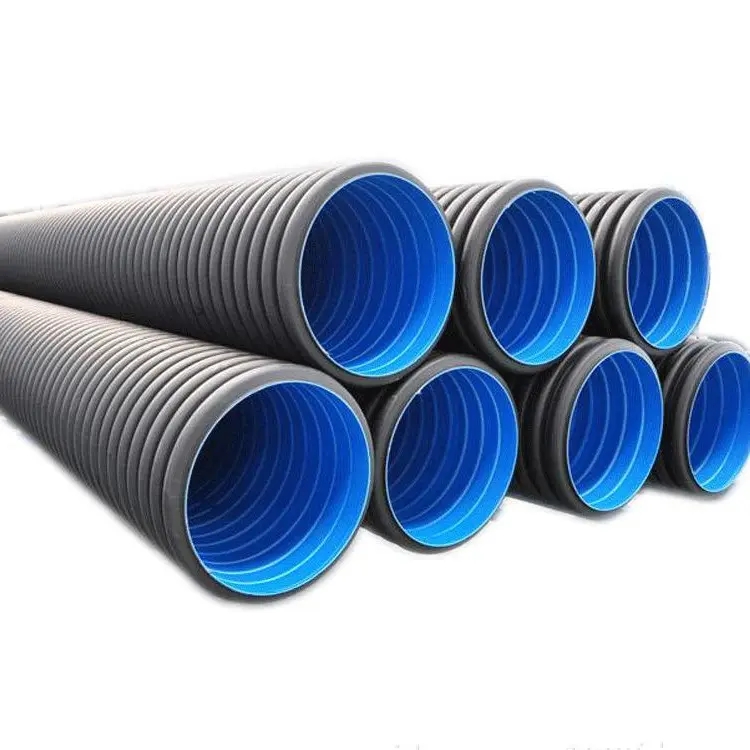
HDPE pipe is manufactured from polyethylene resin, a thermoplastic produced from the polymerization of ethylene. The grade of polyethylene used significantly impacts the pipe's properties. For water supply, HDPE resins with a high molecular weight and density (typically PE100 or PE80) are employed, offering superior strength and crack resistance. Raw materials also include stabilizers (antioxidants, UV stabilizers) and pigments. The manufacturing process predominantly utilizes extrusion. Ethylene resin pellets are fed into an extruder, melted, and forced through a die to create a continuous pipe. Critical parameters during extrusion include melt temperature (typically 180-210°C), die pressure, and cooling rate. Maintaining a consistent melt temperature is crucial to prevent degradation and ensure uniform material distribution. Cooling, often achieved through water baths, controls the crystallization rate, which affects the pipe’s tensile strength and stress crack resistance. Butt fusion, electrofusion, and mechanical fittings are the primary joining methods. Butt fusion involves heating the pipe ends and pressing them together, creating a homogenous weld. Electrofusion utilizes an internal heating element within a fitting to melt and fuse the pipe and fitting material. Proper surface preparation and adherence to strict welding parameters (temperature, pressure, and time) are essential for ensuring joint integrity. Chemical compatibility is also crucial; HDPE exhibits excellent resistance to most chemicals found in potable water, but prolonged exposure to strong oxidizing agents should be avoided.
Performance & Engineering
The performance of HDPE pipe is governed by several engineering principles. Hydrostatic design stress (HDS) is a key parameter, defining the maximum allowable stress the pipe can withstand under internal pressure. This is calculated using Barlow’s formula, considering the pipe’s dimensions, material strength, and a design factor. The pressure rating of the pipe (e.g., PN16, PN20) dictates the maximum operating pressure. Burst pressure, tested according to ASTM D1597, represents the pressure at which the pipe fails catastrophically. Long-term hydrostatic strength (LHS) is arguably more important, as it predicts the pipe's ability to withstand sustained pressure over its intended service life (typically 50+ years). This is assessed through accelerated aging tests, exposing the pipe to elevated temperatures and pressures. Environmental resistance is a critical factor. HDPE exhibits excellent resistance to corrosion, UV degradation (when stabilized), and soil chemicals. However, external loads, such as soil overburden and traffic loads, must be considered in the design. Finite element analysis (FEA) is often used to model the pipe’s behavior under various loading conditions. Compliance requirements include adherence to NSF/ANSI 61 standards for potable water safety and AWWA standards for water distribution systems. Sag and bending radius calculations are important to prevent excessive stress concentrations and maintain hydraulic flow efficiency.
Technical Specifications
| Parameter | Units | PE80 (Typical) | PE100 (Typical) |
|---|---|---|---|
| Hydrostatic Design Stress (HDS) | MPa | 8.0 | 10.0 |
| Pressure Rating (PN) | Bar | 6.3 - 16 | 10 - 25 |
| Density | kg/m³ | 953 | 972 |
| Minimum Tensile Strength | MPa | 38 | 50 |
| Stress Crack Resistance (SCR) | Hours | 1000+ | 1500+ |
| UV Resistance (with stabilizers) | Years | 10-20 | 20-50 |
Failure Mode & Maintenance
While HDPE pipe is exceptionally durable, several failure modes can occur. Slow Crack Growth (SCG) is a common issue, particularly in older PE80 pipes, caused by sustained tensile stress and exposure to aggressive chemicals. Stress cracking can also result from improper installation or external loads. Fatigue cracking can occur from cyclic pressure fluctuations or repeated bending. Joint failures are often attributed to inadequate welding procedures, contamination, or improper fitting selection. Oxidation, although less common, can occur with prolonged exposure to high temperatures and oxygen. Delamination can occur if the pipe material is compromised during manufacturing or installation. Maintenance typically involves visual inspections for cracks, leaks, and deformation. Regular pressure testing can identify potential weaknesses. Minor cracks can sometimes be repaired using heat fusion welding or mechanical clamps. For significant failures, pipe replacement is usually necessary. Preventative measures include proper installation techniques, adherence to welding standards, surge protection to mitigate pressure fluctuations, and the use of high-quality materials (PE100 preferred). A cathodic protection system might be considered in corrosive soil conditions, although HDPE’s inherent corrosion resistance often negates the need for it. Proper bedding and backfill are also crucial to prevent external stresses.
Industry FAQ
Q: What is the impact of temperature on the long-term performance of HDPE pipe?
A: Elevated temperatures accelerate the creep process in HDPE, reducing its long-term hydrostatic strength. The effect is quantified through de-rating factors applied to the HDS based on operating temperature. Conversely, very low temperatures can increase brittleness, making the pipe more susceptible to cracking under impact loads.
Q: How does the pipe's diameter affect its ability to withstand internal pressure?
A: As pipe diameter increases, the wall thickness must also increase to maintain the same pressure rating. This is due to the relationship defined by Barlow’s formula: stress is inversely proportional to wall thickness. Larger diameter pipes require more material to achieve the same level of structural integrity.
Q: What are the considerations for installing HDPE pipe in areas with high seismic activity?
A: HDPE’s flexibility is an advantage in seismic zones, as it can accommodate ground movement without fracturing. However, proper joint design and anchoring are critical to prevent pull-out or disconnection. Flexible couplings and expansion joints may be required to absorb seismic forces.
Q: What is the acceptable level of soil corrosivity for HDPE pipe installation?
A: HDPE is inherently corrosion-resistant and can be installed in most soil conditions without the need for additional protection. However, highly acidic or alkaline soils, or soils with high concentrations of sulfates, can potentially accelerate degradation over time. Soil testing is recommended to assess corrosivity levels.
Q: What is the typical service life expectancy of a properly installed PE100 HDPE water supply pipe?
A: A properly installed and maintained PE100 HDPE pipe is expected to have a service life exceeding 50 years, and potentially up to 100 years. Accelerated aging tests and field data support this long-term durability, making it a cost-effective solution compared to traditional materials.
Conclusion
Discount water supply HDPE pipe represents a robust and cost-effective solution for water distribution networks. Its superior chemical resistance, flexibility, and long-term durability, coupled with efficient manufacturing processes driving down cost, make it a compelling alternative to traditional piping materials. Proper material selection (PE100 is preferred for critical applications), adherence to strict installation standards, and regular maintenance are crucial for maximizing its service life and ensuring reliable performance.
The future of HDPE pipe in water supply will likely involve advancements in material science, such as the development of enhanced polymer blends with improved creep resistance and UV stability. Furthermore, the integration of smart technologies, such as embedded sensors for leak detection and pipeline monitoring, will enhance operational efficiency and minimize water loss. Continued compliance with evolving industry standards and a focus on sustainable manufacturing practices will solidify HDPE’s position as a leading material in water infrastructure.
-
DN25 HDPE Compression Fitting-HORON INTERNATIONAL|Reliable Irrigation Solutions
NewsFeb.11,2026
-
hdpe coupling joint product Manufacturing Analysis
News2026-11-18
-
ppr pipe heating time products Performance Analysis
News2026-11-16
-
hdpe pipe sizes factory Performance Analysis
News2026-11-09
-
HDPE Pipe Sizes Service Performance Analysis
News2026-10-26
-
wholesale 15mm ppr pipe Material Science and Performance Analysis
News2026-10-20
-
wholesale pvc pipe price per foot Technical Analysis
News2026-09-21
-
wholesale long pvc pipe Technical Analysis and Manufacturing Specifications
News2026-09-15
-
wholesale plumbing kitchen sink water lines Material Performance
News2026-09-15
-
wholesale hdpe drip irrigation Material Science
News2026-09-15
-
wholesale hot water ppr pipe Performance Analysis
News2026-09-15
-
wholesale ppr plumbing Performance Analysis
News2026-09-15
-
wholesale ppr pipe supplier Performance Analysis
News2026-09-13
-
wholesale 50mm ppr pipe Performance Analysis
News2026-09-13
-
wholesale hdpe drip pipe Performance Analysis
News2026-09-13
-
wholesale hdpe pipe 63mm price Manufacturing Specification and Performance Analysis
News2026-09-13