

Feb . 11, 2026 00:01 Back to list
discount water pipes under kitchen sink Performance Engineering

Introduction
Discount water pipes for under-kitchen-sink applications represent a critical component in residential plumbing infrastructure. These pipes, typically constructed from Polypropylene Random (PPR), Polyethylene (PE), or Chlorinated Polyvinyl Chloride (CPVC), facilitate the supply of potable water to faucets and appliances, as well as drainage of wastewater. Their position within the supply chain is as a finished good, requiring connection to existing plumbing lines via compression fittings, solvent welding, or push-fit connectors. Core performance characteristics revolve around leak-proof conveyance of water at standard residential pressures (typically 40-80 PSI), resistance to corrosion from common household chemicals, and compliance with relevant plumbing codes. The demand for discounted options arises from both homeowner budget constraints and large-scale renovation/construction projects, creating a competitive landscape driven by material cost and manufacturing efficiency. A key industry pain point centers on balancing cost reduction with long-term durability and prevention of catastrophic failure resulting in water damage.
Material Science & Manufacturing
The dominant materials used in discount under-sink water pipes each possess unique properties. PPR pipes offer high temperature resistance and good chemical stability but can be susceptible to creep under sustained pressure. PE pipes are highly flexible and corrosion-resistant but have lower temperature limits and can be more prone to permeation by certain substances. CPVC combines high strength and temperature resistance with good chemical resistance, but requires careful installation due to solvent welding requirements. Raw material selection significantly impacts cost, with PE generally being the least expensive, followed by PPR, and then CPVC.
Manufacturing processes vary depending on the material. PPR and PE pipes are typically produced via extrusion, where molten polymer is forced through a die to create a continuous tube. Key parameters during extrusion include melt temperature, screw speed, and die pressure, all of which influence pipe diameter, wall thickness, and material density. CPVC pipes are also extruded, but require precise control of chlorination levels during polymer production. Joints are formed through several methods: hot gas welding (PPR), electrofusion welding (PE), or solvent cementing (CPVC). Quality control is crucial, involving hydrostatic pressure testing to ensure leak-proof performance, dimensional checks to verify adherence to standards (e.g., ASTM D2837 for PVC pipe), and visual inspection for defects such as cracks or inclusions. A critical manufacturing challenge is maintaining consistent wall thickness to avoid weak points prone to failure.
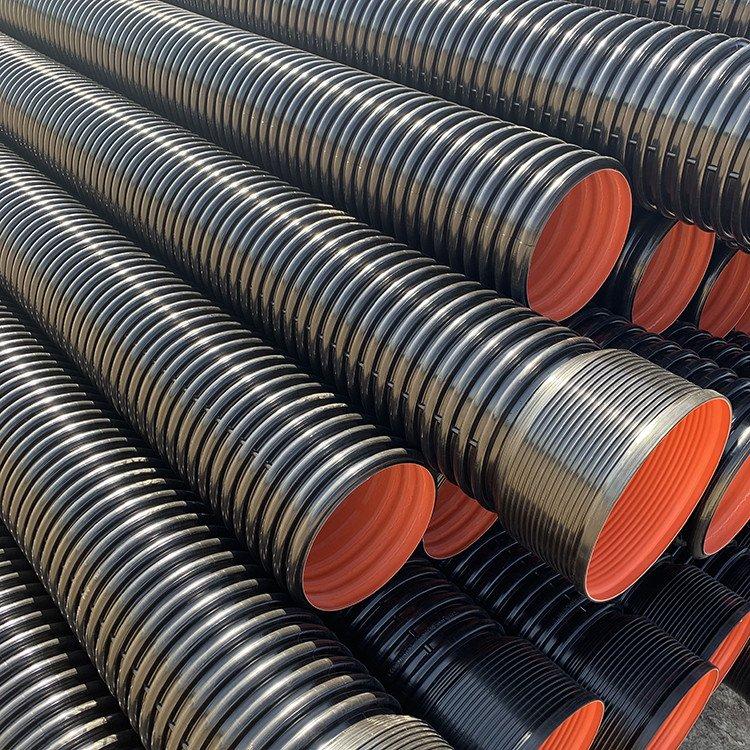
Performance & Engineering
The performance of under-sink water pipes is fundamentally governed by principles of fluid mechanics and material stress analysis. Pipes must withstand internal hydrostatic pressure without bursting or leaking. Burst pressure is calculated using Barlow's formula (P = 2St/D, where P is pressure, S is tensile strength, t is wall thickness, and D is diameter). Fatigue analysis is critical, as pipes are subjected to cyclical pressure fluctuations from faucet operation. Material creep, particularly in PPR pipes, must be considered over extended periods. Environmental resistance is paramount, with pipes needing to withstand exposure to various household chemicals (e.g., detergents, cleaning agents) and maintain their structural integrity.
Engineering considerations include thermal expansion and contraction, requiring appropriate provision for expansion loops or flexible connectors to prevent stress build-up. Compliance with plumbing codes (e.g., Uniform Plumbing Code (UPC), International Plumbing Code (IPC)) is essential, dictating material specifications, minimum wall thicknesses, and installation procedures. Furthermore, noise reduction is an increasing concern, necessitating the use of pipe insulation or dampening materials to minimize water hammer and flow noise. The selection of appropriate fittings (compression, push-fit, or solvent-welded) is crucial for creating a leak-proof system and ensuring compatibility with the chosen pipe material.
Technical Specifications
| Material | Diameter (in) | Wall Thickness (mm) | Burst Pressure (PSI) |
|---|---|---|---|
| PPR | 1/2 | 2.3 | 400 |
| PPR | 3/8 | 1.8 | 300 |
| PE | 1/2 | 2.0 | 250 |
| PE | 3/8 | 1.5 | 200 |
| CPVC | 1/2 | 2.6 | 600 |
| CPVC | 3/8 | 2.0 | 450 |
Failure Mode & Maintenance
Common failure modes for discount under-sink water pipes include: 1) Fatigue cracking, particularly at stress concentrations near fittings or joints, caused by repeated pressure cycles. 2) Delamination in PPR pipes, resulting from inadequate welding or material defects. 3) Corrosion or degradation in PE pipes due to exposure to aggressive chemicals. 4) Crack propagation in CPVC due to improper solvent welding or thermal stress. 5) Impact damage during installation or from accidental contact.
Preventative maintenance involves periodic visual inspection for leaks, cracks, or discoloration. Regularly check fittings for tightness and ensure proper support to prevent excessive strain on the pipes. Avoid exposing the pipes to extreme temperatures or harsh chemicals. In the event of a leak, isolate the water supply immediately and replace the damaged section of pipe and fittings. For solvent-welded CPVC joints, ensure proper surface preparation and application of the correct solvent cement. Consider using pipe insulation to protect against temperature fluctuations and reduce noise. Long-term, periodic hydrostatic testing can help identify weaknesses before catastrophic failure occurs. Professional plumbing inspection every 5-7 years is recommended for older installations.
Industry FAQ
Q: What is the primary difference in lifespan between PPR and CPVC pipes in an under-sink application?
A: While both materials can provide decades of service, CPVC generally exhibits a longer lifespan, particularly in applications involving higher water temperatures or exposure to aggressive chemicals. PPR is more susceptible to creep and degradation at elevated temperatures, potentially reducing its long-term durability. However, proper installation and operation within specified temperature limits can extend the lifespan of PPR pipes significantly.
Q: How does the cost savings of PE pipes compare to the increased risk of permeation or damage?
A: PE pipes offer the lowest upfront cost, but their thinner walls and lower burst pressure necessitate careful handling during installation. Permeation of certain chemicals can occur, potentially affecting water quality. The risk is manageable with proper material selection (HDPE offers better barrier properties) and avoiding exposure to incompatible substances. The cost savings must be weighed against the potential for more frequent replacements or water contamination.
Q: What are the critical considerations for solvent welding CPVC pipes to prevent leaks?
A: Proper surface preparation is paramount – pipes and fittings must be clean, dry, and free of debris. The correct solvent cement must be used, matching the CPVC resin type. Application should be quick and even, ensuring complete coverage of both surfaces. Adequate curing time is essential before pressurizing the system. Failure to follow these procedures can lead to weak joints prone to leaking.
Q: Are "discount" pipes typically compliant with relevant plumbing codes (UPC/IPC)?
A: Compliance varies. Reputable manufacturers of discount pipes generally adhere to ASTM standards and obtain certifications demonstrating compliance with UPC/IPC requirements. However, it's crucial to verify certifications and ensure the pipes are listed for potable water applications. Cheaper, uncertified options may not meet safety standards and could lead to code violations.
Q: What is the impact of water hardness on the lifespan of these different pipe materials?
A: High water hardness can lead to scale buildup inside pipes, reducing flow capacity and potentially creating stress concentrations that contribute to cracking, particularly in PPR pipes. CPVC and PE are less susceptible to scale buildup. The use of a water softener can mitigate the effects of hard water and extend the lifespan of all pipe materials.
Conclusion
Discount water pipes for under-sink applications provide a cost-effective solution for residential plumbing, but material selection and proper installation are critical for ensuring long-term reliability. PPR, PE, and CPVC each offer unique advantages and disadvantages, requiring careful consideration of factors such as temperature, chemical exposure, and pressure requirements. A thorough understanding of material properties, manufacturing processes, and potential failure modes is essential for making informed decisions and preventing costly water damage.
Future trends will likely focus on developing more durable and sustainable materials, improving manufacturing efficiencies to further reduce costs, and incorporating smart technology for leak detection and preventative maintenance. Emphasis on installer training and adherence to industry best practices will also be crucial for maximizing the lifespan and performance of these essential plumbing components.
-
DN25 HDPE Compression Fitting-HORON INTERNATIONAL|Reliable Irrigation Solutions
NewsFeb.11,2026
-
hdpe coupling joint product Manufacturing Analysis
News2026-11-18
-
ppr pipe heating time products Performance Analysis
News2026-11-16
-
hdpe pipe sizes factory Performance Analysis
News2026-11-09
-
HDPE Pipe Sizes Service Performance Analysis
News2026-10-26
-
wholesale 15mm ppr pipe Material Science and Performance Analysis
News2026-10-20
-
wholesale pvc pipe price per foot Technical Analysis
News2026-09-21
-
wholesale long pvc pipe Technical Analysis and Manufacturing Specifications
News2026-09-15
-
wholesale plumbing kitchen sink water lines Material Performance
News2026-09-15
-
wholesale hdpe drip irrigation Material Science
News2026-09-15
-
wholesale hot water ppr pipe Performance Analysis
News2026-09-15
-
wholesale ppr plumbing Performance Analysis
News2026-09-15
-
wholesale ppr pipe supplier Performance Analysis
News2026-09-13
-
wholesale 50mm ppr pipe Performance Analysis
News2026-09-13
-
wholesale hdpe drip pipe Performance Analysis
News2026-09-13
-
wholesale hdpe pipe 63mm price Manufacturing Specification and Performance Analysis
News2026-09-13