

Feb . 11, 2026 00:01 Back to list
discount water pipe kitchen sink Performance Engineering
Introduction
Discount water pipe kitchen sinks represent a significant segment of the residential and commercial plumbing fixture market. These sinks, typically constructed from polypropylene (PP) or polyethylene (PE), utilize a siphon-based waste drainage system characterized by corrugated plastic pipes connecting the basin to the standard plumbing drain. Their primary function is to facilitate hygienic waste disposal and water containment in kitchen environments. The key performance characteristics include drainage capacity, resistance to chemical degradation from common household cleaning agents, and structural integrity under typical loads. Unlike traditional cast iron or stainless steel sinks, discount water pipe kitchen sinks prioritize affordability and ease of installation, making them particularly attractive in cost-sensitive projects and DIY applications. However, these advantages are often accompanied by considerations regarding long-term durability and resistance to high temperatures. This guide provides a comprehensive technical overview of these sinks, encompassing material science, manufacturing processes, performance engineering, failure modes, and relevant industry standards.
Material Science & Manufacturing
The dominant material for discount water pipe kitchen sinks is polypropylene (PP) due to its cost-effectiveness, chemical resistance, and moldability. Specifically, homopolymer PP or copolymer PP are used, with copolymer PP exhibiting improved impact resistance at lower temperatures. The raw PP resin is typically compounded with additives such as UV stabilizers (to prevent degradation from sunlight exposure), antioxidants (to mitigate thermal oxidation during processing and use), and color pigments. Polyethylene (PE), particularly high-density polyethylene (HDPE), is also frequently employed, especially for the drain piping component. HDPE offers excellent chemical resistance and a smoother internal surface, reducing the likelihood of blockage.
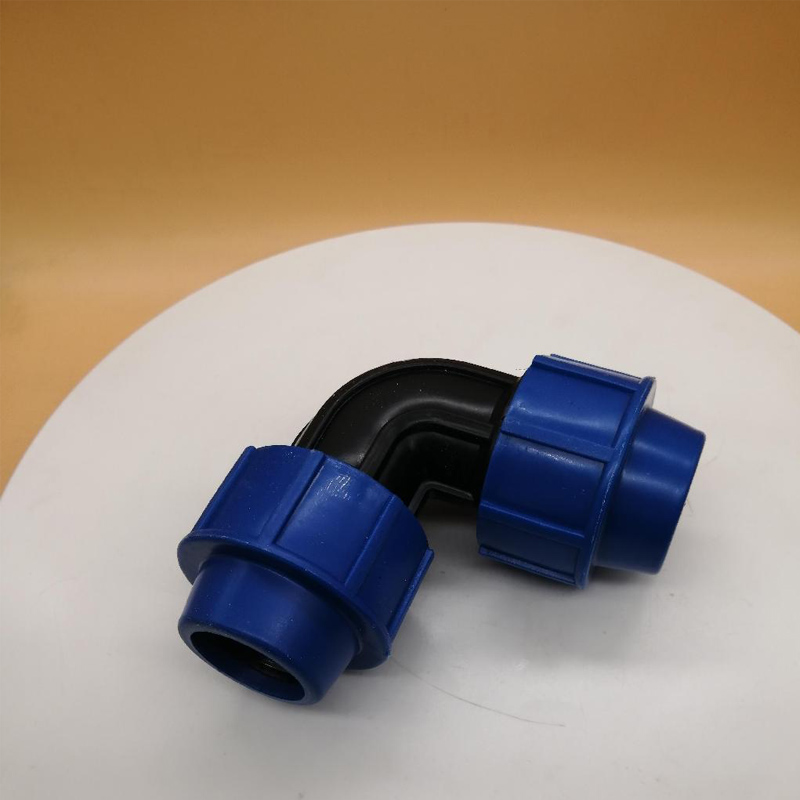
Manufacturing processes primarily involve injection molding for the sink basin and extrusion for the drain pipes. Injection molding requires precise control of several parameters: melt temperature (typically 220-260°C for PP), mold temperature (40-60°C), injection pressure (60-100 MPa), and cooling rate. Uneven cooling can lead to warpage and residual stress, compromising the sink's structural integrity. Extrusion of the drain pipes utilizes a similar principle, with the PE or PP granules being melted and forced through a die to create the desired corrugated profile. Critical extrusion parameters include die temperature, screw speed, and haul-off speed. The corrugated design increases flexibility and facilitates assembly. Post-molding operations include deburring, quality inspection for defects (e.g., sink marks, weld lines), and potentially surface coating or finishing for aesthetic purposes. The connection fittings (e.g., couplings, elbows) are also typically injection molded from PP or HDPE and assembled to the drain pipe using solvent welding or mechanical connections.

Performance & Engineering
The performance of a discount water pipe kitchen sink is critically dependent on its ability to withstand hydrostatic pressure, impact loads, and chemical exposure. Hydrostatic pressure testing, typically conducted at 0.5-1.0 MPa, verifies the integrity of the basin and drain connections against leakage. Impact resistance is assessed using methods like the Izod impact test (ASTM D256) and the drop weight test. These tests quantify the energy absorbed by the material before fracture. The corrugated drain pipes are engineered to minimize stress concentration points and facilitate flexibility during installation. Finite element analysis (FEA) is often employed during the design phase to optimize the pipe geometry and material distribution for maximum load-bearing capacity.
Chemical resistance is paramount, as kitchen sinks are regularly exposed to detergents, acids, and alkalis. PP and HDPE exhibit good resistance to most common household chemicals, but prolonged exposure to strong oxidizing agents or organic solvents can cause degradation. Environmental resistance, particularly temperature fluctuations, is also a crucial consideration. PP has a relatively low softening point (around 160°C), meaning that hot water discharge can cause temporary deformation. The drain piping system is designed with a trap to prevent sewer gases from entering the building; the effectiveness of the trap relies on maintaining a proper water seal. Compliance requirements vary by region but generally involve adherence to plumbing codes (e.g., Uniform Plumbing Code – UPC, International Plumbing Code – IPC) and standards related to material safety and water quality (e.g., NSF/ANSI 61).
Technical Specifications
| Parameter | Unit | Typical Value (PP Sink) | Typical Value (HDPE Drain) |
|---|---|---|---|
| Material | - | Polypropylene (PP) | High-Density Polyethylene (HDPE) |
| Tensile Strength | MPa | 20-30 | 25-35 |
| Flexural Modulus | GPa | 1.5-2.5 | 0.8-1.2 |
| Water Absorption (24hr) | % | 0.05-0.1 | 0.03-0.05 |
| Softening Point (Vicat) | °C | 160-170 | 120-130 |
| Chemical Resistance (to 10% HCl) | - | Excellent | Excellent |
Failure Mode & Maintenance
Common failure modes for discount water pipe kitchen sinks include cracking due to impact or stress concentration, deformation from high temperatures, and blockage of the drain pipes. Cracking often initiates at corners or around drain openings, particularly if the material is brittle or has manufacturing defects. Thermal deformation can occur if hot water is discharged repeatedly, leading to warping of the sink basin or loosening of drain connections. Blockages typically result from the accumulation of food particles, grease, and debris in the drain pipes. Long-term exposure to UV radiation can also cause embrittlement and discoloration of the PP material. Fatigue cracking in the corrugated drain pipe can occur over prolonged use and repeated flexing.
Preventive maintenance involves regular cleaning of the sink basin and drain pipes to remove debris. Avoid pouring hot grease or oil down the drain, as this can contribute to blockage. Periodically inspect the drain connections for leaks and tighten as needed. If cracking is observed, the sink basin or drain pipe should be replaced. To address blockages, use a plunger or a drain snake; avoid harsh chemical drain cleaners, as these can degrade the plastic material. For UV-exposed sinks, consider applying a protective coating or relocating the sink away from direct sunlight. A yearly inspection of all connections and a visual assessment for signs of degradation will help extend the lifespan of the sink.
Industry FAQ
Q: What is the primary difference in material performance between PP and HDPE in these sink systems?
A: While both PP and HDPE offer good chemical resistance, HDPE exhibits superior impact strength, particularly at lower temperatures. PP is more rigid and generally less expensive. HDPE is preferred for the drain piping due to its flexibility and resistance to cracking under stress, while PP is commonly used for the sink basin where rigidity is desired.
Q: How does water temperature impact the longevity of a PP sink basin?
A: Prolonged exposure to high temperatures (above 60°C) can cause PP to soften and deform over time. While occasional hot water discharge is generally acceptable, consistently pouring boiling water into the sink can accelerate degradation and potentially lead to cracking or warping.
Q: What are the common causes of blockages in the corrugated drain pipes?
A: The most frequent cause of blockages is the accumulation of food particles, grease, and hair in the drain pipes. These materials adhere to the inner surface of the corrugated pipe, reducing flow capacity and eventually leading to complete blockage. Proper use of drain strainers and regular flushing with hot water can help prevent this.
Q: How do I identify potential stress cracking in the drain piping?
A: Look for visible cracks, especially around the connections and in areas where the pipe bends or flexes. A noticeable decrease in drainage flow rate can also indicate a developing crack. If you suspect stress cracking, the affected section of pipe should be replaced immediately.
Q: Are these sinks suitable for use with garbage disposals?
A: While some models may be compatible, it's crucial to verify the manufacturer's specifications. The increased vibration and stress from a garbage disposal can accelerate the development of cracks in the sink basin and drain connections. Using a compatible disposal and ensuring proper installation are essential.
Conclusion
Discount water pipe kitchen sinks offer a cost-effective solution for residential and commercial plumbing needs. Their construction, primarily utilizing polypropylene and high-density polyethylene, balances affordability with adequate chemical resistance and manufacturability. Understanding the material properties, manufacturing parameters, and potential failure modes is crucial for ensuring long-term performance and reliability. Proper installation, regular maintenance, and awareness of temperature limitations are key to maximizing the lifespan of these systems.
Future developments in this area may focus on incorporating recycled materials, enhancing impact resistance through material blending, and improving drainage efficiency through optimized pipe geometries. Continued research into UV stabilization technologies will further mitigate degradation in outdoor or sun-exposed applications. The enduring appeal of these sinks lies in their ability to provide a functional and budget-friendly solution for everyday kitchen needs.
-
DN25 HDPE Compression Fitting-HORON INTERNATIONAL|Reliable Irrigation Solutions
NewsFeb.11,2026
-
hdpe coupling joint product Manufacturing Analysis
News2026-11-18
-
ppr pipe heating time products Performance Analysis
News2026-11-16
-
hdpe pipe sizes factory Performance Analysis
News2026-11-09
-
HDPE Pipe Sizes Service Performance Analysis
News2026-10-26
-
wholesale 15mm ppr pipe Material Science and Performance Analysis
News2026-10-20
-
wholesale pvc pipe price per foot Technical Analysis
News2026-09-21
-
wholesale long pvc pipe Technical Analysis and Manufacturing Specifications
News2026-09-15
-
wholesale plumbing kitchen sink water lines Material Performance
News2026-09-15
-
wholesale hdpe drip irrigation Material Science
News2026-09-15
-
wholesale hot water ppr pipe Performance Analysis
News2026-09-15
-
wholesale ppr plumbing Performance Analysis
News2026-09-15
-
wholesale ppr pipe supplier Performance Analysis
News2026-09-13
-
wholesale 50mm ppr pipe Performance Analysis
News2026-09-13
-
wholesale hdpe drip pipe Performance Analysis
News2026-09-13
-
wholesale hdpe pipe 63mm price Manufacturing Specification and Performance Analysis
News2026-09-13