

Feb . 11, 2026 00:01 Back to list
discount water pipe for kitchen Performance Analysis
Introduction
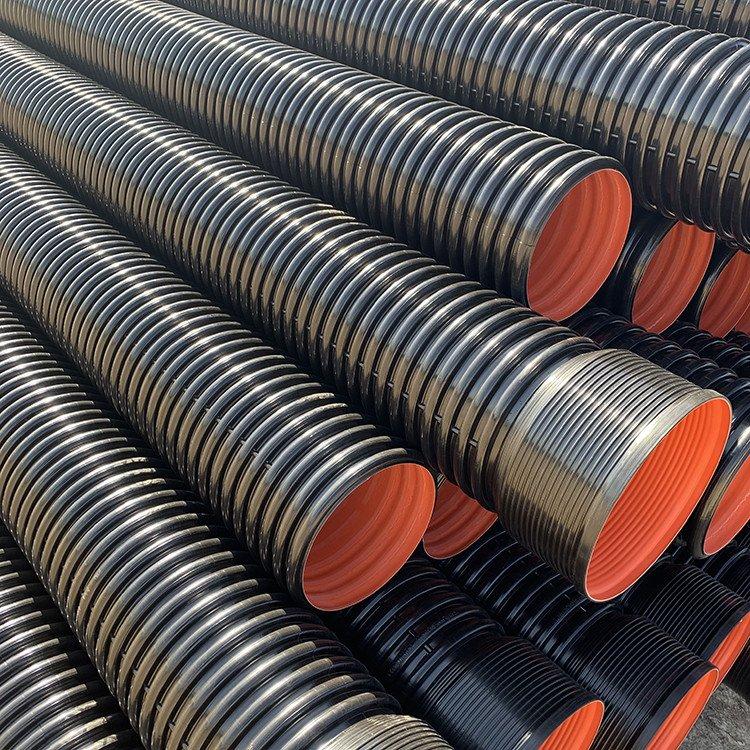
Discount water pipes for kitchen applications represent a critical component in potable water distribution systems within residential and commercial settings. These pipes, typically constructed from materials like Polyvinyl Chloride (PVC), Chlorinated Polyvinyl Chloride (CPVC), or Polypropylene Random Copolymer (PPR), facilitate the delivery of both hot and cold water to various fixtures. Their position within the plumbing supply chain is post-water source and pre-fixture, requiring robust performance characteristics to ensure water purity, prevent leaks, and adhere to stringent building codes. Core performance criteria include pressure resistance, temperature tolerance, chemical inertness to common water treatments, and long-term durability. The ‘discount’ designation reflects a focus on cost-effectiveness achieved through optimized material usage and manufacturing processes, presenting a trade-off between price and premium feature sets found in higher-tier piping solutions. The primary industry pain point centers around balancing cost reduction with sustained reliability and compliance, often leading to concerns about material degradation and long-term system integrity.
Material Science & Manufacturing
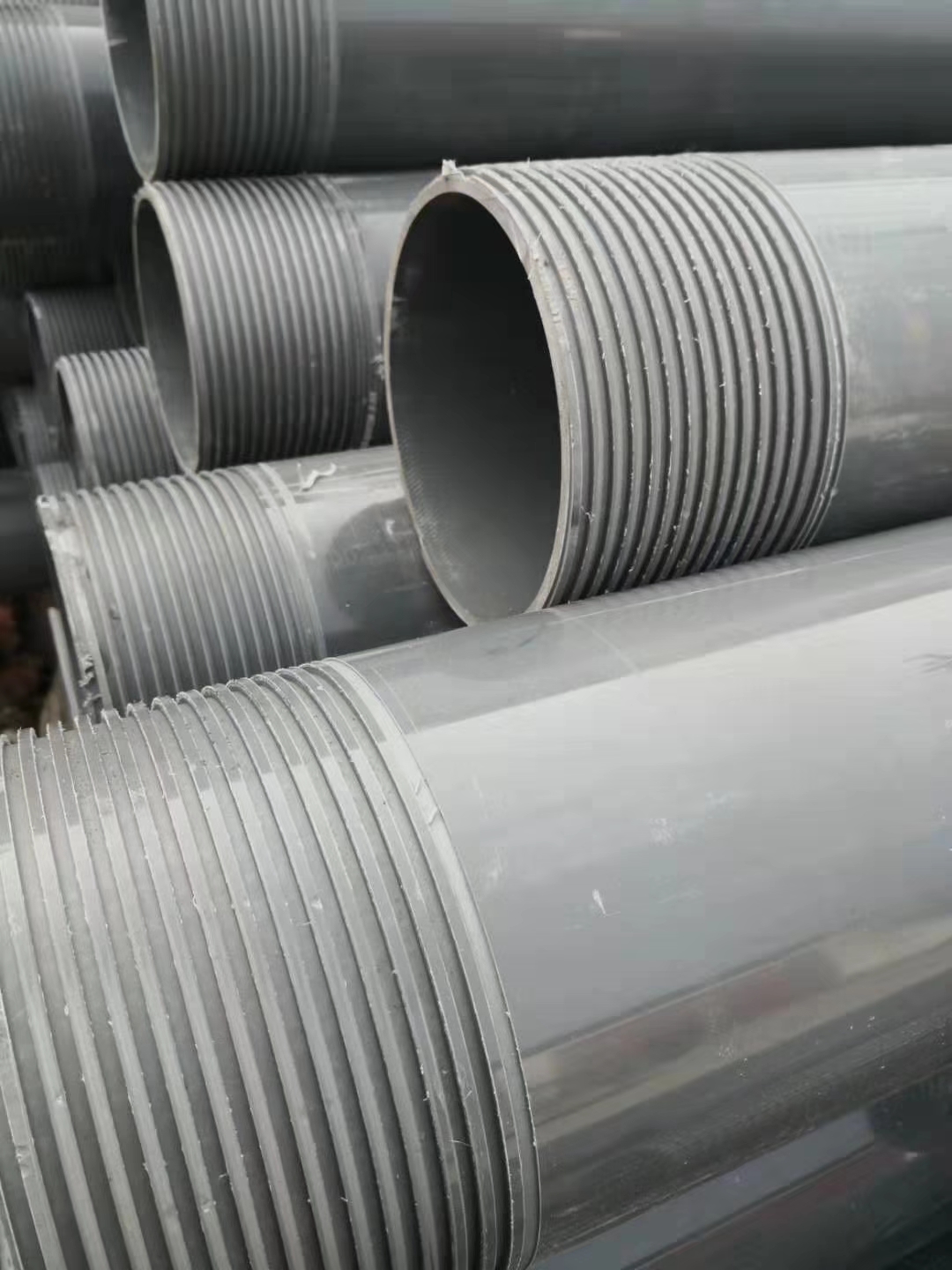
The predominant materials utilized in discount water pipe manufacturing dictate their physical and chemical properties. PVC, a thermoplastic polymer created by the polymerization of vinyl chloride, offers excellent chemical resistance and affordability. However, PVC’s temperature limitations (typically max. 60°C) restrict its use to cold water applications. CPVC, created by chlorinating PVC, enhances temperature resistance (up to 93°C), enabling its application for both hot and cold water. PPR, a copolymer of polypropylene, exhibits excellent impact resistance and flexibility, proving suitable for both cold and warm water systems. Manufacturing typically involves extrusion. Raw material pellets are fed into an extruder, where they are heated and melted, then forced through a die to form a continuous pipe. Key parameter control includes maintaining precise temperature profiles within the extruder to prevent thermal degradation of the polymer; accurate die dimensions to ensure consistent pipe diameter and wall thickness; and controlled cooling rates to minimize residual stress. Welding processes (solvent welding for PVC/CPVC, heat fusion for PPR) are critical for joining pipe sections, requiring skilled technicians and adherence to specified procedures to ensure leak-proof connections. Quality control focuses on dimensional accuracy, pressure testing (hydrostatic testing), and material composition analysis (using techniques like Fourier Transform Infrared Spectroscopy - FTIR).
Performance & Engineering
Performance evaluation of discount water pipes centers around their ability to withstand internal hydrostatic pressure, external soil loads (in buried applications), and thermal expansion/contraction. Force analysis dictates wall thickness requirements based on anticipated operating pressures and safety factors. Hydrostatic pressure testing, conducted per ASTM D1785, verifies the pipe’s short-term burst strength and long-term pressure-holding capability. Environmental resistance is paramount. UV exposure, particularly for exposed piping, can cause polymer degradation (embrittlement). Chemical resistance is vital, as water treatments (chlorination, chloramination) can attack the pipe material over time. Compliance requirements vary regionally, adhering to standards established by organizations like NSF International (for potable water safety), ASTM International (for material specifications and testing procedures), and local building codes. Specific engineering considerations involve designing plumbing systems to accommodate thermal expansion and contraction using expansion loops or flexible connectors to prevent stress on pipe joints. Furthermore, appropriate pipe support systems are crucial to prevent sagging and maintain structural integrity, particularly for long runs of piping. Finite Element Analysis (FEA) can be employed to model stress distributions under various loading conditions and optimize pipe design.
Technical Specifications
| Parameter | PVC (Schedule 40) | CPVC (Schedule 40) | PPR (PN20) | Unit |
|---|---|---|---|---|
| Nominal Pipe Size | 1/2" - 4" | 1/2" - 4" | 20mm - 63mm | inch/mm |
| Pressure Rating | Up to 450 PSI | Up to 300 PSI | Up to 20 bar (290 PSI) | PSI/bar |
| Temperature Rating | Up to 60°C (140°F) | Up to 93°C (200°F) | Up to 80°C (176°F) | °C/°F |
| Tensile Strength | 6,000 - 7,500 | 7,000 - 8,500 | 3,500 - 4,500 | PSI |
| Elongation at Break | 20 - 30% | 15 - 25% | 10 - 20% | % |
| Water Absorption (24hr) | <0.5% | <0.3% | <0.1% | % |
Failure Mode & Maintenance
Common failure modes in discount water pipes include fatigue cracking due to repeated pressure cycles, particularly at stress concentrators (e.g., threaded connections, welds). PVC and CPVC are susceptible to crazing and cracking when exposed to prolonged UV radiation. Chemical attack from aggressive water treatments (high chlorine levels) can lead to material degradation and embrittlement. PPR can experience creep deformation under sustained elevated temperatures. Delamination may occur in multilayer pipes if the bonding between layers is compromised. Oxidation can affect the long-term performance of certain polymer blends. Maintenance strategies include regular visual inspections for leaks or signs of cracking. Periodic pressure testing can identify weakening pipes before catastrophic failure. Protection from UV exposure (e.g., painting or covering pipes) is crucial for outdoor applications. Water quality monitoring and control are essential to minimize chemical attack. For solvent-welded joints, periodic inspection for solvent residue buildup and potential cracking is recommended. Replacing damaged sections promptly prevents further system deterioration. Correct installation following manufacturer guidelines is the primary preventative measure.
Industry FAQ
Q: What is the impact of water hammer on the lifespan of discount PVC pipes?
A: Water hammer, the pressure surge resulting from sudden valve closure, can significantly reduce the lifespan of PVC pipes. The repeated pressure spikes induce fatigue stress, leading to cracking, particularly at joints. Using water hammer arrestors and implementing slow-closing valves are crucial mitigation strategies.
Q: How does the chlorine content in municipal water affect CPVC pipe durability?
A: High chlorine concentrations can accelerate the degradation of CPVC, leading to embrittlement and eventual failure. While CPVC offers better chlorine resistance than PVC, prolonged exposure to high levels (>2 ppm) necessitates periodic inspection and potential pipe replacement.
Q: What are the advantages and disadvantages of PPR compared to PVC/CPVC for hot water applications?
A: PPR offers superior flexibility and impact resistance compared to PVC/CPVC, making it less prone to cracking during thermal expansion/contraction. However, PPR has a lower temperature rating and may be more susceptible to creep deformation over extended periods at high temperatures.
Q: What is the typical service life expectation for a properly installed discount PVC water pipe system?
A: A properly installed PVC system, utilizing appropriate joining methods and protected from UV exposure, can have a service life of 50-75 years. However, this is highly dependent on water quality, operating pressure, and maintenance practices.
Q: What considerations should be made when selecting the appropriate pipe diameter to minimize pressure loss?
A: Pipe diameter selection requires careful consideration of flow rate, pipe length, and desired pressure drop. Using a smaller diameter increases flow velocity and pressure loss, while a larger diameter increases material cost. Hydraulic calculations (e.g., using the Darcy-Weisbach equation) are essential for optimal design.
Conclusion
Discount water pipes for kitchen applications represent a balance between cost-effectiveness and performance. Material selection – PVC, CPVC, or PPR – dictates specific operational parameters related to temperature resistance, pressure capacity, and chemical compatibility. Proper manufacturing control, encompassing extrusion parameters, welding procedures, and rigorous quality testing, is paramount to ensure long-term reliability and adherence to relevant industry standards.
Addressing potential failure modes through preventative maintenance, UV protection, and water quality management is critical to maximize system lifespan and minimize the risk of leaks or catastrophic failures. Engineers and procurement professionals must prioritize a holistic lifecycle cost analysis, considering not only the initial material cost but also the potential costs associated with repairs, replacements, and water damage, to select the most appropriate piping solution for their specific needs.
-
DN25 HDPE Compression Fitting-HORON INTERNATIONAL|Reliable Irrigation Solutions
NewsFeb.11,2026
-
hdpe coupling joint product Manufacturing Analysis
News2026-11-18
-
ppr pipe heating time products Performance Analysis
News2026-11-16
-
hdpe pipe sizes factory Performance Analysis
News2026-11-09
-
HDPE Pipe Sizes Service Performance Analysis
News2026-10-26
-
wholesale 15mm ppr pipe Material Science and Performance Analysis
News2026-10-20
-
wholesale pvc pipe price per foot Technical Analysis
News2026-09-21
-
wholesale long pvc pipe Technical Analysis and Manufacturing Specifications
News2026-09-15
-
wholesale plumbing kitchen sink water lines Material Performance
News2026-09-15
-
wholesale hdpe drip irrigation Material Science
News2026-09-15
-
wholesale hot water ppr pipe Performance Analysis
News2026-09-15
-
wholesale ppr plumbing Performance Analysis
News2026-09-15
-
wholesale ppr pipe supplier Performance Analysis
News2026-09-13
-
wholesale 50mm ppr pipe Performance Analysis
News2026-09-13
-
wholesale hdpe drip pipe Performance Analysis
News2026-09-13
-
wholesale hdpe pipe 63mm price Manufacturing Specification and Performance Analysis
News2026-09-13